
Facets
Browse across eight MeSH (opens in new tab) facets — era, geography, science, specialty, technology, history, culture, and reference. Select one tag per group; counts update across the others. What’s new in facet browse how facets relate to subjects and MeSH.
Clear filtersFacet filters
Geography
Specialties & Disease
- Anatomy & Pathology 765
- Cardiology & Blood 914
- Neurology & Psychiatry 1,258
- Obstetrics & Reproductive 551
- Infectious Disease (General) 147
- Surgery & Anesthesia 1,553
- Public Health 1,129
- Immunology & Dermatology 1,405
- General Clinical Medicine 487
- Military Medicine 436
- Psychology 202
- Alternative & Fringe Medicine 383
- Pediatrics 247
- Ophthalmology & Vision 412
- ENT & Hearing 293
- Urology & Nephrology 309
- Gastroenterology & Hepatology 316
- Pulmonary & Respiratory 233
- Rheumatology, Rehab & Pain 189
- Internal, Emergency & Geriatric 123
- Veterinary Medicine 165
- Epidemiology & Demography 397
- Physiology & Embryology 924
- Dentistry 259
- Plagues & Epidemics 1,279
- Microbiology & Virology 1,080
Social & Historical Studies
Institutions & Culture
Reference & Scholarly Works
924 entries match Physiology & Embryology [G07 / G02.149]
1667
#916
An account of an experiment of preserving animals alive by blowing through their lungs with bellows.
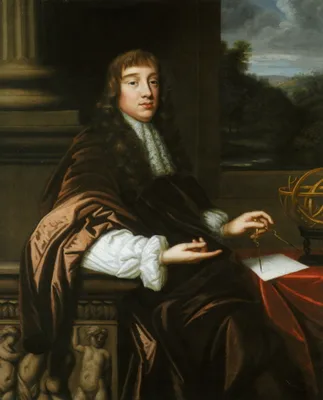
By blowing air from a bellows over the exposed lungs of a dog, Hooke proved that respiratory motion is not necessary to maintain life, but that the essential feature of respiration lies in certain blood changes in the…
1667
#467.2
Disquisitio anatomica de formatu foetu.
Founding work of developmental chemical embryology, the first book to report chemical experiments on the developing mammalian embryo, and the first to give practical instructions on dissection of embryos. Needham was …
1667 –1673
#292.1
Observationes anatomicae selectiores. [Part II: Observationum anatomicarum… pars altera]. 2 vols.
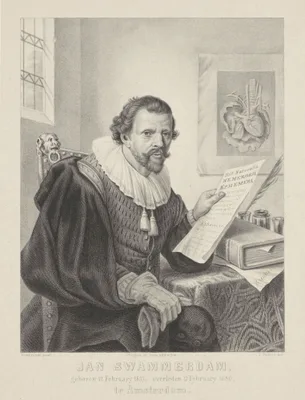
The only publications of one of the earliest scientific societies, active from 1664 to 1672. Founded by Gerard Blaes, and numbering Jan Swammerdam among its members, the college devoted itself to comparative anatomica…
1669
#761
Tractatus de corde.
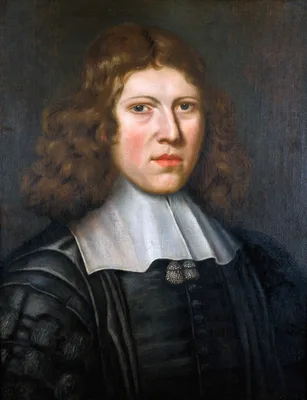
Lower was the first to demonstrate the scroll-like structure of the cardiac muscle. He was one of the first to transfuse blood. Chapter III of the above work records how Lower injected dark venous blood into the insuf…
1669
#3349
Elements of speech, an essay of inquiry into the natural production of letters; with an appendix concerning persons deaf and dumb.
Includes a section on the education of deaf-mutes. Paracusis is described in the Appendix, p. 166.
1671
#294.1
Esperienze intorno a diverse cose naturali…
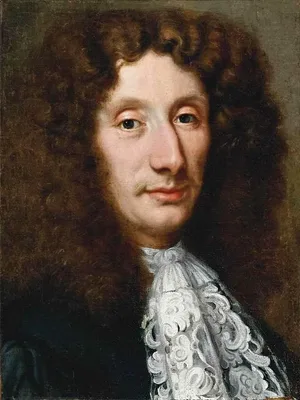
Includes the first scientific study of an electric fish. While the torpedo’s peculiar properties had provoked scientific speculation since at least the time of Aristotle, Redi was the first to perform an actual dissec…
1673
#468
De ovo incubato observationes.
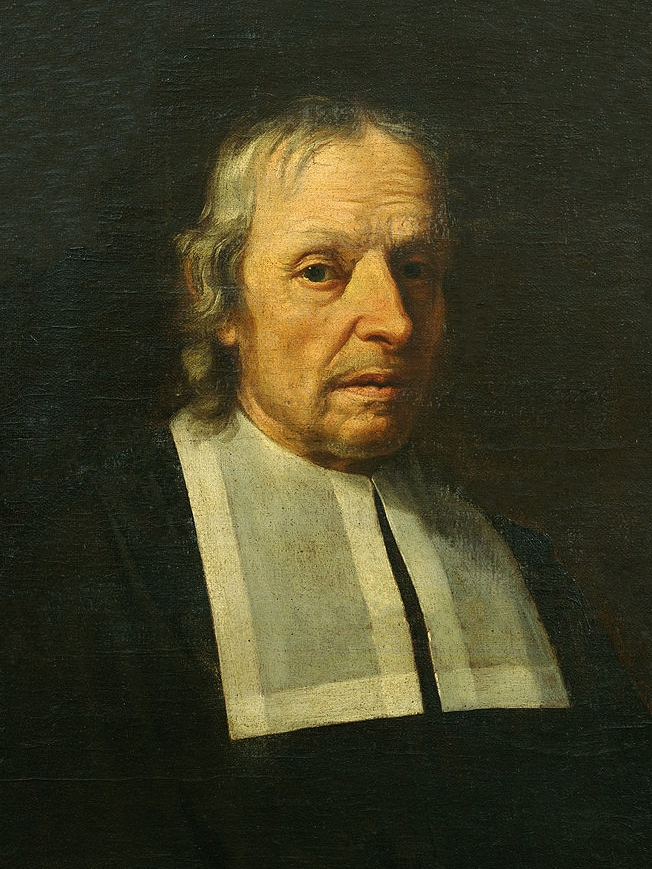
First accurate description, from the microscopical point of view, of the chick embryo. See No. 467.1. English translation in No. 534.1
1673
#469
Dissertatio epistolica de formatione pulli in ovo.
This and the De ovo incubato (No. 468) placed the study of embryology on a sound basis, surpassing in accuracy all other contemporary work on the subject and foreshadowing some of the more important general lines of r…
1674
#2726.2
Tractatus quinque medico-physici.
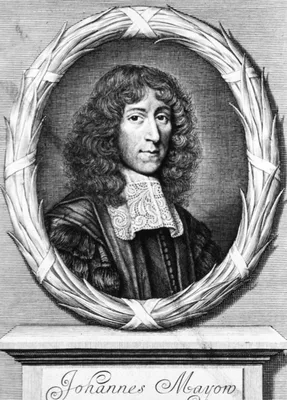
Mayow was the first to locate the seat of animal heat in the muscles; he discovered the double articulation of the ribs with the spine and came near to discovering oxygen in his suggestion that the object of breathing…
1675 –1679
#536
Anatome plantarum.
Malpighi was the founder of microscopic anatomy and a pioneer in the study of plant development. He approached the subject through the study of plant tissues. His Appendix adds to the work on chick embryology Malpighi…
1677
#579
Tractatus de ventriculo et intestinis.
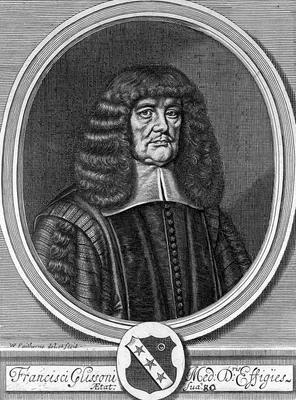
Glisson introduced the idea of irritability as a specific property of all human tissue, a hypothesis which had no effect upon contemporary physiology, but which was later demonstrated experimentally by Haller (No. 587).
1680
#580
Physiologia Kircheriana experimentalis.
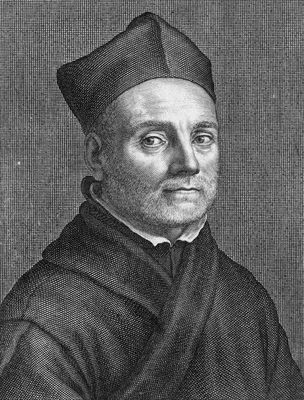
Includes the first recorded experiment in hypnotism in animals.
1680 –1681
#3669.3
De motu animalium. 2 pts.
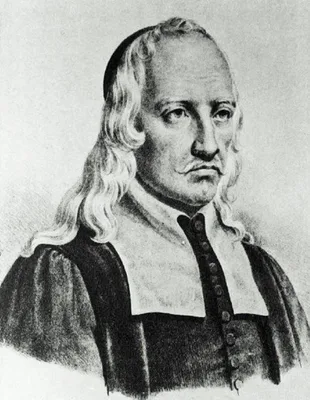
Borelli originated the neurogenic theory of the heart’s action and first suggested that the circulation resembled a simple hydraulic system. He was the first to insist that the heart beat was a simple muscular contrac…
1683
#4162
De urinis et pulsibus de missione sanguinis de febribus de morbis capitis, et pectoris.
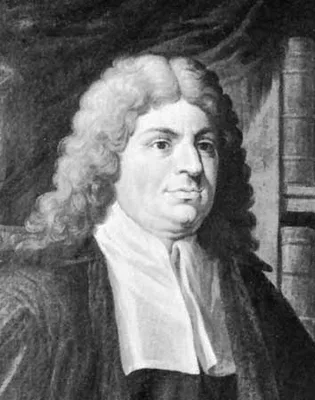
Bellini began to develop his hydraulic iatromechanics in this work, in which he considered the blood as a physical fluid with simple mechanical and mathematicizable properties. He realized the value of the urine as an…
1684
#11684
Myographia nova, or a graphical description of all the muscles in the human body; with one and forty copper-plates.
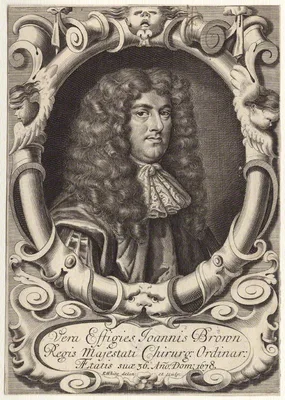
Browne's treatise on the muscles consisted of six lectures, illustrated by copperplates. It was, however, a plagiarism, as was pointed out by James Yonge: it put together text from the Muskotomia by William Molins wit…
1685
#11718
Variarum observationum liber.
Vossius, a Dutch scholar and manuscript collector, was one of the first European writers to suggest that the Chinese had anticipated William Harvey's discovery of the circulation of the blood. In his chapter on Chines…
1686
#1355
Circulus anatomico-physiologicus.
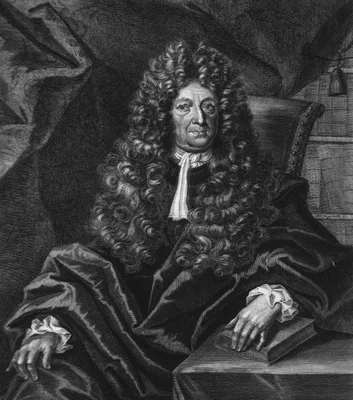
Bohn's approach was mechanistic in that he grave predominately physical interpretations of vital processes. He experimented on the decapitated frog, declaring the reflex phenomena to be entirely material and mechanica…
1686
#66
Opera omnia. 2 vols.
Malpighi was the founder of histology. In 1660 he was the first to see the capillary anastomosis between the arteries and the veins, thus contributing to the completion of Harvey’s work on the circulation. Malpighi wa…
1691
#387
Osteologia nova, or some new observations of the bones.
Havers discovered the Haversian canals and made important observations of the physiology of bone growth and repair. The Haversian lamellae, glands, and folds, are also named after him. The Haversian canals were observ…
1691
#12692
Le vie de monsieur Descartes. [par Adrien Baillet].
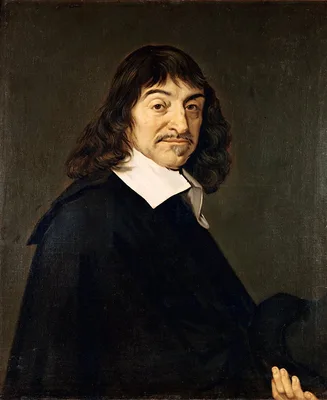
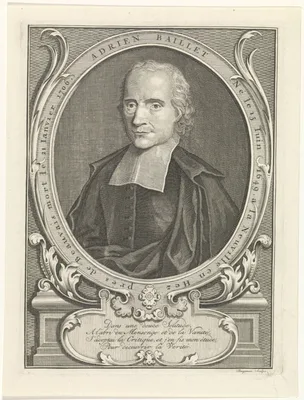
An early separately published biography of a contributor to the history of the life sciences. Digital facsimile from Google Books at this link.
1698
#10657
De motu cordis adversaria analytica.
In this pioneering experimental study of coronary function, describing the first experimental tying of a coronary vessel, Chirac demonstrated that cardiac arrest occurs in response to coronary ligation. “A special pos…
1700
#11894
Observations sur la maniere de tailler dans les deux sexes pour l'extraction de la pierre, pratiqué par Frere Jacques. Nouveau system de la circulation du sang pour le trou ovale dans le foetus humain, avec les réponses aux objections qui ont été faites contre cette hypothese.
"Méry became closely associated with the comparative-anatomical work led by Claude Perrault and J.-G. Duverney. As a member of this group, Méry made contributions to their joint publications, in which each man’s speci…
1705
#2729
Novum vasorum corporis humani systema.
Vieussens was among the first to describe the morbid changes in mitral stenosis, the throbbing pulse in aortic insufficiency, and the first correctly to describe the structure of the left ventricle, the course of the …
1708
#581
Institutiones medicae in usus annuae exercitationis domesticos digestae.
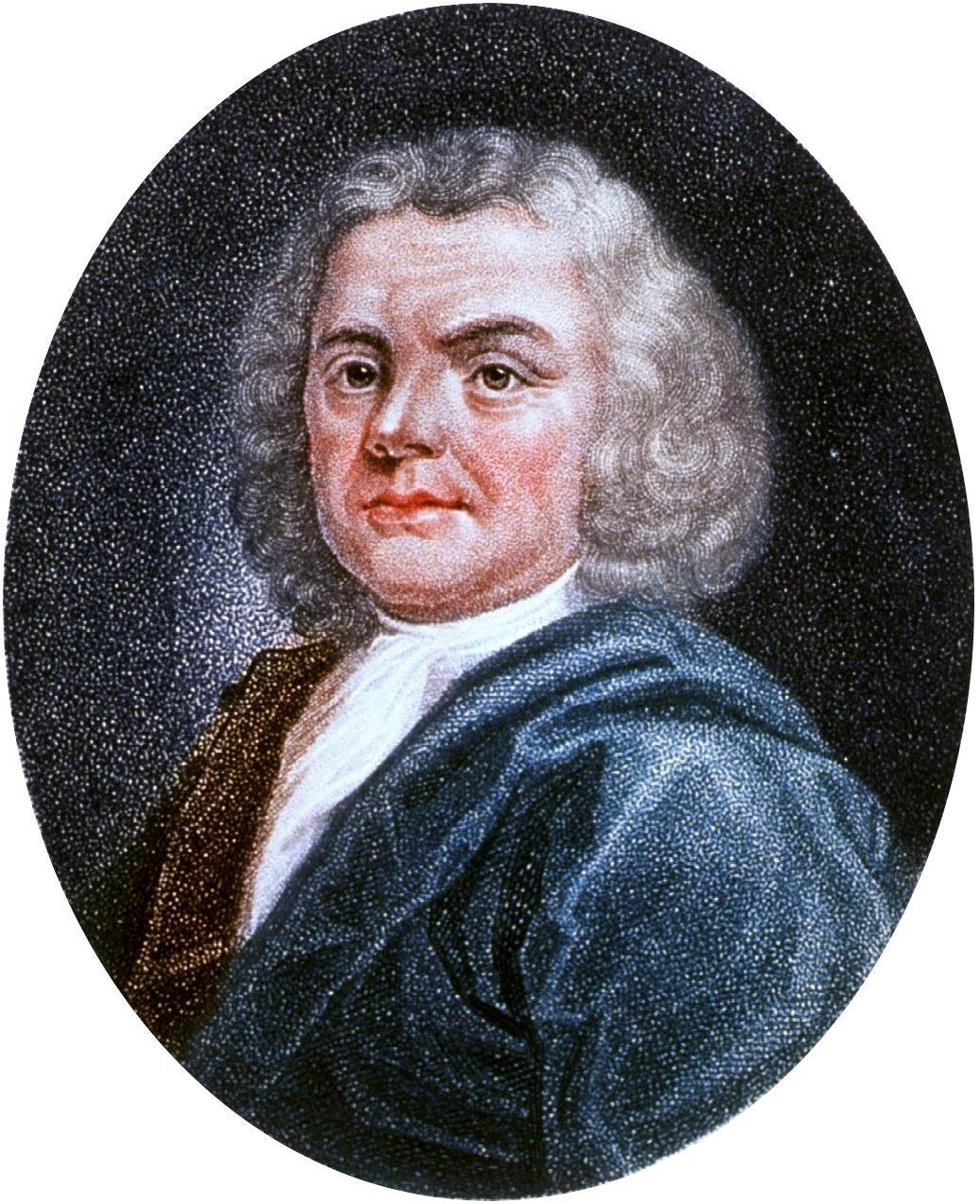
Institutiones medicae, Boerhaave’s first book, represented lectures given by Boerhaave on June 23, 1701; it was soon being used in virtually every medical school in Europe, going though numerous authorized and unautho…
1708
#582
Theoria medica vera.
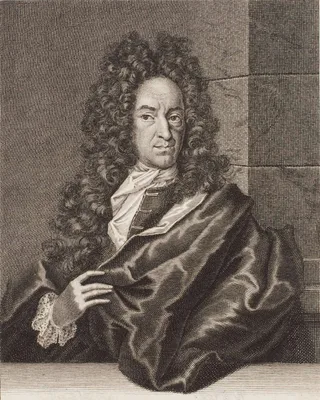
Stahl tried to explain vital phenomena by mystical means. He was the head of the so-called Animistic School which explained disease as caused by misdirected activities on the part of the soul. A three-volume German tr…
1708
#763
Disputatio medica inauguralis de circulo sanguinis in corde.
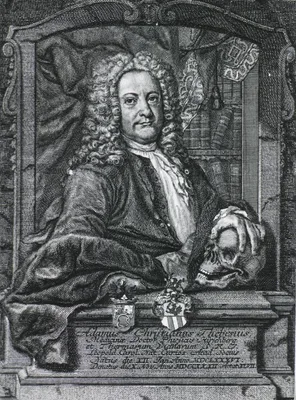
First description of the coronary valves and the venae thebesii.
1708
#11673
An account of animal secretion, the quantity of blood in the humane body, and muscular motion.
Keill applied measurement and mathematics in his researches, claiming the "first calculations of the absolute velocity at which blood travels through the aorta and smaller vessels; he also recognized that the blood's …
1715
#7247
Traité nouveau de la structure et des causes du mouvement naturel du coeur. IN: Oeuvres françoises de M. Vieussens dédiées a nosseigneurs des états de la province de Languedoc.
The first work on cardiac anatomy and pathology. Vieussens was the first to describe the course of the coronary arteries and the coronary sinus. He also described collateral vessels connecting the left anterior descen…
1718
#583
Fundamenta physiologiae.
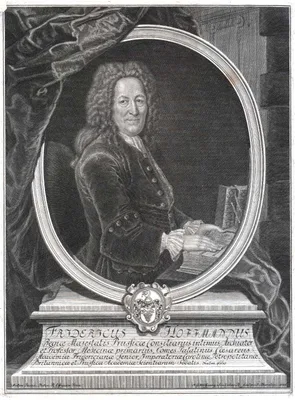
Hoffmann was the first to perceive pathology as an aspect of physiology. His Fundamenta is an outstanding treatise on physiology. English translation with introduction by Lester S. King, London, 1971.
1724
#12698
An impartial history of Michael Servetus, burnt alive at Geneva for heresie.
Authorship of this early English account of Servetus and his martyrdom for heresy has never been determined, according to Geoffrey Sill, "The authorship of An impartial history of Michael Servetus," Papers of the Bibl…
1727 –1733
#765
Vegetable staticks: Or, an account of some statical experiments on the sap in vegetables. Statical essays, containing haemastaticks. 2 vols.
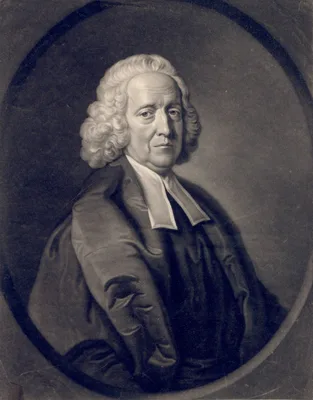
Hales initiated a new stage in physiological experimentation with his "statical" methods, which were characterized by precise quantitative measurements, repetition and the used of controls, and were based on the assum…
1727
#7362
Cursus medicus Mexicanus juxtà sanguinis circulationem, & alia recentiorum inventa ad usum studentium....Paris prima physiologica [All Published]
The first textbook of physiology published in the Western hemisphere. Digital facsimile from Medical Heritage Library, Internet Archive at this link.
1727
#12697
Historia Michaelis Serveti Quam praeside Io. Laur. Mosheimio...auctor Henricus ab Allwoerden.
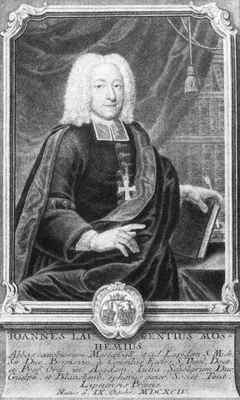
An early biographical account of Servetus and his martyrdom for heresy, prepared under the direction of Johann Lorenz von Mosheim whose Kaisergeschichte (2 vols, 1746-48) initiated the modern, objective historiography…
1732
#666.1
Elementa chemiae. 2 vols.
Boerhaave was the first to separate out urea from urine, and to do so without adding chemical substances such as alcohol or nitric acid. He first published his method for isolating it in the above work. English transl…
1734 –1735
#1547
Tractatus quatuor anatomici de aure humana. Tractatus quintus anatomicus de aure humana. Cui accedit tractatus sextus de aure monstri humani.
Important tracts on the anatomy and physiology of the ear. Cassebohm’s studies of the embryonic ear far surpassed his predecessors, including Valsalva and Morgagni, and were not themselves surpassed until the work of …
1736
#395.1
Human osteogeny explained in two lectures.
Nesbitt pointed out that bones may develop in membrane as well as cartilage, an observation which was ignored until the 19th century. He left an outstanding description of bone growth.
1738
#584
An account of the bones of animals being changed to a red colour by aliment only.
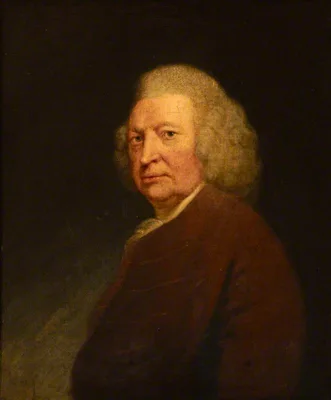
Belchier fed animals with madder, noting that new bone formed subsequent to its ingestion was stained red. This was the earliest attempt at vital staining, and is also important as making possible the study of osteoge…
1738
#11713
Dissertatio de structura et motu musculari.
This was the text of the first Croonian Lecture at the Royal Society. In it Stuart promoted a strictly hydraulic iatromechanism as a theory of muscular motion. This work was translated into English in 1739. Digital fa…
1740
#803
Opera.
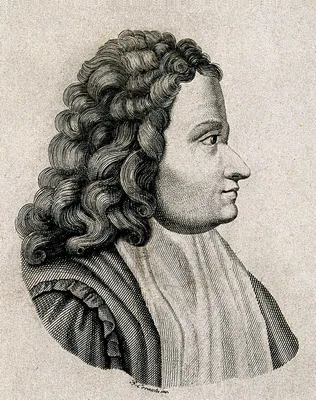
Valsalva described the aortic “sinus of Valsalva”.
1740 –1753
#72
Opera omnia physico-medica. (Supplementum, etc) 9 vols.
Hoffmann of Halle was the most important of the Iatromechanists. He believed an ether-like “vital fluid” to be present in the nervous system and to act upon the muscles, giving them “tonus”.
1743
#765.1
Dissertationem inauguralem de vera nervi intercostalis origine.
Taube described the carotid body and named it “ganglion minutum”, See J. Pick, J. Hist. Med., 1959, 14, 61-73.
1745
#308
Traité d’insectologie.
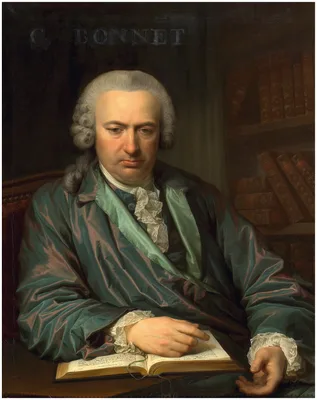
This pioneering work on experimental entomology incorporates Bonnet’s most important discovery–parthenogenetic reproduction–based on his study of aphids. Bonnet used the result of this and other discoveries as a basis…
1745
#4616
Glömska af alla substantiva och i synnerhet namn.

Aphasia first described. Facsimile reproduction and English translation by H. R. Viets, Bull. Hist. Med., 1943, 13, 328-33.
1747
#585
Primae lineae physiologiae in usum praelectionum academicarum.
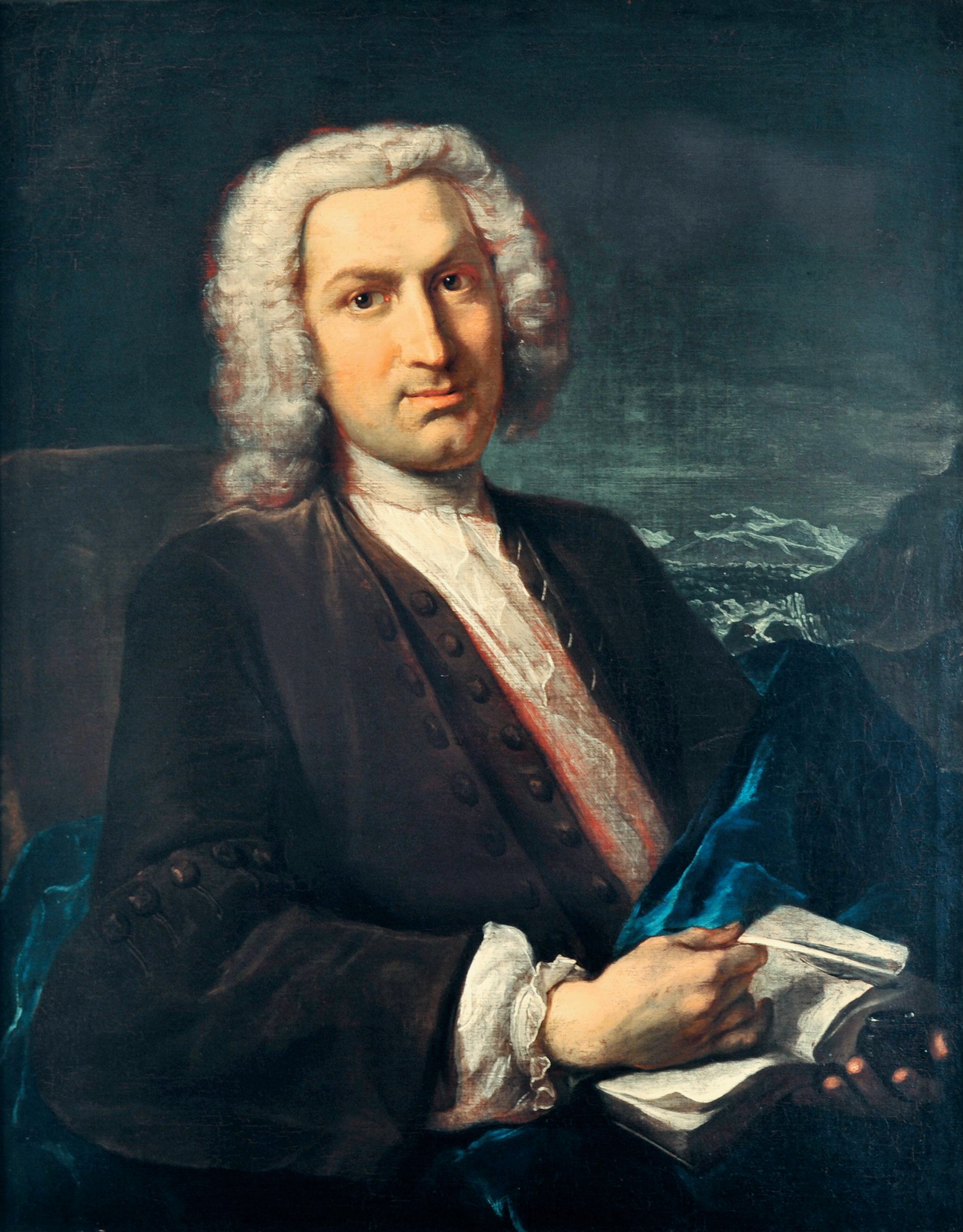
Haller was one of the most imposing figures in the whole of medicine, besides being a superb bibliographer and the founder of medical bibliography. As a physiologist he was the greatest of his time. Many apparently “n…
1748
#586
L’homme machine.
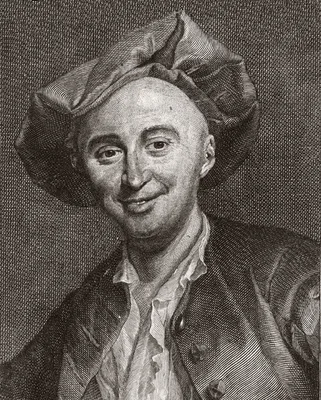
La Mettrie attempted among other things to prove the materialism of the soul. Because of his blatant and aggressive atheism, all of La Mettrie’s writings were placed on the Index and systematically burned. Owing to it…
1749
#2733
Traité de la structure du coeur, de son action, et de ses maladies. 2 vols.
Senac’s valuable treatise on the heart added much to the knowledge of the anatomy and diseases of that organ; he mentioned the leucocytes, which he considered to belong to the chyle, and he described pericarditis. Sen…
1753
#7800
Dictionaire anatomique suivi d'une bibliothèque anatomique et physiologique.
An anatomical dictionary with most of the entries cross referenced to related structures, followed by a very extensive bibliography of anatomical and physiological works. Digital facsimile from Google Books at this link.
1756
#11607
Deux mémoires sur le mouvement du sang, et sur les effets de la saignée, fondés sur des experiences faites sur des animaux.
In these memoirs Haller described the results of 235 vivisections. Haller has been called "the founder of modern haemodynamics." "The myogenic theory of the heartbeat can be traced to Haller, who concluded on the basi…
1757 –1766
#588
Elementa physiologiae corporis humani. 8 vols.
Haller synthesized the whole physiological knowledge of his time. In the above, probably his greatest work, Haller included some anatomical descriptions which were most valuable. He is said to have written more than 1…
1758
#469.2
Sur la formation du coeur dans le poulet…2 vols.
Haller devised a numerical method to demonstrate the rate of growth of the fetus, showing that the rate of growth is relatively rapid in the earlier stages but that the tempo gradually decreases. He calculated the rat…