
Facets
Browse across eight MeSH (opens in new tab) facets — era, geography, science, specialty, technology, history, culture, and reference. Select one tag per group; counts update across the others. What’s new in facet browse how facets relate to subjects and MeSH.
Clear filtersFacet filters
Geography
Specialties & Disease
- Anatomy & Pathology 0
- Cardiology & Blood 2
- Neurology & Psychiatry 6
- Obstetrics & Reproductive 0
- Infectious Disease (General) 0
- Surgery & Anesthesia 2
- Public Health 13
- Immunology & Dermatology 5
- General Clinical Medicine 1
- Military Medicine 0
- Psychology 1
- Alternative & Fringe Medicine 15
- Pediatrics 0
- Ophthalmology & Vision 0
- ENT & Hearing 0
- Urology & Nephrology 0
- Gastroenterology & Hepatology 0
- Pulmonary & Respiratory 0
- Rheumatology, Rehab & Pain 2
- Internal, Emergency & Geriatric 0
- Veterinary Medicine 2
- Epidemiology & Demography 1
- Physiology & Embryology 19
- Dentistry 7
- Plagues & Epidemics 1
- Microbiology & Virology 2
Social & Historical Studies
Institutions & Culture
Reference & Scholarly Works
67 entries match Pharmacology & Therapeutics [D01 / E02] · Professions & Education [M01 / N02]
1469
#89
Historia naturalis, libri XXXVII.
The most ancient Western encyclopedia extant, Pliny’s Historia contained essentially all that was known in his time concerning geography, mineralogy, anthropology, botany, zoology and meteorology. Books XX-XXXII deal …
1528
#36
In principio singulorum librorum omnia indicantur, quae in eo libro continentur. [Title in Greek and Latin].
Paul of Aegiina was the most famous physician and surgeon in the Byzantine Empire during the seventh century, and probably thereafter. According to Eugene F. Rice, "Paulus Aegineta", Catalogus translationum et comment…
1555 –1556
#9773
Le benefice commun de tout le monde, ou commodité de vie d’vn chascun, pour la conseruation de santé: Remedes segretz tirées des plantes contre toutes maladies. 3 vols.
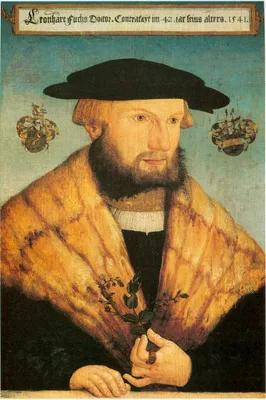
A vernacular guide for living a healthy life compiled from the writings of Fuchs. Includes herbal and dietary remedies, recipes for oils, pills and other preparations to treat maladies such as fever, plague and wounds.
1590
#2244
Historia natural y moral de las Indias.
One of the earliest detailed and realistic descriptions of the New World. Acosta hypothesized that the indigenous peoples of Latin America had migrated from Asia. He also divided the native peoples into three barbaria…
1632
#12780
Nuoua, et vtilissima prattica di tutto quello ch'al diligète barbiero s'appartiene: E particolarmente del cauar sangue ....
An extensively llustrated manual published specifically for barber surgeons, published in the vernacular, and instructing them in the art of bloodletting and phlebotomy, embalming dead bodies, curing headaches, and va…
1676
#9511
The family physician, and the house apothecary: Containing I. Medicines against all such diseases people usually advise with apothecaries to be cured of, II. Instructions, whereby to prepare at your own houses all kinds of necessary medicines that are prepared by apothecaries, or prescribed by physicians, III. The exact prices of all drugs, herbs, seeds, simple and compound medicines, as they are sold at the druggists, or may be sold by the apothecaries, IV. That it's plainly made to appear, that in preparing medicines thus at your own houses, that it's not onely a far safer way, but you shall also save nineteen shillings in twenty, comparing it with the extravagant rates of many apothecaries.
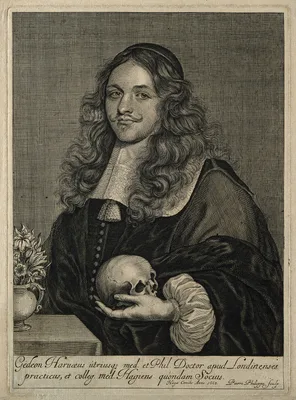
The text of the second edition (1678) is available from Early English Books Online at this link.
1700
#2121
De morbis artificum diatriba.
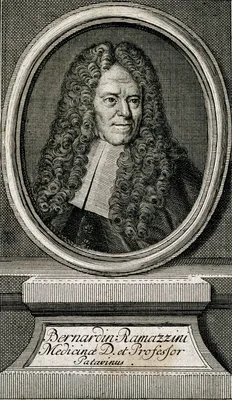
Ramazzini's study of the diseases of workers, De morbis artificium diatriba, was the first comprehensive and systematic treatise on occupational medicine; it was also the foundation work in ergonomics. It deals with p…
1734
#9675
Every man his own doctor: or, The poor planter's physician. Prescribing plain and easy means for persons to cure themselves of all, or most of the distempers, incident to this climate, and with very little charge, the medicines being chiefly of the growth and production of this country.
The first medical hand-book for lay persons written and published in America. It is probable that this book was first published in 1734, though the earliest recorded copy or copies appear to be the "second edition" wi…
1746
#8869
Medicina Britannica; or, a treatise on such physical plants as are generally to be found in the fields or gardens of Great-Britain: Containing a particular account of their nature, virtues, and uses. Together with the observations of the most learned physicians, as well ancient as modern, communicated to the late ingenious Mr. Ray, and the learned Dr. Sim. Pauli. Adapted more especially to the occasions of those, whose condition or situation of life deprives them, in a great measure, of the helps of the learned. To which are added, three indexes: The first containing the England and Latin names of the plants treated of: The second of the diseases, and their remedies: The third to the notes.
Short focused his book on the medical uses of plants readily available in England. Many of the plants recommended in the traditional herbal literature were difficult to find in England. Digital facsimile from the Biod…
1746
#12928
Experiences et demonstrations faites à l'Hôpital de la Salpêtriere, & à S. Côme en présence de l'Académie Royale de Chirurgie. Pour servir de suite & de preuves a l'Essai sur les maladies des dents, & c. Et une pharmacie odontalogique, ou Traité des médicamens, simples & composés propres aux maladies des dents, & des différentes parties de la bouche, à l'usage des dentistes.
In this follow-up to his book published in 1743 Bunon proved the assertions of his earlier Essai through a series of dental researches conducted on patients at the Salpêtrière and at the hospital of St. Côme--the firs…
1774
#6451.90
An oration…containing an enquiry into the natural history of medicine among the Indians in North-America; and a comparative view of their diseases and remedies, with those of civilized nations.
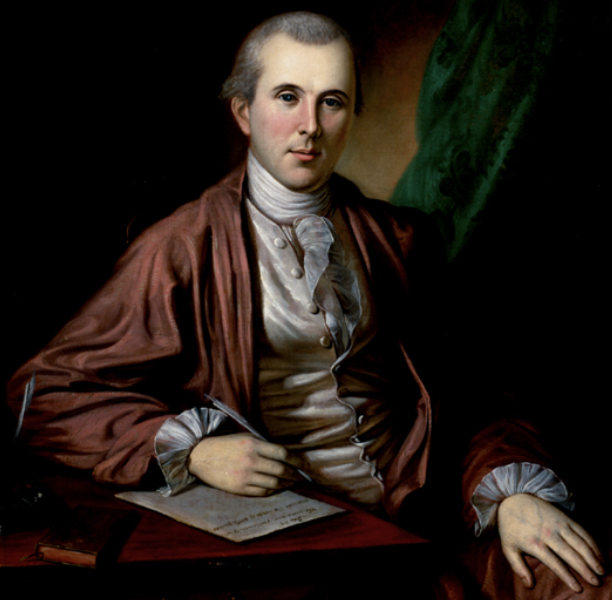
Rush was the first American physician to publish a detailed study of native American medicine. Digital facsimile from the Medical Heritage Library, Internet Archive, at this link.
1784
#14210
Die Deutsche [sic] Giftpflanzen, zur Verhütung der tragischen Vorfälle in den Haushaltungen, nach ihren botanischen Kennzeichen, nebst den Heilungsmitteln.
On poisonous plants in Germany, for prevention of tragic household accidents, and remedies for the poisons. Illustrated with 16 plates. Digital facsimile from Google Books at this link.
1822
#6988
New guide to health; or botanic family physician, containing a complete system of practice, upon a plan entirely new; with a description of the vegetables made use of, and directions for preparing and adminstering them to cure disease. To which is prefixed a narrative of the life and medical discoveries of the author.
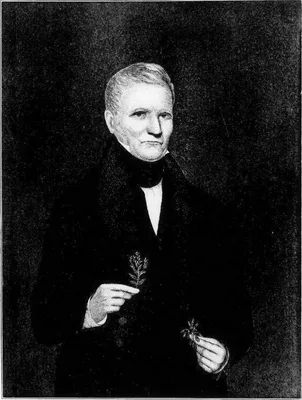
The "Bible" of Thomsonism or "Thomsonian medicine", which employed botanical remedies, often based on native American medicines. Digital facsimile from the Medical Heritage Library, Internet Archive, at this link.
1822
#9326
Traité des maladies des artisans, et de celles qui résultent des diverse professions, d'après Ramazzini; Ouvrage dans lequel on indique les précautions que doivent prendre, sous le rapport de la salubrité publique et particulière, les fabricans, les manufacturiers, les chefs d'ateliers, les artistes, et toutes les personnes qui exercent des professions insalubres.
This second French edition of Ramazzini's De morbis artificum diabriba by Philibert Patissier provides so much new material on the diseases of workers in France as to virtually double the length of Ramazzini’s text. D…
1822
#10751
A narrative of the life and medical discoveries of Samuel Thomson: Containing an account of his system of practice, and the manner of curing disease with vegetable medicine, upon a plan entirely new; to which is added an introduction to his New Guide to Health, or Botanic Family Physician containing the principles upon which the system is founded, with remarks on fevers, steaming, poison &c.
Thomson issued this introductory work shortly before publication of his New Guide. Three issues appeared in 1822: one with 180 pages, another with 182 pages including testimonials, and a 204 page issue with the introd…
1840
#2099
On a remarkable effect upon the human gums produced by the absorption of lead.
Burton was the first to note the blue line on the gums in lead poisoning – “Burton’s blue line" – an important diagnostic sign. He was physician to St. Thomas’s Hospital, London.
1841 –1854
#11902
Voyage au Pôle Sud et dans l'Océanie sur les corvettes l'Astrolabe et la Zélée, exécuté...pendant...1837-1840, sous le commandement de M. J. DUMONT D'URVILLE... publié... sour la direction supérieure de M. [C. H.] Jacquinot, &c. 23 vols. in 22.
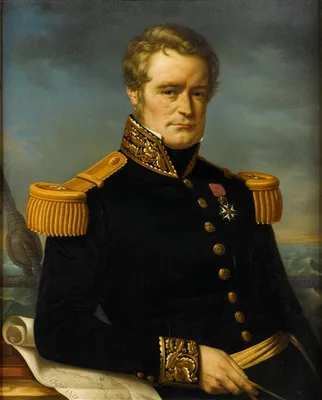
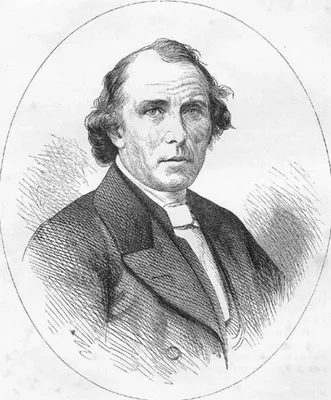
In 1836 King Louis-Philippe, enthusiastic for Southern Hemisphere exploration, sponsored Dumont d'Urville's plan for a circumnavigation focusing on the South Seas. D'Urville had already distinguished himself on two Pa…
1844
#2077.1
Rambles and recollections of an Indian official. 2 vols.
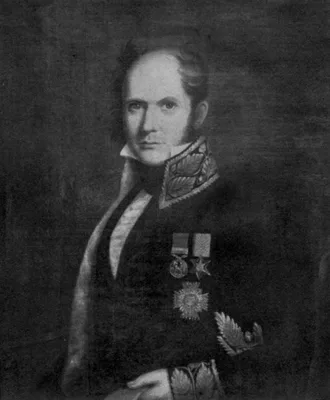
Lathyrism, a disease occuring in India, and parts of Africa, was known to Hippocrates. Sleeman, an Indian official and major general who presided over the suppression of Thuggee, had no special knowledge of medicine, …
1853
#7445
A narrative of travels on the Amazon and Rio Negro, with an account of the native tribes and observations on the climate, geology and natural history of the Amazon Valley.
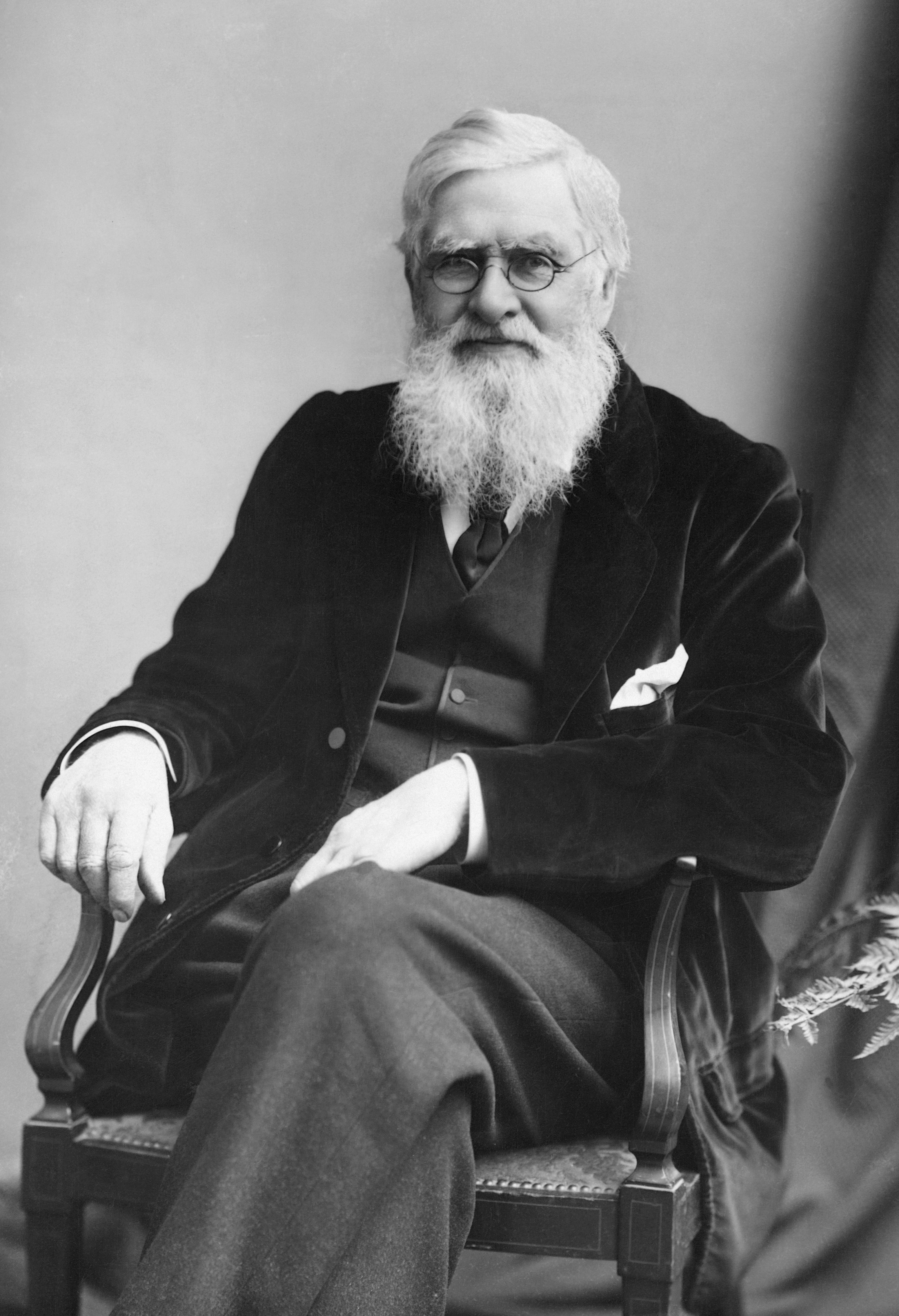
Digital facsimile from Google Books at this link.
1862
#11311
Health: Its friends and foes.
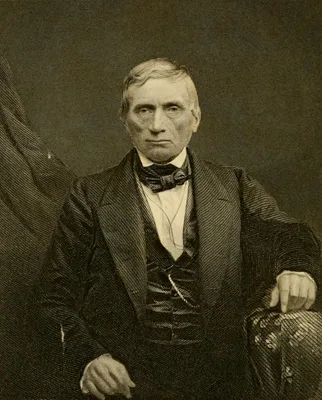
This work, which promoted vegetarianism and abstinence from tobacco along with other hygiene and overall health advice, was written as the author stated in his preface, "to meet the comprehension of the general reader…
1876
#10412
The people's medical advisor.
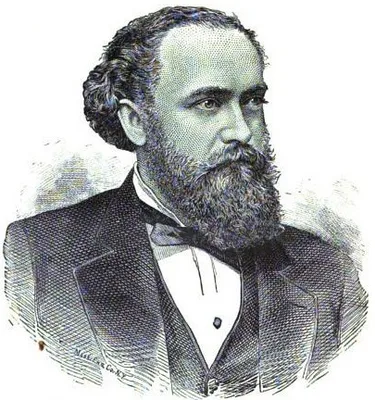
A graduate of the Eclectic Medical College in Cincinnati, Vaughn was a member of the New York State Senate (31st D.) in 1878 and 1879, and was elected as a Republican to the 46th United States Congress, holding office…
1896
#2000
Om anvendelse medicinen af koncentrerede kemiske lysstraaler.
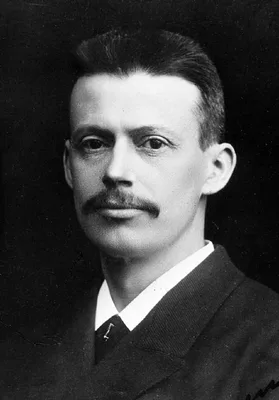
Finsen was the founder of modern phototherapy. He demonstrated the value of invisible light, the actinic or chemical ray, the ultra-violet ray, as therapeutic measures. Digital facsimile from wellcomecollection.org at…
1898
#2003
Sur une substance nouvelle radio-active, contenue dans la pechblende.
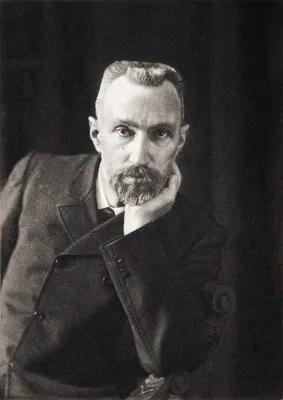
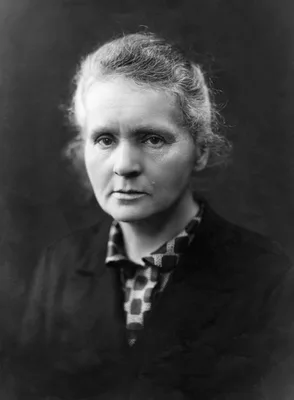
The Curies, studying the radioactivity of minerals containing uranium and thorium, isolated from pitchblend a substance which they called radium and which they showed to possess an astonishing degree of radioactivity.…
1900
#9475
The ethno-botany of the Coahuilla Indians.
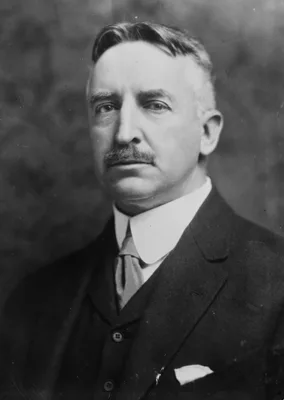
"The ʔívil̃uqaletem (or Ivilyuqaletem) are Native Americans of the inland areas of southern California.[2] Their original territory included an area of about 2,400 square miles (6,200 km2). The traditional Cahuilla te…
1902
#2590
De l’action anaphylactique de certains venins.
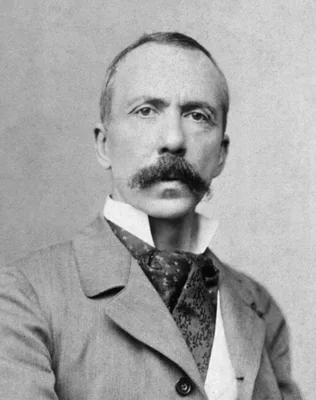
First full description of the phenomenon of “anaphylaxis,” the name of which was coined by Richet. Abbreviated English translation in Bibel, Milestones of immunology (1988). In 1913, Richet was awarded the Nobel Prize…
1918 –1919
#4806
Ueber die Einwirkung der Malaria auf die progressive Paralyse.
In 1917 Wagner von Jauregg returned to the idea of the inoculation of paretics with malaria to induce pyrexia, first proposed by him in 1887 (Ueber die Einwirkung fieberhafter Erkrankungen auf Psychosen, Jb. Psychiat.…
1922
#1910.1
On a remarkable bacteriolytic element found in secretions and tissues.
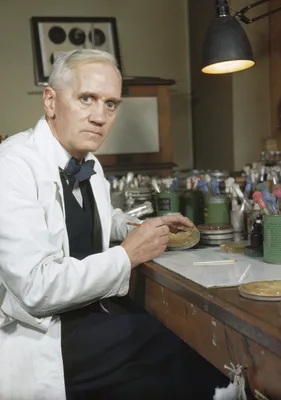
Lysozyme, an antimicrobial enzyme that is a component of secretions such as tears and saliva. Digital facsimile from royalsocietypublishing.org at this link
1923
#2117
Die Pfeilgifte, nach eigenen toxikologischen und ethnologischen Untersuchungen.
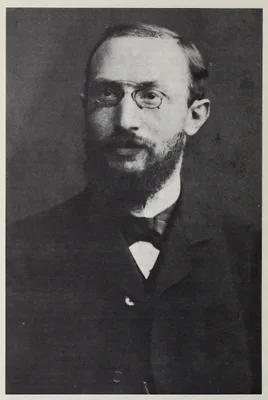
Digital facsimile from the Internet Archive at this link.
1923
#9333
The absorption and translocation of lead by plants: A contribution to the application of the method of radioactive indicators in the investigation of the change of substance in plants.
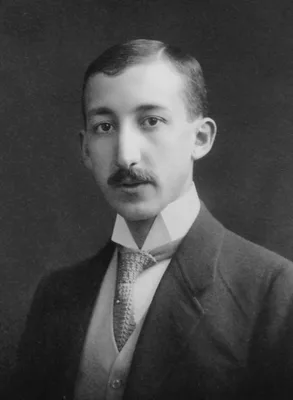
The first application of radioactive tracers in biological studies. Digital facsimile from PubMedCentral at this link. Hevesy received the 1943 Nobel Prize in Chemistry "for his work on the use of isotopes as tracers …
1929
#1933
On the antibacterial action of cultures of a penicillium, with special reference to their use in the isolation of B. influenzae.
Discovery of the growth-inhibiting action of Penicillium on certain bacteria. In 1945 Fleming shared the Nobel Prize in Physiology or Medicine with Ernst Boris Chain and Sir Howard Walter Florey "for the discovery of …
1932
#6460
Medicine among the American Indians.
Reprinted, New York, Hafner, 1962.
1932
#7003
The Swimmer manuscript. Cherokee sacred formulas and medicinal prescriptions, by James Mooney, revised, completed and edited by Frans M. Olbrechts. Smithsonian Institution, Bureau of American Ethnology Bulletin 99.
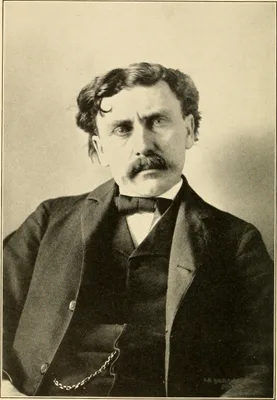
Digital facsimile from the Internet Archive at this link.
1933
#6621
Bouquet poëtique des médecins, chirurgiens, dentistes et apothicaires.
1935
#1949
Ein Beitrag zur Chemotherapie der bakteriellen Infektionen.
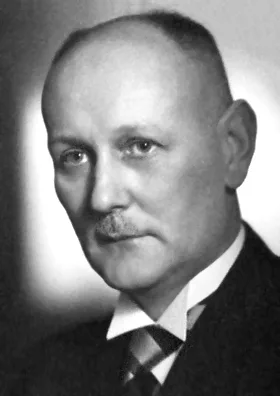
Introduction of Prontosil, the first drug containing sulfanilamide. In 1939 Domagk was awarded the Nobel Prize in Physiology or Medicine "for the discovery of the antibacterial effects of prontosil."
1936 –1949
#6430
Histoire générale de la médecine, de la pharmacie, de l’art dentaire et de l’art véterinaire. 3 vols.
This splendidly produced work, beautifully illustrated, was written by experts in each branch of the subject, with Laignel-Lavastine as general editor.
1937
#1925
Action protectrice des éthers phénoliques au cours de l’intoxication histaminique.
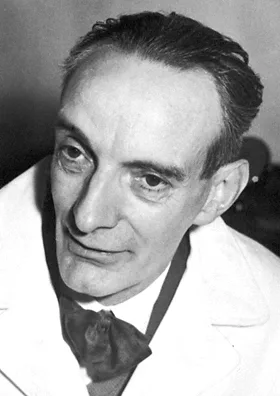
First description of structure and action of an antihistamine. In 1957 Bovet was awarded the Nobel Prize in Physiology or Medicine “for his discoveries relating to synthetic compounds that inhibit the action of certai…
1938
#13291
The peyote cult.
The history of the study of the cult, the various botanical questions surrounding peyote, its physiological action and the various ethnological, psychological and historical questions involved in its diffusion.
1940
#1934
Penicillin as a chemotherapeutic agent.
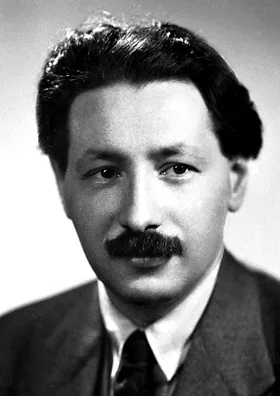
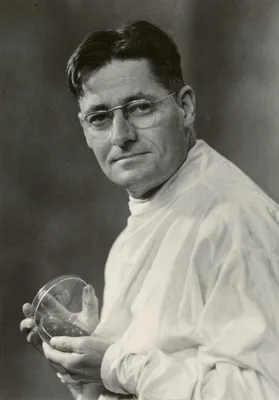
Proof of the therapeutic action in vivo of penicillin against streptococcal and other bacterial infections. Building upon Fleming’s work (No. 1933 and 10784), the consequences of which had originally been widely unapp…
1944
#1928.3
Über Konstitution und toxische Wirkung von natürlichen und neuen synthetischen insektentötenden Stoffen.
Müller introduced Dichlordiphenyltrichlorethane (DDT) as an insecticide. With H. Martin and P. Läuger. In 1948 Müller received the Nobel Prize in Physiology or Medicine "for his discovery of the high efficiency of DDT…
1944
#1935
Streptomycin, a substance exhibiting antibiotic activity against Grampositive and Gram-negative bacteria.
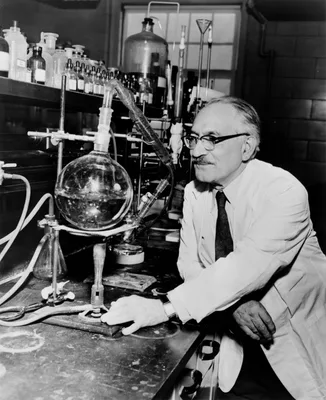
Introduction of streptomycin. Order of authorship: Schatz, Gregory, Waksman. In 1952 Waksman was awarded the Nobel Prize in Physiology or Medicine "for ingenious, systematic, and successful studies of the soil microbe…
1957
#14250
3,4-Dihydroxyphenylalanine and 5-Hydroxytryptophan as reserpine rntagonists.
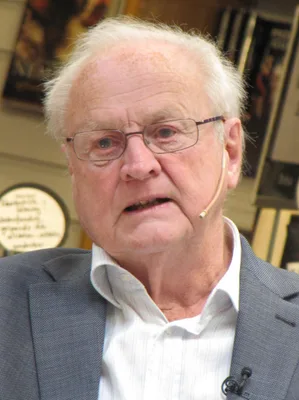
Carlsson demonstrated that dopamine was a neurotransmitter in the brain and not just a precursor for norepinephrine. Digital facsimile from nature.com at this link. In 2000 Arvid Carlsson shared the Nobel Prize in Phy…
1958
#1931.6
Enzymatic O-methylation of epinephrine and other catechols.
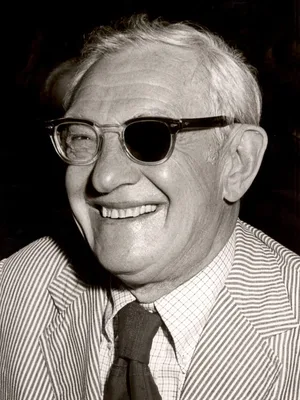
The authors discovered the enzyme "COMT" or cathecol-O-methyltransferase, and determined that it was crucial in the methylation and inactivation of adrenergic and other catecholamine type neurotransmitters. (Thanks to…
1964
#1931.5
A new adrenergic beta-receptor antagonist.
Development of Propranolol, the first beta-blocker effectively used in the treatment of coronary heart disease and hypertension. R. G. Shanks, L. H. Smith and A. C. Dornhorst. In 1988 the Nobel Prize in Physiology or …
1971
#10857
Peyote: an account of the origins and growth of the Peyote religion.
"The Peyote religion is a medico-religious cult. In considering native American medicines, one must always bear in mind the difference between the aboriginal concept of a medicinal agent and that of our modern Western…
1971
#13958
Inhibition of prostaglandin synthesis as a mechanism of action for aspirin-like drugs.
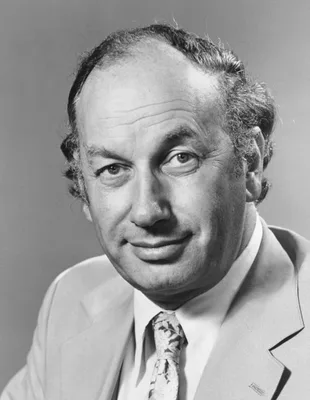
In 1982 Vane shared the Nobel Prize in Physiology or Medicine with Sune Bergström and Bengt Samuelsson for "their discoveries concerning prostaglandins and related biologically active substances."
1972
#9021
A medicine-man's implements and plants in a Tiahuanacoid tomb in highland Bolivia, (Etnologiska studier, 32). Edited by Henry Wassén.
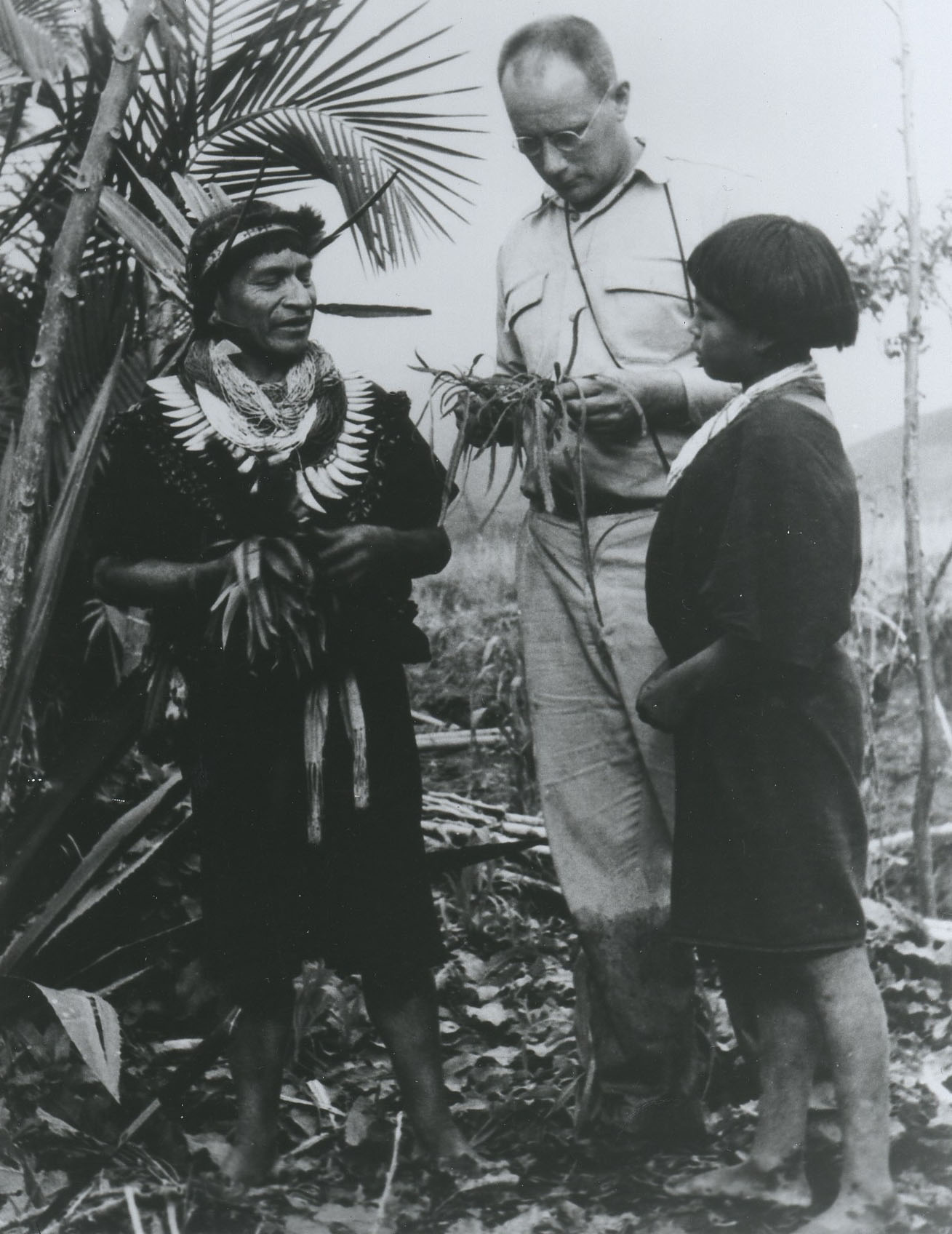
Tiwanaku (Tiahuanaco or Tiahuanacu) is a Pre-Columbian archaeological site in western Bolivia. The first reference to the site in modern history was recorded by Spanish conquistador Pedro Cieza de León, who came upon …
1973
#10735
Hallucinogens and Shamanism edited by Michael Harner.
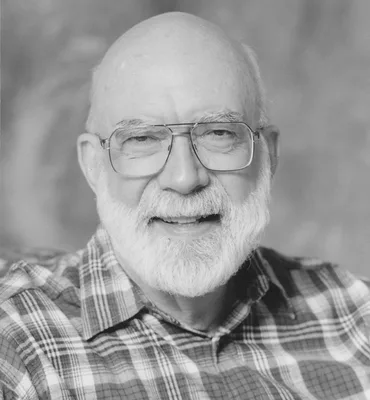
Includes Harner's "The Role of Hallucinogenic Plants in European Witchcraft".
1975
#2578.43
Continuous cultures of fused cells secreting antibody of predefined specificity.
Hybridomas. In 1984 Köhler and Milstein shared the Nobel Prize in Physiology or Medicine with Niels K. Jerne, "for theories concerning the specificity in development and control of the immune system and the discovery …
1979
#12630
Avermectins, new family of potent anthelmintic agents: Producing organism and fermentation.
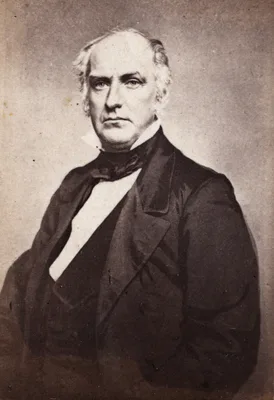
The authors, lead by Omura, announced the discovery of Streptomyces avermilitis. They described the structure of avermectin, and reported preliminary observations that this drug is antiparasitic. (Order of authorship …
1979
#12631
Avermectins, new family of potent anthelminthic agents, efficacy of the B1a component.
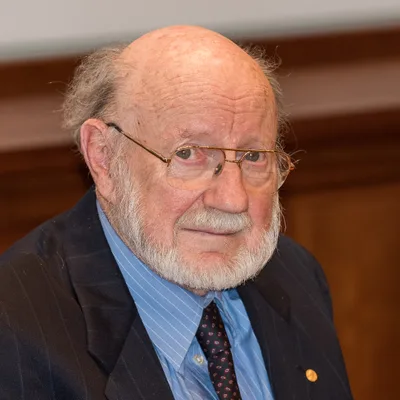
Campbell and colleagues reported unprecedented antiparasitic effects of the agent in vivo, and that the "B1a" component of the molecule was most effective as a single oral dose. (Order of authorship in the original pu…