
Facets
Browse across eight MeSH (opens in new tab) facets — era, geography, science, specialty, technology, history, culture, and reference. Select one tag per group; counts update across the others. What’s new in facet browse how facets relate to subjects and MeSH.
Clear filtersFacet filters
Geography
Specialties & Disease
- Anatomy & Pathology 134
- Cardiology & Blood 11
- Neurology & Psychiatry 35
- Obstetrics & Reproductive 26
- Infectious Disease (General) 5
- Surgery & Anesthesia 14
- Public Health 129
- Immunology & Dermatology 38
- General Clinical Medicine 28
- Military Medicine 11
- Psychology 16
- Alternative & Fringe Medicine 17
- Pediatrics 5
- Ophthalmology & Vision 2
- ENT & Hearing 3
- Urology & Nephrology 4
- Gastroenterology & Hepatology 4
- Pulmonary & Respiratory 3
- Rheumatology, Rehab & Pain 0
- Internal, Emergency & Geriatric 7
- Veterinary Medicine 11
- Epidemiology & Demography 12
- Physiology & Embryology 94
- Dentistry 10
- Plagues & Epidemics 44
- Microbiology & Virology 92
Social & Historical Studies
Institutions & Culture
Reference & Scholarly Works
Drugs & Technology
28 entries match General Clinical Medicine [G02] · Zoology & Animal Sciences [K01.900.500.750]
1545
#378
De dissectione partium corporis humani.
De dissectione partium corporis humani libri tres by French physician, writer, and translator, Charles Estienne, of the Estienne printing dynasty, is one of the most interesting woodcut books of the French Renaissance…
1630
#259
Persio tradotto.
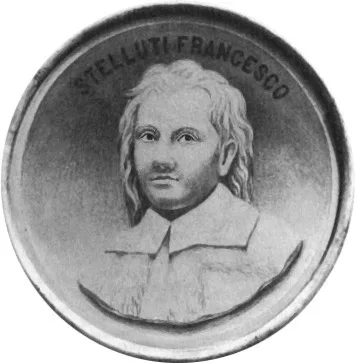
The first book to contain illustrations of natural objects as seen through the microscope— specifically an engraving of the exterior surface of bees. The work includes the Latin text of the Satyrae VI of Aulus Persius…
1656
#8591
Flora sinensis, fructus floresque humillime porrigens serenissimo et potentissimo Leopoldo Ignatio, Hungariae regi florentissimo, &c. Fructus saecul promittenti Augustissimos.
The first description published in Europe of an ecosystem of the Far East, including animals as well as plants, with particular attention to Chinese fruit bearing plants, and medicinal properties of Chinese plants. Di…
1665
#262
Micrographia, or some physiological descriptions of minute bodies made by magnifying glasses; with observations and inquiries thereupon.
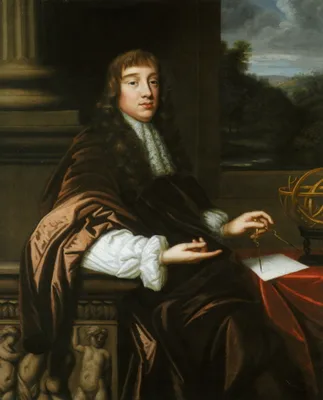
Hooke, at one time research assistant to Robert Boyle, was one of the greatest inventive geniuses of all time. This was the first book devoted entirely to microscopical observations, and also the first book to pair it…
1686 –1718
#265
Ontledingen en ontdekkingen.... 6 vols.
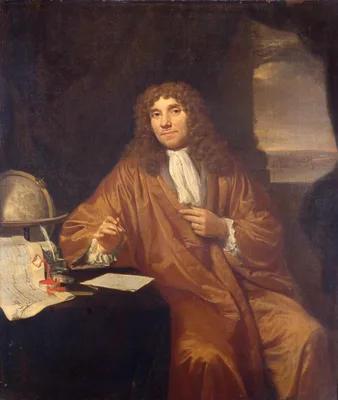
Leeuwenhoek, one of the first and also one of the greatest of the microbiologists, communicated many of his discoveries to the Royal Society in London. This set is a collection in Dutch of many contributions that van …
1691
#264
Observationes circa viventia, quae in rebus non viventibus reperiuntur. Cum micrographia curiosa siue Rerum minutissimarum obseruationibus, quæ ope microscopij recognitæ ad viuum exprimuntur. His accesserunt aliquot animalium testaceorum icones non antea in lucem editae. Omnia curiosorum naturæ exploratorum vtilitati & iucunditati expressa & oblata.
Illustrates several early microscopes, including the famous microscopes of the Bolognese Joseph Campani. Contradicting Redi, Bonanni tried to show that spontaneous generation was possible in animals "without blood and…
1762
#305
Traité anatomique de la chénille, qui ronge le bois de saule. Augmenté d'une explication abrégée des planches, et d'une description de l'instrument et des outils dont l'auteur s'est servi pour anatomiser à la loupe et au microscope, & pour déterminer la forcer de ses verres, suivant les règles de l'optique, & méchaniquement.
Lyonet’s monograph on the goat moth caterpillar remains a famous example of anatomical examination. It is also a thorough treatise on the microscope and lenses that Lyonet used. Digital facsimile from Biodiversity Her…
1777
#145.53
Specimen zoologiae geographicae, quadrupedem domicilia et migrationes sistens dedit, tabulamque mundi zoographicam adjunxit.
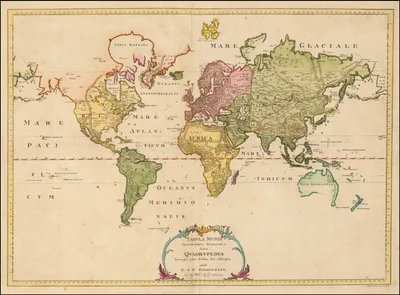
The first textbook of zoogeography, containing the first world map showing the distribution of mammals. French translation of part 1 only by Jakob Mauvillon: Zoologie géographique. Premier article, L'homme (Cassel: Im…
1778 –1793
#8222
Geographische Geschichte des Menschen und der allgemein verbreiteten vierfüßigen Thiere: nebst einer hieher gehörigen Zoologischen Weltcharte. 3 vols.
Digital facsimile from the Bayerische StaatsBibliothek at this link.
1876
#145.6
The geographical distribution of animals. 2 vols.
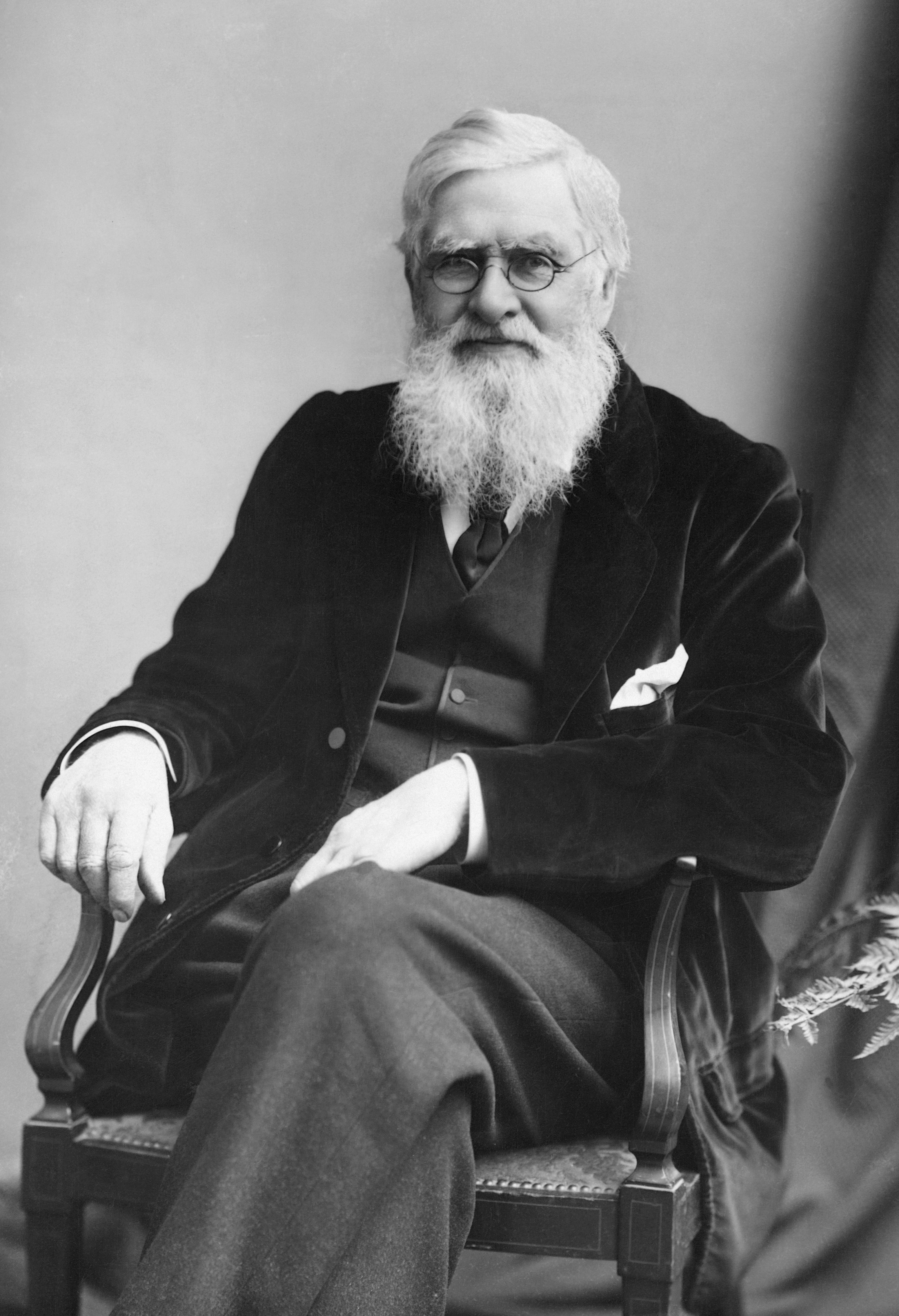
"In 1872, at the urging of many of his friends, including Darwin, Philip Sclater, and Alfred Newton, Wallace began research for a general review of the geographic distribution of animals. He was unable to make much pr…
1911 –1916
#365
Leonardo da Vinci: Quaderni d’anatomia I-VI. Fogli della Royal Library di Windsor, pubblicati da Ove C.L. Vangensten, A. Fonahn, H. Hopstock. 6 vols.
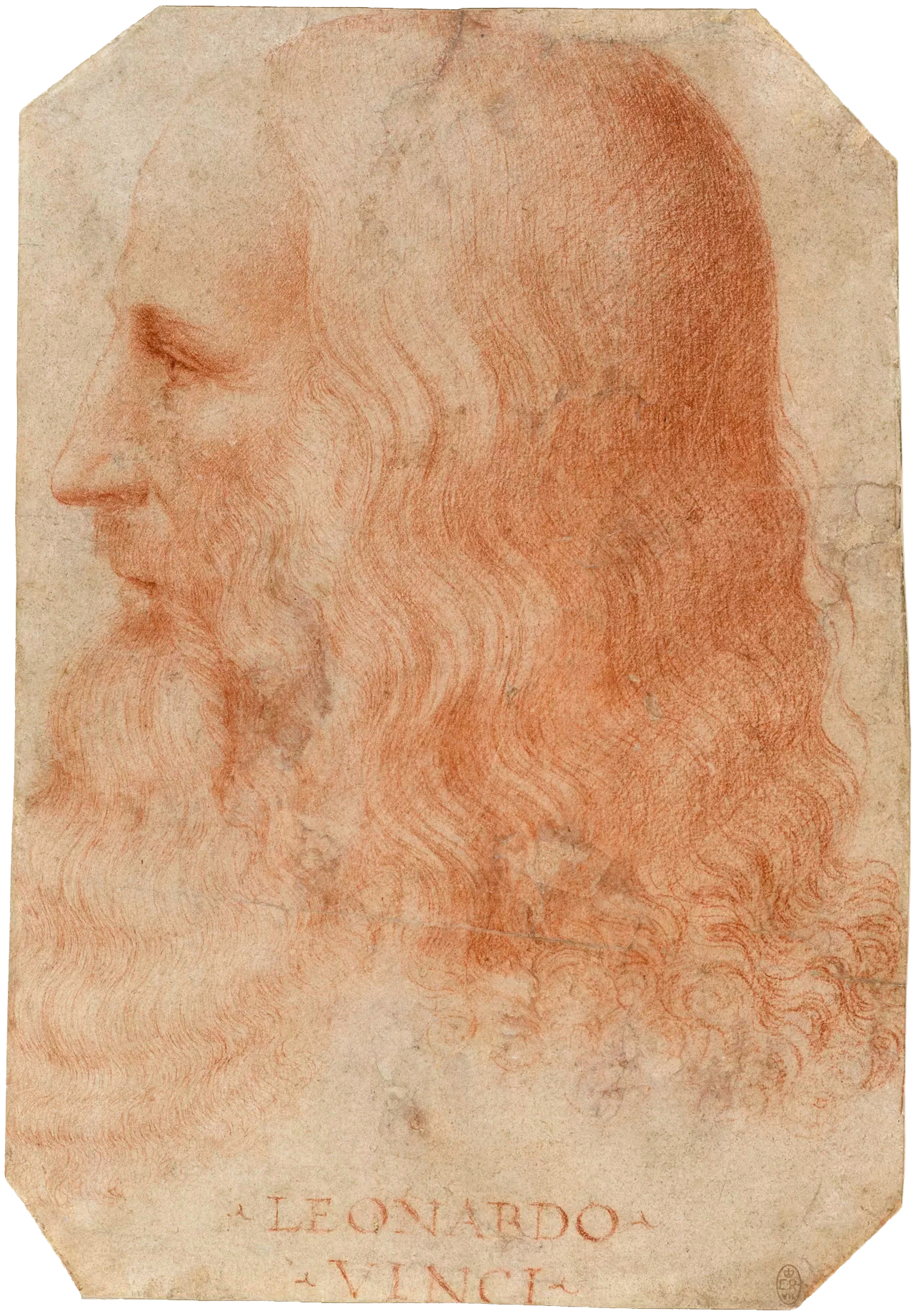
Leonardo, “the greatest artist and scientist of the Italian Renaissance, was the founder of iconographic and physiologic anatomy” (Garrison). He made over 750 sketches of all the principal organs of the body, drawings…
1929
#13079
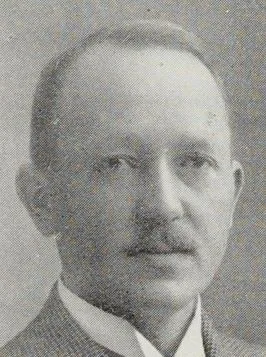
Pathfinders: A history of the progress of colored graduate nurses. With biographies of many prominent nurses.
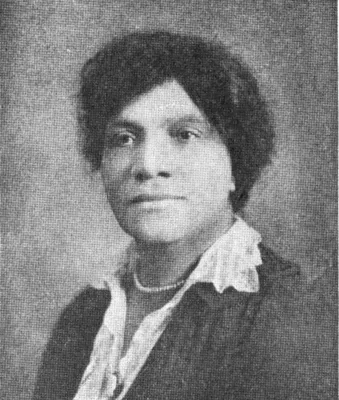
Digital facsimile from the Hathi Trust at this link.
1952
#366
Leonardo da Vinci on the human body. The anatomical, physiological, and embryological drawings of Leonardo da Vinci. With translations, emendations, and biographical introduction by Charles D. O'Malley and J. B. de C. M. Saunders.
Includes 215 plates.
1961
#12015
No time for prejudice: A story of the integration of negroes in nursing in the United States.
Primarily a history of the National Association of Colored Graduate Nurses [NACGN], which existed for the express purpose of "promoting unity within the nursing profession and furthering the cause of democracy." Integ…
1969
#6610.8
Das Bild des Kranken. Die Darstellung äusserer Veränderungen Durch innere Leiden und ihrer Heilmassnahmen von der Renaissance bis in unsere Zeit.
1975
#14182
Three-dimensional model of purple membrane obtained by electron microscopy.
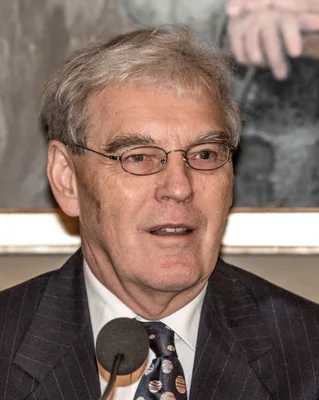
The invention of Cryogenic electron microscopy (cryo-EM). The novel technique was achieved by "by applying the method to tilted specimens, and using the principles put forward by De Rosier and Klug (GM - 13935), for t…
1980
#366.1
Corpus of the anatomical studies in the collection…at Windsor Castle. Edited by K.D. Keele and C. Pedretti. 3 vols.
Splendid edition reproducing all of the drawings in color, and with the original chronology and integrity of the drawings restored. Text provides transliteration of Leonardo’s notes in the original Italian plus Englis…
1981
#14183
Computer averaging of electron micrographs of the 405 ribosomal subunit.
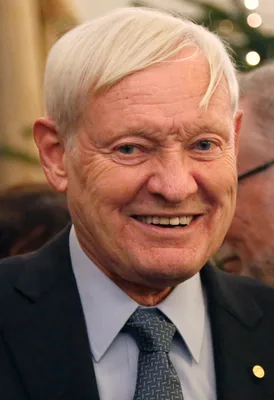
Frank and colleagues developed a method that allows sorting of particle images into classes based on their orientation, as well as their structural features. Specifically Frank developed mathematical tools used for im…
1984
#14184
Cryo-electron microscopy of viruses.
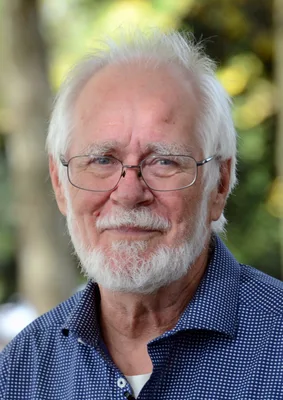
Dubochet and colleagues introduced "Dubochet's vitrification method" to vitrify water by cooling it so rapidly that it solidified to form a glass instead of crystals. Using this method, the authors published the first…
1986
#8088
The path we tread: Blacks in nursing, 1854-1984.
1989
#8087
Black women in white: Racial conflict and cooperation in the nursing profession, 1890-1950.
1996
#6985
Views of the cell. A pictorial history.
Sixty images (reproduced in color where appropriate) with detailed commentary and bibliographical references, arranged in chronological order, from the first images viewed through the microscope to electron micrographs.
1999
#7032
Taking positions. On the erotic in Renaissance culture.
Of particular relevance to the history of medical literature is Chapter 8: "Mythology, Sexuality, and Science in Charles Estienne's Manual of Anatomy" (pp. 161-188). This refers to Estienne's De dissectione partium co…
1999
#13080
Early black American leaders in nursing: Architects for integration and quality. (National League for Nursing Series).
2003
#12195
Human survival: Life and death in extreme environments.
2004
#10508
Mapping the Victorian social body.
"The cholera epidemics that plagued London in the nineteenth century were a turning point in the science of epidemiology and public health, and the use of maps to pinpoint the source of the disease initiated an explos…
2005
#9983
Antike Medizin: Ein Lexikon.
2020
#14185
Single particle cryo-EM at atomic resolution.
The authors located individual atoms with a protein molecule for the first time using cryo-EM. This was the highest resolution imaging of a single protein molecule achieved to date using cryo-EM. Order of authorship o…