
Facets
Browse across eight MeSH (opens in new tab) facets — era, geography, science, specialty, technology, history, culture, and reference. Select one tag per group; counts update across the others. What’s new in facet browse how facets relate to subjects and MeSH.
Clear filtersFacet filters
Geography
Specialties & Disease
- Anatomy & Pathology 18
- Cardiology & Blood 20
- Neurology & Psychiatry 8
- Obstetrics & Reproductive 0
- Infectious Disease (General) 0
- Surgery & Anesthesia 2
- Public Health 19
- Immunology & Dermatology 28
- General Clinical Medicine 8
- Military Medicine 4
- Psychology 0
- Alternative & Fringe Medicine 2
- Pediatrics 1
- Ophthalmology & Vision 5
- ENT & Hearing 1
- Urology & Nephrology 4
- Gastroenterology & Hepatology 10
- Pulmonary & Respiratory 19
- Rheumatology, Rehab & Pain 2
- Internal, Emergency & Geriatric 0
- Veterinary Medicine 0
- Epidemiology & Demography 0
- Physiology & Embryology 53
- Dentistry 1
- Plagues & Epidemics 14
- Microbiology & Virology 13
Social & Historical Studies
Institutions & Culture
Reference & Scholarly Works
Drugs & Technology
19 entries match Pulmonary & Respiratory [C08] · Chemistry & Biochemistry [K01.900.200]
1660
#914
New experiments physico-mechanical touching the spring of the air.
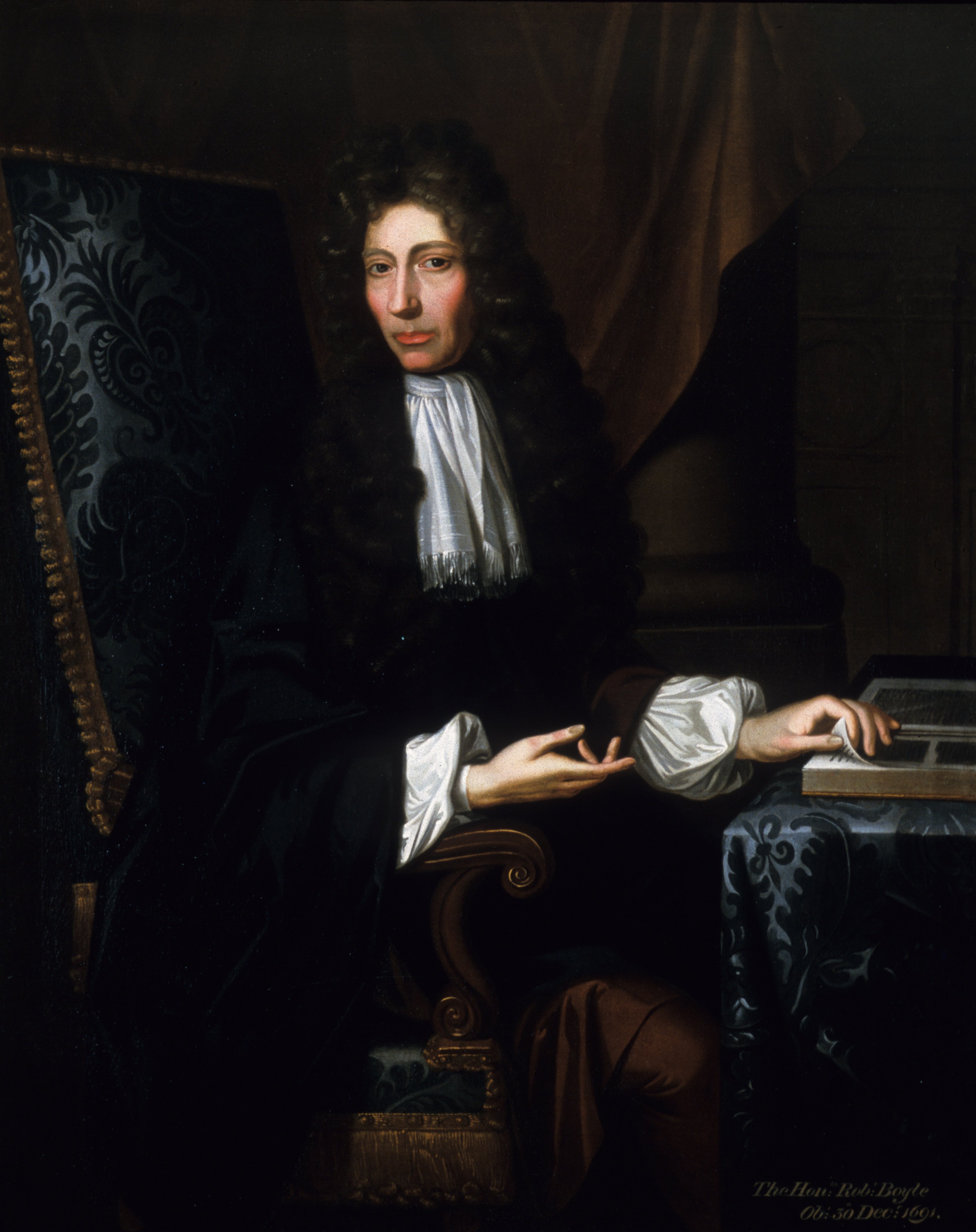
Boyle showed the effects of the elasticity, compressibility, and weight of air. He investigated the function of air in respiration, combustion, and conveyance of sound. Most significantly Boyle demonstrated that air i…
1754
#919
Dissertatio medica inauguralis de humore acido a cibis orto, et magnesia alba.
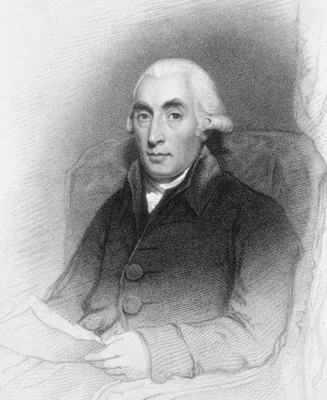
Isolation of carbon dioxide. English translation, Minneapolis, 1973.
1772
#920
Observations on the different kinds of air.
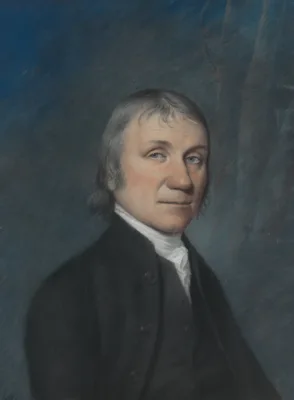
The isolation of oxygen was first achieved by Priestley. He also demonstrated that plants immersed in water give off oxygen and that this gas is essential for animal life.
1772
#921
De aëre fixo dicto, aut mephitico.
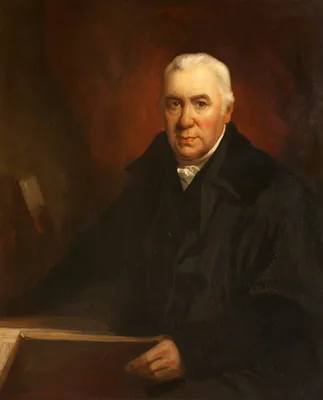
Discovery of nitrogen.
1778
#922
Mémoire sur la nature du principe qui se combine avec les métaux pendantleur calcination, et qui en augmente le poids.
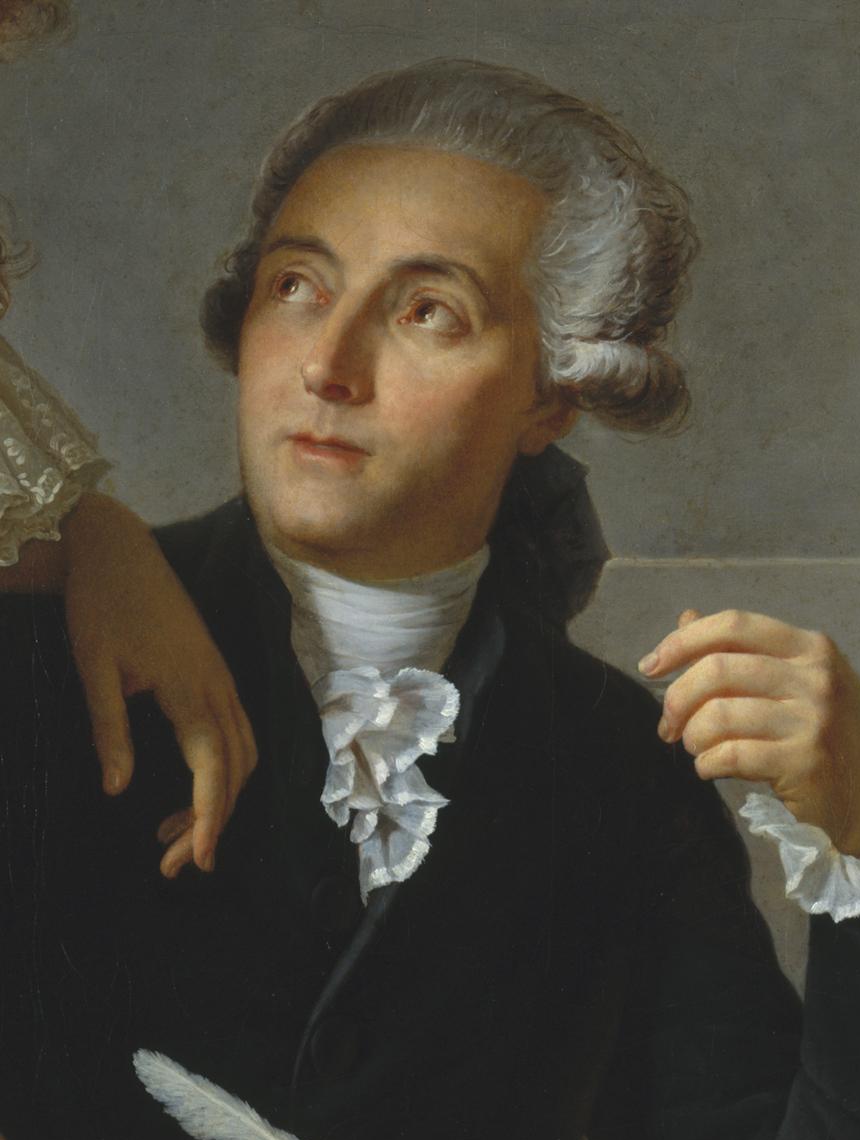
Although Priestley isolated oxygen, it was Lavoisier who discovered its real significance. He showed the true nature of the interchange of gases in the lungs and exploded Stahl’s phlogiston theory. Lavoisier was guill…
1784
#925
Experiments on air.
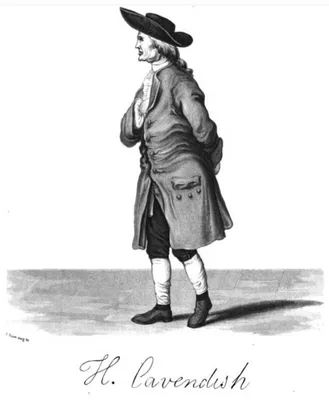
Cavendish isolated hydrogen in 1766, and later demonstrated the composition of air.
1784
#592
Mémoire sur la chaleur.
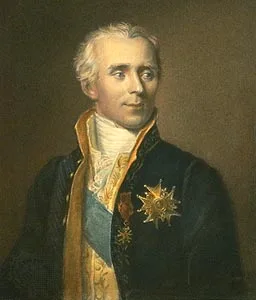
These workers invented an ice calorimeter, with it measured the respiratory quotient of a pig, and demonstrated the analogy between respiration and combustion.
1784
#923
Mémoire sur la formation de l’acide, nommé air fixe ou acide crayeux, et que je désignerai désormais sous le nom d’acid du charbon.
1785
#924
Mémoire sur l’affinité du principe oxygine avec les différentes substances auxquelles il est susceptible de s’unir.
1793
#594
Premier mémoire sur la respiration des animaux.
Séguin and Lavoisier measured the metabolism of a man (Séguin himself). They made three observations of fundamental importance in this respect; that the intensity of oxidation in man is dependent upon (1) food, (2) en…
1856
#22
Тα ∑ωζομενα. The extant works of Aretaeus, the Cappadocian. Edited and translated by Francis Adams.
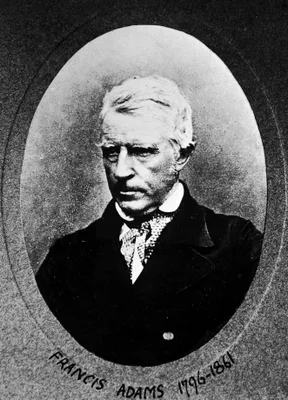
Aretaeus left many fine descriptions of disease; in fact Garrison ranks him second only to Hippocrates in this respect. In the printed editions of this bibliography, before the present online version, the Adams editio…
1862 –1863
#938
Untersuchungen über die Respiration.
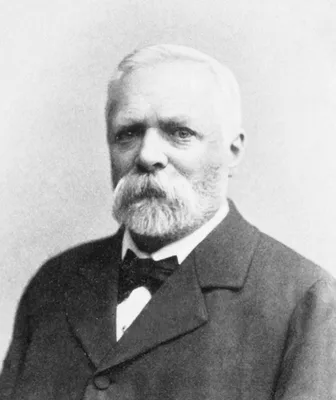
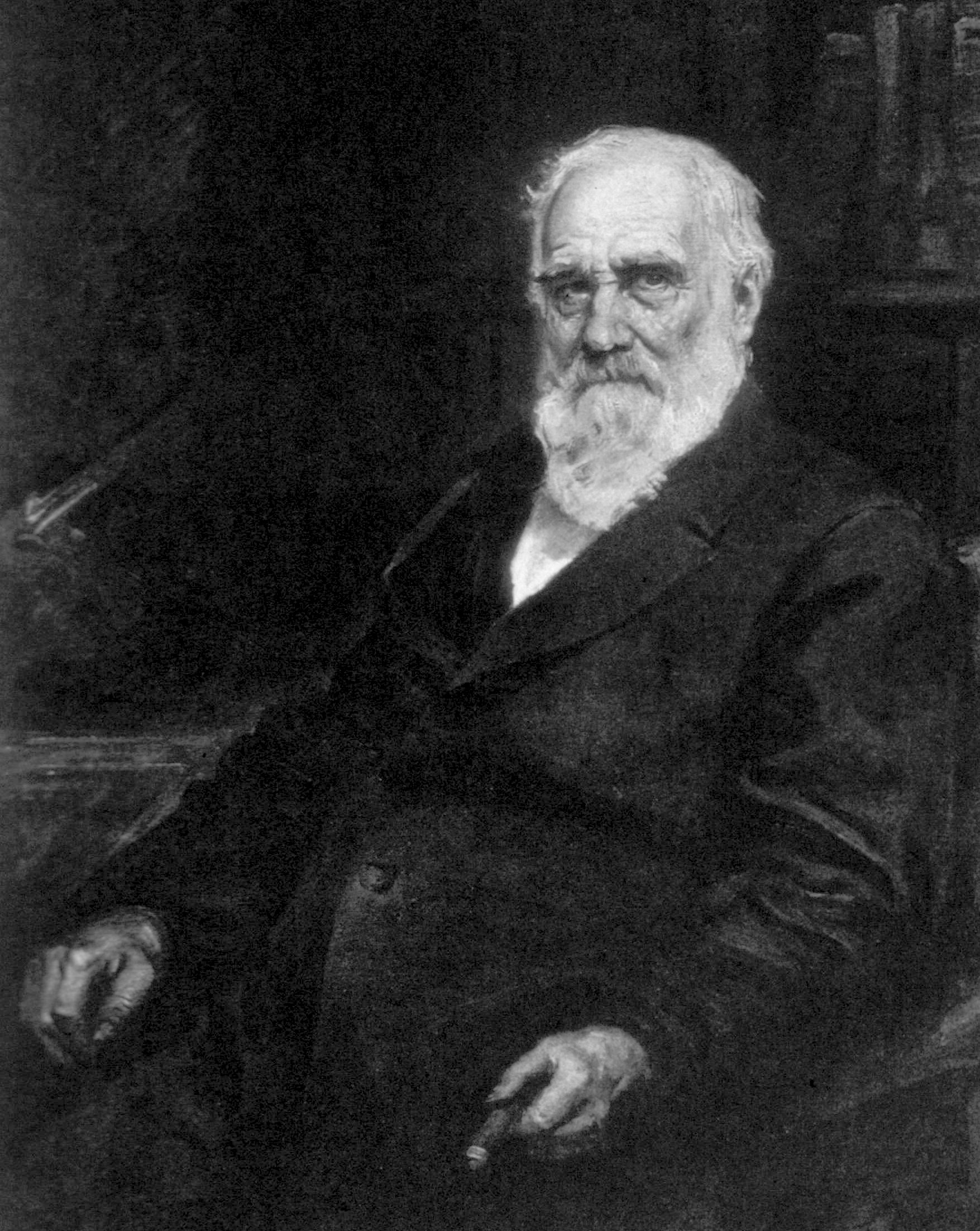
The first combined feeding–respiration experiments. Pettenkofer and Voit devised an apparatus for their important experiments on respiration and metabolism. They were first to estimate the amounts of protein, fat, and…
1875
#943.1
Influence de la pression de l’air sur la vie de l’homme. Climats d'altitude et climats du montagne. 2 vols.
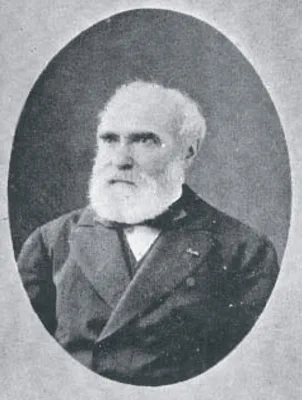
Jourdanet’s observational work in remote areas of Latin America and Asia produced important evidence for Bert’s proof that altitude sickness is due to anoxemia. In La pression barométrique (No. 944) Bert described how…
1878
#944
La pression barométrique. Recherches de physiologie expérimentale.
The most famous work in the history of altitude physiology, in which Bert proved that the principal symptoms of altitude sickness arise from reduced partial pressure of oxygen and not from diminution of total pressure…
1897
#950
Fisiologia dell’uomo sulle Alpi. Studii fatti sul Monte Rosa.
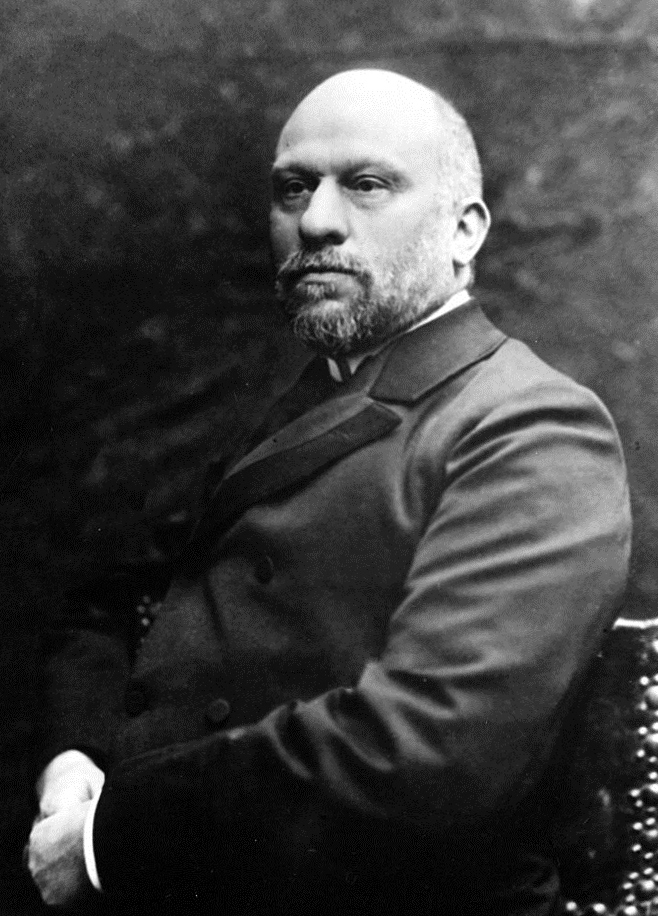
Mosso made important investigations on respiration at high altitudes. He considered that the respiratory symptoms produced at high altitudes were due to lack of carbon dioxide. English translation, London, 1898.
1922
#961
Respiration.
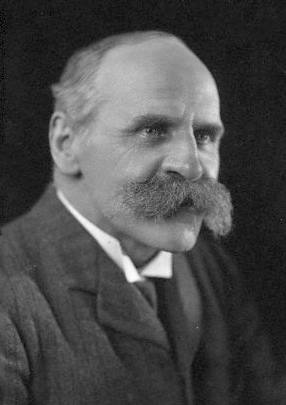
An account of the work of the Oxford School of Physiology, in particular the Pike’s Peak expedition (No. 957). Second edition, 1935, with J. G. Priestley.
1929
#969
Ueberden Absorptionsspektrum des Atmungsferments.
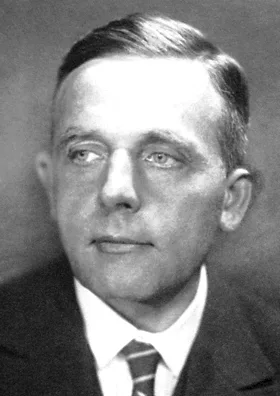
Warburg discovered the nature and function of the respiratory ferment. In 1931 Warburg was awarded the Nobel Prize in Physiology or Medicine "for discovery of the nature and mode of action of the respiratory enzyme."
1933
#971
Carbonic anhydrase: Its preparation and properties.
Isolation of carbonic anhydrase.
1943
#12192
Barometric pressure: Researches in experimental physiology. Translated from the French by Mary Alice Hitchcock and Fred A. Hitchcock. [Foreward by John F. Fulton].
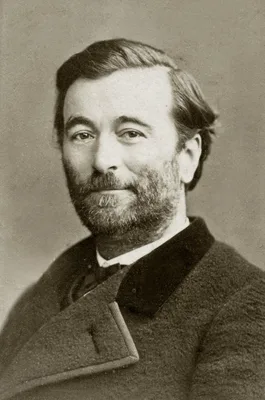
Digital facsimile from the Internet Archive at this link.