
Facets
Browse across eight MeSH (opens in new tab) facets — era, geography, science, specialty, technology, history, culture, and reference. Select one tag per group; counts update across the others. What’s new in facet browse how facets relate to subjects and MeSH.
Clear filtersFacet filters
Geography
Specialties & Disease
- Anatomy & Pathology 6
- Cardiology & Blood 0
- Neurology & Psychiatry 2
- Obstetrics & Reproductive 0
- Infectious Disease (General) 0
- Surgery & Anesthesia 0
- Public Health 3
- Immunology & Dermatology 0
- General Clinical Medicine 0
- Military Medicine 1
- Psychology 0
- Alternative & Fringe Medicine 0
- Pediatrics 0
- Ophthalmology & Vision 0
- ENT & Hearing 1
- Urology & Nephrology 0
- Gastroenterology & Hepatology 0
- Pulmonary & Respiratory 0
- Rheumatology, Rehab & Pain 0
- Internal, Emergency & Geriatric 0
- Veterinary Medicine 0
- Epidemiology & Demography 2
- Physiology & Embryology 2
- Dentistry 3
- Plagues & Epidemics 1
- Microbiology & Virology 2
Social & Historical Studies
Institutions & Culture
Reference & Scholarly Works
Drugs & Technology
95 entries match Professions & Education [M01 / N02] · Natural History & Evolution [K01.900.500]
1469
#89
Historia naturalis, libri XXXVII.
The most ancient Western encyclopedia extant, Pliny’s Historia contained essentially all that was known in his time concerning geography, mineralogy, anthropology, botany, zoology and meteorology. Books XX-XXXII deal …
1632
#287
Thaumatographia naturalis, in decem classes distincta, in quibus admiranda 1 Coeli. 2 Elementorum. 3 Meteororum. 4 Fossilium. 5 Plantarum. 6 Avium. 7 Quadrupedum. 8 Exanguium. 9 Piscium. 10 Hominis.
A unillustrated pocket guide, issued in duodecimo format on "admiranda" or wonders of nature organized in ten categories (heaven, earth, and topics relating to meteors, fossils or minerals, plants, birds, quadrupeds, …
1655
#10146
Prae-Adamitae, sive exercitatio super versibus duodecimo, decimotertio, & decimoquarto, capitis quinti Epistolae D. Pauli ad Romanos: Quibus inducuntur primi homines ante Adamum conditi.
"In his Prae-Adamitae, published in Latin in 1655 and in English as Men Before Adam in 1656, La Peyrère argued that Paul's words in Chapter 5, verses 12-14 of his Epistle to the Romans should be interpreted such that …
1677
#215
The primitive organization of mankind considered and examined according to the light of nature.
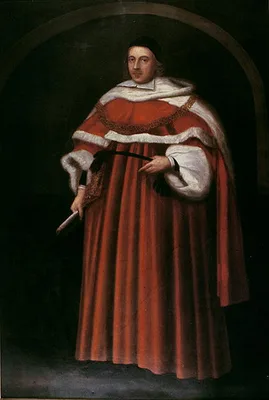
In response to Isaac de la Peyrere‘s theory of polygenesis, Hale, Chief Justice of the King’s Bench, advanced his own theory that the earth was not eternal, but rather had a spontaneous “beginning,” and defended “the …
1735
#8483
A voyage to Guinea, Brasil and the West Indies; in His Majesty's ships, the Swallow and Weymouth: Describing the several islands and Settlements, viz, Madeira, the Canaries, Cape de Verd, Sierraleon, Sesthos, Cape Apollonia, Cabo Corso, and others on the Guinea coast; Barbadoes, Jamaica, &c. in the West-Indies; the colour, diet, languages, habits, manners, customs, and religions of the respective natives, and inhabitants. With remarks on the gold, ivory, and slave-trade; and on the winds, tides and currents of the several coasts.
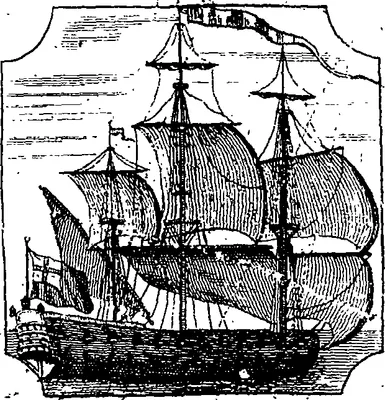
Atkins, surgeon on the voyage, included information about the slave trade and the natural history of the Gold Coast. "Atkins describes the manatee accurately, and tells much about fetish worship. He shows that there w…
1769
#5304
Essay on the natural history of Guiana, in South America. Containing a description of many curious productions in the animal and vegetable systems of that country. Together with an account of the religion, manners, and customs of several tribes of its Indian inhabitants. Interspersed with a variety of literary and medical observations. In several letters....
Bancroft was an English physician who lived for many years in South America. He noted the transmission of yaws by flies (p. 385 of his book). Digital facsimile from the Internet Archive at this link.
1775
#7505
The history of the American Indians; particularly those nations adjoining to the Missisippi [sic] East and West Florida, Georgia, South and North Carolina, and Virginia: containing an account of their origin, language, manners, religious and civil customs, laws, form of government, punishments, conduct in war and domestic life, their habits, diet, agriculture, manufactures, diseases and method of cure... With observations on former historians, the conduct of our colony governors, superintendents, missionaries, & c. Also an appendix, containing a description of the Floridas, and the Missisippi [sic] lands, with their productions--the benefits of colonizing Georgiana, and civilizing the Indians--and the way to make all the colonies more valuable to the mother country....
The author characterized himself on the title page as "a Trader with the Indians and a Resident in their Country for Forty Years." Digital facsimile from the Internet Archive at this link.
1785
#11450
Notes on the State of Virginia; written in the year 1781, somewhat corrected and enlarged in the winter of 1782, for the use of a foreigner of distinction, in answer to certain queries proposed by him.
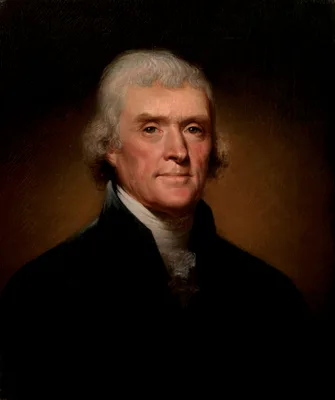
Jefferson wrote Notes on the State of Virginia in response to a series of questions sent in 1781 to various members of the Continental Congress by François Barbé-Marbois, then secretary to the French legation at Phila…
1790 –1811
#157
Beyträge zur Naturgeschichte. 2 pts.
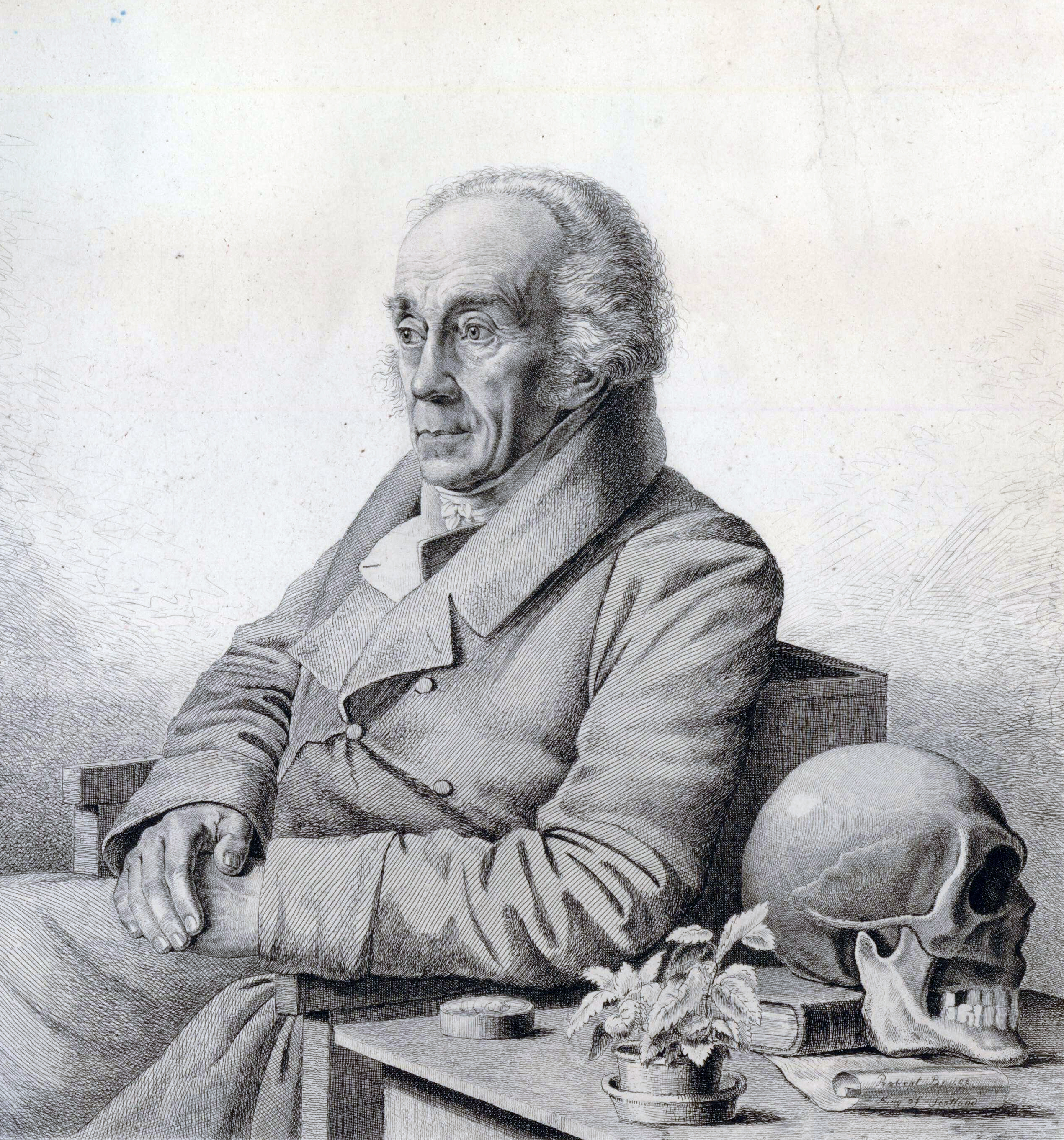
English translation, London, 1865.
1790
#7657
A companion to the museum, (Late Sir Ashton Lever's) removed to Albion Street, the Surry end of Black Friar's Bridge.
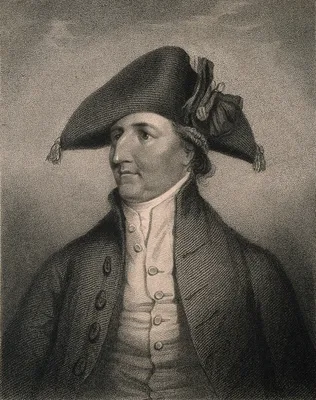
A room by room, case by case guide to Lever's celebrated museum of natural history and ethnography, authorshop of which is unidentified. Digital facsimile from Google Books at this link.
1791
#7770
Travels through North & South Carolina, George, East & West Florida, the Cherokee country, the extensive territories of the Muscogulges, or Creek confederacy, and the country of the Chactaws [sic]...
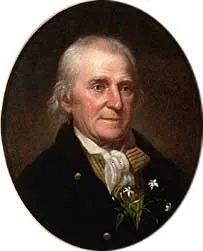
Digital facsimile of London, 1794 second edition from the Internet Archive at this link.
1798
#1693
An essay on the principle of population, as it affects the future improvement of society.
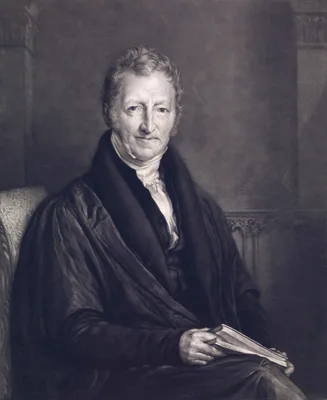
Malthus laid down the principle that populations increase in geometrical ratio, but that subsistence increases only in arithmetical ratio. He argued that a stage is reached where increase of populations must be limite…
1813
#159
Researches into the physical history of man.
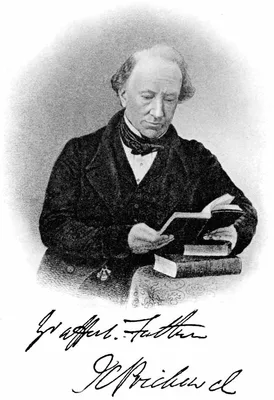
Prichard, a Bristol physician, classified and systematized facts relating to the races of men better than any previous writer. His interest in anthropology was stimulated by one of the pressing questions of his day: D…
1818
#216.2
Two essays: upon single vision with two eyes; the other on dew…An account of a female of the white race of mankind, part of whose skin resembles that of a negro…
First statement of the theory of natural selection. Wells’s paper on a white woman with patchy brown discoloration of the skin contains an almost complete anticipation of Darwin’s theory of natural selection, although…
1819
#11240
Lectures on physiology, zoology and the natural history of man.
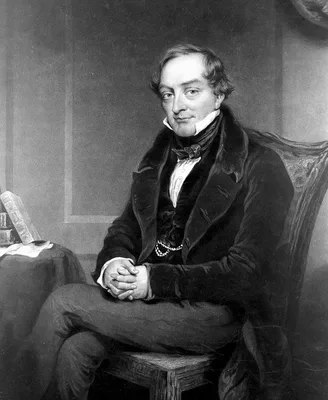
This work set forth Lawrence's then radical and remarkably advanced ideas concerning evolution and heredity. Arguing that theology and metaphysics had no place in science, Lawrence relied instead on empirical evidence…
1821
#7772
A journal of travels into the Arkansas territory, during the year 1819. With occasional observations on the manners of the aborigines. Illustrated by a map and other engravings.
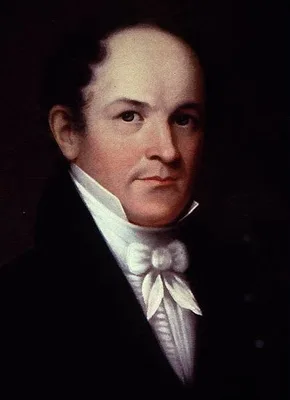
Nuttall travelled from Philadelphia, down the Ohio and Mississippi rivers to the Arkansas. From there he travelled across Arkansas to the interior of the modern Oklahoma; returning via the Arkansas and Mississippi riv…
1823
#7254
Reliquiae diluvianae; or, observations on the organic remains contained in caves, fissures, and diluvial gravel, and on other geological phenomena, attesting the action of an universal deluge.
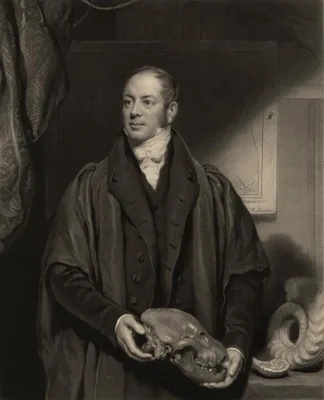
Buckland’s elaborately illustrated Reliquiae diluvianae (Relics of the Flood) describes his geological and paleontological researches of the early 1820s, including his investigations of the Kirkdale and Paviland caves…
1833 –1834
#203.8
Recherches sur les ossemens fossiles découvertes dans les cavernes de la province de Liège. 2 vols. and atlas.
A physician from Delft, Schmerling found extensive human remains and artifacts associated with the remains of extinct animals in the caverns around Liège. These human remains were distinctively different anatomically …
1836
#7374
Ledetraad til Nordisk Oldkyndighed.
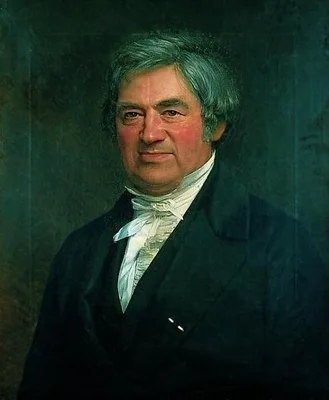
Thomsen's work established the "Three-Age system," according to which artifacts were first made of stone, then bronze, and then iron. This basic chronology underpins the archaeology of most of the "Old World.”
1853
#7445
A narrative of travels on the Amazon and Rio Negro, with an account of the native tribes and observations on the climate, geology and natural history of the Amazon Valley.
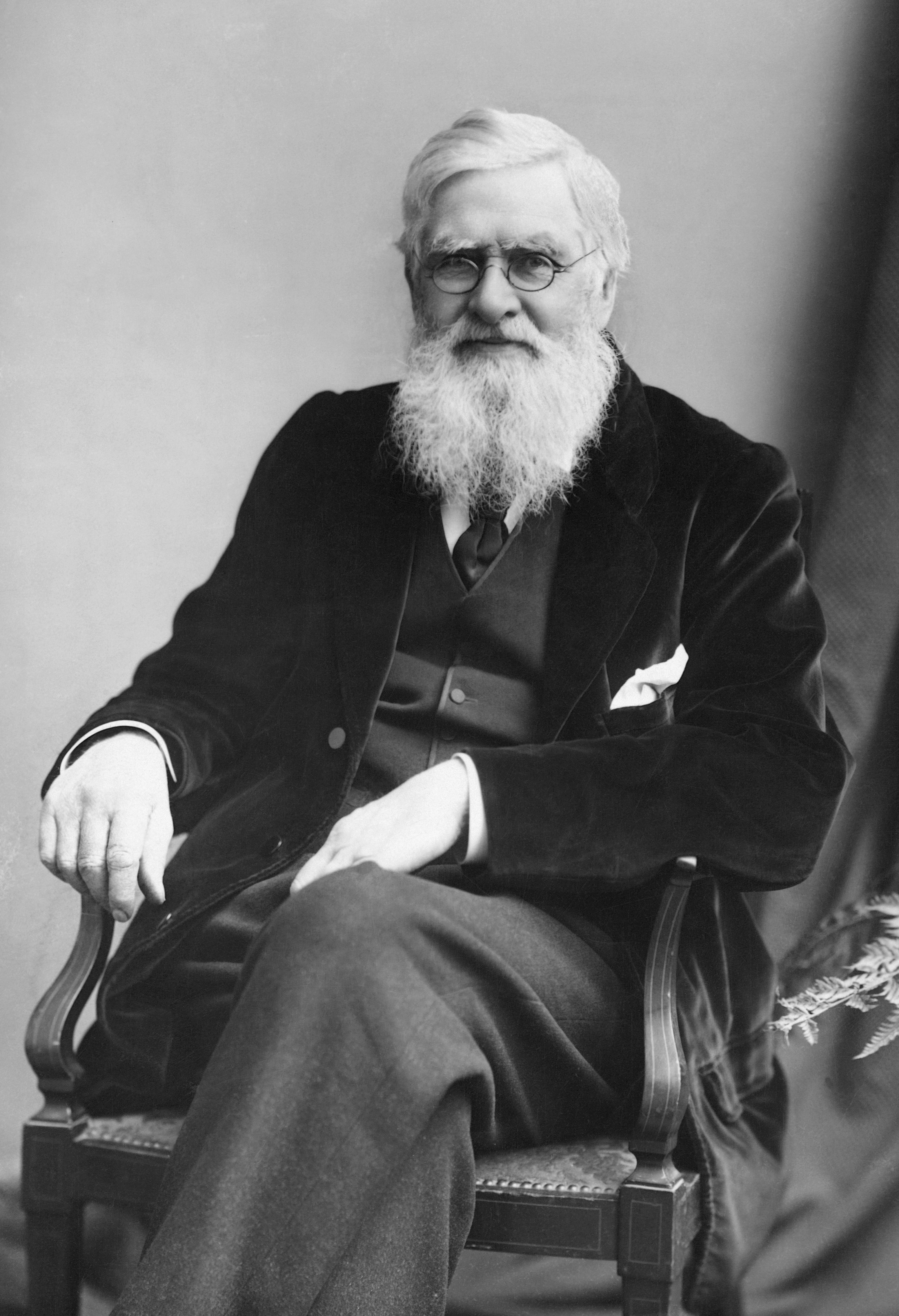
Digital facsimile from Google Books at this link.
1857
#7250
[On the Feldhofer Neanderthal.]
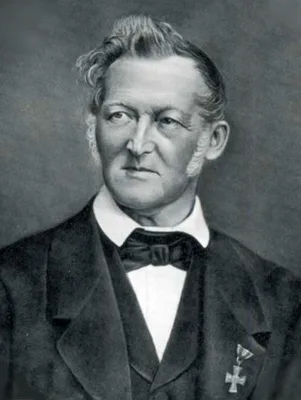
The first account of the Neanderthal remains (Neanderthal 1), discovered in 1856 in the the Feldhofer cave of the Neander valley. The remains, which consist of a partial skull, pelvis and assorted long bones, were sen…
1858
#204
Zur Kenntniss der ältesten Rassenschädel.
The first comprehensive description of the Neanderthal skull, following Schaaffhausen’s and Fuhlrott’s preliminary announcements of the discovery in the Verhandlungen des naturhistorischen Vereines der preussischen Rh…
1859
#7251
Menschliche Ueberreste aus einer Felsengrotte des Düssenthals. Ein Beitrag zur Frage über die Existenz fossiler Menschen.
Fuhlrott’s first detailed account of the “Neanderthal 1” skeleton discovered in 1856 in the Kleine Feldhofer Grotte, located in the Düssel River gorge in southwestern Germany.
1863
#165
Evidence as to man’s place in nature.
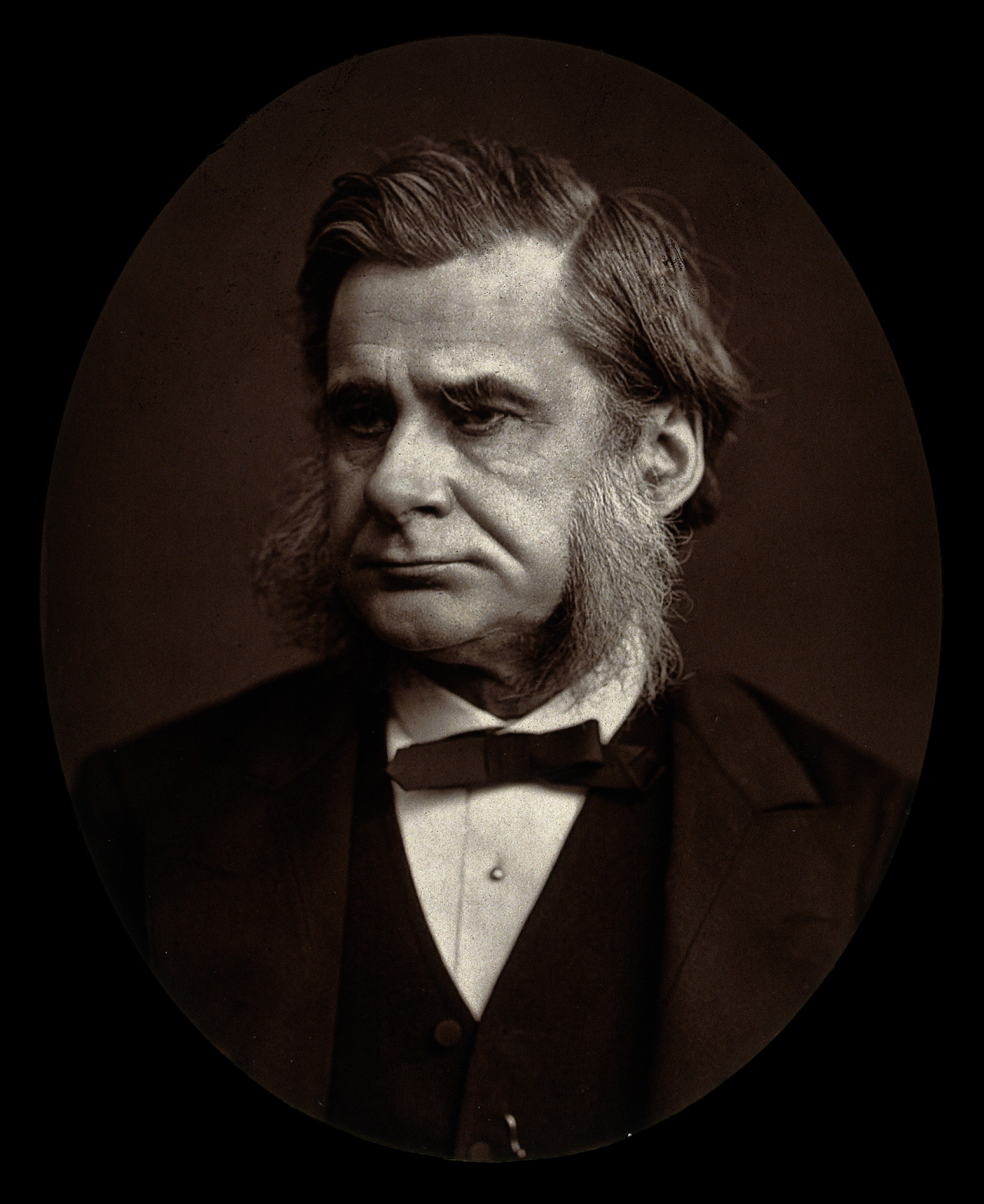
Huxley showed that in the visible characters man differs less from the higher apes than do the latter from lower members of the same order of primates. He also provided the first thorough and detailed comparative desc…
1863
#204.1
The geological evidences of the antiquity of man with remarks on theories of the origin of species by variation.
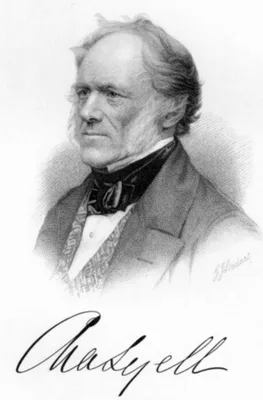
Lyell’s summary discussion of the evidence for human antiquity “introduced a wide readership to the new view and to the facts that supported it, thus laying the synthetic foundation for future work” (Grayson). This wo…
1863
#7442
The naturalist on the river Amazons, a record of adventures, habits of animals, sketches of Brazilian and Indian life, and aspects of nature under the equator, during eleven years of travel. 2 vols.
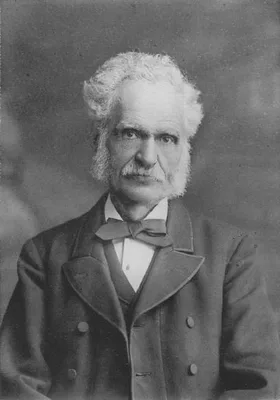
Digital facsimile from the Internet Archive at this link.
1864
#14042
The reputed fossil man of the Neanderthal.
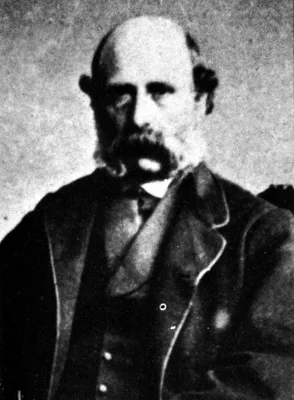
King believed that the Feldhofer Neanderthal skull discovered by Fuhrott and Schaafhausen differed significantly from all known ancient and modern human crania. In this paper he proposed the name Homo neanderthalensis…
1864
#14047
The origin of human races and the antiquity of man deduced from the theory of “natural selection."
Wallace delivered this paper to the polygenist Anthropological Society of London on 1 March 1864. It represents “the first effort to connect natural selection to the touchy problem of the evolution of human races” (Wa…
1865
#7257
Pre-historic times, as illustrated by ancient remains, and the manners and customs of modern savages.
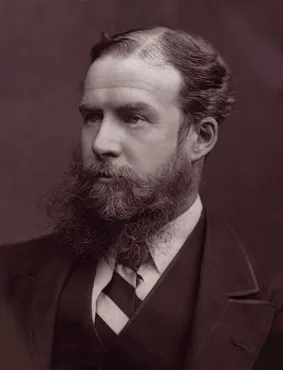
Lubbock introduced the terms "Paleolithic" and "Neolithic". His work addressed not only the topic of human antiquity but also the lives and cultures of people in the Stone Age. In contrast to researchers who focused o…
1868
#224
Natürliche Schöpfungsgeschichte. Gemeinverständlich wissenschaftliche Vorträge über die Entwickelungslehre im Allgemeinen und diejenige von Darwin, Goethe und Lamarck im Besonderen, über die Anwendung derselben auf den Ursprung des Menschen . . .
Haeckel constructed the first of the now commonplace ancestral trees, depicting the evolution of life from the simplest organisms through 21 stages of development to modern man – the 22nd and final stage. Within this …
1868
#7252
Mémoire sur une sépulture des anciens troglodytes du Périgord.
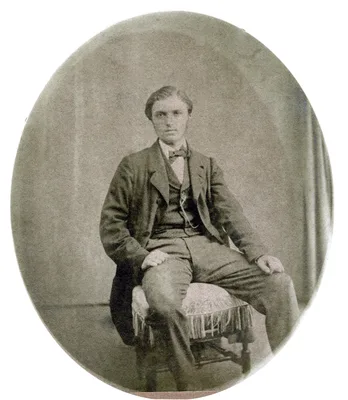
In March 1868, railway workers clearing away debris from a rock shelter known locally as the Abri de Crô-Magnon (shelter of Crô-Magnon) at Les Eyzies, Dordogne, noticed stone tools and pieces of skeleton imbedded in t…
1871 –1888
#169
Mémoires d’anthropologie. 5 vols.
Most often remembered for his contributions to neurology, Broca was also among the greatest of the French anthropologists. He originated modern craniometry and in that connection devised many craniometric and craniosc…
1871
#170
The descent of man, and selection in relation to sex. 2 vols.
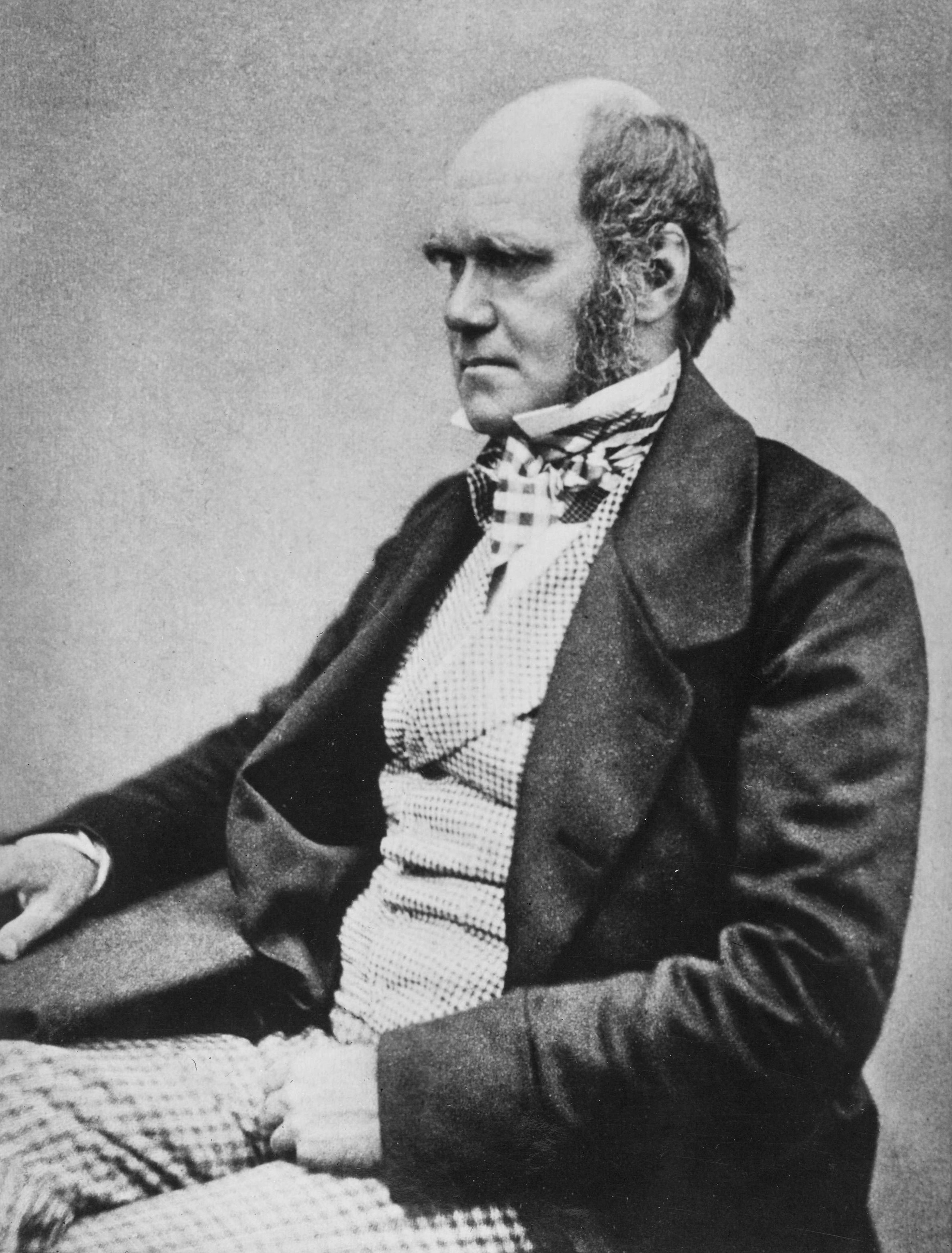
This is really two works. The first demolished the theory that the universe was created for humans while in the second Darwin presented a mass of evidence in support of his earlier hypothesis regarding sexual selectio…
1874
#6585
Contributions to the annals of medical progress and medical education in the United States before and during the War of Independence.
Digital facsimile from the Hathi Trust at this link.
1879 –1891
#7591
Catalogue of the specimens illustrating the osteology and dentition of vertebrated animals, recent and extinct, contained in the Museum of the Royal College of Surgeons of England. 3 vols.: Part 1. Man: Homo sapiens.... Part II: Class Mammalia, other than man... Part III: Class Aves.
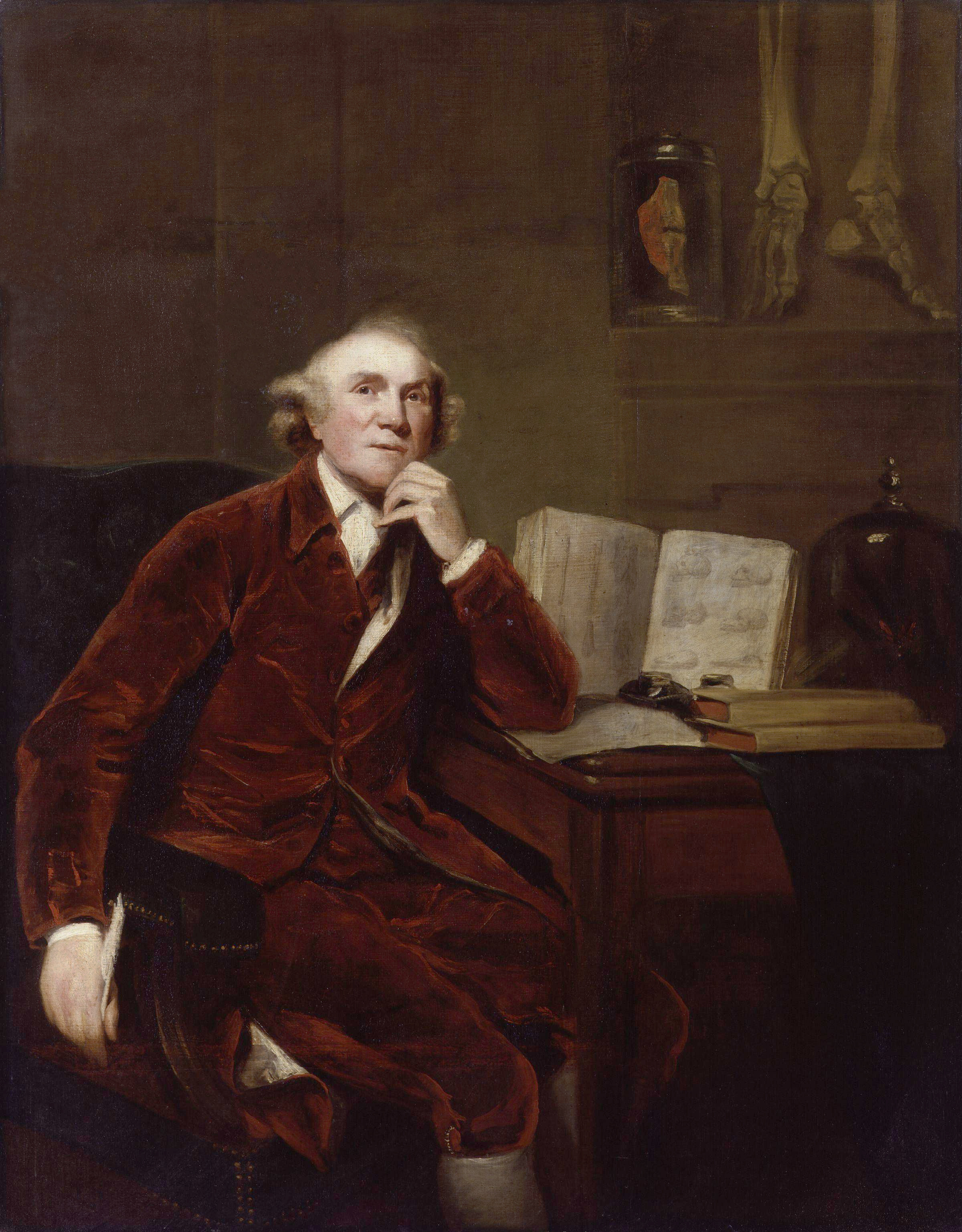
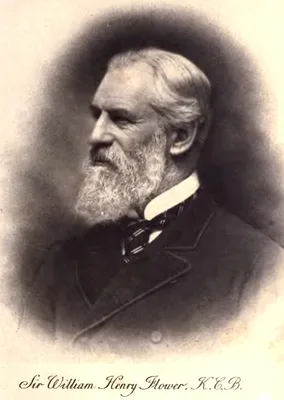
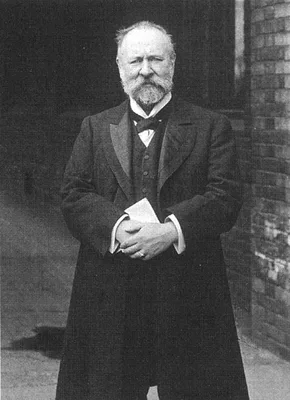
Parts 1 and 2 by Flower; part 3 by Sharpe. Digital facsimile of Part 1 from the Biodiversity Heritage Library at this link, of Part 2 at this link, and Part 3 at this link.
1881
#7707
Lésions osseuses de l'homme préhistorique en France et en Algérie.
Le Baron attempted diagnosis and predicted etiology on thousands of bones collected at the Musée Broca, the Musée Dupuytren, and the Musée d'Histoire Naturelle.. Digital facsimile from BnF Gallica at this link.
1882
#203.2
Crania ethnica. Les crânes des races humaines décrits et figurés d 'après les collections du Muséum d'Histoire Naturelle de Paris, de la Société d'Anthropologie de Paris et les principales collections de la France et de l'étranger par A. de Quatrefages et Ernest T. Hamy: Ouvrage accompagné de planches lithographiées d'après nature par H. Formant et illustré de nombreuses figures intercalées. 2 vols.
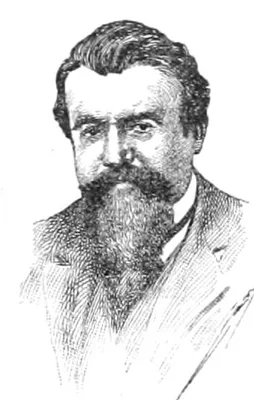
Digital facsimile from the Bayerische StaatsBibliothek at this link.
1890
#8287
Reisebilder aus Liberia: Resultate geographischer, naturwissenschaftlicher und ethnographischer untersuchungen während der jahre 1879-1882 und 1886-1887. 2 vols.
The first comprehensive monograph on the Republic of Liberia, published 50 years after its colonization by freed American slaves and their descendents. Digital facsimile from the Internet Archive at this link. Transla…
1894
#210
Pithecanthropus erectus. Eine menschenähnliche Uebergangsform aus Java.
Privately issued first report on Homo erectus. In 1891 Dubois discovered remains of what he described as "a species in between humans and apes" at Trinil, Java. He called his finds Pithecanthropus erectus ("ape-human …
1897
#719.1
Alkoholische Gärung ohne Hefezellen.
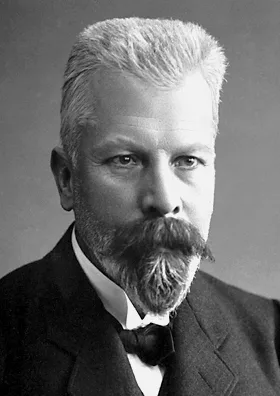
Discovery of cell-free fermentation, the turning point in the study of enzymes. In 1907 Buchner was awarded the Nobel Prize in Chemistry "for his biochemical researches and his discovery of cell-free fermentation."
1898
#7670
Essays on museums and other subjects connected with natural history.
Essays on medical and natural historical museums, anthropology, and biography. Digital facsimile from Biodiversity Heritage Library at this link.
1908
#7253
Der Unterkiefer des Homo heidelbergensis aus den Sanden von Mauer bei Heidelberg. Ein Beitrag zur Paläontologie des Menschens.
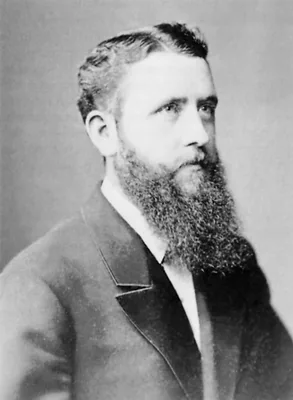
First report on the Mauer jaw discovered by Schoetensack in a sandpit or quarry in the environs of Heidelberg. This was the first fossil specimen unearthed of an extinct hominin species which Schoetensack named Homo h…
1908
#11329
Das Gebiss des Menschen und der Anthropomorphen. Vergleichend anatomische Untersuchungen.
1911
#11837
Health on the farm: A manual of rural sanitation and hygiene.
Digital facsimile from the Hathi Trust at this link.
1913
#211
On the discovery of a palaeolithic skull and mandible in a flint-bearing gravel overlying the Wealden (Hastings Beds) at Piltdown, Fletching (Sussex). With appendix by Grafton Elliot Smith.
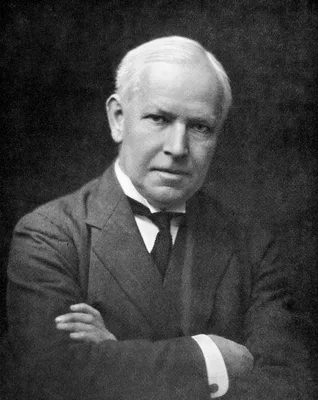
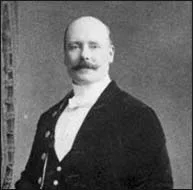
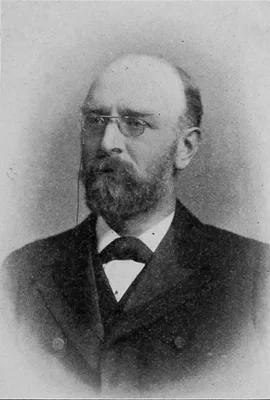
Order of authorship in the original publication: Dawson, Woodward. The first "scientific" report on “Piltdown man” (Eoanthropus dawsoni,) one of the longest-lasting and most influential hoaxes ever perpetrated in scie…
1921
#7309
A new cave man from Rhodesia, South Africa.
The first fossil human discovered in Africa: Homo rhodesiensis, commonly referred to as the Broken Hill Skull or the Kabwe Cranium.The skull, which most current experts classify as Homo heidelbergensis, was discovered…
1922
#212
The Rhodesian skull.
Description of the skull found at Broken Hill, Rhodesia, in 1921.
1922
#3691.1
The origin and evolution of the human dentition.
Reprinted with revisions and new index from J. dent. Res., 1920, 2, 89-175, 215-426, 604-717; 1921, 3, 87-228.
1923
#1767
On airs, waters, and places. IN: his [Works] with an English translation by W. H. S. Jones, 1, pp. 65-137
![HIPPOCRATES, [Ἱπποκράτης; Hippocrates of Kos] (-460 – -370)](/media/portraits/50)
“The first book ever written on medical geography, climatology, and anthropology” (Garrison). The Latin translation of this text was first published in Rhazes’ Liber ad Almansorem, Milan, 1481. See No. 39.1. The stand…
1925
#211.1
Australopithecus africanus: The man-ape of South Africa.
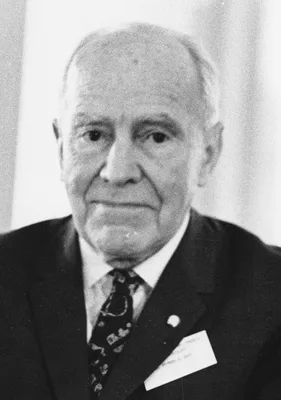
First report on Dart's discovery in 1924 of the first member of the genus Australopithecus, the first hominin found in Africa. In their 150th anniversary issue published on November 4, 2019 the editors of Nature inclu…