
Facets
Browse across eight MeSH (opens in new tab) facets — era, geography, science, specialty, technology, history, culture, and reference. Select one tag per group; counts update across the others. What’s new in facet browse how facets relate to subjects and MeSH.
Clear filtersFacet filters
Geography
Specialties & Disease
- Anatomy & Pathology 43
- Cardiology & Blood 13
- Neurology & Psychiatry 44
- Obstetrics & Reproductive 20
- Infectious Disease (General) 3
- Surgery & Anesthesia 48
- Public Health 154
- Immunology & Dermatology 61
- General Clinical Medicine 87
- Military Medicine 32
- Psychology 16
- Alternative & Fringe Medicine 52
- Pediatrics 6
- Ophthalmology & Vision 7
- ENT & Hearing 12
- Urology & Nephrology 7
- Gastroenterology & Hepatology 7
- Pulmonary & Respiratory 2
- Rheumatology, Rehab & Pain 7
- Internal, Emergency & Geriatric 12
- Veterinary Medicine 4
- Epidemiology & Demography 18
- Physiology & Embryology 204
- Dentistry 259
- Plagues & Epidemics 26
- Microbiology & Virology 44
Social & Historical Studies
Institutions & Culture
Reference & Scholarly Works
204 entries match Physiology & Embryology [G07 / G02.149] · Professions & Education [M01 / N02]
1976
#14245
Evidence for somatic rearrangement of immunoglobulin genes coding for variable and constant regions.
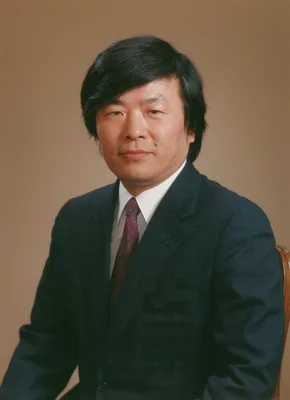
Discovery of V(D)J recombination, the genetic mechanism which produces antibody diversity. In 1987 Tonegawa was awarded the Nobel Prize in Physiology or Medicine "for his discovery of the genetic principle for generat…
1976
#14253
Genetic control of the cell division cycle in the fission yeast Schizosaccharomyces pombe.
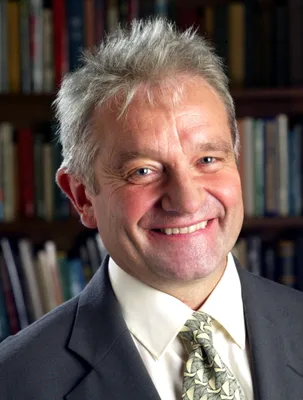
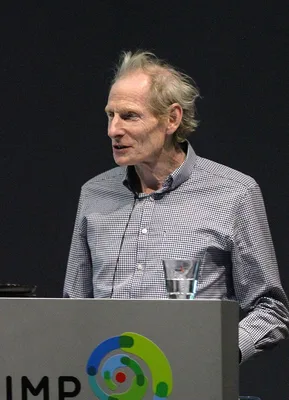
"Beginning in 1976, Nurse identified the gene cdc2 in fission yeast (Schizosaccharomyces pombe). This gene controls the progression of the cell cycle from G1 phase to S phase and the transition from G2 phase to mitosi…
1977
#8150
Medical imaging by NMR.
Mansfield developed a mathematical technique that would allow NMR scans to take seconds rather than hours and produce clearer images than the technique Paul Lauterbur developed in 1973. Mansfield showed how gradients …
1977
#11043
An amazing sequence arrangement at the 5' ends of adenovirus 2 messenger RNA.
Discovery of introns. In 1993 Roberts shared the Nobel Prize in Physiology or Medicine with Phillip A. Sharp "for their discoveries of split genes." It was frequently suggested that Chow deserved a share of that prize…
1977
#11044
Spliced segments at the 5' terminus of adenovirus 2 late mRNA.
Discovery of introns simultaneously with Roberts, Chow, Broker (No. 11043). Sharp's electron microscopist, Berget, visualized the introns in the electron microscope. James D. Watson took note of the profound significa…
1977
#14143
Resolution of some components of adenylate cyclase necessary for catalytic activity.
Goodman shared the 1994 Nobel Prize in Physiology or Medicine with Martin Rodbell "for their discovery of G-proteins and the role of these proteins in signal transduction in cells." In this paper Goodman and Ross show…
1977
#14248
Nitric oxide activates guanylate cyclase and increases guanosine 3',5'-monophosphate levels in various tissue preparations.
Murad demonstrated that nitroglycerin and related drugs worked by releasing nitric oxide into the body, which relaxed smooth muscle by elevating intracellular cyclic GMP. With W. P. Arnold, C. K. Mittal, S. Katsuki. I…
1978
#7456
A gene complex controlling segmentation in Drosophila.
Discovery of the Drosophila Bithorax complex and elucidation of its function. Lewis founded the field of developmental genetics and laid the groundwork for current understanding of the universal, evolutionarily conser…
1978
#13540
Transmissible agent in non-A, non-B hepatitis.
The first paper recording the discovery of what was, eleven years later in 1989, named the hepatitis C virus (see No. 12653). Harvey Alter and colleagues inoculated the serum/plasma of 4 patients with non-A/non-B hepa…
1979
#12630
Avermectins, new family of potent anthelmintic agents: Producing organism and fermentation.
The authors, lead by Omura, announced the discovery of Streptomyces avermilitis. They described the structure of avermectin, and reported preliminary observations that this drug is antiparasitic. (Order of authorship …
1979
#12631
Avermectins, new family of potent anthelminthic agents, efficacy of the B1a component.
Campbell and colleagues reported unprecedented antiparasitic effects of the agent in vivo, and that the "B1a" component of the molecule was most effective as a single oral dose. (Order of authorship in the original pu…
1979
#14247
Relaxation of bovine coronary artery and activation of coronary arterial guanylate cyclase by nitric oxide, nitroprusside and a carcinogenic nitrosoamine.
With CA Gruetter, BK Barry, DB McNamara, DY Gruetter, PJ Kadowitz. In 1998 Ignarro shared the Nobel Prize in Physiology or Medicine with Robert F. Furchgott and Ferid Murad "for their discoveries concerning nitric oxi…
1980
#7455
Mutations affecting segment number and polarity in Drosophilia.
In 1995 Nüsslein-Volhard and Wieschaus shared the Nobel Prize in Physiology or Medicine with Edward B. Lewis "for their discoveries concerning the genetic control of early embryonic development."
1980
#14246
The obligatory role of endothelial cells in the relaxation of arterial smooth muscle by acetylcholine.
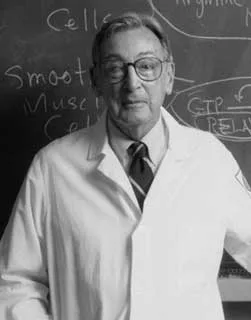
In 1978 Furchgott discovered a substance in endothelial cells that relaxes blood vessels, calling it endothelium-derived relaxing factor (EDRF). By 1986, he had worked out EDRF's nature and mechanism of action, and de…
1980
#14255
Transport of vesicular stomatitis virus glycoprotein in a cell-free extract.
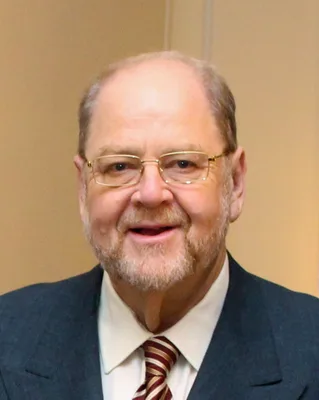
See also: Fries & Rothman, "Transient activity of Golgi-like membranes as donors of vescular stomatitis viral glycoprotein in vitro," J. Cell. Biol., 90, 1981, 697-704. "Rothman's research[15] details how vesicles—tin…
1980
#14256
The identification of 23 complementation groups required for post-translational events in the yeast secretory pathway.
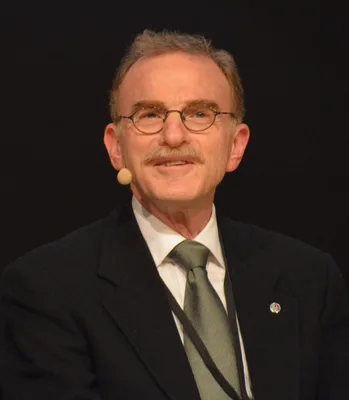
See also: Novick, P., Ferro, S. and Schekman, R. "Order of events in the yeast secretory pathway," Cell, 25, 1981, 461-469. In 1979 Schekman devised a genetic selection for temperature-conditional secretion-defective …
1981
#13285
Establishment in culture of pluripotential cells from mouse embryos.
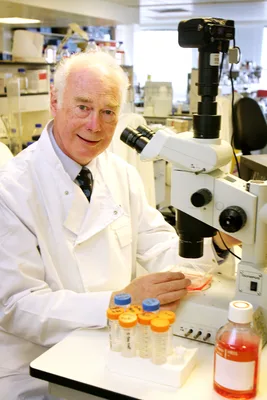
Evans and Kauffman were the first to identify, isolate and successfully culture embryonic stem cells using mouse blastocysts. This discovery opened the doors to the creation of “murine genetic models” -- mice that hav…
1982
#10140
Novel proteinaceous infectious particles cause Scrapie.
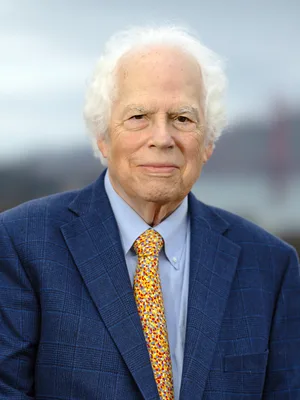
In 1997 Prusiner was awarded the Nobel Prize in Physiology or Medicine "for his discovery of Prions - a new biological principle of infection." In his 1982 paper Prusiner proposed a completely novel explanation for th…
1982
#14266
Tumor-specific antigen of murine T-lymphoma defined with monoclonal antibody.
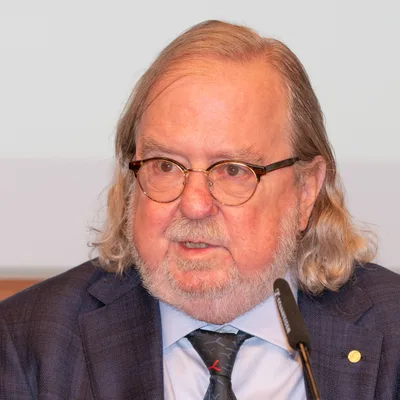
In 1982 Allison discovered the T-cell receptor. Order of authorship in the original publication: Allison, Bloch, McIntyre.
1983
#6996
Isolation of a T-lymphotropic retrovirus from a patient at risk for acquired immune deficiency syndrome (AIDS).
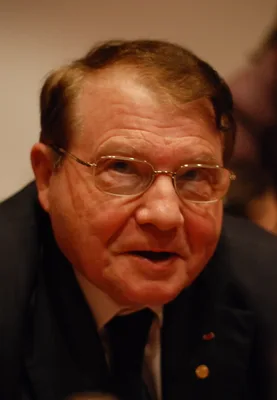
Isolation of the human immunodeficiency virus (HIV-1). In 2008 Barré-Sinoussi and Montagnier shared half of the Nobel Prize in Physiology and Medicine "for their discovery of human immunodeficiency virus." The other h…
1983
#8475
Unidentified curved bacilli on gastric epithelium in active chronic gastritis.

In 2005 Marshall and Warren shared the Nobel prize in Physiology or Medicine "for their discovery of the bacterium Helicobacter pylori and its role in gastritis and peptic ulcer disease." See also their follow-up pape…
1983
#12632
Ivermectin: A potent new antiparasitic agent.
Abstract "Ivermectin is the 22,23-dihydro derivative of avermectin B1, a macrocyclic lactone produced by an actinomycete, Streptomyces avermitilis. It is active at extremely low dosage against a wide variety of nemato…
1983
#14254
Cyclin: A protein specified by maternal mRNA in sea urchin eggs that is destroyed at each cleavage division.
"It was at Woods Hole around July 1982, using Arbacia sea urchin eggs as his model organism, that he discovered cyclin proteins.[12] Cyclins play a key role in regulating the cell-division cycle.[16] Hunt was observin…
1984
#14263
Molecular analysis of the period locus in Drosophila malanogaster and identification of a transcript involved in biological rhythms.
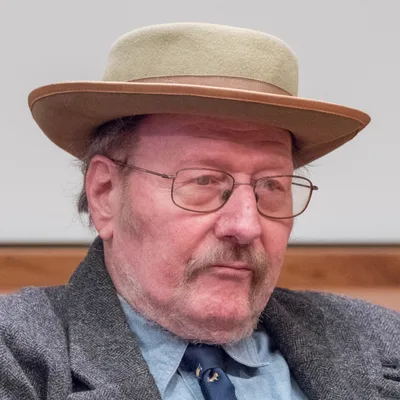
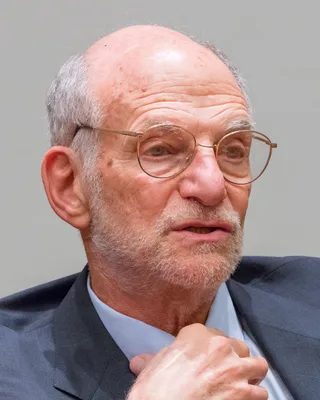
Rosbach and colleagues, including Jeffrey C. Hall, sequenced the Drosophila period gene in 1984. Full text available from cell.com at this link. Order of authorship in the original publication: Reddy, Zehring, Wheeler…
1984
#14265
Restoration of circadian behavioral rhythms by gene transfer in Drosophila.

"At The Rockefeller University in the early 1980s, Young and his two lab members, Ted Bargiello and Rob Jackson, further investigated the circadian period gene in Drosophila. They constructed segments of recombinant D…
1985
#8388
Identification of a specific telomere terminal transferase activity in Tetrahymena extracts.
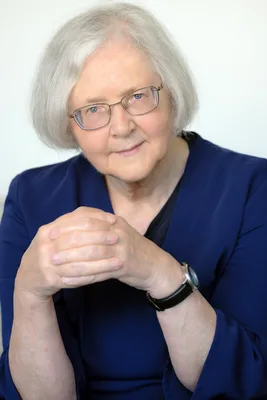
Blackburn and Grieder discovered telomerase in the ciliate Tetrahymena. In 2009 Blackburn and Grieder shared the Nobel Prize in Physiology or Medicine with Jack W. Szostak "for the discovery of how chromosomes are pro…
1987
#13931
Site-directed mutagenesis by gene targeting in mouse embryo-derived stem cells.
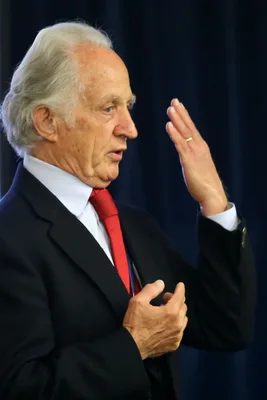
In 2007 Capecchi shared the 2007 Nobel Prize in Physiology or Medicine with Martin J. Evans and Oliver Smithies "for their discoveries of principles for introducing specific gene modifications in mice by the use of em…
1987
#13940
Targeted correction of a mutant HPRT gene in mouse embryonic stem cells.
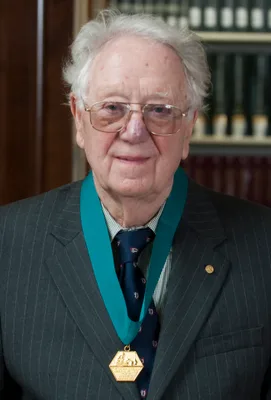
Smithies discovered, simultaneously with Mario Capecchi and Martin Evans, the technique of homologous recombination of transgenic DNA with genomic DNA, a much more reliable method of altering animal genomes than previ…
1989
#12653
Isolation of a cDNA clone derived from a blood-borne non-A, non-B viral hepatitis genome.
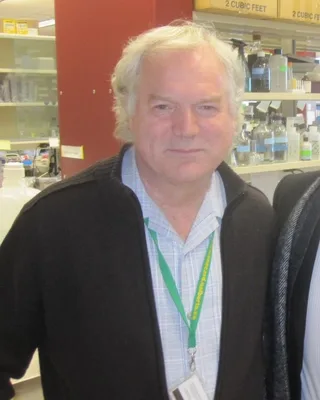
In this paper Houghton and colleagues named “hepatitis C” for the first time. They cloned and isolated the viral RNA genome and demonstrated that a patient who had high antibodies to a ‘native/wild strain’, reacted sp…
1991
#13930
A novel multigene family may encode odorant receptors: A molecular basis for odor recognition.
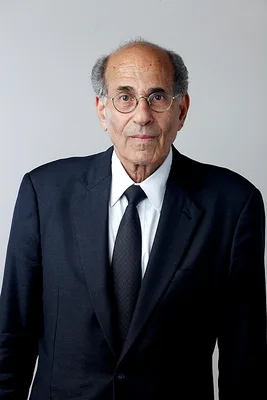

"In their landmark paper published in 1991, Buck and Axel cloned olfactory receptors, showing that they belong to the family of G protein coupled receptors. By analyzing rat DNA, they estimated that there were approxi…
1992
#14268
Induced expression of PD-1, a novel member of the immunoglobulin gene superfamily, upon programmed cell death.
Honjo discovered the programmed cell death protein 1 (PD-1). This discovery significantly contributed to the establishment of cancer immunotherapy principle by PD-1 blockade. Order of authorship in the original public…
1993
#14010
The C. elegans heterochronic gene lin-4 encodes small RNAs with antisense complementarity to lin-14.

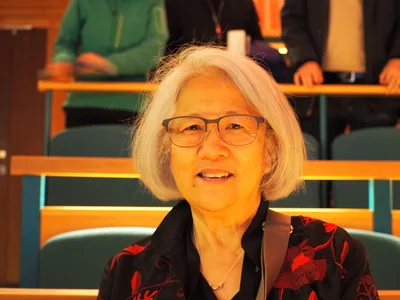
Ambros and colleagues discovered the first known microRNA (miRNA), a small single-stranded non-coding RNA molecule (containing about 22 nucleotides) found in plants, animals and some viruses, that functions in RNA sil…
1993
#14301
Posttranscriptional regulation of the heterochronic gene lin-14 by lin-4 mediates temporal pattern formation in C. elegans.
The authors cloned and generated the sequence of the lin-14 gene. They discovered that a segment in lin-14 mRNA (messenger RNA), was necessary for its inhibition by lin-4. Ruvkun and Ambros (No. 14010) then compared r…
1994
#9890
The physical and the moral: Anthropology, physiology, and philosophical medicine in France, 1750-1850.
1994
#14261
Ultrastructural analysis of the autophagic process in yeast: detection of autophagosomes and their characterization.
Order of authorship in the original publication: Baba, M., Takeshige, Baba, N., Ohsumi. In 2016 Oshuni received the Nobel Prize in Physiology or Medicine "for his discoveries of mechanisms for autophagy."
1995
#14269
Purification and characterization of hypoxia-indicible factor 1.
Semenza and postdoctoral fellow Guang Wang discovered transcription factor HIF-1, a transcription factor that responds to decreases in available oxygen in the cellular environment, or hypoxia. IN 2019 Semenza shared t…
1996
#14252
Toward a molecular definition of long-term memory storage.
"Abstract: The storage of long-term memory is associated with a cellular program of gene expression, altered protein synthesis, and the growth of new synaptic connections. Recent studies of a variety of memory process…
1996
#14267
Enhancement of antitumor immunity by CTLA-4 blockade.
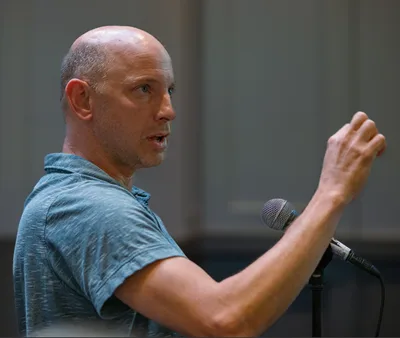
In the early 1990s James Allison showed that CTLA-4 acts as an inhibitory molecule to restrict T-cell responses. In 1996, Allison was the first to show that antibody blockade of a T-cell inhibitory molecule (known as …
1997
#13541
Transmission of hepatitis C by intrahepatic inoculation with transcribed RNA.

Rice and colleagues constructed a viral RNA genome with the 3’ region and a consensus region to exclude potential inactivating mutations, which was then injected into the liver of chimps. That RNA, specifically encode…
1997
#14274
The capsaicin receptor: a heat-activated ion channel in the pain pathway.
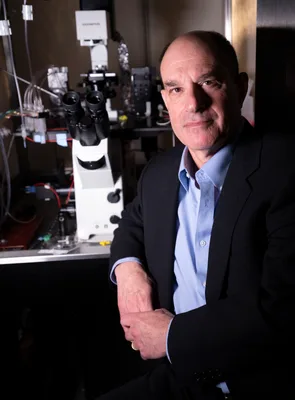
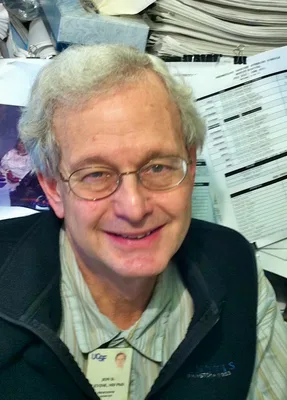
"Abstract: Capsaicin, the main pungent ingredient in ‘hot’ chilli peppers, elicits a sensation of burning pain by selectively activating sensory neurons that convey information about noxious stimuli to the central ner…
1998
#12112
Defective LPS signaling in C3H/HeJ and C57BL/10ScCr mice: Mutations in the Tlr4 gene.
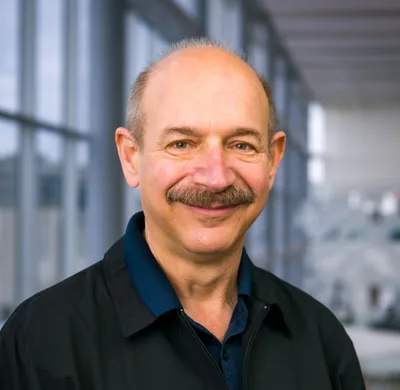
Order of authorship in the original paper: Poltorak, Smirnova...Beutler. The authors, led by Beutler, showed that mice that harbor a mutation of the gene which codes for the production of the Toll-like receptor TLR4 q…
1998
#13957
Potent and specific genetic interference by double-stranded RNA in Caenorhabditis elegans.
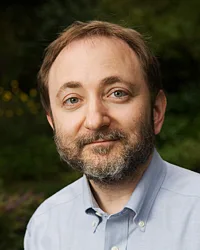
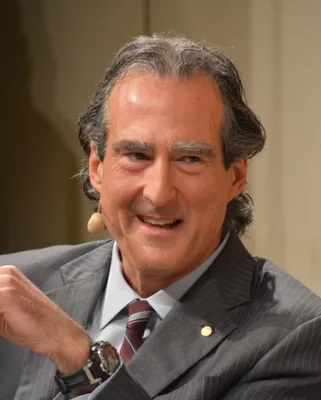
The authors reported that tiny snippets of double-stranded RNA (dsRNA) effectively shut down specific genes, driving the destruction of messenger RNA (mRNA) with sequences matching the dsRNA. As a result, the mRNA can…
1998
#14251
DARPP-32: Regulator of the efficacy of dopaminergic neurotransmission.
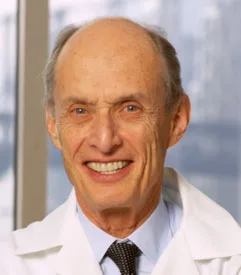
"Greengard's research focused on events inside the neuron caused by neurotransmitters. Specifically, Greengard and his fellow researchers studied the behavior of second messenger cascades that transform the docking of…
1999
#14262
A pdf Neuropeptide gene mutation and ablation of PDF neurons each cause severe abnormalities of behavioral circadian rhythms in Drosophila.
In 2017 Hall shared the Nobel Prize in Physiology or Medicine with Michael Rosbash and Michael W. Young “for their discoveries of molecular mechanisms controlling the circadian rhythm.” Order of authorship in the orig…
1999
#14270
The tumour suppressor protein VHL targets hypoxia-inducible factors for oxygen-dependent proteolysis.

The focus of both Peter Ratcliffe’s and William Kaelin’s work, for which they shared the Nobel Prize with Gregg Semenza, was the relationship between pVHL and HIF. This led to an increased understanding of how cells s…
2001
#14273
HIFalpha targeted for VHL-mediated destruction by proline hydroxylation: implications for O2 sensing.

Kaelin and colleagues identified aspects of the molecular machinery in Von Hippel-Landau disease that regulates the activity of genes in response to varying levels of oxygen. In 2019 Kaelin shared the Nobel Prize in P…
2005
#13622
Suppression of RNA recognition by toll-like receptors: The impact of nucleoside modification and the evolutionary origin of RNA.
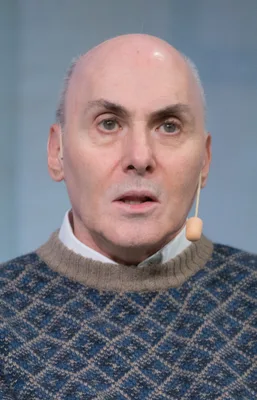
Karikó and Weissman discovered the nucleoside modifications that suppress the immungenicity of RNA, leading to their patents for the application of non-immunogenic, nucleoside-modified RNA (modRNA). This technology wa…
2005
#14257
Autonomous function of synaptotagmin 1 in triggering synchronous release independent of asynchronous release.
Südhof is credited with discovering much of the machinery mediating neurotransmitter release and presynaptic plasticity, beginning with the discovery of symaptotagmins and their role in neurostrasmitter release from t…
2005
#14259
Microstructure of a spatial map in the entorhinal cortex.
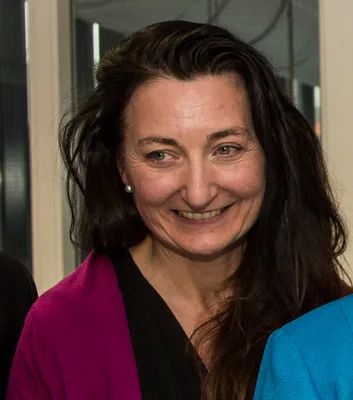
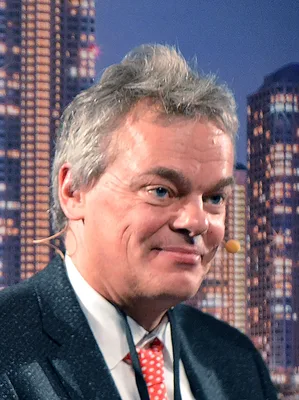
May-Britt Moser and Edvard Moser and colleagues discovered grid cells, specialized types of neurons that respond to specific locations in space. They are main components of the brain's GPS. Order of authorship in the …
2006
#13287
Induction of pluripotent stem cells from mouse embryonic and adult fibroblast cultures by defined factors.
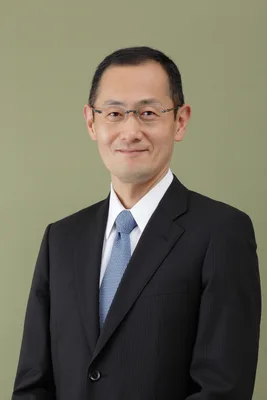
Takahashi and Yamanaka reprogrammed mice fibroblast cells, which can produce only other fibroblast cells, to become pluripotent stem cells, which have the capacity to produce many different types of cells. This they a…