
Facets
Browse across eight MeSH (opens in new tab) facets — era, geography, science, specialty, technology, history, culture, and reference. Select one tag per group; counts update across the others. What’s new in facet browse how facets relate to subjects and MeSH.
Clear filtersFacet filters
Geography
Specialties & Disease
- Anatomy & Pathology 1
- Cardiology & Blood 1
- Neurology & Psychiatry 1
- Obstetrics & Reproductive 1
- Infectious Disease (General) 0
- Surgery & Anesthesia 1
- Public Health 12
- Immunology & Dermatology 0
- General Clinical Medicine 0
- Military Medicine 5
- Psychology 0
- Alternative & Fringe Medicine 3
- Pediatrics 0
- Ophthalmology & Vision 0
- ENT & Hearing 0
- Urology & Nephrology 0
- Gastroenterology & Hepatology 1
- Pulmonary & Respiratory 0
- Rheumatology, Rehab & Pain 0
- Internal, Emergency & Geriatric 0
- Veterinary Medicine 0
- Epidemiology & Demography 3
- Physiology & Embryology 0
- Dentistry 0
- Plagues & Epidemics 6
- Microbiology & Virology 1
Social & Historical Studies
Institutions & Culture
Reference & Scholarly Works
Drugs & Technology
73 entries match United States [Z01.058] · Zoology & Animal Sciences [K01.900.500.750]
1672
#1826.1
New-Englands rarities discovered: in birds, beasts, fishes, serpents, and plants of that country. Together with the physical and chyrurgical remedies wherewith the natives constantly use to cure their distempers, wounds, and sores…
The first detailed account of the natural history and botany of North America, including the first extensive study of native North American medicine.
1731 –1747
#9571
The natural history of Carolina, Florida and the Bahama Islands: Containing the figures of birds, beasts, fishes, serpents, insects, and plants: Particularly, the forest-trees, shrubs, and other plants, not hitherto described, or very incorrectly figured by authors. Together with their descriptions in English and French. To which are added observations on the air, soil and waters: With remarks on agriculture, grain, pulse, roots &c. To the whole is prefixed a new and complete map of the countries treated of. 2 vols.
The only attempt to record the natural history of a region of America during the colonial period. Includes 220 fine handcolored etched plates after and by Catesby and mostly signed with his cipher, excepting plates 61…
1754
#7678
The natural history of Carolina, Florida, and the Bahama Islands, containing the figures of birds, beasts, fishes, serpents, insects, and plants, particulary the forest trees, shrubs, and other plants, not hitherto described, or very incorrectly figured by authors. Together with their descriptions in English and French. To which are added, observations on the air, soil, and waters with remarks upon agriculture, grain, pulse, roots, &c. To the whole is prefixed a new and correct map of the countries treated of / by the late Mark Catesby; revised by Mr. [George] Edwards. 2 vols.
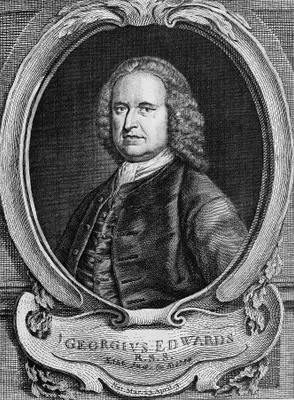
Second edition, edited by ornithologist George Edwards. Digital facsimile from the Internet Archive at this link.
1784 –1787
#11618
Arctic zoology. 3 vols.
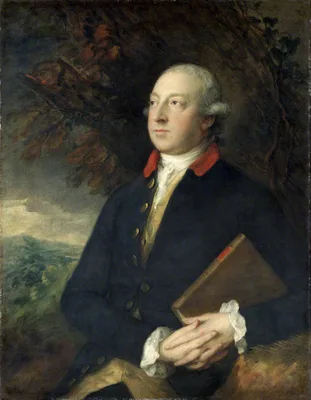
Pennant had "intended to write a "Zoology of North America" but as he explained in the "Advertisement", since he felt mortified by the loss of British control over America, this was changed to Arctic Zoology.[22] The …
1793
#5451
A short account of the malignant fever, lately prevalent in Philadelphia: With a statement of the proceedings that took place on the subject in different parts of the United States.
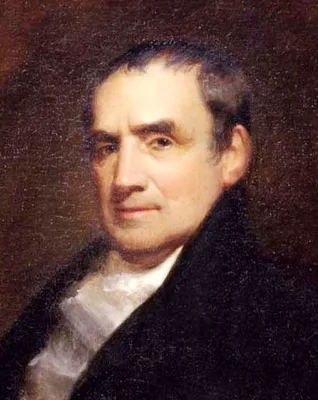
Carey was a Philadelphia publisher and economist rather than a physician. In this little book, which passed through four editions in a few months, Carey left a graphic description of the great yellow fever epidemic of…
1794
#5453.1
A narrative of the proceedings of the black people during the late awful calamity in Philadelphia, in the year 1793: and a refutation of some censures thrown upon them in some late publications.
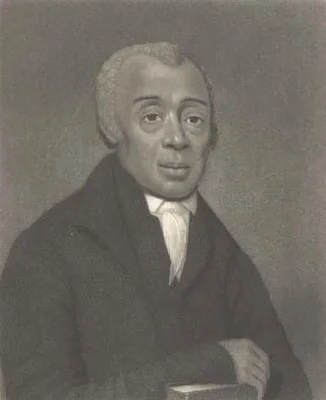
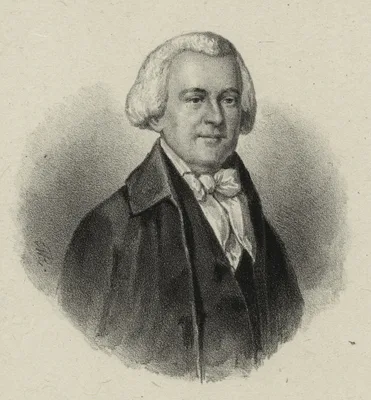
A refutation of slights by Matthew Carey in his Short account of the malignant fever, lately prevalent in Philadelphia (1793; No. 5451) to the important contributions of black people, many of whom served as nurses and…
1797
#7768
The natural history of the rarer lepidopterous insects of Georgia. Including their systematic characters, the particulars of their several metamorphoses, and the plants on which they feed. Collected from the observations of Mr. John Abbot, many years resident in that country, by James Edward Smith.
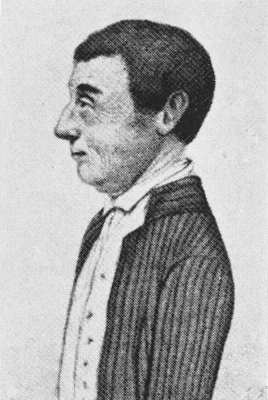
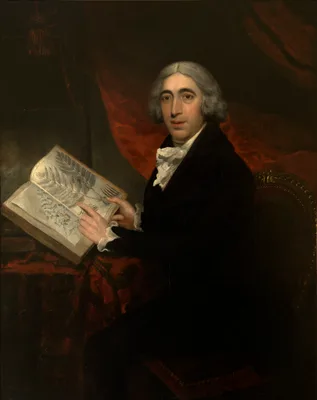
The earliest illustrated monograph on the butterflies and moths of North America. Text in English and French. 104 hand-colored plates. Digital facsimile from the Internet Archive at this link.
1799
#7218
Fragments of the Natural History of Pennsylvania. Part First [All Published].
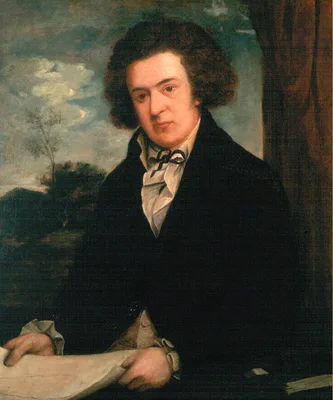
This 24-page pamphlet is the first work by an American devoted entirely to American birds. It deals predominantly with migratory birds, arranged according to the dates throughout the year 1791 in which they were first…
1807
#7049
The planter's and mariner's medical companion: treating, according to the most successful practice, I. The diseases common to warm climates and on ship board. II. Common cases in surgery, as fractures, dislocations, &c. &c. III. The complaints peculiar to women and children. To which are subjoined a dispensatory, shewing how to prepare and administer family medicines, and a glossary giving an explanation of technical terms.
Ewell, then practicing in Savannah, Georgia, wrote this self-help book for southern residents, directing his book toward plantation owners. It was "the constant friend of a large number of slave-masters. In emergencie…
1808 –1814
#9498
American ornithology; or, the natural history of the birds of the United States: Illustrated with plates engraved and colored from original drawings taken from nature. 9 vols.
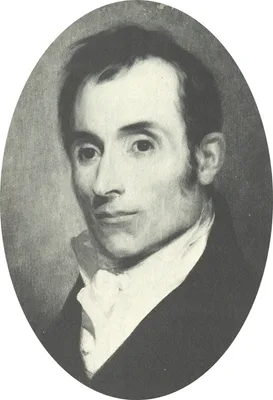
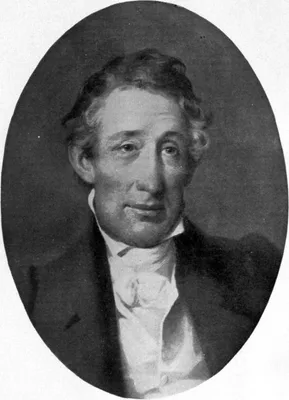
Considered the "father of American ornithology," Wilson was the greatest American ornithologist before Audubon. Wilson died with the 7th volume in press, and the 8th and 9th volumes were completed by Wilson's friend G…
1820
#10617
Ichthyologia Ohiensis, or natural history of the fishes inhabiting the river Ohio and its tributary streams, preceded by a physical description of the Ohio and its branches.
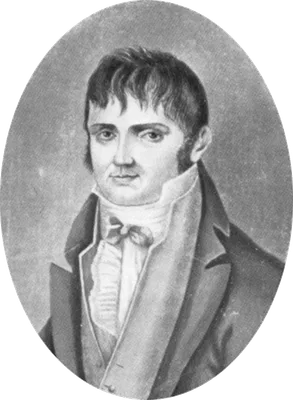
In Rafinesque's polemic style the title page includes the following statement: "The art of seeing well, or of noticing and distinguishing with accuracy the objects which we perceive, is a high faculty of the mind, unf…
1824 –1828
#9484
American entomology, or descriptions of the insects of North America. Illustrated by coloured figures from original drawings executed from nature. 3 vols.
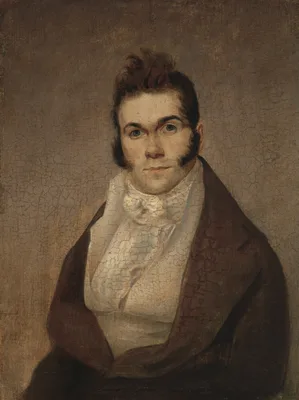
Plates by Titian Ramsay Peale, H. Bridport, C. A. Lesueur, W. W. Wood, and C. Tiebout; engraved by Tiebout, G. Lang, and Longacre. Digital facsimile from the Internet Archive at this link.
1825 –1828
#9499
American ornithology; or, the natural history of birds inhabiting the United States, not given by Wilson. 4 vols.
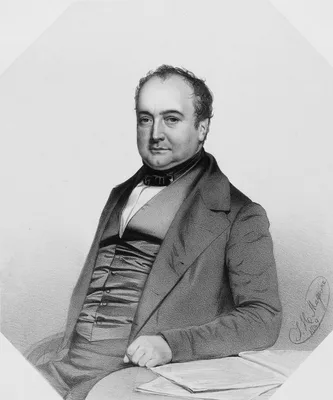
Bonaparte, nephew of Napoleon, set out to document birds in the United States that were not mentioned by Alexander Wilson.
1829 –1837
#9574
Histoire général et iconographie des lepidoptérès et des chenilles de l’Amerique septentrionale.
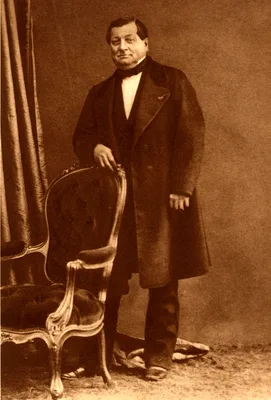
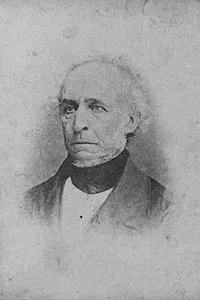
Includes illustrations from drawings by John Abbot.
1830 –1836
#9485
American conchology, or descriptions of the shells of North America illustrated from coloured figures from original drawings executed from nature. 7 parts. Parts 1–6: New Harmony, 1830–1834; Part 7: Philadelphia, 1836.
The printer or publisher of part 7 is not identified. Digital facsimile from the Biodiversity Heritage Library at this link.
1832 –1834
#7773
A manual of the ornithology of the United States and of Canada. Vol. 1: The land birds. Vol. 2: The water birds.
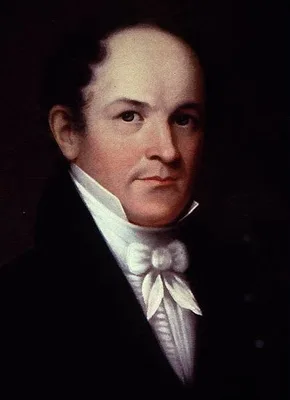
Digital facsimile from the Internet Archive at this link.
1832
#10812
Observations on the epidemic now prevailing in the city of New-York; called the Asiatic or spasmodic cholera; with advice to the planters of the South, for the medical treatment of their slaves.
Digital facsimile from the Internet Archive at this link.
1835
#3440.1
A case of introsussception in which an operation was successfully resorted to…in December, 1831.
First operation for intussusception in the United States, performed in Rutherford County, Tennessee. The patient was a negro slave; the operation was a complete success. Reported by Wilson’s pupil, W.W. Thompson.
1836 –1840
#326.1
North American herpetology; or, a description of the reptiles inhabiting the United States. 4 vols.
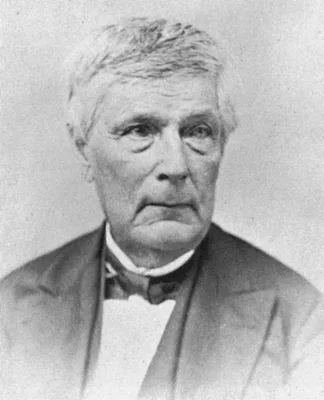
The greatest American book on herpetology, and one of the finest American color plate books on natural history. The fourth volume is particularly rare. Digital facsimile from Biodiversity Heritage Library at this link…
1845 –1854
#7769
The viviparous quadrupeds of North America. 2 vols. of plates in folio; 3 vols. 8vo text.
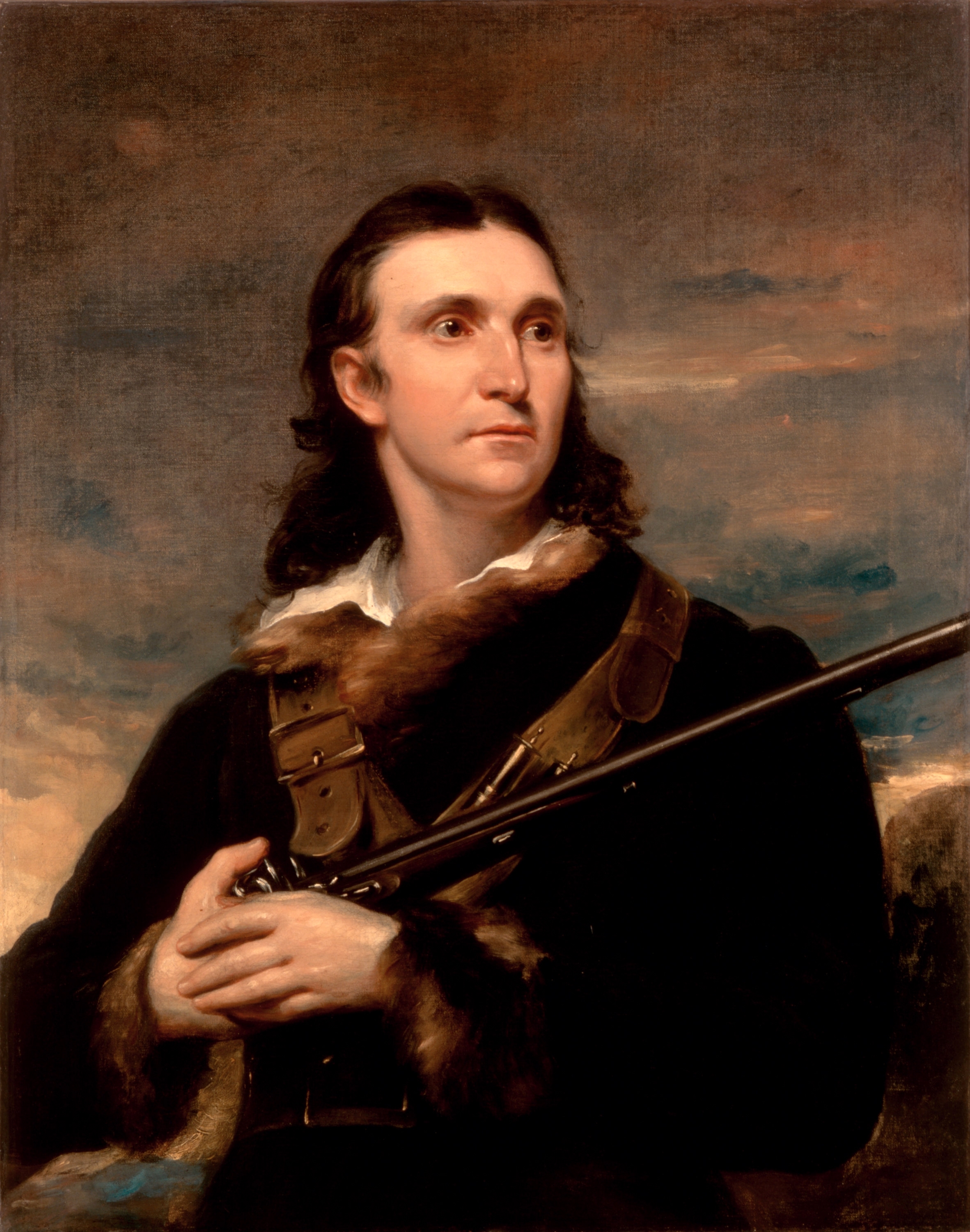
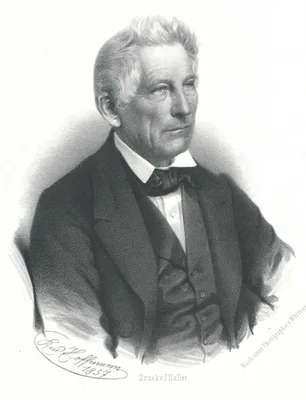
The largest and most significant color plate book produced in America during the 19th century.
1847 –1847
#10336
Southern ichthyology; or a description of the fishes inhabiting the waters of South Carolina, Georgia, and Florida. Pt. 2, 1847, Pt. 3, 1848.
Holbrook never published part one of this work.
1856
#7875
Illustrations of the birds of California, Texas, Oregon, British and Russian America. Intended to contain descriptions and figures of North American birds not given by former American authors, and a general synopsis of North American ornithology. 1853 to 1855.
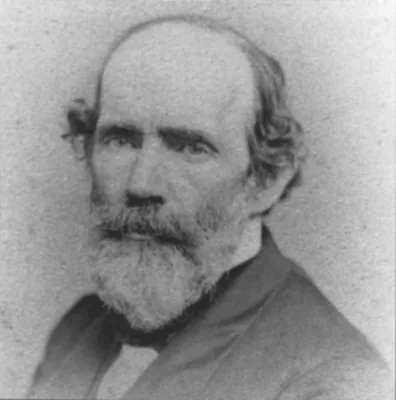
Originally issued in ten parts from 1853 to 1855. Cassin ran an engraving and lithographing firm in Philadelphia, which produced illustrations for government and scientific publications. He pursued ornithology as an a…
1857 –1877
#333
Contributions to the natural history of the United States. 5 vols.
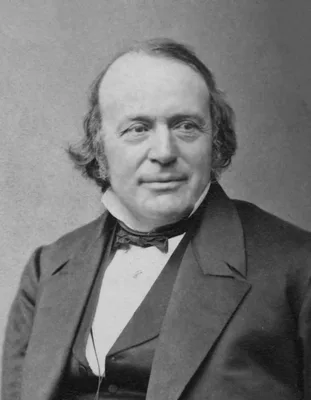
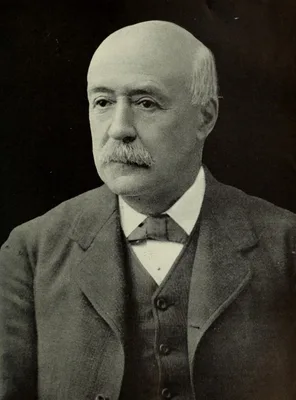
Vols. 1-4 by Louis Agassiz were published from 1857-1862; Vol. 5, North American starfishes by Alexander Agassiz, appeared in 1877. Louis Agassiz was, for his time, the leading comparative anatomist in America and a v…
1857 –1859
#10514
Report on the United States and Mexican boundary survey: Made under the direction of the secretary of the Interior
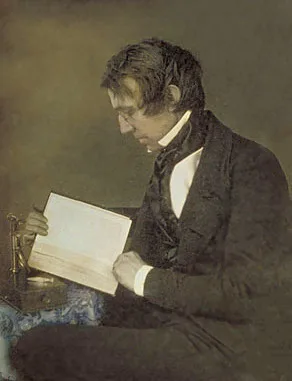
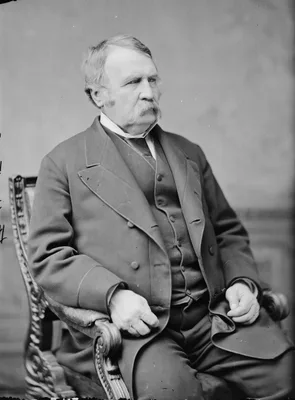
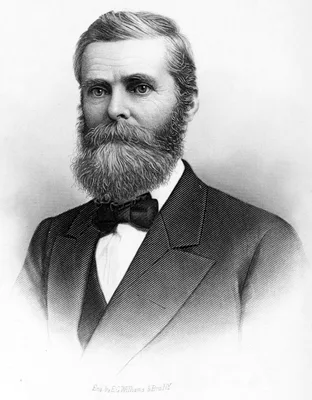
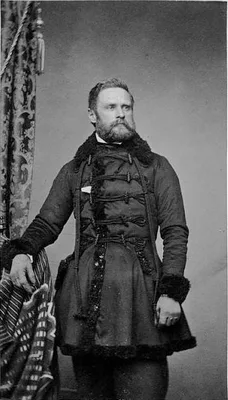
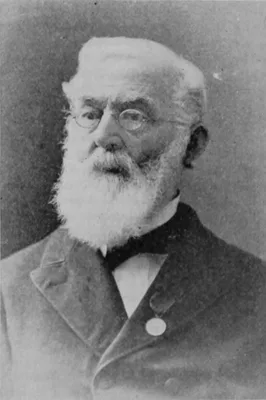
Vol. 1, pt. by W. H. Emory. Vol. 1, pt. 2: Geological reports by C.C. Parry and Arthur Schott, notes by W. H. Emory; Paleontology and geology of the boundary by James Hall; Description of cretaceous and tertiary fossi…
1860
#10337
Ichthyology of South Carolina. Vol. 1 (All Published).
Digital facsimile from BnF Gallica at this link.
1863
#7419
Hospital sketches.
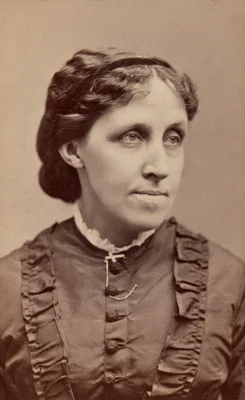
Digital facsimile of the 1863 edition from the Internet Archive at this link. Alcott expanded the work for the edition of 1869. Edited, with an extensive introduction by Bessie Z. Jones (Cambridge: Harvard University …
1900
#13204
As nature shows them. Moths and butterflies of the United States east of the Rocky Mountains. With over 400 photographic illustrations in the text and many transfers of species from life. 2 vols.
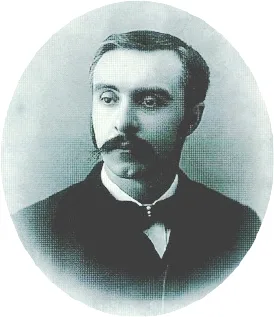
Includes 56 nature-printed and handcolored plates produced from impressions of the wings of the actual insects pressed onto the paper. Digital facsimile from Biodiversity Heritage Library at this link.
1912
#7050
The Negro in medicine.
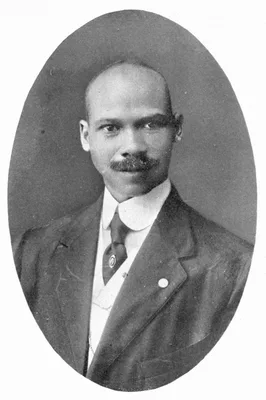
An early publication on the medical problems of blacks written by a black physician. Kenney served as school physician at Tuskegee University, was the first director of the John A. Andrew Memorial Hospital at Tuskegee…
1916
#8154
Plant succession: An analysis of the development of vegetation.
A seminal work of ecological science, establishing a dynamic model of species succession toward an eventual "climax" equilibrium under the influence of climate and other factors in a given habitat. "From his observati…
1919 –1968
#12828
Life histories of North American Birds. 23 vols.
One of the most comprehensive repositories of North American ornithology, published over 50 years, in a series of volumes in the United States National Museum Bulletin. Bent used his own experiences traveling over the…
1924 –1929
#7097
A bibliography of American natural history. The pioneer century. The role played by the scientific societies; scientific journals; natural history museums and botanic gardens; state geological and natural history surveys; federal exploriing expeditions in the rise and progress of American botany, geology, mineralogy, paleontology and zoology. 3 vols.
Digital facsimile from the Internet Archive at this link.
1935
#9303
The ethnobiology of the Papago Indians. Ethnological Studies in the American Southwest II.
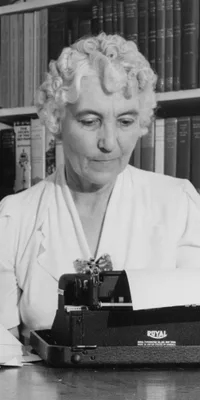
"The Tohono O’odham ... are a Native American people of the Sonoran Desert, residing primarily in the U.S. state of Arizona and the Mexican state of Sonora. Tohono O’odham means "Desert People." The federally recogniz…
1936
#9304
The ethnobiology of the Chiricahua and Mescalero Apache: A. the use of plants for food, beverages and narcotics. Ethnobiological studies in the American Southwest, Vol. 3. Biological series (Vol. 4, No. 5); Bulletin, University of New Mexico, whole, (No. 297).
1936
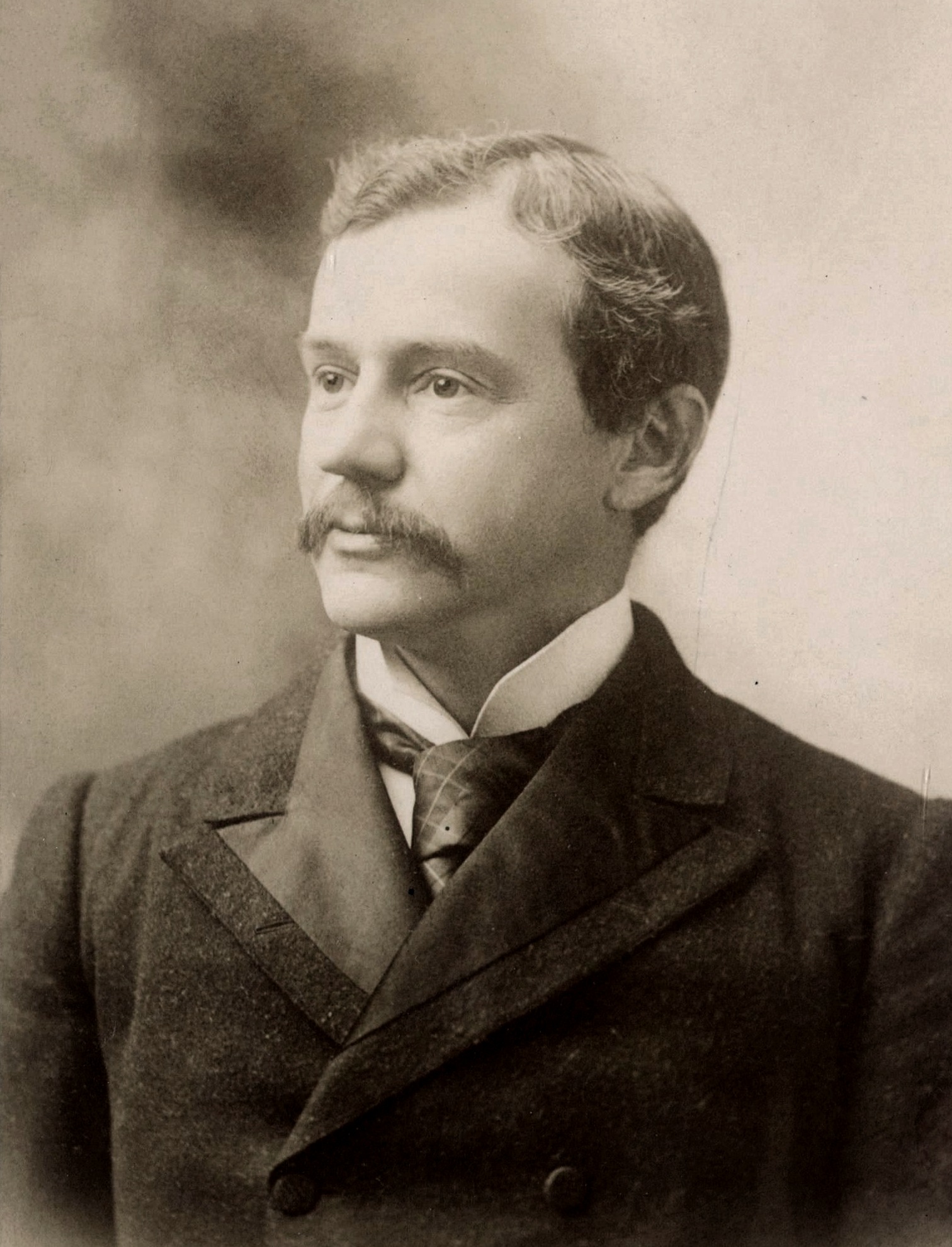
#13588
Snakes of Maryland.
1939
#6594
The first Negro medical society. A history of the Medico-Chirurgical Society of the District of Columbia.
A detailed history of the “first American Negro medical society formed in America and probably in the world”. Cobb was the first black American medical historian of note.
1951
#6596.1
The health of slaves on southern plantations.
Chiefly from contemporary MS records.
1970
#13559
Is carbon dioxide from fossil fuel changing man's environment?
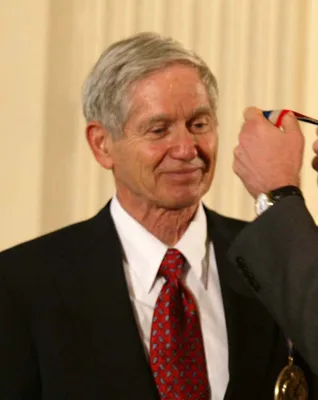
Keeling developed the first instrument that could measure carbon dioxide in atmospheric samples with consistently reliable accuracy, and in 1958 began collecting carbon dioxide samples from a base he established at Ma…
1977
#9288
Childbirth in the ghetto: Folk beliefs of negro women in a North Philadelphia hospital ward.
1977
#10803
Medical history of a Civil War regiment: Disease in the sixty-fifth United States Colored Infantry.
1978
#7047
Medicine and slavery. The diseases and health care of blacks in antebellum Virginia.
1979
#10888
Human babesiosis on Nantucket Island, USA: Description of the vector, Ixodes dammini, N. Sp. (Acarina: Ixodidae)
Order of authorship in the original paper was Spielman, Clifford, Piesman. The authors identified and described the insect vector of Babesiosis. This was a new species; the same species causes Lyme disease. (Thanks to…
1981
#8091
Bad blood: The Tuskegee syphilis experiment.
"From 1932 to 1972, the United States Public Health Service conducted a non-therapeutic experiment involving over 400 black male sharecroppers infected with syphilis. The Tuskegee Study had nothing to do with treatmen…
1983
#8082
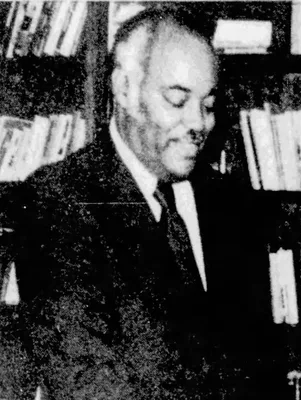
Educating black doctors: A history of Meharry Medical College.
1983
#10407
Changes in the land: Indians, colonists and the ecology of New England.

"In this work, Cronon demonstrated the impact on the land of the widely disparate conceptions of ownership held by Native Americans and English colonists. English law objectified land, making it an object of which the…
1984
#10327
History of the black physician in Indianapolis 1870 to 1980.
1986
#13784
Of birds and Texas.
Inspired by Audubon's double elephant folios, the first edition was limited to 500 sets and 25 artists' copies, signed by Scott Gentling and John Graves. Folio (28 x 22 inches). 40 chromolithographed plates of birds a…
1987
#6927
Sequencing the human genome. Summary report of the Santa Fe workshop, March 3-4, 1986.
The initial report on the Human Genome Project. For further information see the entry at HistoryofInformation.com at this link. The report is available at this link.
1993
#12429
The molecular vision of life: Caltech, the Rockefeller Foundation, and the rise of the new biology.
1994
#10090
Secret doctors: Ethnomedicine of African Americans.
"Based on an ethnographic study of the traditional medicine of African Americans in the rural southern United States, this work concentrates on the original Louisiana Territory, with its Native and African American in…
1998
#8205