
Facets
Browse across eight MeSH (opens in new tab) facets — era, geography, science, specialty, technology, history, culture, and reference. Select one tag per group; counts update across the others. What’s new in facet browse how facets relate to subjects and MeSH.
Clear filtersFacet filters
Geography
Specialties & Disease
- Anatomy & Pathology 9
- Cardiology & Blood 94
- Neurology & Psychiatry 78
- Obstetrics & Reproductive 17
- Infectious Disease (General) 5
- Surgery & Anesthesia 52
- Public Health 101
- Immunology & Dermatology 60
- General Clinical Medicine 46
- Military Medicine 16
- Psychology 9
- Alternative & Fringe Medicine 100
- Pediatrics 6
- Ophthalmology & Vision 5
- ENT & Hearing 3
- Urology & Nephrology 3
- Gastroenterology & Hepatology 10
- Pulmonary & Respiratory 9
- Rheumatology, Rehab & Pain 29
- Internal, Emergency & Geriatric 4
- Veterinary Medicine 8
- Epidemiology & Demography 13
- Physiology & Embryology 41
- Dentistry 7
- Plagues & Epidemics 92
- Microbiology & Virology 82
Social & Historical Studies
Institutions & Culture
Reference & Scholarly Works
82 entries match Microbiology & Virology [C01.748] · Pharmacology & Therapeutics [D01 / E02]
1490
#47
Liber Teisir, sive rectificatio medicationis et regiminis. Antidotarium. Translated from Arabic into Hebrew by Jacobus Hebraeus; into Latin by Paravicius. Add: Averroes: Colliget.
This is a Latin translation from a Hebrew version dating from 1280. Avenzoar, the greatest Muslim physician of the Western Caliphate, described the itch-mite, Sarcoptes scabiei, serous pericarditis, mediastinal absces…
1601
#13812
Rariorum plantarum historia.
Describing approximately 100 new species, the Rariorum plantarum historia gathers accounts from Clusius’s earlier botanical tours of Spain (Rariorum aliquot stirpium per Hispanias observatarum historia, 1576) and Aust…
1648
#2263.1
Historia naturalis Brasiliae.
Piso's study of the natural history of Brazil was also a pioneer work on tropical medicine, and also the largest work from the standpoint of format published by the Elzeviers. The folio includes De medicina brasiliens…
1675 –1679
#536
Anatome plantarum.
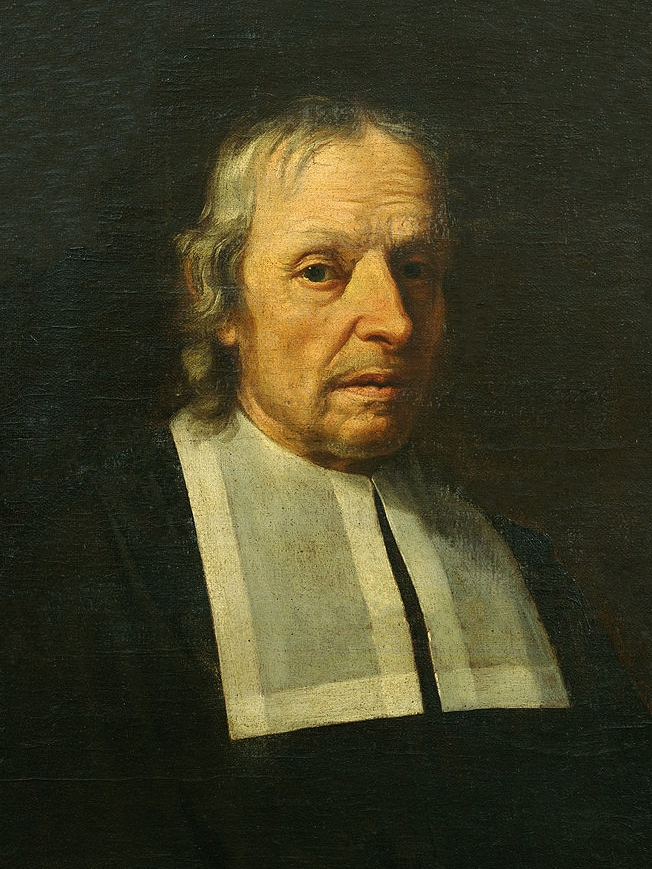
Malpighi was the founder of microscopic anatomy and a pioneer in the study of plant development. He approached the subject through the study of plant tissues. His Appendix adds to the work on chick embryology Malpighi…
1675
#12998
Theatrum fungorum oft het tooneel der Campernoelien. Waer inne vertoont wort de gedaente, ken-teeckens, natuere, crachten, voetsel, deught ende ondeught; mitsgaders het voorsichtigh schoonmaken ende bereyden van alderhande Fungien....
The first separate general work on fungi, describing edible and poisonous varieties. Digital facsimile from the Hathi Trust at this link.
1688
#7955
Remèdes contre les cours de ventre.
"The remedy here treated of is ipecacuanha: although its antidysenteric virtues had previously been made known in 1649 by the writings of Piso and Marggraf [No. 2263.1] it was left to Helvetius, about forty years subs…
1698
#5181
De ipecacuanha novo Gallorum antidysenterico. Resp. C[hristophe] F[riedrich] Kneussel.
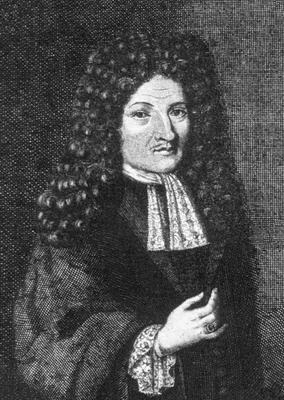
There is evidence that amoebic dysentery was known to Hippocrates. The history of treatment begins with the use of ipecacuanha, the dried root of Cephaelis ipecacuanha, a plant from Brazil. This was first mentioned as…
1729
#10170
Nova plantarum genera iuxta Tournefortii methodum disposita.
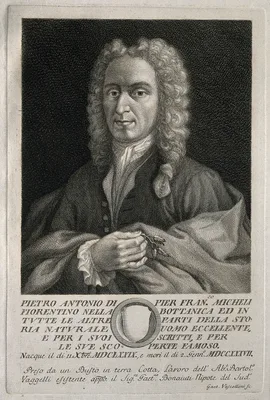
Micheli provided descriptions of 1900 plants, including first published descriptions of about 1400. Among those were 900 fungi and lichens, accompanied by 73 plates. He included information on "the planting, origin an…
1794
#8004
Demostracion de las eficaces virtudes nuevamente descubiertas en las raices de dos plantas de Nueva-España, especies de ágave y de begónia, para la curacion del vicio venéreo y escrofuloso ...
Balmis conducted experimental trials on the effectiveness of two Mexican plants, agave and begonia, which were believed, according to folk medicine practices in Mexico, to cure syphilis and scrofula. The trials confir…
1798
#11796
An entire new treatise on leeches, wherein the nature, properties, and use of that most singular and valuable reptile, is most clearly set forth.
Digital facsimiel from WellcomeLibrary.org at this link.
1799
#9070
Ensaios sobre algumas enfermidades d'Angola....
Azeredo noted that the tropical fevers found in Brazil and Angola were very similar. He claimed to have achieved excellent results with his “new method” of treatment, which included the use of quinine, nux vomica, ars…
1809
#11403
Observationes in Ordines plantarum naturales. Dissertatio prima complectens Anandrarum ordines Epiphytas, Mucedines, Gastromycos et Fungo.
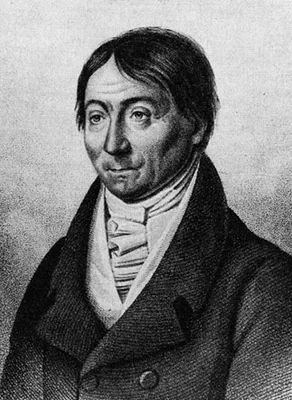
Link described Polyangium, the first bacterium to be described that is still recognized today. Link also described Penicillium for the first time.
1812 –1817
#2160
Mémoires de chirurgie militaire, et campagnes. (Vol. 5 entitled Relation médicale de campagnes et voyages.) 5 vols.
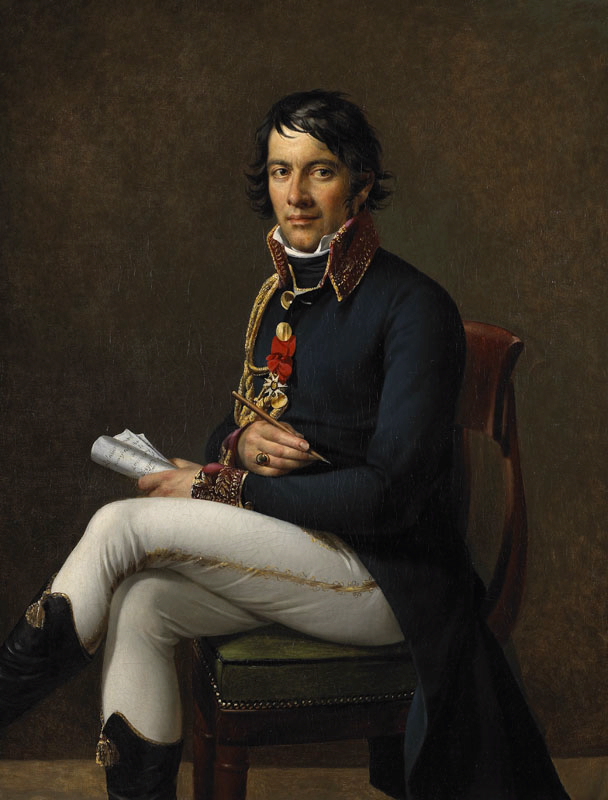
Larrey was the greatest military surgeon in history. Of him Napoleon said: “C’est l’homme le plus vertueux que j’ai connu”. He was present at all Napoleon’s great battles and one of the few who stood by him on his abd…
1816
#11799
A treatise on the medicinal leech; including its medical and natural history, with a description of its anatomical structure; also, remarks upon the diseases, preservation, and management of leeches.
Digital facsimile from the Hathi Trust at this link.
1817
#2468
Vergiftung durch verdorbene Würste.
Botulism first described. Kerner published an expanded study as Neue Beobachtungen über die in Würtemberg so häufig vorfallenden tödtlichen Vergiftung durch den Genuss geräuchter Würstem, Tübingen, 1820. He published …
1817
#1843
Mémoire sur l’émétine, et sur les trois espèces d’ipecacuanha.
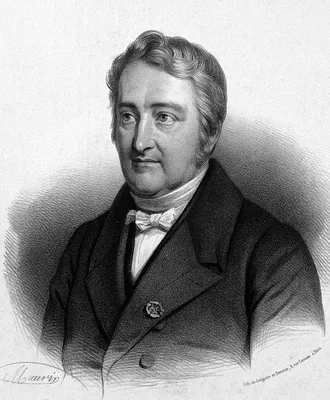
Isolation of emetine. It was not until a century later that Vedder demonstrated its value in the treatment of amoebiasis. Also during 1817 Magendie and Pelletier published "Recherches chimiques et physiologiques sur l…
1821 –1832
#10167
Systema mycologicum: Sistens fungorum ordines, genera et species, huc usque cognitas, quas ad normam methodi naturalis determinavit. 3 vols.
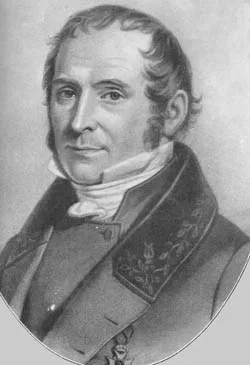
Fries's work represents the beginning of mycological nomenclature. Digital facsimile from Biodiversity Heritage Library at this link.
1821
#10647
Phytographie médicale, ornée de figures coloriées de grandeur naturelle, ou l’on expose l’histoire des poisons tirés du règne végétal, et les moyens de remédier a leurs effets délétères, avec des observations sur les propriétés et les usages des plantes héroïques. 2 vols.
Perhaps the most beautiful book on botanic poisons and their antidotes, including narcotics. Plates 1-15 cover mushrooms, and plate 175 depicts Cannabis sativa. With 180 plates printed in color à la poupée and finishe…
1822
#9071
Memoria sobre a virtude toenifuga da romeira, com observações zoologicas e zoonomicas relativas á toenea, e com huma estampa.
On the use of a root medicine to treat tapeworms, roundworms and similar parasites. The author refers to cases from Portuguese Africa, India and Brazil, and gives clinical observations based on his own case studies, s…
1825
#11800
Histoire naturelle et médicale des sangsues, contenant la description anatomique des organes de la sangsue officinale, avec des considérations physiologiques sur ces organes; des notions très-étendues sur la conservation domestique de ce ver, sa reproduction, ses maladies, son application, etc.
Digital facsimile from Biodiversity Heritage Library at this link.
1829 –1832
#109
Observations on the organs and mode of fecundation in Orchideae and Asclepiadeae.
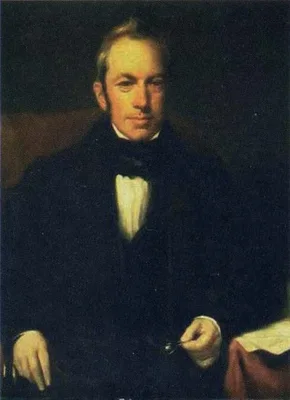
Discovery, in 1831, of the cell nucleus. First issued as a separate pamphlet: Observations on the Organs and Mode of Fecundation in orchideae and asclepiadeae ... [with:] Additional remarks ... London, [privately prin…
1859
#13815
Zoologie médicale exposé méthodique du régne animal basé sur l'anatomie, l'embryologie et la paléontologie comprenant la description des espèces employées en médicine de celles qui sont venimuses et de celles qui sont parasites de l'homme et des animaux. 2 vols.
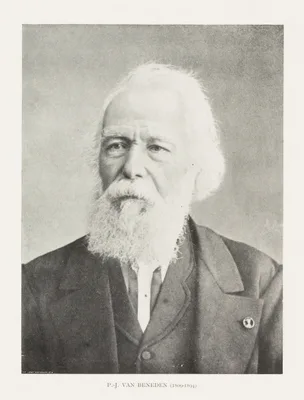
Digital facsimile from Biodiversity Heritage Library at this link.
1861
#5028
Die Hydrotherapie des Typhus.
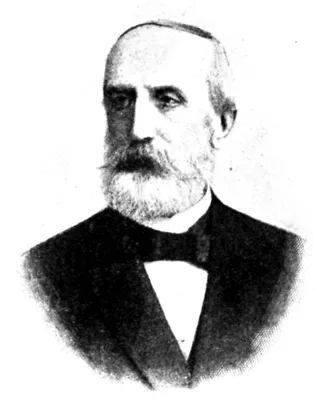
Brand’s cold bath treatment of typhoid fever consisted of total immersion in water at 65°F. and the pouring of cold water over the neck and shoulders. The cold bath treatment of fevers was instituted by Currie (see No…
1876
#1932
The optical deportment of the atmosphere in relation to the phenomena of putrefaction and infection.
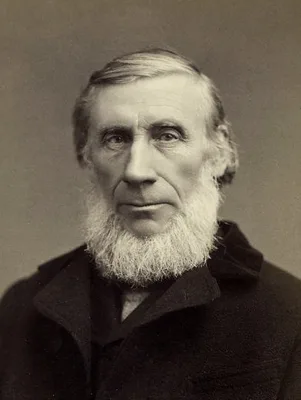
Tyndall observed the selective bacteria-inhibiting effect of Penicillium and the resistance of Ps. pyocyanea to it. See No. 2495.
1877
#1997
Researches on the effect of light upon bacteria and other organisms.
Downes and Blunt were the first to demonstrate the bactericidal action of sunlight; they regarded the germicidal property of light as depending on oxidation.
1877
#1932.1
Charbon et septicémie.
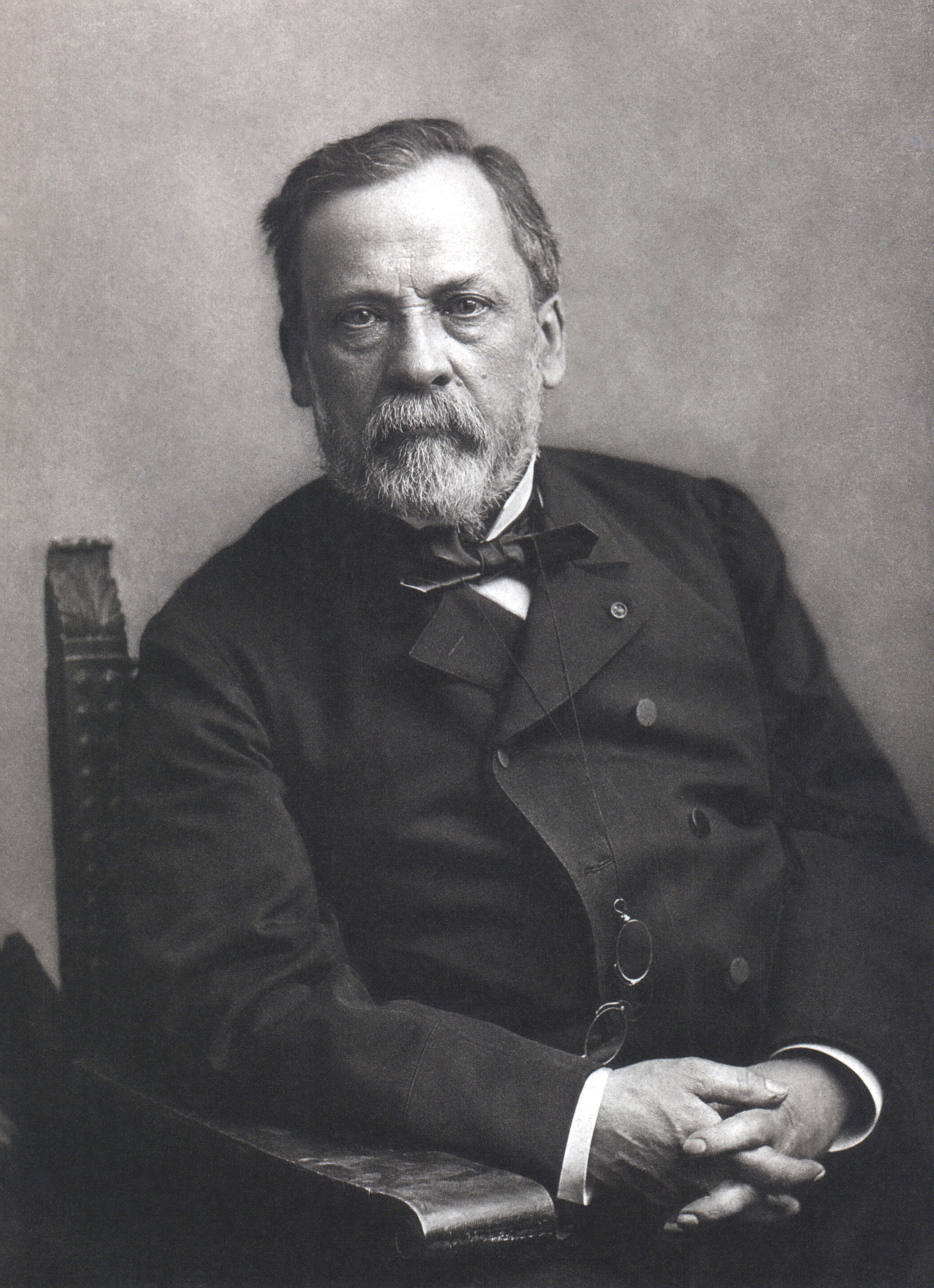
Discovery of Vibrion septique (Cl. septicum), the first pathogenic anerobe to be found. Pasteur and Joubert were probably the first to realize the practical implications of antibiosis. They noted the antagonism betwee…
1886
#2503.1
Ueber die Mosaikkrankheit des Tabaks.
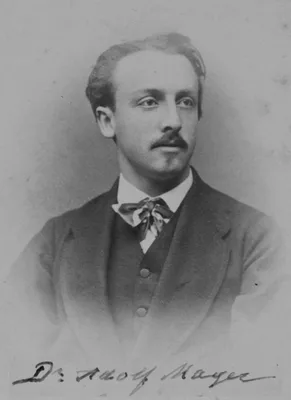
Mayer was first to describe and name tobacco mosaic disease and to demonstrate its infectious nature, that it could be transferred between plants, similar to bacterial infections. Translation in Phytopathological Clas…
1888
#2506
Ueber die Fleischvergiftung in Frankenhausen. a.K. und den Erreger derselben.
Discovery of Salmonella enteritidis, a cause of food poisoning.
1889
#1932.2
Bakteriolytische Enzyme als Ursache der erworbenen Immunität und die Heilung von Infectionskrankheiten durch dieselben.
Emmerich and Löw prepared a water-soluble antibiotic substance, pyocyanase, from Pseudomonas pyocanea. It inhibited pathogenic cocci and the organisms responsible for diphtheria, plague, cholera, and typhoid.
1889
#10786
Antibiose et symbiose.
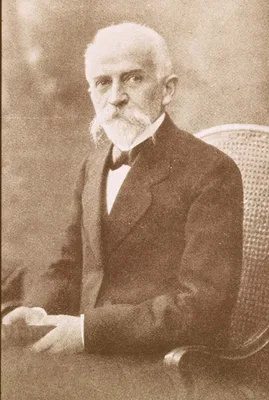
Villemin coined the term antibiosis and advanced the term from an evolutionary viewpoint. Though he presented the concept Villemin did not apply this concept to fight disease. (Thanks to Juan Weiss for this reference.)
1891
#5241.1
Ueber die Wirkung des Methylenblau bei Malaria.
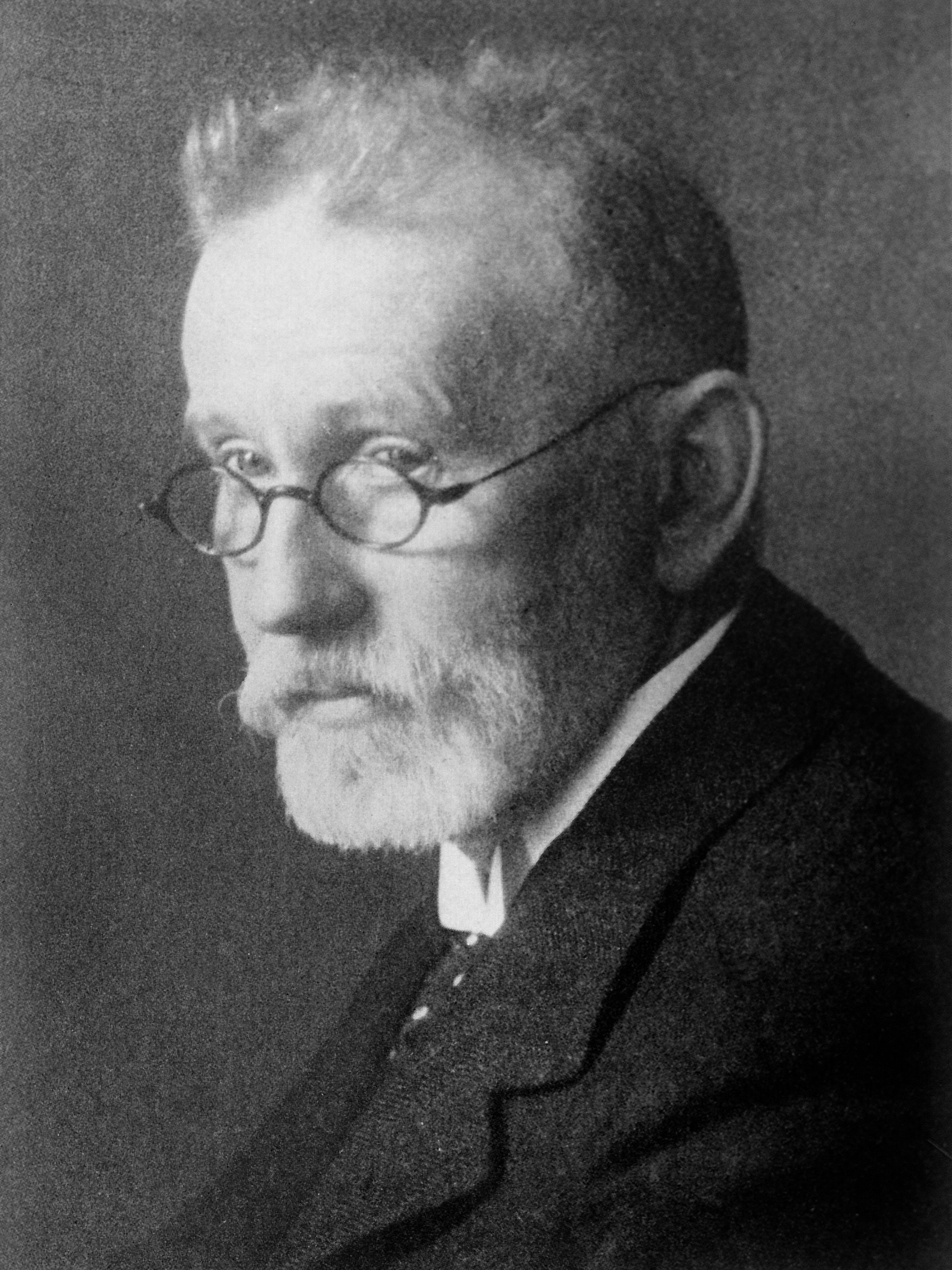
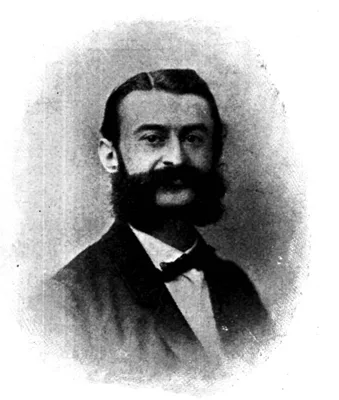
Guttmann and Ehrlich demonstrated methylene blue to be lethal in vitro for the malaria parasite – the beginning of Ehrlich’s work on chemotherapy.
1892
#2506.2
Ueber die Mosaikkrankheit der Tabakspflanze.
The Russian botanist Ivanovski demonstrated that the agent responsible for tobacco mosaic disease could pass through the finest filter then available. This was the starting point of research into the etiology of virus…
1892
#5243
Azione della chinina sui parasite malarici e sui corrispondente accessi febbrili.
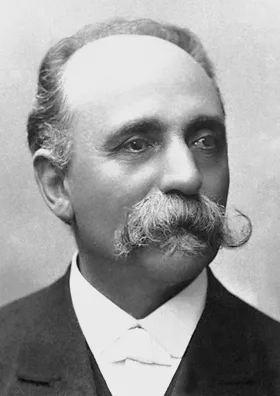
French translation in Arch. ital. Biol., 1892, 17, 456-71.
1897
#2510
Contribution à l’ètude des intoxications alimentaires. Recherches sur des accidents à caractères botuliniques provoqués par du jambon.
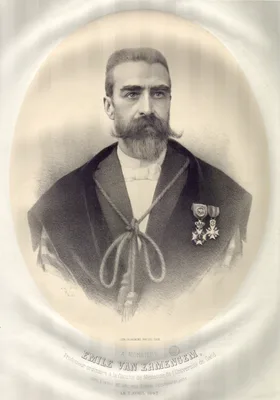
Cl. botulinum was discovered by van Ermengem in cases of food poisoning.
1898
#2513
On an epidemic of gastro-enteritis associated with the presence of a variety of the Bacillus enteritidis (Gaertner), and with positive sero-diagnostic evidence (in vivo and in vitro).
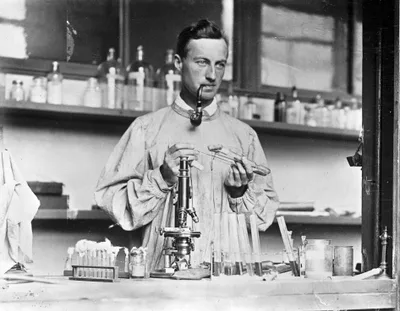
Discovery of Salm. Aertrycke in patients suffering from food poisoning.
1900
#2515
Ueber die nach Gram färbbaren Bacillen des Säuglingsstuhles.
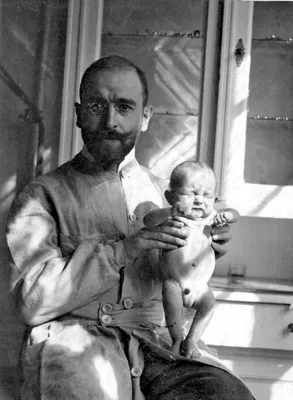
Isolation of Lactobacillus acidophilus.
1902
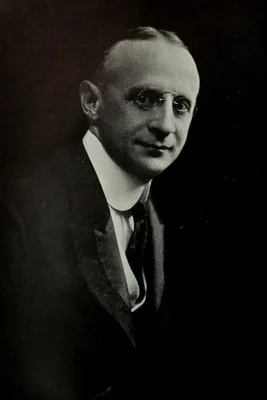
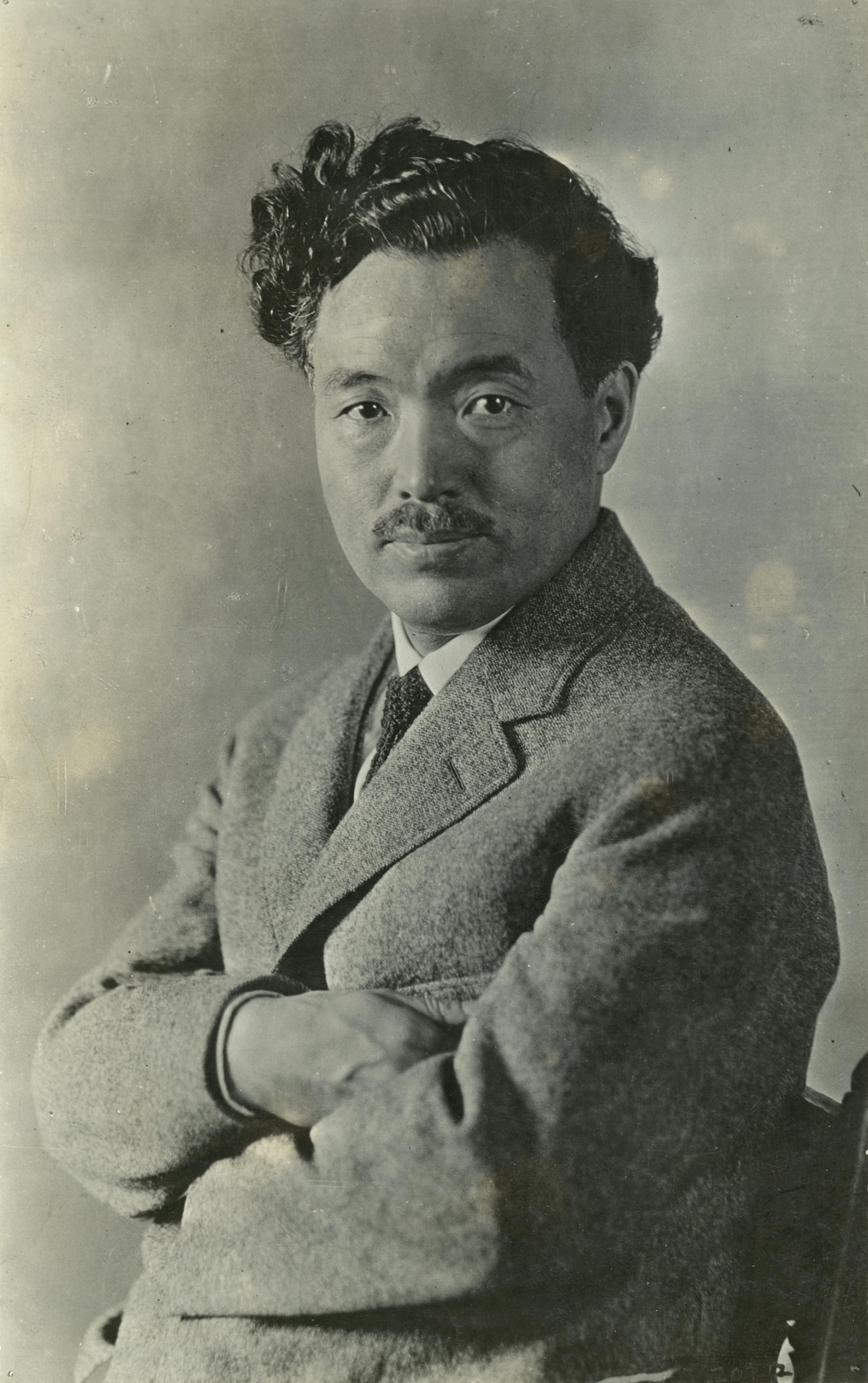
#2110
Snake venom in relation to haemolysis, bacteriolysis, and toxicity.
1905 –1914
#2518
Bacteria in relation to plant diseases. 3 vols.
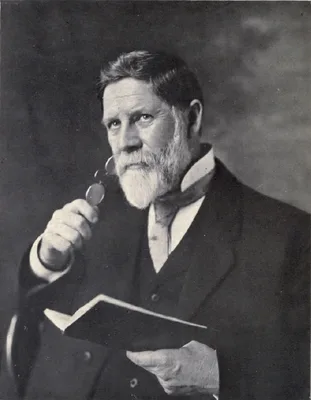
One of the most careful investigations of the bacterial diseases in plants was made by Smith, who conclusively demonstrated the existence of such diseases and proposed a scheme of classification for the bacteria conce…
1905
#5279
Report on trypanosomes, trypanosomiasis, and sleeping sickness, being an experimental investigation into their pathology and treatment.
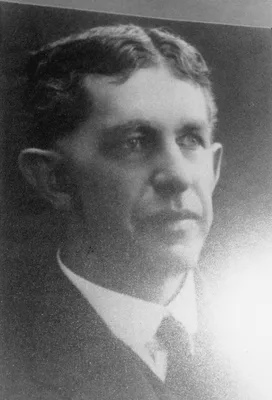
Thomas and Breinl discovered that arsanilic acid, was more potent in the treatment of laboratory trypanosomiasis than arsenic in inorganic form. As a crystalline powder it was introduced medically as Atoxyl. Thomas an…
1906 –1907
#2084
On the poisons of Amanita phalloides.
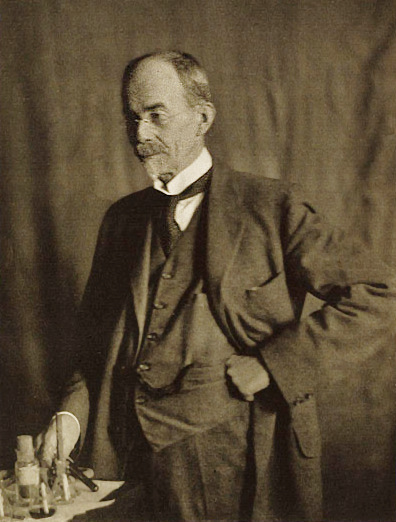
Abel and Ford showed that there were two poisons in the fungus Amanita phalloides, and that immunity against them could be attained. A further study on the subject by the same authors is in Arch. exp. Path. Pharmak., …
1907
#5281
Chemotherapeutische Trypanosomen-Studien.
The first account of induced microbial drug resistance. Ehrlich encountered induced drug resistance in microbes while researching arsenical preparations as cures for sleeping sickness and other trypanosome-caused illn…
1908
#9018
Philumeni de venenatis animalibus eorumque remediis capita XXXVIII ed. M. Wellmann. Corpus medicorum graecorum X 1, 1.
This work on venoms and their antidotes is the only surviving work of the Byzantine physician Philomenos. Within this context Philomenos also discusses the bites of rabid dogs. Digital facsimile from Corpus medicorum …
1910
#2403
Die experimentelle Chemotherapie der Spirillosen (Syphilis, Rückfallfieber, Hühnerspirillose, Frambösie).
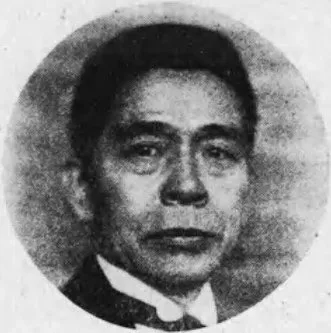
After many experiments on the action of synthetic drugs upon spirochetal diseases, Ehrlich and Hata in 1909 discovered Arsphenamine (Salvarsan, "the arsenic that saves", also known as “606”), an effective treatment fo…
1911
#5172
Die bakteriologische Blutuntersuchung beim Milzbrand des Menschen.
Salvarsan first used in the treatment of anthrax.
1911
#5189
Experiments undertaken to test the efficacy of the ipecac treatment of dysentery.
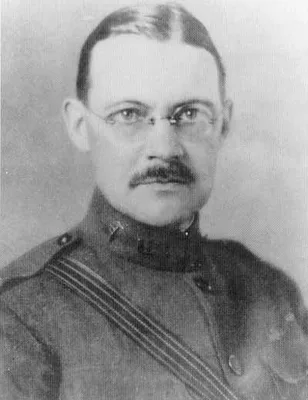
Vedder demonstrated the amoebicidal action of emetine; his work led to the general adoption of emetine in the treatment of amoebic dysentery.
1912
#5324
Salvarsantherapie der Rattenbisskrankheit in Japan.
Salvarsan first used in the treatment of rat-bite fever.
1922
#1910.1
On a remarkable bacteriolytic element found in secretions and tissues.
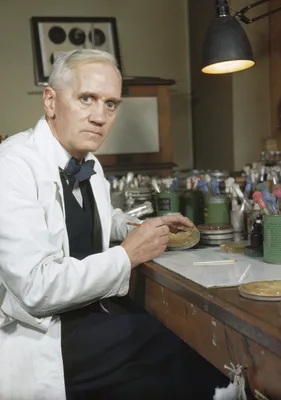
Lysozyme, an antimicrobial enzyme that is a component of secretions such as tears and saliva. Digital facsimile from royalsocietypublishing.org at this link
1924
#11226
Catalogue of the mycological library of Howard A. Kelly. Compiled by Louis C. C. Krieger.
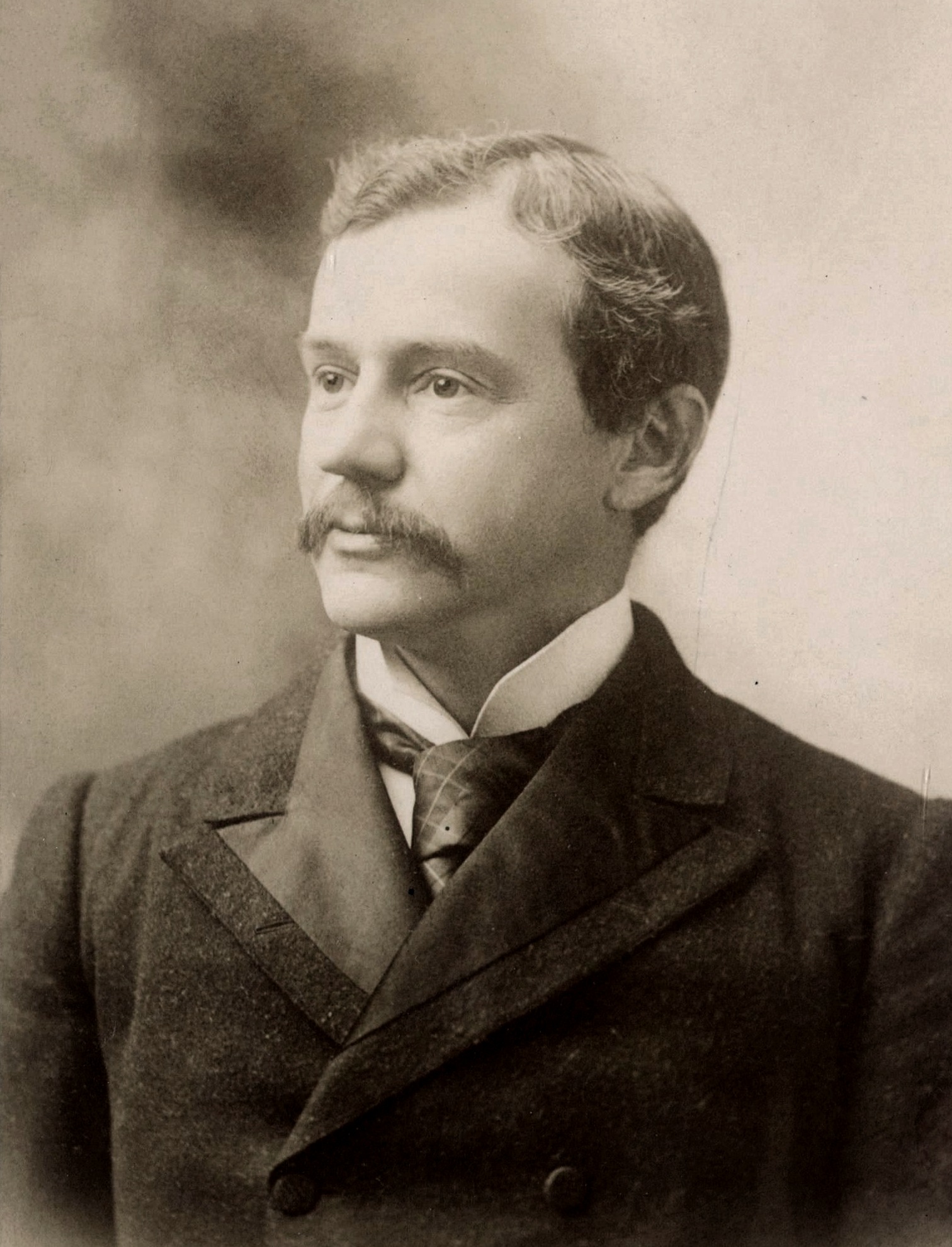
The catalogue was prepared for Kelly by Louis Krieger, an eminent mycologist and botanical illustrator. Entries for this library were not numbered; however in his introduction Kelly stated that the library "herewith c…
1925
#1911
Intravenous use of dyes.
Churchman demonstrated the selective bactericidal action of gentian violet against staphylococci. See also J. exp. Med., 1912, 16, 221-47; J. Urol., 1924, 11, 1-18.
1926
#1915
On the chemotherapy of neurosyphilis and trypanosomiasis.
Study of the effect of twelve different substances in neurosyphilis and trypanosomiasis.