
Facets
Browse across eight MeSH (opens in new tab) facets — era, geography, science, specialty, technology, history, culture, and reference. Select one tag per group; counts update across the others. What’s new in facet browse how facets relate to subjects and MeSH.
Clear filtersFacet filters
Geography
Specialties & Disease
- Anatomy & Pathology 7
- Cardiology & Blood 94
- Neurology & Psychiatry 27
- Obstetrics & Reproductive 5
- Infectious Disease (General) 1
- Surgery & Anesthesia 76
- Public Health 8
- Immunology & Dermatology 50
- General Clinical Medicine 1
- Military Medicine 0
- Psychology 3
- Alternative & Fringe Medicine 0
- Pediatrics 44
- Ophthalmology & Vision 12
- ENT & Hearing 5
- Urology & Nephrology 0
- Gastroenterology & Hepatology 9
- Pulmonary & Respiratory 5
- Rheumatology, Rehab & Pain 4
- Internal, Emergency & Geriatric 0
- Veterinary Medicine 2
- Epidemiology & Demography 4
- Physiology & Embryology 23
- Dentistry 3
- Plagues & Epidemics 27
- Microbiology & Virology 22
Social & Historical Studies
Institutions & Culture
Reference & Scholarly Works
454 entries match Genetics & Heredity [K01.900.300]
1972
#7433
The palmar fascia.
"There have been many descriptions of the palmar fascia by anatomists and in papers dealing with the surgical treatment of Dupuytren's contracture, but what seems to be lacking is an overall view of the problem, based…
1973
#14089
Rh: The intimate history of a disease and its conquest.
1974
#5019.15
A centennial bibliography of Huntington’s chorea, 1872-1972.
Over 2,000 references to original works. Chronological arrangement. Author, geographic and other indexes. With F. Baro and N. C. Myrianthopoulos.
1974
#9941
The genetics of CAENORHABDITIS ELEGANS.

In 2002 Brenner shared the Nobel Prize in Physiology or Medicine in Physiology or Medicine with H. Robert Horvitz and John Sulston "for their discoveries concerning genetic regulation of organ development and programm…
1974
#10047
Genome construction between bacterial species in vitro: Replication and expression of staphylococcus plasmid genes in Escherichia coli.
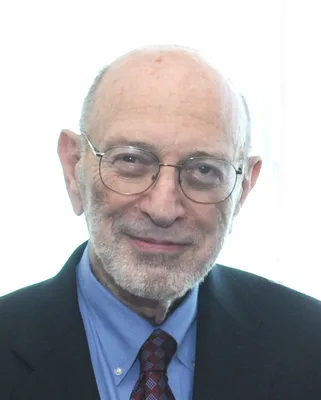
Creation of the first transgenic organism: expression of Staphylococcus aureus genes in Escherichia coli. Digital facsimile from pnas.org at this link.
1974
#12245
Diagnosis of cyanotic congenital heart malformations in infants by real-time, two-dimensional echocardiography.
Two-dimensional (cross-sectional) echocardiography.
1974
#13934
Genetic control of the cell division cycle in yeast.
In 2001 Hartwell shared the Nobel Prize in Physiology or Medicine with Tim Hunt and Sir Paul M. Nurse "for their discoveries of key regulators of the cell cycle." See also No. 13933. In this paper the authors demonstr…
1976
#2660.28
DNA related to the transforming gene(s) of avian sarcoma viruses is present in normal avian DNA.
Discovery of the first “oncogene. In 1989 Varmus and Bishop shared the Nobel Prize for in Physiology or Medicine "for their discovery of the cellular origin of retroviral oncogenes."
1976
#13972
A colony bank containing synthetic Col El hybrid plasmids representative of the entire E. coli genome.
First description of a "complete" genomic library. This paper includes the Carbon-Clarke equation used for calculating the number of clones required when constructing a clone library to ensure a given probability (usu…
1977
#6883
DNA sequencing with chain-terminating inhibitors.
Sanger and colleagues developed methods for rapid sequencing of long sections of DNA molecules. Sanger’s method, and that developed by Gilbert and Maxam, made it possible to read the nucleotide sequence for entire gen…
1977
#6884
The nucleotide sequence of bacteriophage phi-X174.
Sanger and colleagues sequenced the first whole DNA genome—that of bacteriophage phi-X174 (5375 bases)
1977
#6926
A new method for sequencing DNA.

The Gilbert-Maxam method for sequencing DNA. This paper is available from PNAS at this link. In 1980 Gilbert shared the 1980 Nobel Prize in Chemistry with Frederick Sanger and Paul Berg. Berg received half of the priz…
1978
#7456
A gene complex controlling segmentation in Drosophila.
Discovery of the Drosophila Bithorax complex and elucidation of its function. Lewis founded the field of developmental genetics and laid the groundwork for current understanding of the universal, evolutionarily conser…
1979
#14007
Characterization of a 54K Dalton cellular SV40 tumor antigen present in SV40 transformed cells and uninfected embryonal carcinoma cells.
Levine discovered the tumor suppressor protein p53, also known as Tumor protein P53. Because it prevents cancer formation TP 53 is classified as a tumor suppressor gene. The discovery was completed in 1989 and recorde…
1980
#6893
Cloning in single-stranded bacteriophage as an aid to rapid DNA sequencing.
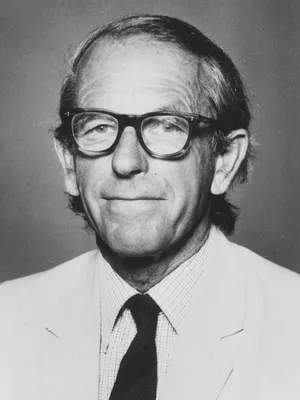
Sanger and colleagues developed the random shotgun method to prepare templates for DNA sequencing. With A. R. Coulson, B. G. Barrell, A. J. H. Smith & B. A. Roe.
1980
#7455
Mutations affecting segment number and polarity in Drosophilia.

In 1995 Nüsslein-Volhard and Wieschaus shared the Nobel Prize in Physiology or Medicine with Edward B. Lewis "for their discoveries concerning the genetic control of early embryonic development."
1980
#12304
Expression of a bacterial gene in mammalian cells.
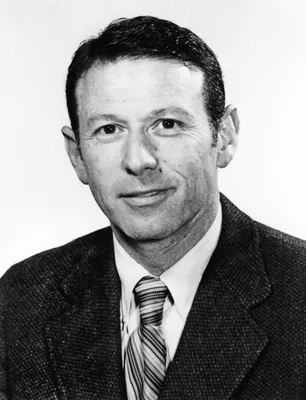
(Order of authorship in the original publication: Mulligan, Berg.) In an understated paper the authors suggested the potential of treating recessive diseases like Lesch-Nyhan syndrome by gene therapy. (Thanks to Juan …
1980
#13918
Gene transfer in intact animals.
Cline and colleagues were the first to successfully transfer a functioning gene into a living mouse, creating the first transgenic organism.
1980
#14108
The striking resemblance of high-resolution G-banded chromosomes of man and chimpanzee.
Chimpanzees are the closest primates genetically to humans. In this paper the authors demonstrated the genetic changes that differentiated humans from chimpanzees. By comparing human and chimpanzee chromosomes the aut…
1981
#9175
Molecular cloning of poliovirus cDNA and determination of the complete nucleotide sequence of the viral genome.


The poliovirus genome. Digital facsimile from PNAS through PubMedCentral at this link.
1981
#9176
Primary structure, gene organization and polypeptide expression of poliovirus RNA.
The poliovirus genome. With around 10 co-authors. "The primary structure of the poliovirus genome has been determined. The RNA molecule is 7,433 nucleotides long, polyadenylated at the 3′ terminus, and covalently link…
1981
#13960
A complete nucleotide sequence of an infectious clone of cauliflower mosaic virus by M13mp7 shotgun sequencing.
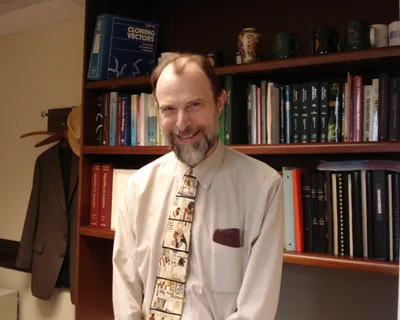
Messing and colleagues employed shotgun sequencing to sequence the genome of cauliflower mosaic virus, the first genome sequenced by the shotgun method. They developed the shotgun DNA sequencing method with single and…
1982
#6885
Nucleotide sequence of bacteriophage lambda.
Sanger and colleagues sequenced the entire genome of bacteriophage lambda using a random shotgun technique. This was the first whole genome shotgun (WGS) sequence.
1982
#12368
Congenital heart disease: Benchmark papers in human physiology.
1982
#14018
Agrobacterium rhizogenes inserts T-DNA into the genomes of the host plant root cells.

Chilton was the first (1977) to demonstrate the presence of a fragment of Agrobacterium Ti plasmid DNA in the nuclear DNA of crown gall tissue. Her research on Agrobacterium also showed that the genes responsible for …
1983
#13975
Metallothionein - human GH fusion genes stimulate growth of mice.
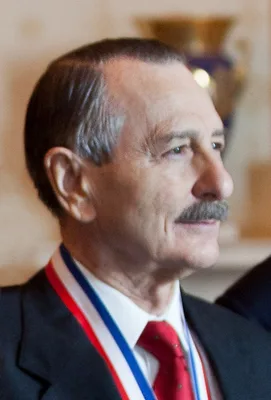
Brinster and Palmiter created the first "transgenic" animals, transferring non-native genes into mice through genetic engineering techniques. The cover of the issue of Science magazine in which this paper was publishe…
1984
#7428
DNA sequences from the quagga, an extinct member of the horse family.
Probably the first study of DNA isolated from ancient specimens, or ancient DNA (aDNA). By Higuchi, Barbara Bowman, and Mary Freiberger from the Department of Biochemistry, University of California, Berkeley and Ryder…
1984
#13991
Completion of mouse embryogenesis requires both the maternal and paternal genomes.
Solter discovered mammalian genomic imprinting that causes parent-of-origin specific gene expression, with consequences for development and disease. "Genomic imprinting is an epigenetic phenomenon that causes genes to…
1985
#10319
In the name of eugenics: Genetics and the uses of human heredity.

1985
#10785
Enzymatic amplication of B-globin genomic sequences and restriction site analysis for diagnosis of sickle cell anemia.
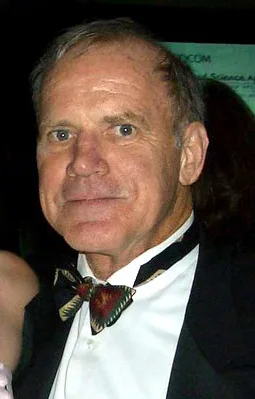
Polymerase chain reaction first published. With Randall K. Saiki, Stephen Scharf, Fred Faloona et al. Order of authorship in the original paper was Saiki, Scharf, Faloona, Mullis.... In 1993 the Nobel Prize in Chemist…
1986
#8606
The man behind the syndrome.
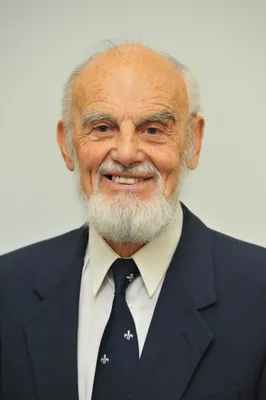
Portraits and biographies, emphasizing genetic syndromes. Followed by the authors' The person behind the syndrome (1997).
1986
#13974
A human DNA segment with properties of the gene that predisposes to retinoblastoma and osteosarcoma.

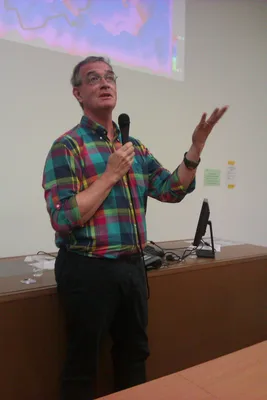

Isolation of the first human tumor suppressor gene. Order of authorship in the original publication: Friend, Bernards, Rogeli, Weinberg, Rapaport, Albert, Dryja.
1986
#13990
Fluorescence detection in automated DNA sequence analysis.


Invention of the first semi-automated DNA sequencing machine by Leroy H. Hood, Lloyd M. Smith and colleagues. Abstract of the paper: "We have developed a method for the partial automation of DNA sequence analysis. Flu…
1987
#6927
Sequencing the human genome. Summary report of the Santa Fe workshop, March 3-4, 1986.
The initial report on the Human Genome Project. For further information see the entry at HistoryofInformation.com at this link. The report is available at this link.
1987
#7256
Mitochondrial DNA and human evolution.
Cann's discovery that all living humans are genetically descended from a single African mother, known as Mitochrondrial Eve, who lived <200,000 years ago, became the foundation of the Out of Africa theory, the most wi…
1987
#13931
Site-directed mutagenesis by gene targeting in mouse embryo-derived stem cells.

In 2007 Capecchi shared the 2007 Nobel Prize in Physiology or Medicine with Martin J. Evans and Oliver Smithies "for their discoveries of principles for introducing specific gene modifications in mice by the use of em…
1988
#10228
Racial hygiene: Medicine under the Nazis.
1989
#13568
Identification of the cystic fibrosis gene: Chromosome walking and jumping.


Utilizing the chromosome "walking and and jumping" technique developed by Collins, the authors showed how they cloned the cystic fibrosis locus on the basis of its chromosomal location without the benefit of genomic r…
1989
#13569
Identification of the cystic fibrosis gene: Cloning and characterization of complimentary DNA.
The authors first published a ‘map’ of the cystic fibrosis (CF) gene and on p. 1071, they published an illustration/schematic model of the predicted CFTR (cystic fibrosis transmembrane conductance regulator). They fir…
1989
#13570
Identification of the cystic fibrosis gene: Genetic analysis.
The authors demonstrated that about 70% of the crucial mutation in cystic fibrosis (CF) patients corresponds to the specific deletion of 3 base pairs, which results in the loss of a phenylalanine residue at A.A. posit…
1990
#7966
The emergence of bacterial genetics.
1990
#13966
Linkage of early-onset familial breast cancer to Chromosome 17q21.
King showed that breast cancer can be inherited due to mutations in the Breast cancer type 1 susceptibility protein, a protein that in humans is encoded by the BRAC1 gene. BRCA1 is a human tumor suppressor gene (also …
1991
#6886
Complementary DNA sequencing: "expressed sequence tags" and the human genome project.
Expressed Sequence Tags (ESTs) for DNA sequencing. By Adams, M.D., Kelley, J.M., Gocayne, J.D., Dubnick, M., Polymeropoulos, M.H., Xiao, H., Merril, C.R., Wu, A., Olde, B., Moreno, R., Kerlavage, A.R., McCombie, W.R.,…
1992
#10400
The code of codes: Scientific and social issues in the human genome project. Edited by Daniel J. Kevles and Leroy Hood.
Chapter 1. "Out of eugenics: The historical politics of the human genome" by D. J. Kevles. Chapter 2. "A history of the science and technology behind gene mapping and sequencing" by Horace Freeland Judson. Chapter 7. …
1993
#14008
A novel gene containing a trinucleotide repeat that is expanded and unstable on Huntington's disease chromosomes.
Identification by the many scientists in The Huntington's Disease Collaborative Research Group, including Gusella, of the single defective gene on chromosome 4 that causes the progressive brain disorder, Huntington's …
1994
#8538
The history and geography of human genes.
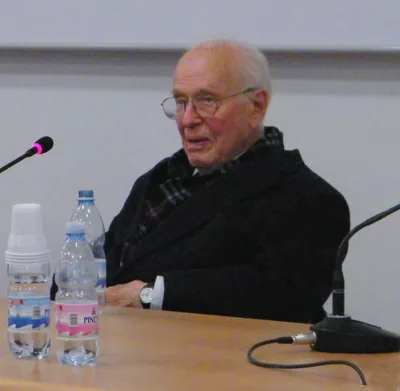
The first full-scale attempt to reconstruct where human populations originated and the paths by which they spread throughout the world, using genetic data integrated with data from geography, ecology, archaeology, phy…
1994
#9718
Molecular politics: Developing American and British regulatory policy for genetic engineering, 1972-1982.
1994
#10195
A history of gene transfer and therapy by Jon A. Wolff and Joshua Lederberg in: Wolff, Jon A. (ed.) Gene therapeutics: Methods and applications of direct gene transfer, pp.3-25.
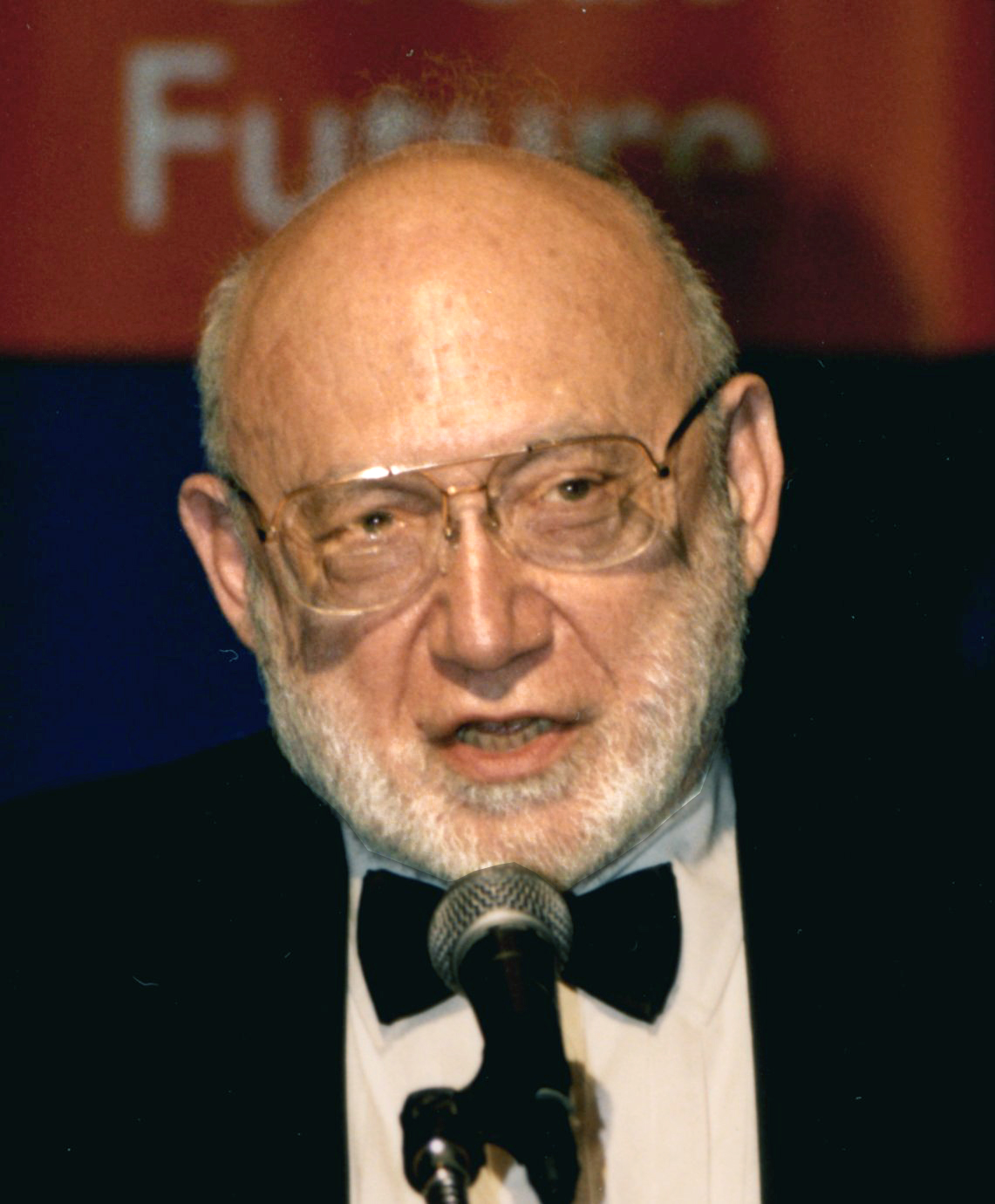
Valuable for its detailed, but highly compressed discussion of the earliest history of these subjects, co-authored by Lederberg, who played a significant role during that period.
1994
#14015
A strong candidate for the breast and ovarian cancer susceptibility gene BRCA1.
Discovery of the BRCA1 gene using the technique of restriction fragment length polymorphism (RFLP). (Thanks to Juan Weiss for this reference and its interpretation.)
1994
#14016
Location of a breast cancer susceptibility gene, BRACA2, to chromosome 13q12-13.
Stratton and colleagues discovered the BRCA2 gene. Oder of authorship in the original publication: Wooster, Neuhausen, Mangion....Stratton. (Thanks to Juan Weiss for this reference and its interpretation.)