
Facets
Browse across eight MeSH (opens in new tab) facets — era, geography, science, specialty, technology, history, culture, and reference. Select one tag per group; counts update across the others. What’s new in facet browse how facets relate to subjects and MeSH.
Clear filtersFacet filters
Geography
Specialties & Disease
- Anatomy & Pathology 765
- Cardiology & Blood 914
- Neurology & Psychiatry 1,258
- Obstetrics & Reproductive 551
- Infectious Disease (General) 147
- Surgery & Anesthesia 1,553
- Public Health 1,129
- Immunology & Dermatology 1,405
- General Clinical Medicine 487
- Military Medicine 436
- Psychology 202
- Alternative & Fringe Medicine 383
- Pediatrics 247
- Ophthalmology & Vision 412
- ENT & Hearing 293
- Urology & Nephrology 309
- Gastroenterology & Hepatology 316
- Pulmonary & Respiratory 233
- Rheumatology, Rehab & Pain 189
- Internal, Emergency & Geriatric 123
- Veterinary Medicine 165
- Epidemiology & Demography 397
- Physiology & Embryology 924
- Dentistry 259
- Plagues & Epidemics 1,279
- Microbiology & Virology 1,080
Social & Historical Studies
Institutions & Culture
Reference & Scholarly Works
1,080 entries match Microbiology & Virology [C01.748]
1858
#10278
Mémoire sur les vers intestinaux.
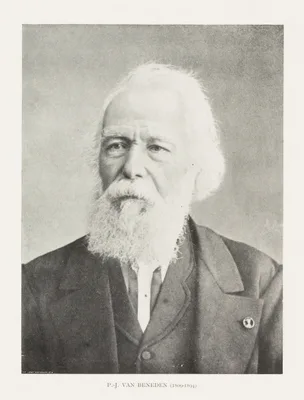
Beneden's treatise on the development, transformation, and life-histories of parasitic worms won the Grand prix des sciences physiques of the Institut de France. It was published in the "International Scientific Serie…
1859
#2473
Nouveaux faits pour server à l’histoire de la levure lactique.
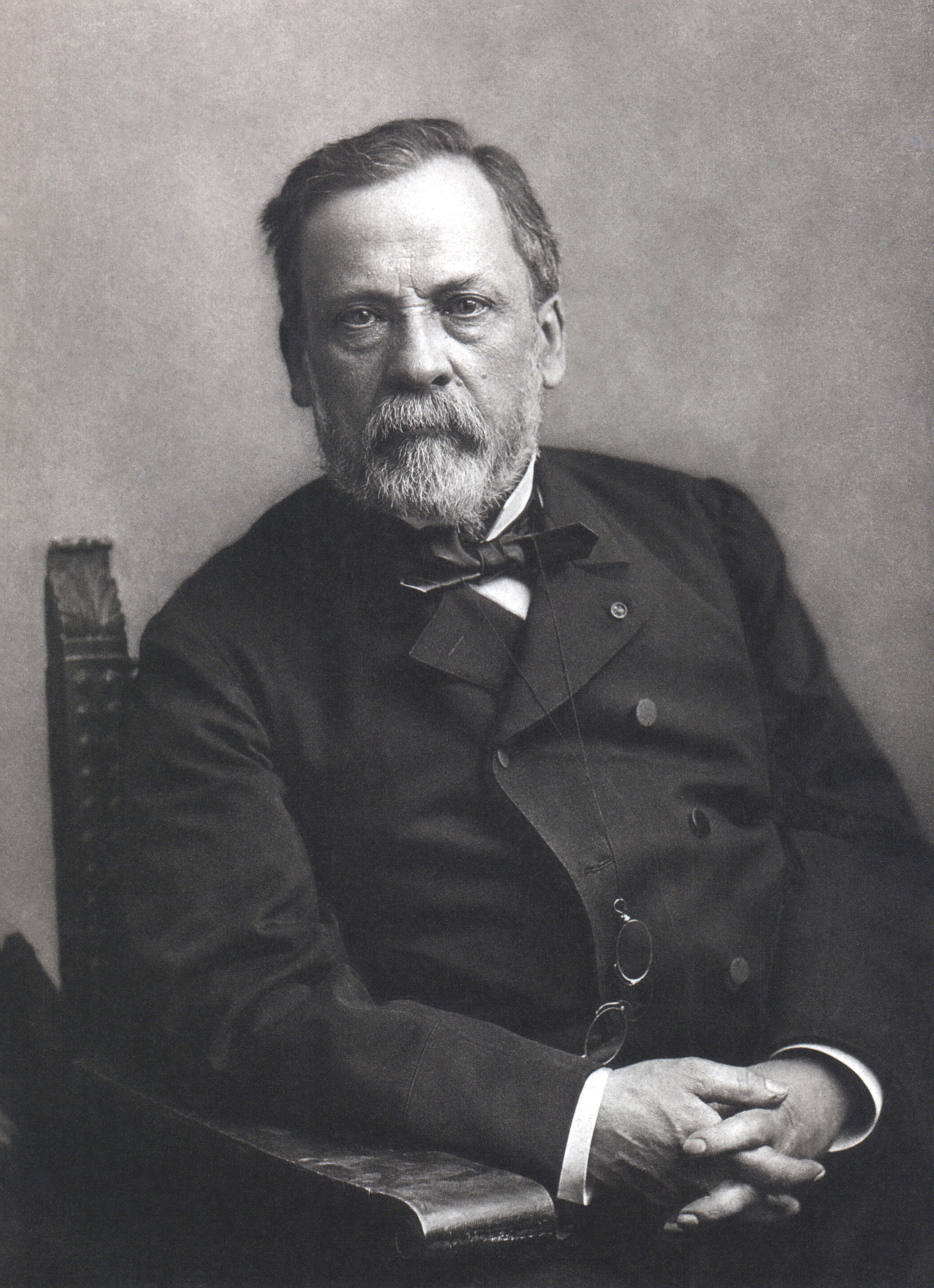
This and the preceding entry mark Pasteur’s commencement of the study of fermentation. This paper described Pasteur’s method of cultivating micro-organisms in a medium free of organic nitrogen to produce fermentations…
1859
#13815
Zoologie médicale exposé méthodique du régne animal basé sur l'anatomie, l'embryologie et la paléontologie comprenant la description des espèces employées en médicine de celles qui sont venimuses et de celles qui sont parasites de l'homme et des animaux. 2 vols.
Digital facsimile from Biodiversity Heritage Library at this link.
1860
#2451
Traité des entozoaires et des maladies vermineuses.
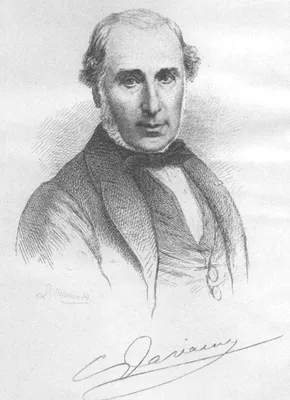
1860
#2474
Expériences relatives aux générations dites spontanées.
1860
#5342
Ueber die Trichinen-Krankheit des Menschen.
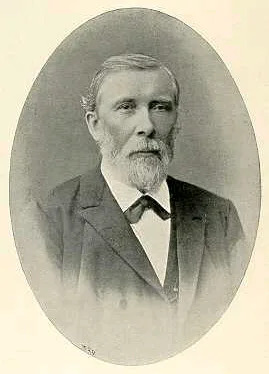
The intestinal and muscular forms of trichinosis were first noted by Zenker, who established their connection with the disease. English translation in Kean (No. 2268.1).
1860
#5343
Untersuchungen über Trichina spiralis.
Leuckart provided an articulate and detailed description of Trichinella spiralis.
1861
#117
Ueber Muskelkörperchen und das, was man eine Zelle zu nennen habe.
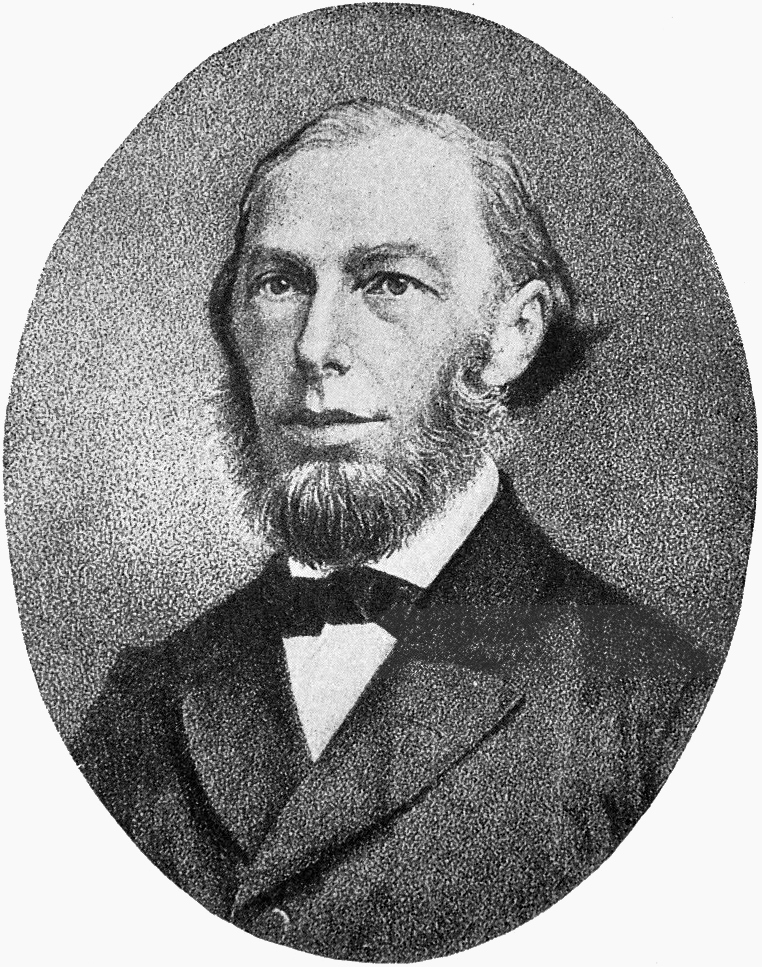
Schultze showed the cell to be a clump of nucleated protoplasm, stating that each muscle fibre or primitive muscle bundle was developed from a single myoblast by successive divisions of its cell or nucleus. His work s…
1861
#2475
Mémoire sur les corpuscles organisés qui existent dans l’atmosphère. Examen de la doctrine des générations spontanées.
In these easily reproducible experiments, prefaced by an important historical introduction, Pasteur demonstrated beyond dispute that fermentation is caused by the action of minute living organisms, and that if these a…
1861
#2475.1
Animalcules infusoires vivant sans gaz oxygène libre et déterminant des fermentations.
The discovery of strict anaerobiosis, important for general biology since it shows that oxygen gas is not a requisite for life.
1861
#3993
On the parasitic affections of the skin.
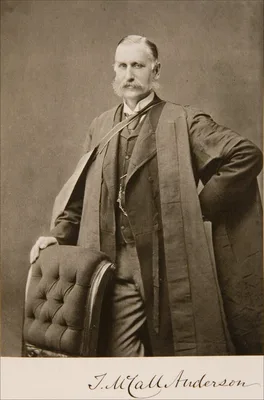
Anderson was Professor of Clinical Medicine at Glasgow. Digital facsimile of the second edition (1868) from the Internet Archive at this link.
1861
#4047
On a new and striking form of fungus disease, principally affecting the foot, and prevailing endemically in many parts of India.
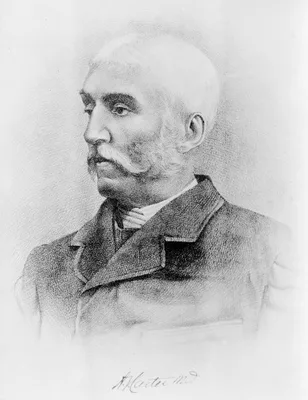
First modern description of mycetoma of the foot – “Madura foot”, “Carter’s mycetoma”. It was mentioned by E. Kaempfer in his Amoenitates exoticae, Lemgo, 1712, p. 561. Colebrook at the Madura Dispensary is said to ha…
1861
#5028
Die Hydrotherapie des Typhus.
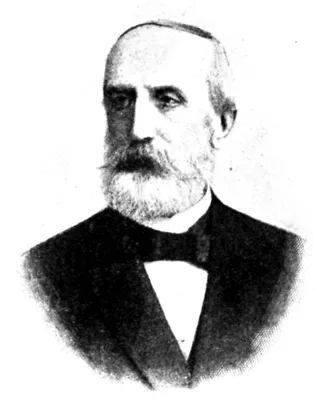
Brand’s cold bath treatment of typhoid fever consisted of total immersion in water at 65°F. and the pouring of cold water over the neck and shoulders. The cold bath treatment of fevers was instituted by Currie (see No…
1861 –1862
#4640
Die Gürtelkrankheit.
Herpes zoster first ascribed to a lesion of the spinal ganglia.
1862 –1876
#2453
Die menschlichen Parasiten und die von ihnen herrührenden Krankheiten. 2 vols.
Includes the first complete and accurate account of the life history and morphology of Taenia echinococcus. Leuckart proved the relationship between hydatid cysts and minute tape-worms in dogs. English translation, Ed…
1862
#5344.1
Ein Beitrag zur Pathologie der Trichinenkrankheit beim Menschen.
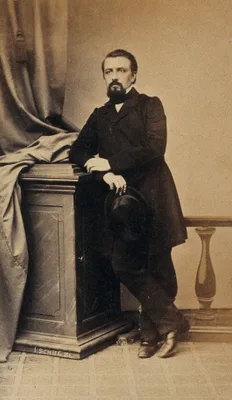
First confirmed diagnosis of trichinosis in a living person.
1863
#548.1
Ueber Eiter- und Bindegewebskörperchen.
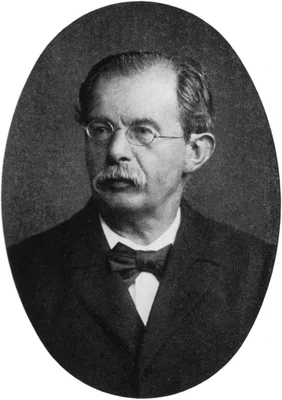
Recklinghausen described granular cells in the frog mesentery, later named “mast cells” by Ehrlich (No. 553.1).
1863
#118
Das Protoplasma der Rhizopoden und der Pflanzenzellen.
Schultze showed that protoplasm is practically identical in all living cells.
1863
#2476
Nouvel exemple de fermentation determinée par des animalcules infusoires pouvant vivre sans gaz oxygène libre, et en dehors de tout contact avec l’air de l’atmosphere.
Pasteur confirmed the fact, established by Schwann (No. 674) that putrefaction was a biological process.
1863
#2477
Examen du rôle attribué au gaz oxygène atmosphérique dans la destruction des matières et végétales après la mort.
1863
#2478
Recherches sur la putréfaction.
Pasteur was the first to differentiate between aerobic and anaerobic organisms. (See also Nos. 2476-77.)
1863
#5097
Report on fever (Malta).
Marston wrote the first description of Malta fever as a distinct disease. He contracted the disease while serving in the Mediterranean area and described his own case. Marston was apparently the first to describe “Wei…
1863
#5165
Recherches sur les infusoires du sang dans la maladie connue sous le nom de sang de rate.
Davaine showed that anthrax could be transmitted to sheep, horses, cattle, guinea-pigs, and mice, and that in such animals the bacilli did not appear in the blood until 4-5 hours before death.
1863
#5344.2
On the structure and nature of the Dracunculus or Guinea worm.
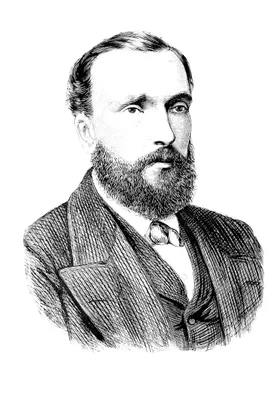
First detailed description.
1863
#5344.3
Note sur une tumeur des bourses contenant un liquide laiteux (galactocèle de Vidal) et renfermant de petits êtres vermiformes que l’on peut considérer comme les helminthes hèmatoïdes à l’étatd’embryon.
Description of the embryonic stage of Wuchereria bancrofti in hydrocele fluid.
1864 –1869
#2452
Entozoa. 2 pts.
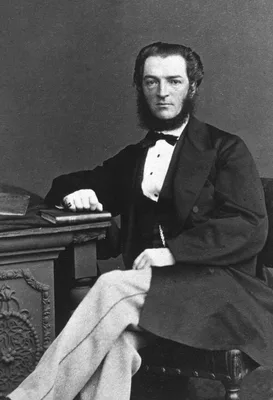
Cobbold was the most distinguished helminthologist of his time. He named Filaria bancrofti, Bilharzia haematobia, and several other parasites. He was a friend of Manson, several of whose papers he communicated to the …
1864
#5344.4
Entozoa.
Cobbold suggested (p. 36) that a mollusc was the intermediate host in bilharziasis.
1864
#5344.5
On the endemic haematuria of the Cape of Good Hope.
Like Cobbold, Harley expressed the view that a mollusc was the intermediate host in bilharziasis.
1865
#5166
Recherches sur la nature et la constitution anatomique de la pustule maligne.
Davaine was the first conclusively to prove that a definite disease (anthrax) was due to a definite micro-organism (B. anthracis), and was thus one of the first to prove the germ theory of disease. He showed that the …
1868
#2480
Études sur le vinaigre.
Pasteur proved that a microorganism was essential to acetification and developed a patented method which greatly increased the efficiency of production.
1868
#5344.6
Noticiar preliminar sobre vermes de uma especie ainda nao descripta, encontrados na urina de doentes de hematuria intertropical no Brazil.
In 1866 Wucherer saw the embryo form of the filaria worm. Later the name Wuchereria bancrofti was applied to it. English translation in Kean (No. 2268.1).
1869
#1618
Das Kanal- Oder Siel-System in München.
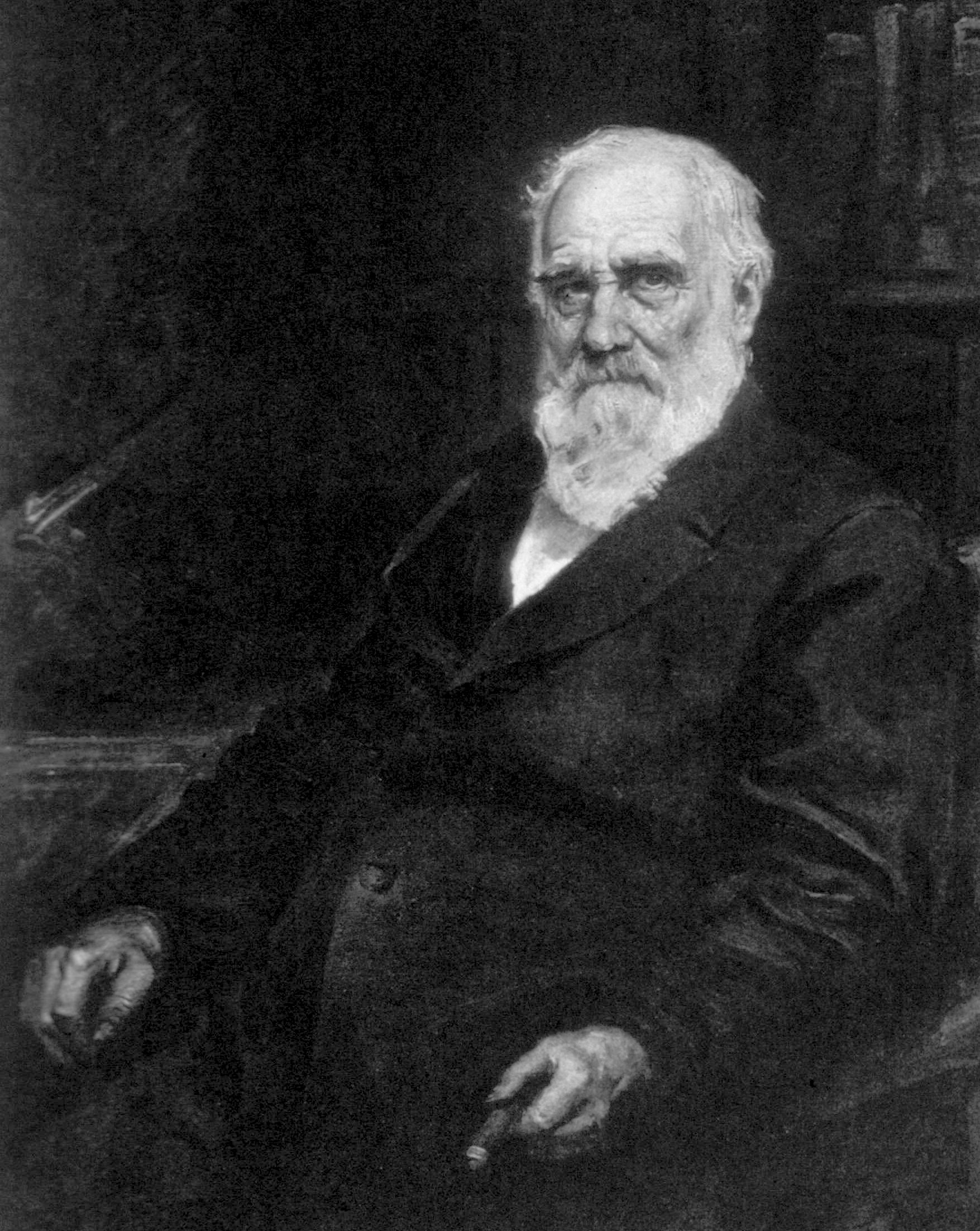
Pettenkofer was responsible for the installation of the modern system of sewage disposal in Munich, and thus succeeded in almost completely ridding that city of typhoid.
1869 –1870
#5344.7
On the structure and reproduction of Filaria medinensis L.
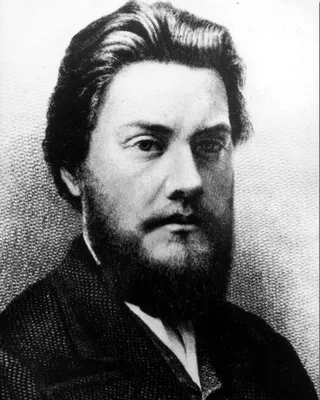
Fedchenko, a Russian naturalist and explorer of central Asia, elucidated the life cycle of Dracunculus medinensis, the parasite of dracunculiasis. He discovered its means of transmission via copepod intermediate hosts…
1870 –1888
#2171
The medical and surgical history of the War of the Rebellion, 1861-65. 6 vols.
UNITED STATES. War Dept. Surgeon General
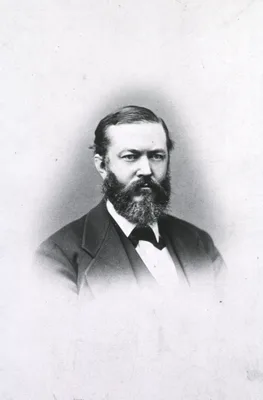
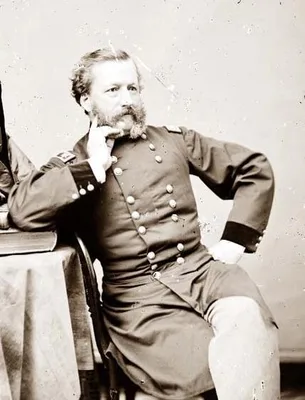
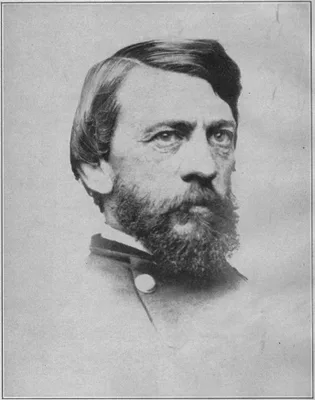
Written by Woodward, Smart, Otis, and Huntington under the direction of Joseph K. Barnes, Surgeon General of the Army. This massive, graphically illustrated set has been called the “first comprehensive American medica…
1870
#2481
Études sur la maladie des vers à soie. 2 vols.
This work saved the French silk industry, which had been crippled by the disease pébrine. After three years of research on the problem, Pasteur was able to show that the disease known as pébrine was caused by a parasi…
1870
#5526
Mycosis der Lunge beim Pferde.
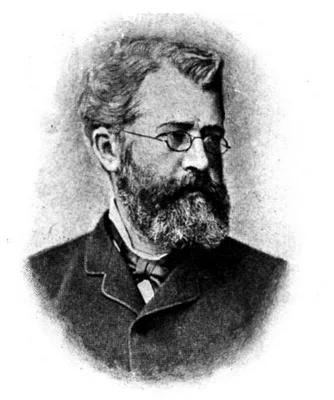
Botriomycosis first described.
1870
#268
Beschreibung eines Mikrotoms.
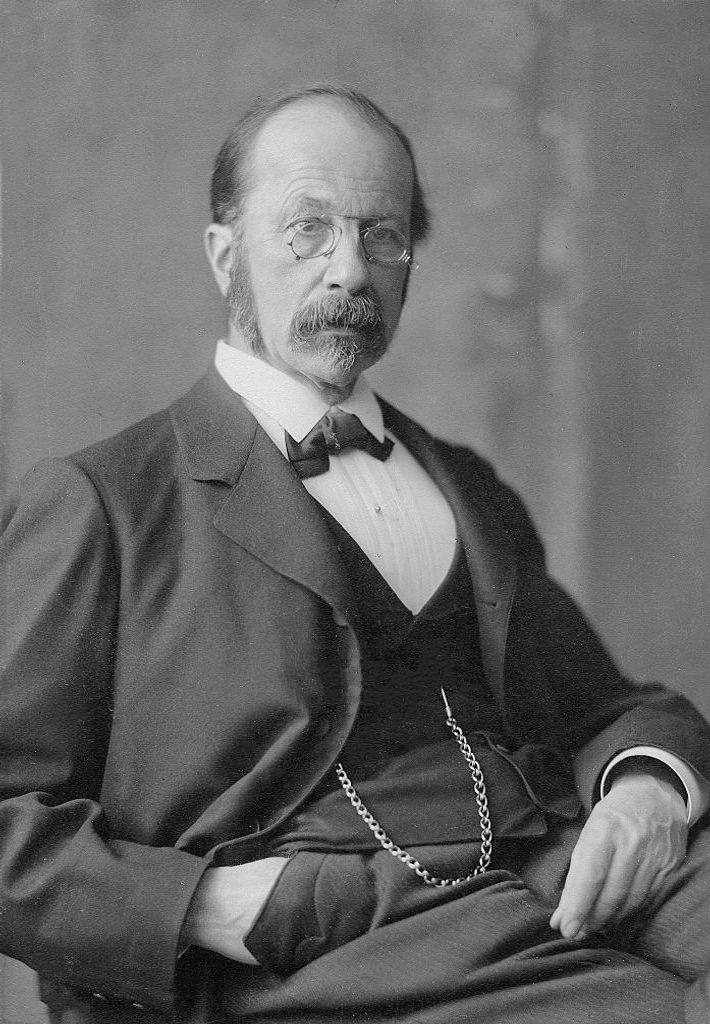
His was, more than any other person, responsible for the introduction of the microtome, although Ranvier and other French people had earlier employed microtomes of simpler types.
1871
#2482
Ueber Bakterien in der Pockenhaut.
Weigert was the first to stain bacteria. He introduced many of the best staining methods in use today. Weigert discovered bacteria in hemorrhagic smallpox. In the same paper is described how carmine will color cocci.
1871
#2535
Die Ursache der infectiösen Wundkrankheiten.
Klebs, Professor of Pathology at Berne, Würzburg, Prague, Zurich, and Chicago, preceded Koch in investigations of the pathology of traumatic infection. He found bacteria in gunshot wounds, granulation tissue, etc., an…
1871
#5344.8
On a haemotozoon inhabiting human blood. Its relation to chyluria and other diseases.
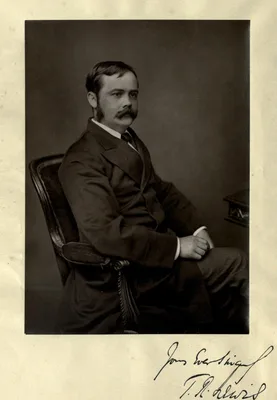
Independently of Demarquay (No. 5344.3) and Wucherer (No. 5344.6), Lewis found microfilariae in the urine and blood in chyluria. He was first to use the term Filaria sanguinis hominis for the parasite.
1872
#2173
Beiträge zur pathologischen Anatomie der Schusswunden.
Klebs filtered the discharges from gunshot wounds, found the filtrate to be non-infectious, and from that reasoned that traumatic septicemia is of bacterial origin. He was the first to filter bacteria and to experimen…
1872
#2483
Untersuchungen über Bacterien.
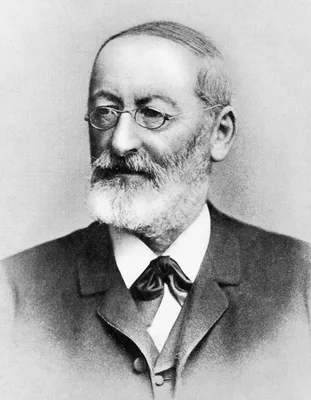
Cohn’s morphological classification of bacteria. He founded the Beiträge.
1873
#2484
A further contribution to the natural history of bacteria and the germ theory of fermentative changes.
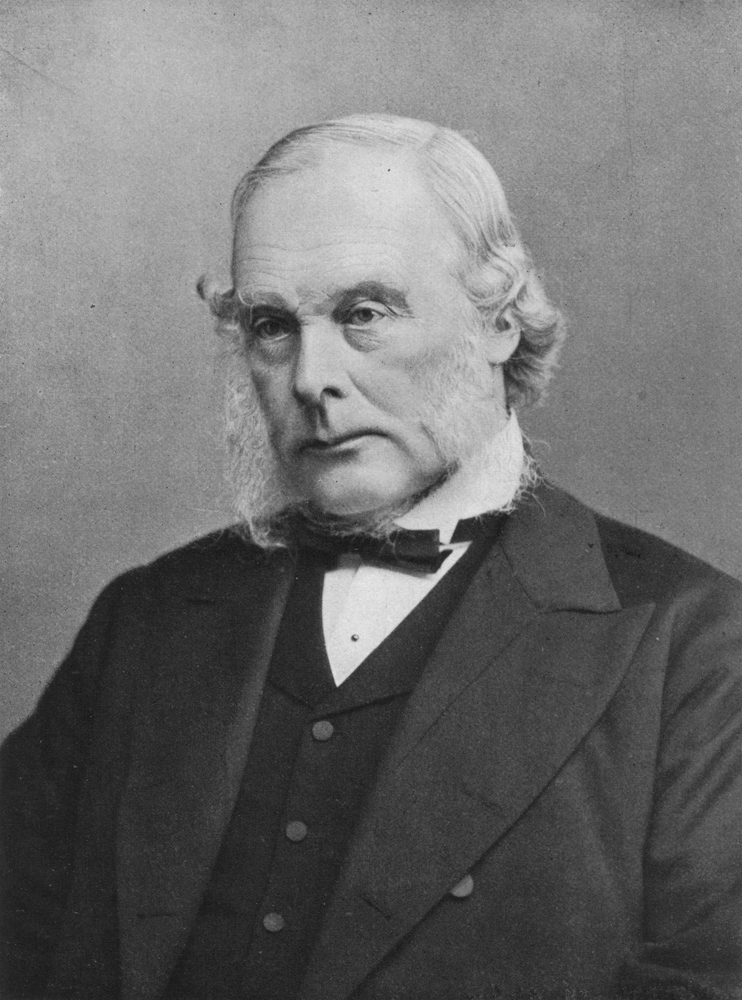
Isolation of Bacterium lactis, the specific micro-organism responsible for the lactic acid fermentation of milk.
1873
#5314
Vorkommen feinster, eine Eigenbewegung zeigender Fäden im Blute von Recurrenskranken.
Discovery (in 1868) of Borrelia recurrentis, causative agent in relapsing fever.
1873
#5029
Typhoid fever; its nature, mode of spreading, and prevention.
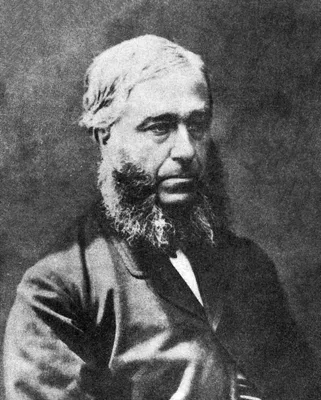
Budd insisted that typhoid fever was spread by contagion and established the fact that infection with typhoid came from the dejecta of the patients; he strengthened the theory of water-born infection. See also his ear…
1874
#2436
Indberetning til det Norske mediciniske Selskab i Christiania om en med understottelse af selskabet foretaghen reise for at anstille undersogelser angaende spedalskhedens arsager, tidels udforte sammen med forstander Hartwig.
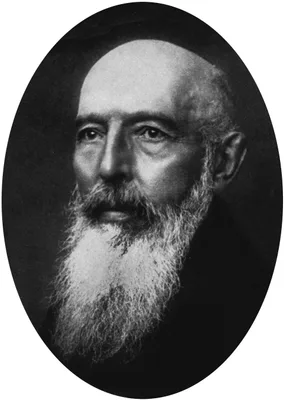
Hansen discovered the leprosy bacillus on 28 February 1873. He had been stimulated by the previous work of Danielssen and Boeck, and his own demonstration of the leprosy bacillus is one of the earliest observations of…
1874
#4066
On mycetoma, or the fungus disease of India.
See No. 4047.
1874
#12064
Untersuchungen über die Vegetationsformen von Coccobacteria septica und den Antheil, Welchen sie an der Enstehung und Verbreitung der accidentellen Wundkrankheiten Haben. Versuch einer wissenschaftlichen Kritik der verscheidenen Methoden antiseptischer Wundbehandlung.
Billroth provided the first account of streptocci wound infection, calling the bacteria Coccobacteria septica. When Billroth introduced antisepic techniques in his surgical practice the number of surgical patients wit…
1875
#5184
Massenhafte Entwickelung von Amöben im Dickdarm.
Lösch discovered Entamoeba histolytica as the infective agent in amoebic dysentery. Before this time distinction between the different forms of dysentery had been made on purely clinical grounds. English translation i…
1875
#5344.9
Remarks on the anatomy and pathological relations of a new species of liver fluke.
First complete description of Chlonorchis sinensis.