
Facets
Browse across eight MeSH (opens in new tab) facets — era, geography, science, specialty, technology, history, culture, and reference. Select one tag per group; counts update across the others. What’s new in facet browse how facets relate to subjects and MeSH.
Clear filtersFacet filters
Geography
Specialties & Disease
- Anatomy & Pathology 765
- Cardiology & Blood 914
- Neurology & Psychiatry 1,258
- Obstetrics & Reproductive 551
- Infectious Disease (General) 147
- Surgery & Anesthesia 1,553
- Public Health 1,129
- Immunology & Dermatology 1,405
- General Clinical Medicine 487
- Military Medicine 436
- Psychology 202
- Alternative & Fringe Medicine 383
- Pediatrics 247
- Ophthalmology & Vision 412
- ENT & Hearing 293
- Urology & Nephrology 309
- Gastroenterology & Hepatology 316
- Pulmonary & Respiratory 233
- Rheumatology, Rehab & Pain 189
- Internal, Emergency & Geriatric 123
- Veterinary Medicine 165
- Epidemiology & Demography 397
- Physiology & Embryology 924
- Dentistry 259
- Plagues & Epidemics 1,279
- Microbiology & Virology 1,080
Social & Historical Studies
Institutions & Culture
Reference & Scholarly Works
397 entries match Epidemiology & Demography [N02.350 / K01.400.680]
1799
#1675.1
A brief history of epidemic and pestilential diseases. 2 vols.
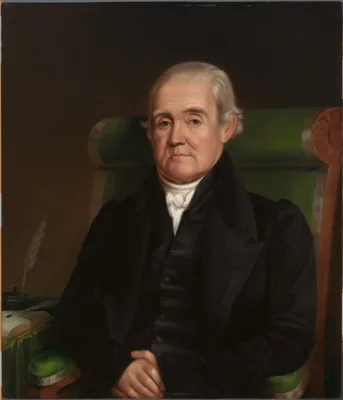
“The best general summary of epidemiological opinion at the beginning of the nineteenth century; and few works surpass it as a compendium of earlier speculations in this field”. (Winslow). A great linguist, Webster wa…
1799
#10511
A description of the American yellow fever, which prevailed at Charleston, in South Carolina, in the year 1748.
Digital facsimile from U.S. National Library of Medicine at this link.
1801
#8148
The statistical breviary; shewing, on a principle entirely new, the resources of every state and kingdom in Europe; illustrated with stained copperplate charts, representing the physical powers of each distinct nation with ease and perspicuity. To which is added, a similar exhibition of the ruling powers of Hindoostan.
In this work Playfair invented the pie chart. It has also been suggested that Playfair, often short of funds, may have colored the charts in all the copies himself—the process he characterized as "staining" in the tit…
1801
#8372
Observations on the increase and decrease of different disease, and particularly of the plague.
Heberden observed that the number of deaths from dysentery sharply decreased over the 18th century, but that deaths attributed to apoplexy increased. Digital facsimile from the Internet Archive at this link.
1801 –1802
#8579
Abstract of the answers and returns made pursuant to an act, passed in the forty-first year of His Majesty King George III. Intituled, “An act for taking an account of the population of Great Britain, and the increase or diminution thereof.” 2 vols. in 3.
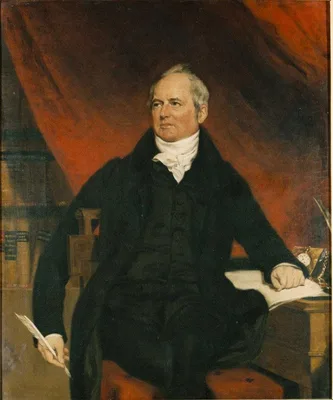
The first census of England, Scotland and Wales. The study of population was one of the major concerns of political economy at this time and the first census came at a crucial point in the debate. When Malthus publish…
1802
#1676
Epidemiologia española o historia cronológica de las pestes, contagios, epidemias y epizootias que han acaecido en España: Desde la venida de los cartagineses hasta el año 1801.... 2 vols.
A chronological history of epidemics (plagues, contagions and epizootics) occurring in Spain to the end of the 18th century. Digital facsimile from Google Books at this link.
1802
#1694
Natural and political observations and conclusions upon the state and condition of England, 1696. Pages 405-449 in An estimate of the comparative strength of Great-Britain; and of the losses of her trade from every war since the revolution; with an introduction of previous history. A new edition, corrected and continued to 1801. To which is now annexed Gregory King's celebrated state of England.
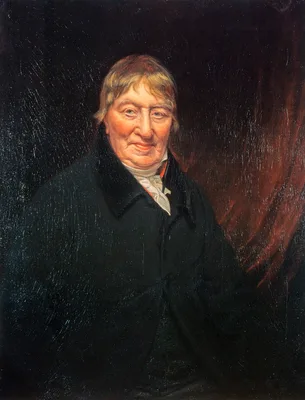
King has been called the first great economic statistician, surpassing Petty. King was an engraver, herald, surveyor, and Secretary to the Commissioners for the Public Accounts, but he is best known for his 1696 estim…
1803
#7367
Travels in Turkey, Asia-Minor, Syria, and across the desert into Egypt during the years 1799, 1800, and 1801, in company with the Turkish Army, and the British Military Mission.To which are annexed, observations on the plague, and on the diseases prevalent in Turkey, and a meteorological journal.
Wittman described the plague and other epidemics that afflicted both the Ottoman and British armies. In the Appendix he provided medical suggestions for treatment, together with a history of the plague. Digital facsim…
1806
#1695
Analyse et tableaux de l’influence de la petite vérole sur la mortalité à chaque âge, et de celle qu’un préservatif tel que la vaccine peut avoir sur la population et la longevité.
Duvillard showed statistically the effect of smallpox vaccination on the mortality rate. Digital facsimile from Google Books at this link.
1806
#13161
Dissertation sur la fièvre-jaune qui a régné épidémiquement à Saint-Domingue, et qui a fait tant de ravages dans l'Armée expéditionnaire, en l'an X et en l'an XI, et sur les causes qui l'ont rendue si funeste.
Describes the yellow fever epidemic that swept through French troops on the island of Saint Domingue (Haiti) in 1802. In the midst of the slave uprising that led to the island’s independence, Napoleon sent an expediti…
1813
#5086.1
Treatise on the history, nature, and treatment of chincough: Including a variety of cases and dissections. To which is subjoined an inquiry into the relative mortality of the principal diseases of children, and the numbers who have died under ten years of age, in Glasgow, during the last thirty years.
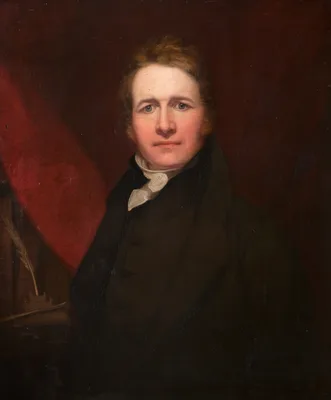
Probably the second book on whooping cough, written after two of Watt's children died from the disease. After vaccination for smallpox was introduced, Watt found, as he had expected, that the number of deaths from tha…
1815
#13487
Sketches of epidemic diseases in the state of Vermont; from the first settlement to the year 1815, with a consideration of their causes, phenomena, and treatment. To which is added remarks on pulmonary consumption.
Digital facsimile from U.S. National Library of Medicine at this link:
1817 –1818
#11540
Histoire médicale générale et particulière des maladies épidémiques, contagieuses et épizootiques qui ont régné en Europe depuis les temps les plus reculés, et notamment depuis le XIVe siècle jusqu’à nos jours. 2 vols.
The history of epidemics and epizootics in Europe since the 14th century. Digital facsimile of the first edition from Google Books at this link. Greatly revised, corrected and augmented second edition, Paris & Lyon, 1…
1819
#10065
Reports on the diseases of London, and the state of the weather, from 1804-1816; including practical remarks on the causes and treatment of the former; and preceded by a historical view of the state of health and disease in the metropolis in past times.
1822 –1824
#1605
Leçons sur les épidémies et l’hygiène publique. 4 vols.
1822
#1696.1
Illustrations and proofs of the principle of population including an examination of the proposed remedies of Mr. Malthus, and a reply to the objections of Mr. Godwin and others.
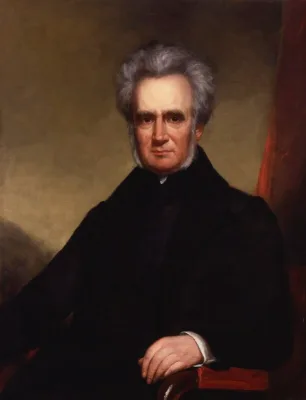
Place was the first important proponent of birth control in any English speaking country. The above work openly advocates contraception, though without indicating how it was to be achieved. Reprinted with additional m…
1823 –1825
#10503
Chronik der Seuchen in Verbindung mit der gleichzeitigen Vorgängen in der physischen Welt und in der Geschichte der Menschen. Erster Theil vom Anfang der Geschichte bis in die Mitte des fünfzehnten Jahrhunderts. Zeiter Theil von der Mitte des fünzehnten Jahrhunderts bis auf die neuste Zeit. (2 vols.)
Digital facsimile from the Internet Archive at this link.
1825 –1835
#1696
Beiträge zur medizinischen Statistik un Staatsarzneikunde. 2 vols.
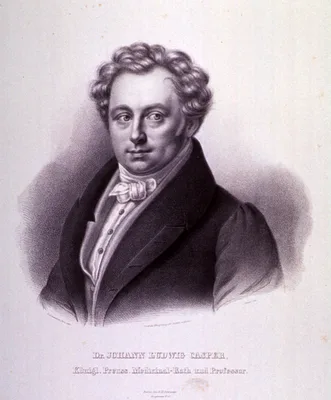
1825
#3221
Recherches anatomico-pathologiques sur la phthisis.
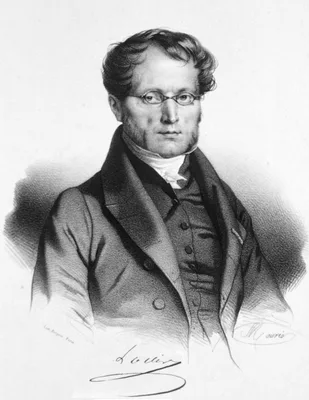
Louis’ researches were based on 358 dissections and 1,960 clinical cases, and included a numerical study of extra-pulmonary lesions. First edition in English, London, 1835. English translation, Boston, 1836. A transla…
1825
#8375
On the nature of the function expressive of the law of human mortality, and on a new mode of determining the value of life contingencies.
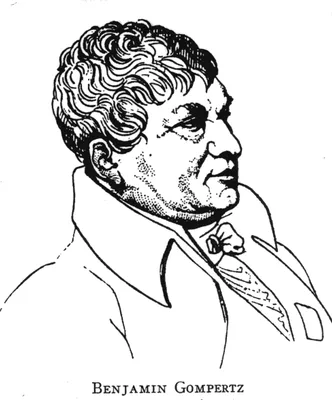
Gompertz function. "Gompertz showed that over much of the adult human lifespan, age-specific mortality rates increased in an exponential manner. Gompertz's work played an important role in shaping the emerging statist…
1825
#10518
Medical facts and inquiries, respecting the causes, nature, prevention and cure of fever: more expressly in relation to the endemic fevers of summer and autumn in the southern states: Together with a history of the bilious remitting fever of Alabama, as it appeared in Cahawba and its vicinity in the summers and autumns of 1821 and 1822.
Digital facsimile from the U.S. National Library of Medicine at this link.
1827
#10507
Charte über die geographische Ausbreitung der Krankheiten.
The first world map of the distribution of human disease. For Schnurrer's work in epidemiology and his map, which was published separately from his books, see Brömer, "The first global map of the distribution of human…
1829
#1697
Elements of medical statistics.
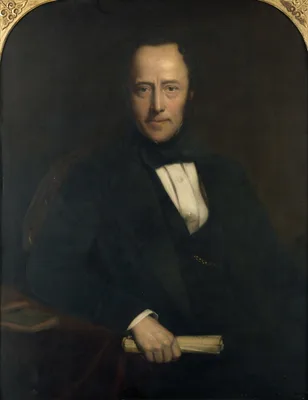
First English book devoted specifically to medical statistics. Hawkins was instrumental in obtaining the insertion of a column for the names of diseases or other causes of death, in connexion with the first Act for th…
1832
#7688
A treatise on epidemic cholera; including an historical account of its origin and progress, to the present period. Compiled from the most authentic sources.
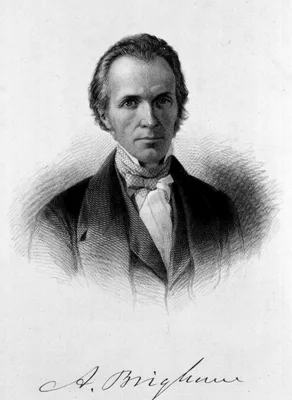
This compendium contains one of the first world charts of a disease, tracing the spread of cholera from two main sources, India (1817) and China (1820), across Asia and the Middle East via trade routes, to France and …
1832
#10463
A treatise on the epidemic cholera, as it has prevailed in India; together with the reports of the medical officers, made to the medical boards of the presidencies of Bengal, Madras, and Bombay, for the purpose of ascertaining a successful mode of treating that destructive disease; And a critical examination of all the works that have hitherto appeared on the subject.
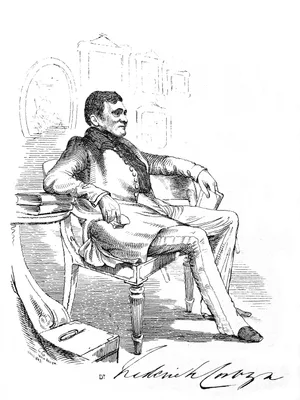
Corbyn mapped the history of cholera in India within British regimental stations. He included the date of each reported outbreak in a table of British regimental locations to describe the temporal progression of the d…
1832
#10526
A geographical and statistical account of the epidemic cholera: From its commencement in India to its entrance into the United States: Comprehended in a series of maps and tables, exhibiting the names of places visited by the pestilence, the time of its commencement, the number of cases, and deaths, and duration, at each place: Compiled from a great variety of printed and manuscript documents.
Tanner, a prolific cartographer, wished to provide a geographic account of the spread of the worldwide cholera epidemic of 1817. Statistics concerning the epidemic, he complained, were "given in such a loose and uncon…
1834
#7480
Rapport sur la marche et les effets du choléra-morbus dans Paris et les communes rurales du département de la Seine par la commission nommée, avec l'approbation de M. le ministre du commerce et des travaux publics, par MM. les préfets de la Seine et de police; année 1832.
This work contained one of the earliest applications of spatial analysis in epidemiology—an early thematic map by geographer and cartographer Charles Picquet, in which the 48 districts of Paris were represented by gra…
1835
#1698
Recherches sur les effets de la saignée dans quelques maladies inflammatoires, et sur l’action de l’émétique et des vésicatoires dans la pneumonie.
Louis refuted Broussais’s system of medicine, his “médicine physiologique.” Louis was instrumental in establishing medicine as an exact science by the introduction of the numerical or statistical method. English trans…
1835
#1698.1
Sur l’homme et le développement des facultés, ou essai de physique sociale. 2 vols.
Quetelet’s statistical researches on the development of the physical and intellectual qualities of man, and an exposition of his concept of the “average man”, which became the by-word of quantitative studies. "Quétele…
1837
#9651
A descriptive and statistical account of the British Empire, exhibiting its extent, physical capacities, population, industry and civil and religious institutions. 2 vols.
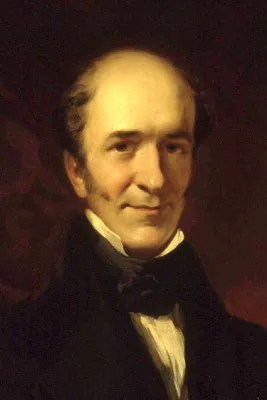
McCulloch indicated on the title page that he was "assisted by numerous contributors." Digital facsimile from the Hathi Trust at this link. Fourth edition, revised with an appendix of tables (2 vols., 1854). Digital f…
1837
#11813
Histoire statistique et morale des enfants trouvés.
A thorough analysis of the problem of foundling children from a social, medical, legal and historical standpoint. The work begins with a history of the treatment of abandoned children from antiquity to the time of wri…
1838
#145.57
Notice sur la loi que la population suit dans son accroissement.
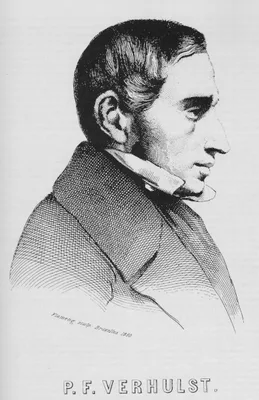
Verhulst constructed the simplest mathematical model of a continously growing population with an upper limit to its size.
1839
#1699
Vital statistics. IN: A statistical account of the British Empire: exhibiting its extent, physical capacities, population, industries, and civil and religious institutions by J[ohn] R[amsey] McCulloch, 2nd ed., 2, 52-90.
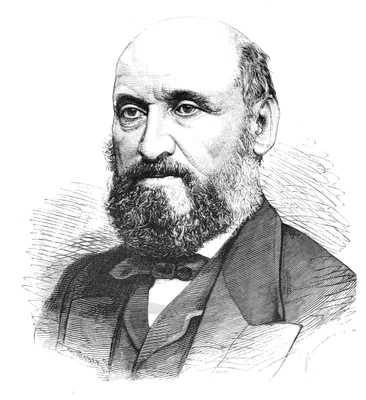
Ranks with Graunt’s Observations as an original contribution to medical statistics. Significantly expanded from the first edition (1837). Digital facsimile from Google Books at this link.
1839
#5471
On dengue; its history, pathology, and treatment.
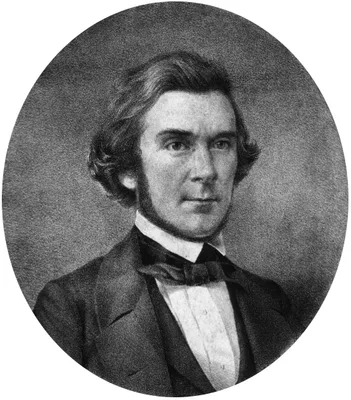
1839
#12127
First annual report of the Registrar-General on births, deaths, and marriages in England.
In 1836 the Births and Deaths Registration Act was passed in England with provisions for inquiry into causes of death in the population, and registration began during the following year through the General Registratio…
1840 –1856
#2163.1
Statistical report on the sickness and mortality in the Army of the United States. Vol. 1 (1819-1839), Vol. 2 (1839-1855), Vol. 3 (1855-1860).
UNITED STATES. War Dept. Surgeon General's Office
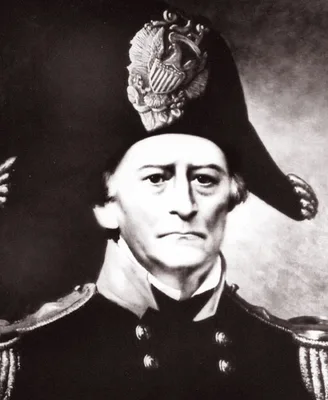
Vol.1 by Thomas Lawson; Vols 2 & 3 by Richard H. Coolidge. Digital facsimiles from the Internet Archive at this link.
1840
#1700
Principes généraux de statistique médicale.
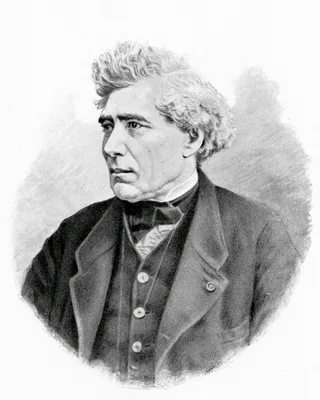
In his work on medical statistics Gavarret improved and systematized the method of Louis and gave special consideration to therapeutic problems.
1840
#13663
De la peste observée en Égypte. Recherches et considérations sur cette maladie.
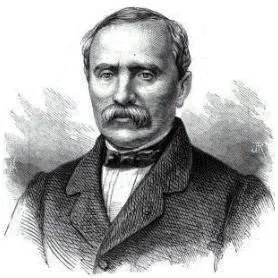
Includes two hand-colored lithographs depicting costumes of "plague doctors" -- one from the Middle Ages in Marseille, the other from Marseille in 1819; the similarities are striking! Digital facsimile from wellcomeco…
1842
#1608
Report…from the Poor Law Commissioners on an inquiry into the sanitary conditions of the labouring population of Great Britain.
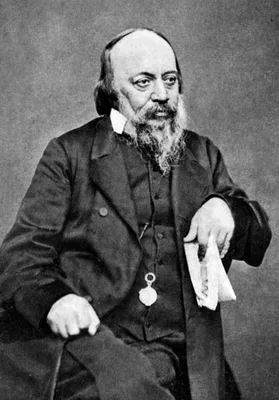
Chadwick devoted his life to social reform. He was secretary to the Poor Law Commission when he made the above report to Parliament. In it he included a careful analysis of causes of death in 1838 and 1839 and gave a …
1843
#1677
Bibliotheca epidemiographica.
A second edition was published in 1862. Digital facsimile of the second edition from the Medical Heritage Library at the Internet Archive, at this link.
1843
#5310
Natural history, pathology and treatment of the epidemic fever at present prevailing in Edinburgh and other towns.
The epidemic of relapsing fever in Edinburgh in 1843 was well described by Cormack. He was first editor of the Association Medical Journal which later became the British Medical Journal.
1844
#5311.1
On some of the characters which distinguish the fever at present epidemic from typhus fever.
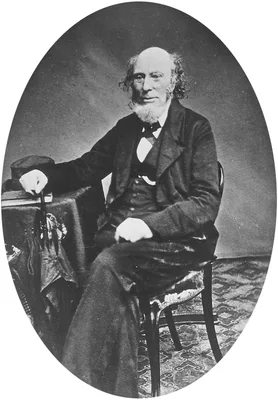
Henderson, professor of pathology at Edinburgh, gave a good account of relapsing fever seen during the epidemic in 1843. He was one of the first to differentiate it from typhus.
1845
#145.58
Recherches mathématiques sur la loi d’accroissement de la population.
In his second paper on population growth Verhulst introduced the term, logistic. He modified his equation so its early part is exponential and becomes logistic only after a definite length of time. Verhulst published …
1846
#4637
Primi cenni sulla corea elettrica.
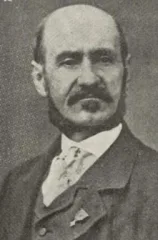
First description of electric chorea, “Dubini’s chorea”, the myoclonic form of epidemic encephalitis.
1847
#5524
Scriptores de sudore anglico superstites. Colliget C. G. Gruner. Post mortem auctoris adomavit et edidit H. Haeser.
A collection of all the important earlier writings on sweating sickness.
1847
#5443
Iagttagelser, anstillede under Maeslinge-Epidemien paa Faerøerne i Aaret 1846.
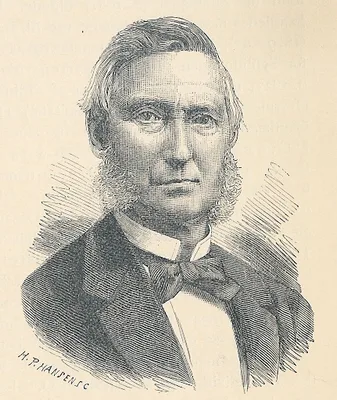
When only 26 years of age, Panum was sent by the Danish Government to investigate the epidemic of measles then raging in the Faroe Islands. His report on the subject was a valuable contribution to medical literature. …
1848
#12083
Mittheilungen über die in Oberschlesien herrschende Typhus-Epidemie.
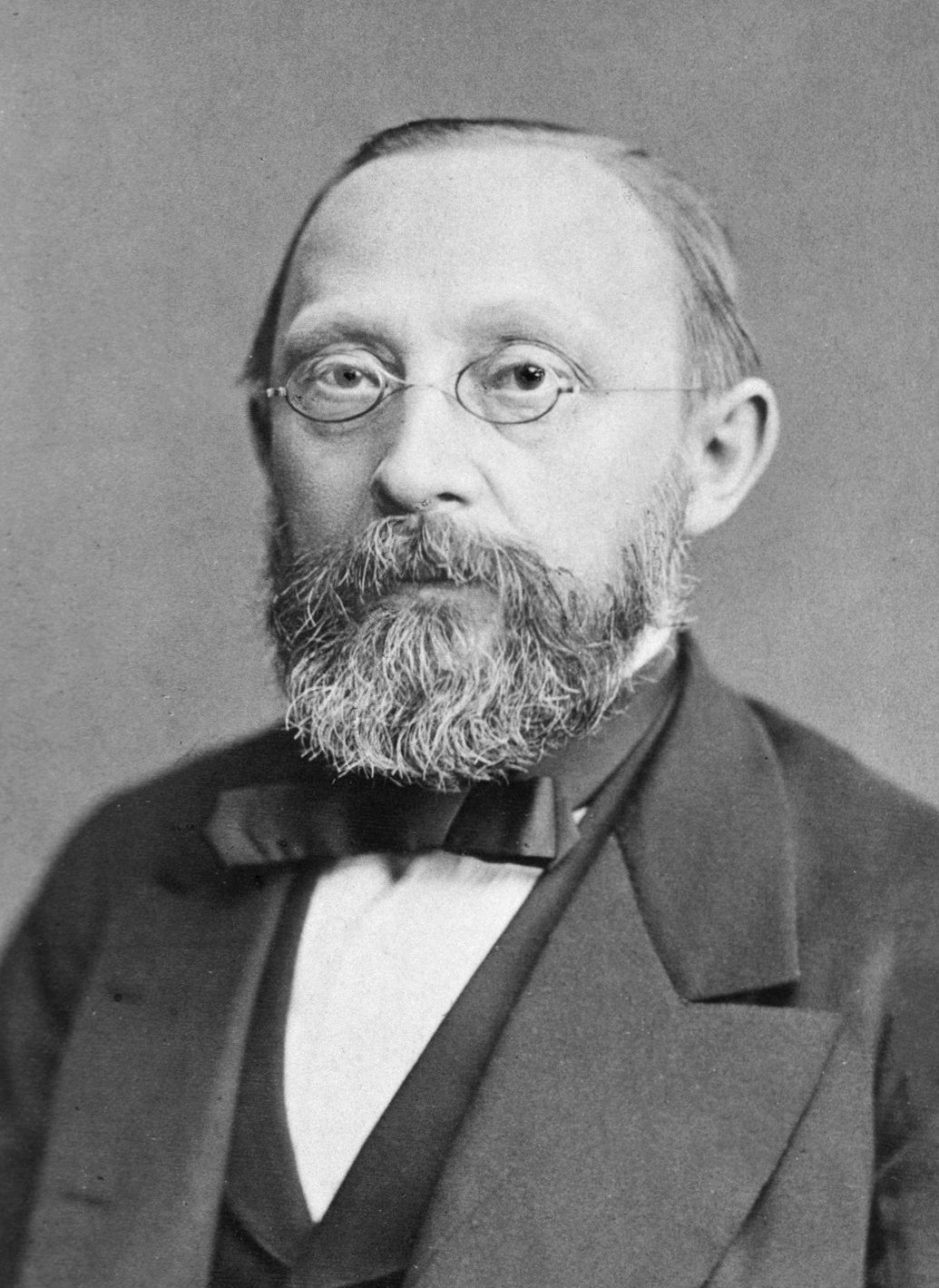
Virchow was one of the first to identify medicine as a social science. He developed a theory of epidemics that emphasized the social circumstances permitting spread of illness. This approach has been called sociologic…
1849
#5106
On the pathology and mode of communication of the cholera.
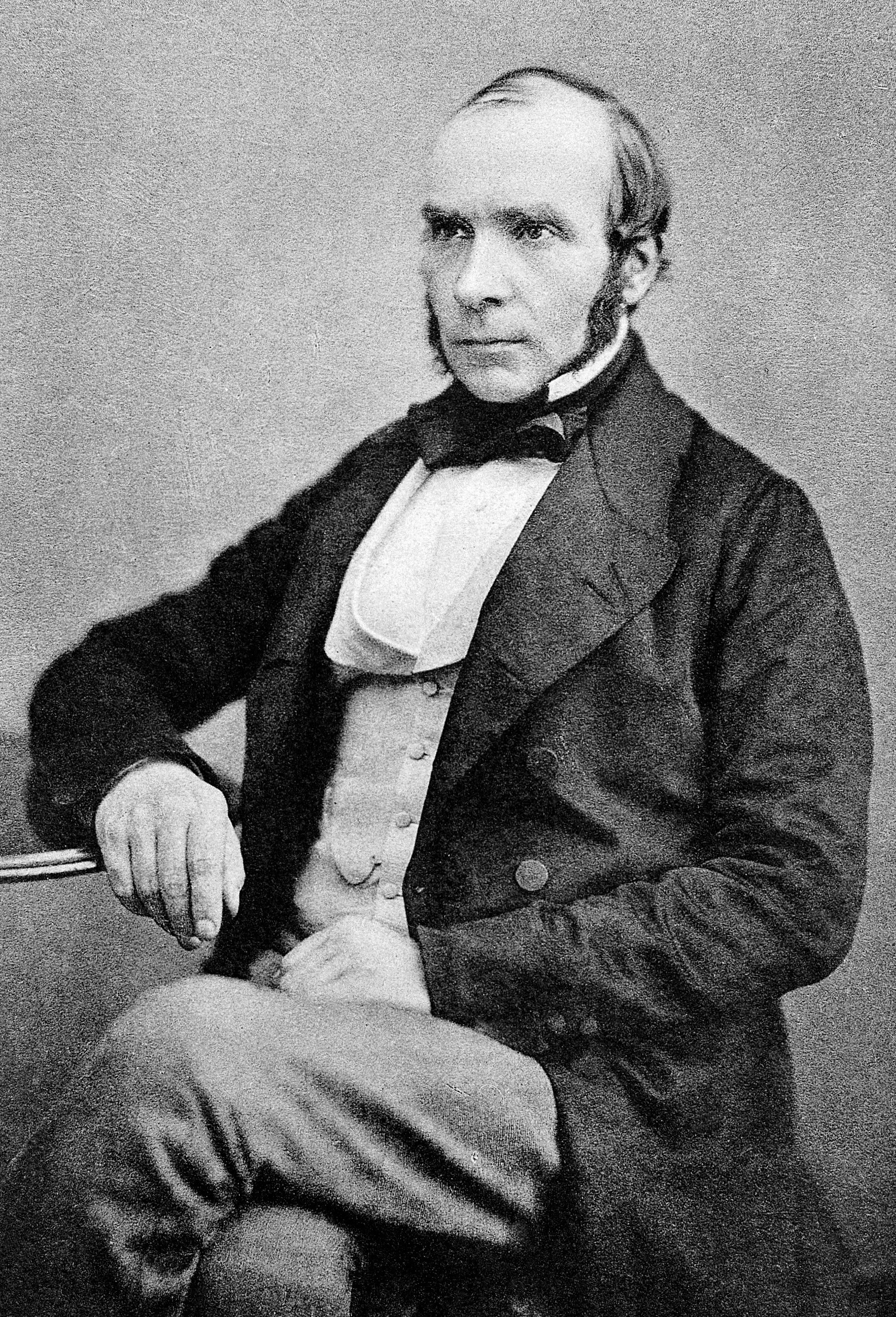
Snow first became interested in cholera at Newcastle-on-Tyne during the epidemic of 1831-1832, and recurrent outbreaks of the disease gave him the opportunity to investigate it in detail. His paper on cholera, publish…
1849
#5234
On the cryptogamous origin of malarious and epidemic fevers.
Although Hensinger in 1844 had suggested a parasite as the cause of malaria, Mitchell was the first to approach this theory in a scientific spirit. He was Professor of Medicine at Jefferson College, and the father of …
1849
#9981
On the mode of communication of cholera.
Publication of Snow's 31-page pamphlet on cholera preceded his paper in the London Medical Gazette by about one month.