
Facets
Browse across eight MeSH (opens in new tab) facets — era, geography, science, specialty, technology, history, culture, and reference. Select one tag per group; counts update across the others. What’s new in facet browse how facets relate to subjects and MeSH.
Clear filtersFacet filters
Geography
Specialties & Disease
- Anatomy & Pathology 765
- Cardiology & Blood 914
- Neurology & Psychiatry 1,258
- Obstetrics & Reproductive 551
- Infectious Disease (General) 147
- Surgery & Anesthesia 1,553
- Public Health 1,129
- Immunology & Dermatology 1,405
- General Clinical Medicine 487
- Military Medicine 436
- Psychology 202
- Alternative & Fringe Medicine 383
- Pediatrics 247
- Ophthalmology & Vision 412
- ENT & Hearing 293
- Urology & Nephrology 309
- Gastroenterology & Hepatology 316
- Pulmonary & Respiratory 233
- Rheumatology, Rehab & Pain 189
- Internal, Emergency & Geriatric 123
- Veterinary Medicine 165
- Epidemiology & Demography 397
- Physiology & Embryology 924
- Dentistry 259
- Plagues & Epidemics 1,279
- Microbiology & Virology 1,080
Social & Historical Studies
Institutions & Culture
Reference & Scholarly Works
309 entries match Urology & Nephrology [C13]
1779
#4285
Nouvelle méthode d'extraire la pierre de la vessie urinaire par-dessus le pubis, qu'on nomme vulgairement le haut-appareil dans l'un & l'autre sexe, sans le secours d'aucun fluide retenu ni forcé dans la vessie: suivie de l'analyse des expériences de l'Academie Royale de Chirurgie de Paris, sur l'extraction de la pierre de la vessie urinaire de l'homme, par-dessous le pubis.
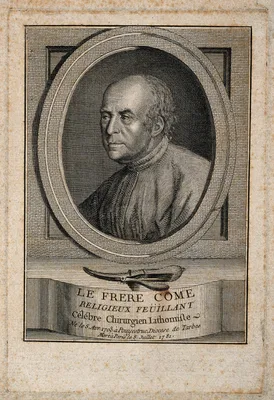
Frère Côme devised several new instruments for use in suprapubic lithotomy. This operation, placed in retirement when Cheselden adopted the lateral approach, was once more brought to the fore by Frère Côme. Digital fa…
1784
#4286
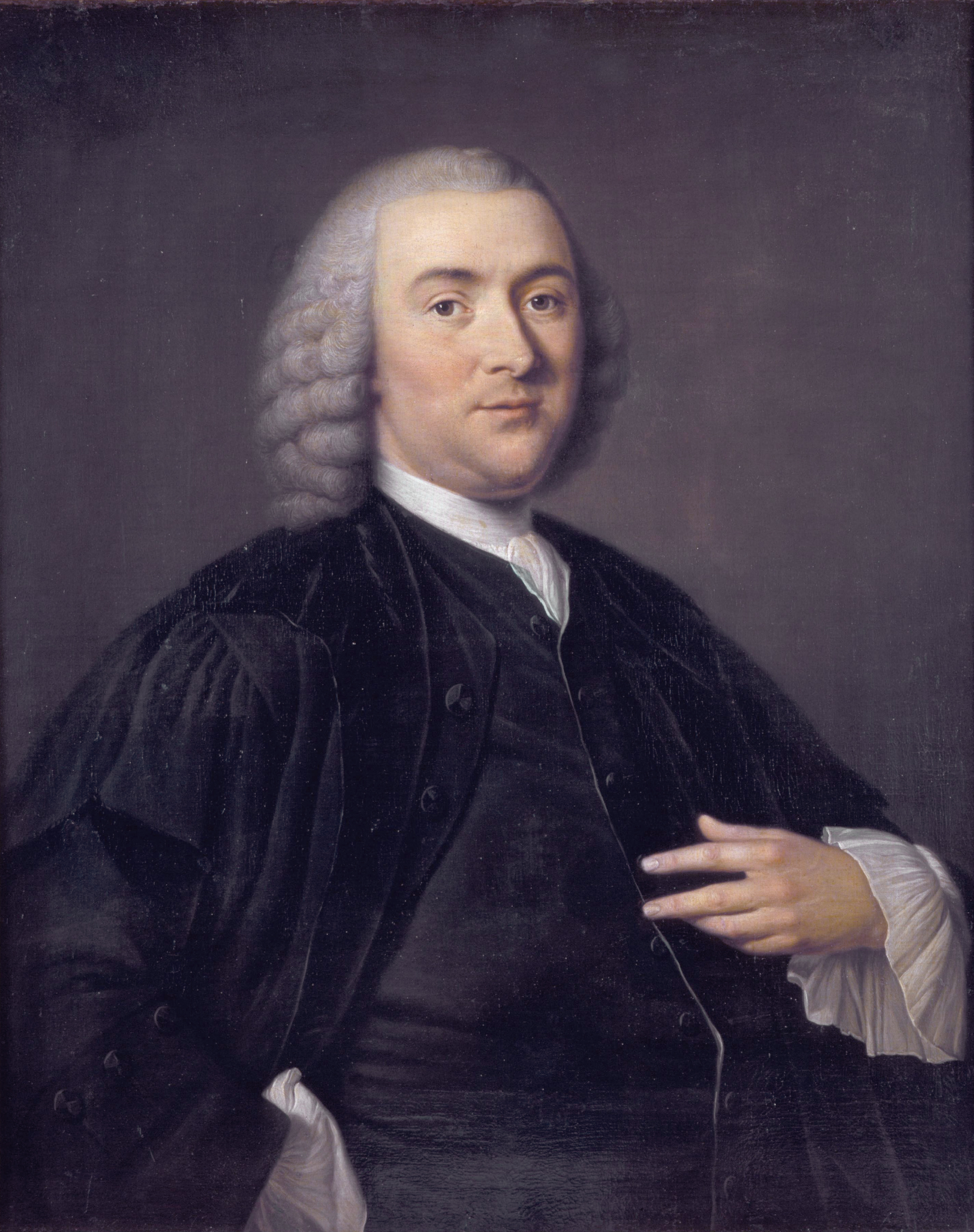
Observationes circa mutationes quas subeunt calculi in vesica.
1786
#2377
A treatise on the venereal disease.
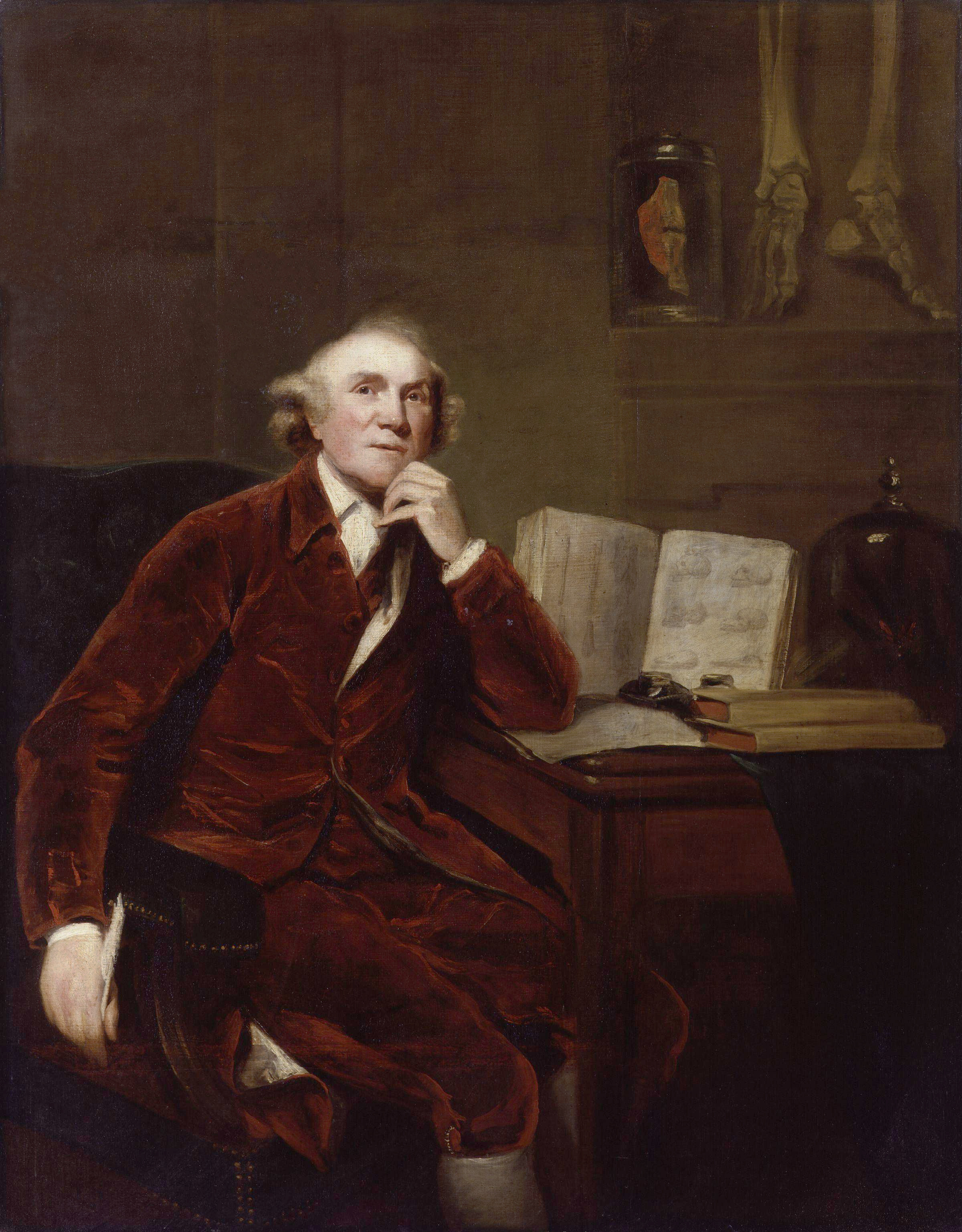
In Hunter's day venereal diseases were thought to be due to a single poison. To test this theory Hunter experimented with matter taken from a gonorrhoeal patient who, unknown to Hunter, also had syphilis. Hunter maint…
1791 –1792
#4165.01
Traité des maladies des voies urinaires. 2 vols.
Chopart and Desault were the founders of urological surgery, both emphasizing the importance of considering the urinary tract as a whole. “They were close friends and were both able clinicians, surgeons and teachers. …
1796
#7723
Anatomisches museum. Gesammelt von Johann Gottlieb Walter. Beschrieben von Friedrich August Walter. 2 vols.
Includes fine hand-colored plates of kidney stones and gall stones. Digital facsimile from the Internet Archive at this link.
1797
#1218
Experiments in which, on the third day after impregnation, the ova of rabbits were found in the Fallopian tubes, and on the fourth day after impregnation in the uterus itself, with the first appearances of the foetus.
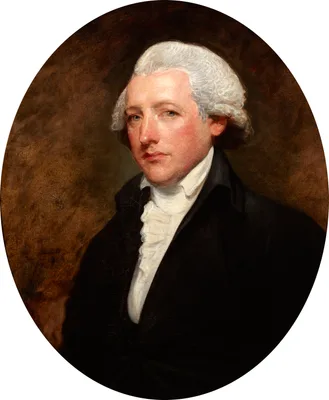
Cruikshank showed that the impregnated ovum stayed in the Fallopian tube for a period before implantation in the uterus.
1797
#4287
On gouty and urinary concretions.
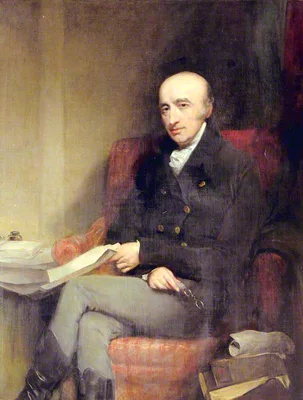
Wollaston showed that, in addition to stones consisting of uric acid, renal calculi might also consist of calcium phosphate, magnesium, ammonium phosphate, and calcium oxalate, or a mixture of these.
1798 –1799
#2927
Oeuvres chirurgicales de P. J. Desault....ou tableau de sa doctrine & de sa pratique dans le traitement des maladies externes. Ouvrage publié par Xav. Bichat, son èlève. 3 vols.
Desault was one of the first professors at the École Pratique de Chirurgie, Paris. He made many suggestions regarding the treatment of fractures and dislocations and is one of the founders of modern vascular surgery. …
1812
#4205
On the presence of the red matter and serum of blood in the urine of dropsy, which has not originated from scarlet fever.
Wells was the first to notice the presence of blood and albumin in edematous urine. He also established the fact that the edema occurred in the upper parts of the body, and he described the uremic seizures to which su…
1817
#4258
Cases of Fungus haematodes, with observations.
Prostatic carcinoma first reported (p. 279).
1819
#4288
A history of the high operation for the stone, by incision above the pubis; with observations on the advantages attending it; and an account of the various methods of lithotomy, from the earliest periods to the present time.
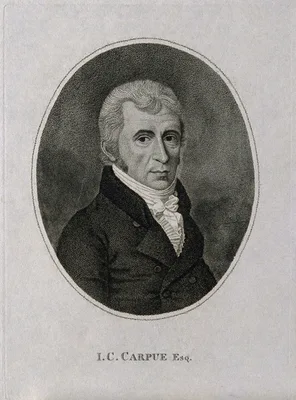
Carpue popularized suprapubic lithotomy, a procedure not often previously carried out.
1822
#13314
System of surgical anatomy. Part first [all published]: On the structure of the groin, pelvis, and perineum. As connected with inguinal and femoral hernia; Tyeing the iliac arteries; and the operation of lithotomy. Illustrated by nine copper-plate engravings
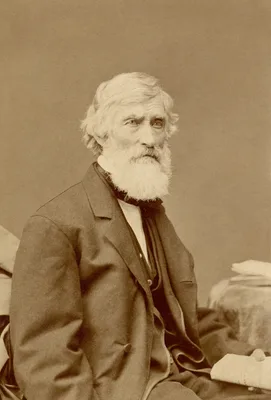
Anderson trained at the Royal College of Surgeons in Edinburgh, emigrated to America in 1820 and, after delivering a series of anatomical lectures in New York under the patronage of Valentine Mott, became affiliated w…
1826
#4289
Sur la lithotritie ou broiement de la pierre dans la vessie.
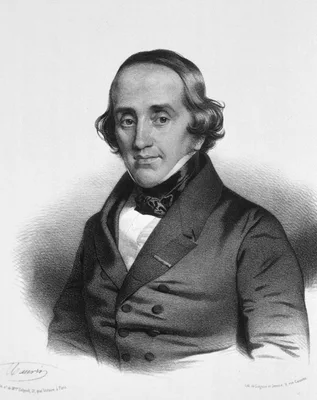
Civiale invented a lithotriteur for crushing stones inside the bladder and was responsible for putting the operation of lithotrity upon a sound basis. His claim to have introduced the operation was opposed by Leroy d’…
1827 –1831
#2285
Reports of medical cases, selected with a view of illustrating the symptoms and cure of diseases by a reference to morbid anatomy. 2 vols. in 3.
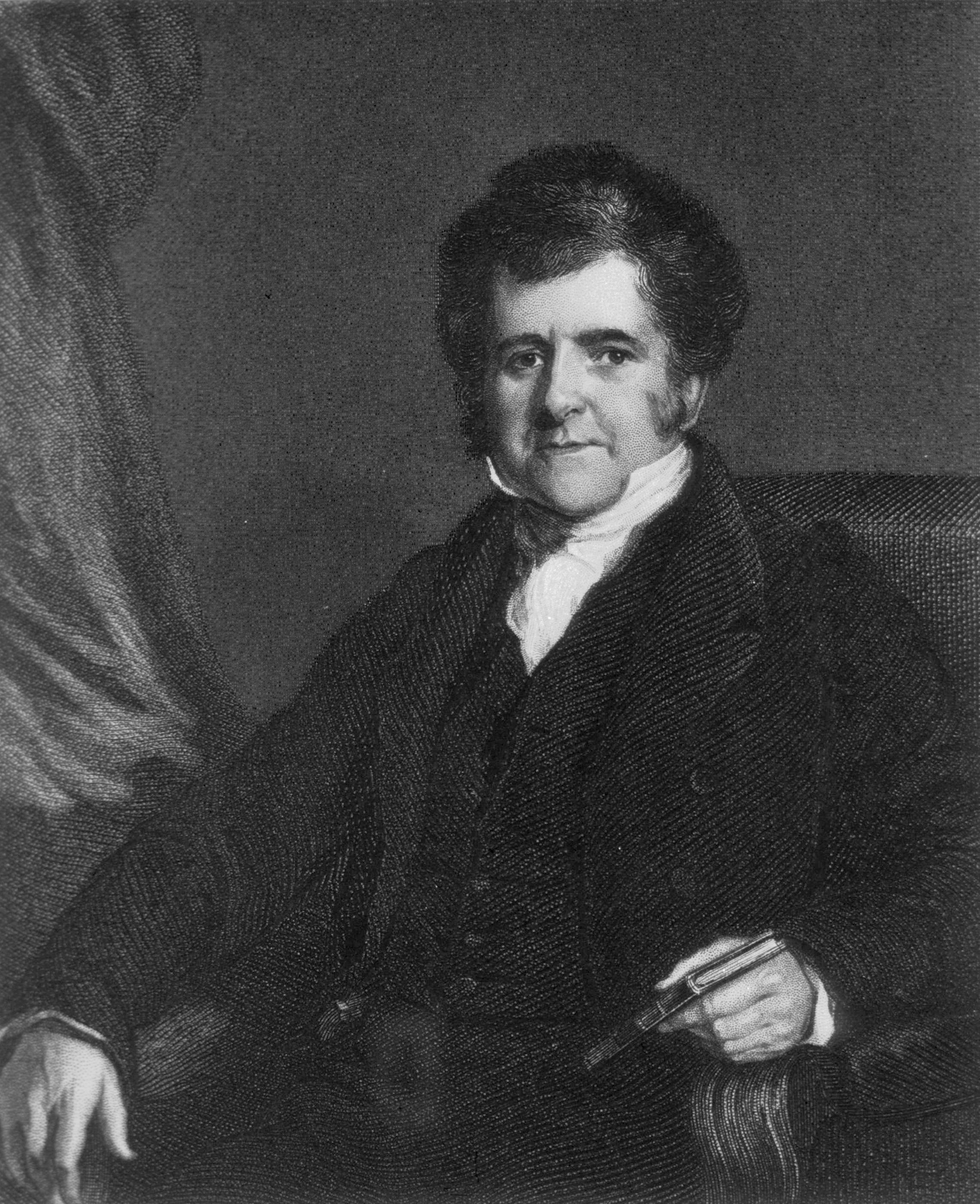
Beside's Bright's classic description of chronic non-suppurative nephritis, known eponymically as “Bright’s disease”, the Reports contain numerous other outstanding contributions to general pathology, neuropathology, …
1827
#4165.1
Un moyen d’éclairer l’urètre et la vessie de manière à voir dans l’intérieur de ces organes.
Urethro-cystic speculum (endoscope).
1830
#4166
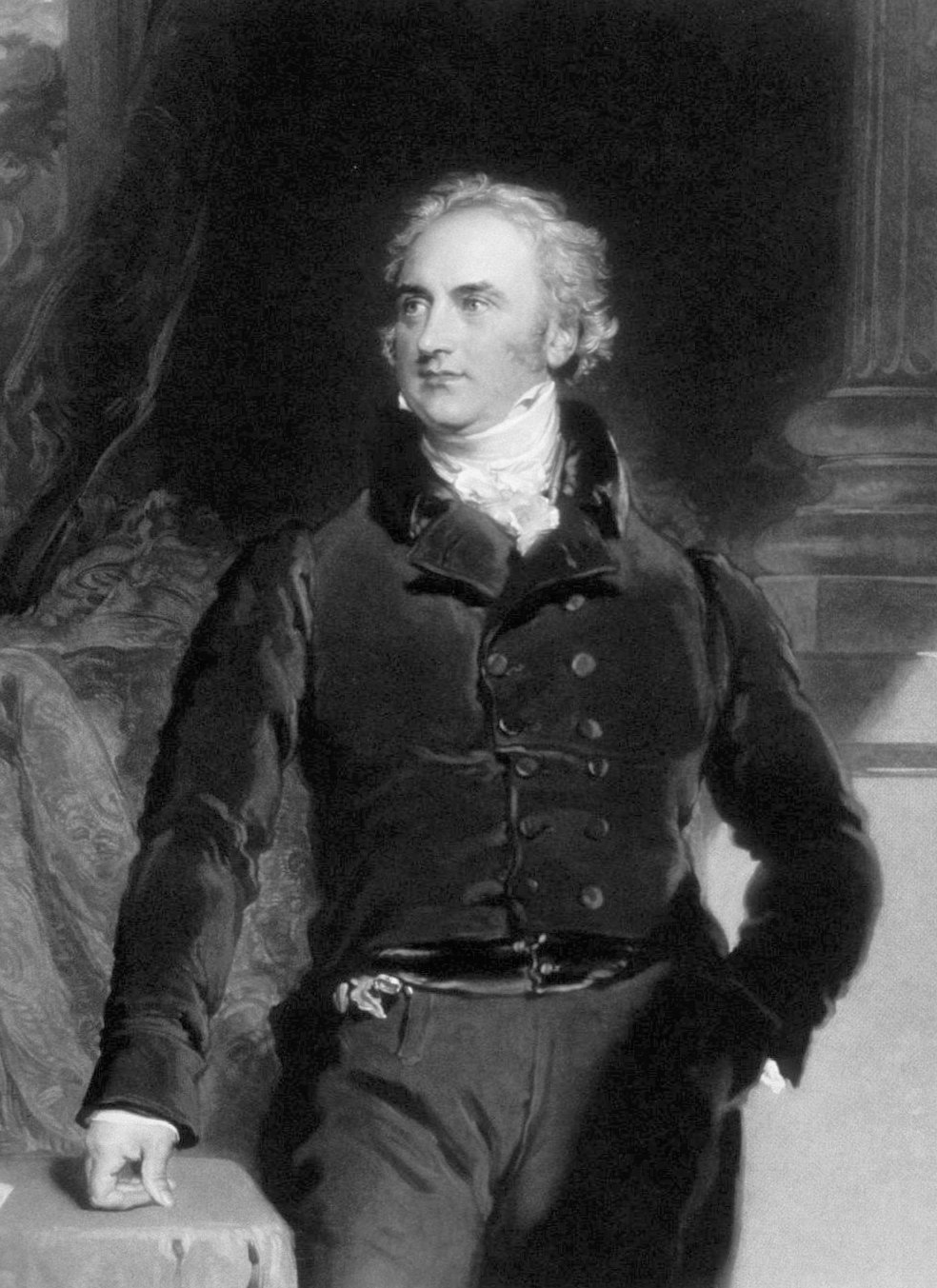
Observations on the structure and diseases of the testis.
1833
#4290
Lithotripsie. Mémoires sur la lithotripsie par percussion.
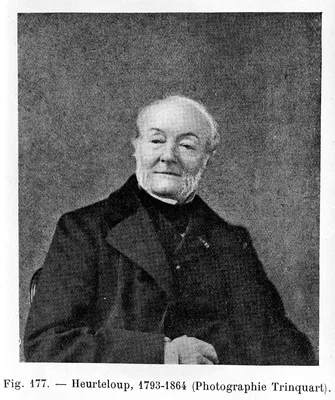
Heurteloup designed the best lithotrite of the time. He was one of several claimants to the distinction of having introduced modern lithotrity. See Lancet, 1831-32, 2, 567-70.
1834
#4167
On the anatomy and diseases of the neck of the bladder, and of the urethra.
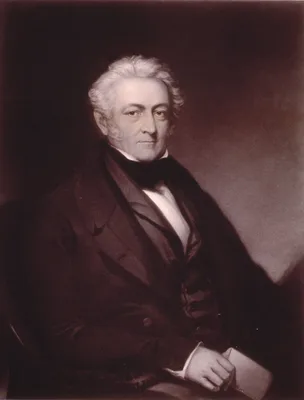
Guthrie was the first to describe non-prostatic obstruction at the neck of the bladder. On p. 252 of the above work is an account of Guthrie’s prostatic catheter for use in trans-urethral prostatectomy.
1836
#4290.1
Mémoire sur une manière nouvelle de pratiquer l’opération de la pierre… Terminé et publié par J.L. Sanson et par L.J. Bégin…
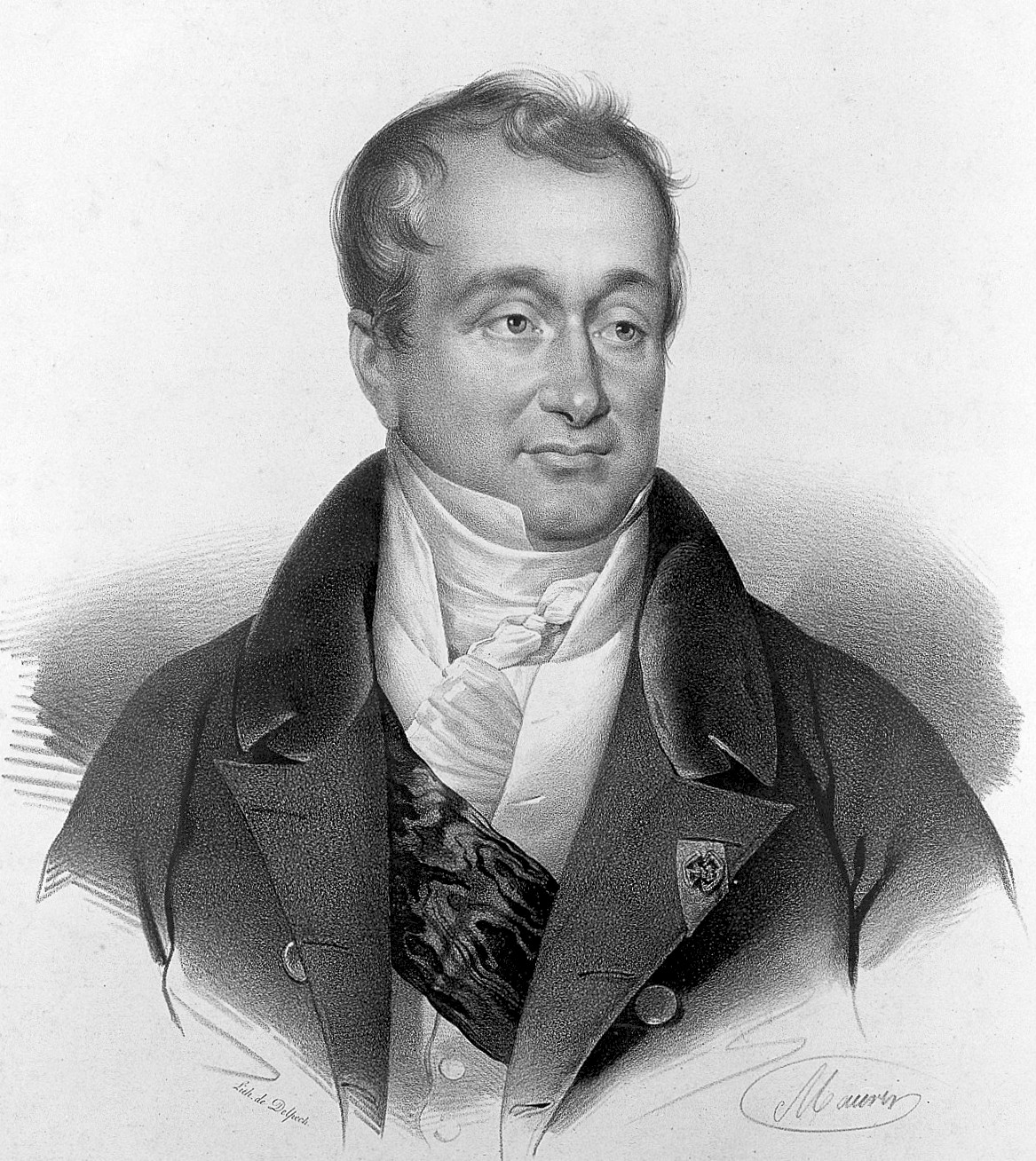
Posthumously published by Sanson, whose method of rectovesical lithotomy is considered here along with the controversial method of lithotrity. Dupuytren tried both but dropped them in favor of continuing the method of…
1836
#4207
Cases and observations, illustrative of renal disease accompanied with the secretion of albuminous urine.
As a result of greater experience on renal disease, Bright rounded off his work on the subject with the above paper, wherein he recorded his extended observations; by this time he had come to more definite conclusions…
1839
#4259
A case of enlargement from melanoid tumour of the prostate gland, in a child of five years of age.
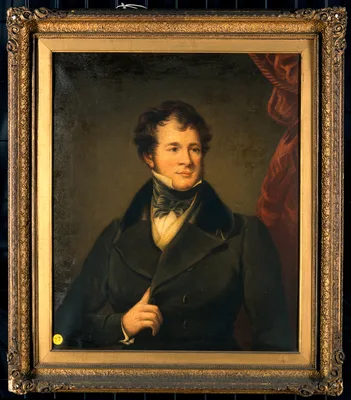
Sarcoma of the prostate was first recorded by Stafford.
1839 –1841
#4208
Traité des maladies des reins. 3 vols, and atlas.
Rayer insisted on the exhaustive analysis of the urine as an aid to the diagnosis of lesions. He classified “albuminus nephritis” into six distinct forms and distinguished these from other forms of nephritis associate…
1841
#1219
Beiträge zur Kenntniss der Geschlechtsverhältnisse und der Samenflüssigkeit wirbelloser Thiere.
1841
#1220
Ueber das Wesen der sogenannten Saamenthiere.
Demonstration of the cellular origin of spermatozoa.
1841
#4259.1
Recherches anatomiques, pathologiques et thérapeutiques sur les maladies des organes urinaires et génitaux considerés specialement chez les hommes agés.
Mercier emphasized the importance of the muscle fibres around the bladder neck, “Mercier’s bar”, in prostatism.
1842
#1231
On the structure and use of the Malpighian bodies of the kidney with observations on the circulation through that gland.
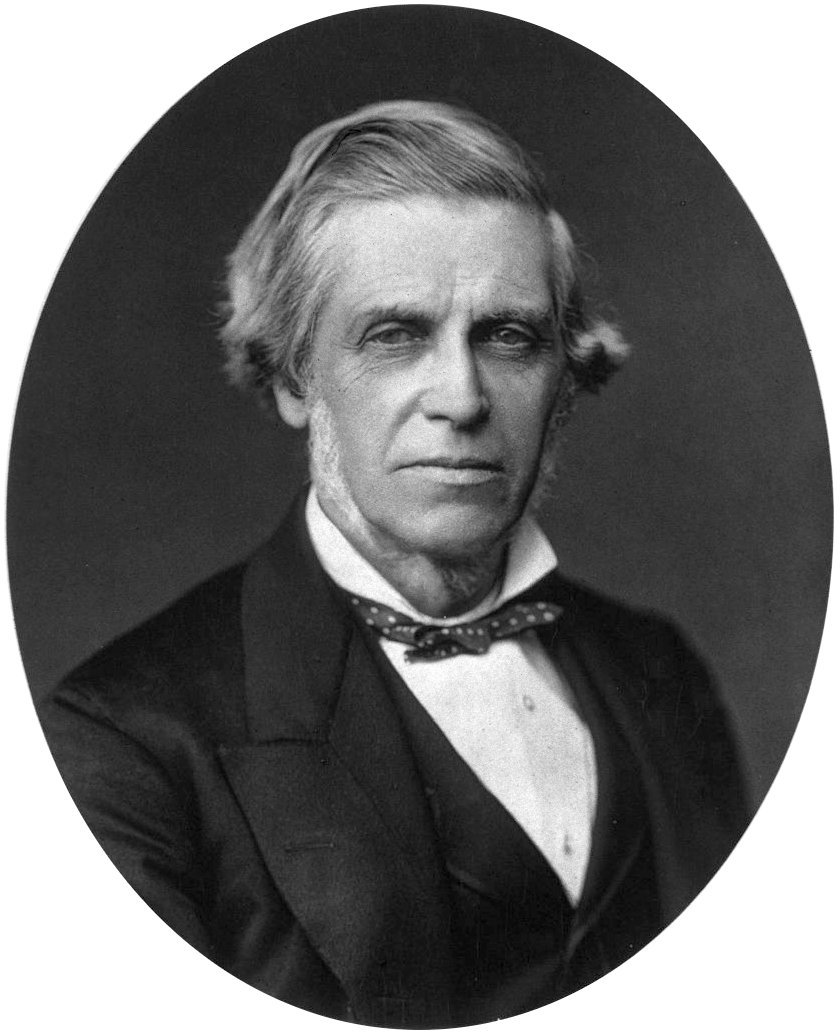
“Bowman’s capsule”. Bowman provided convincing evidence that the glomerular corpuscle is continuous with the renal tubule and gave the first adequate description of the vascular supply of the nephron. He described the…
1843
#1232
Beiträge zur Lehre vom Mechanismus der Harnsecretion.
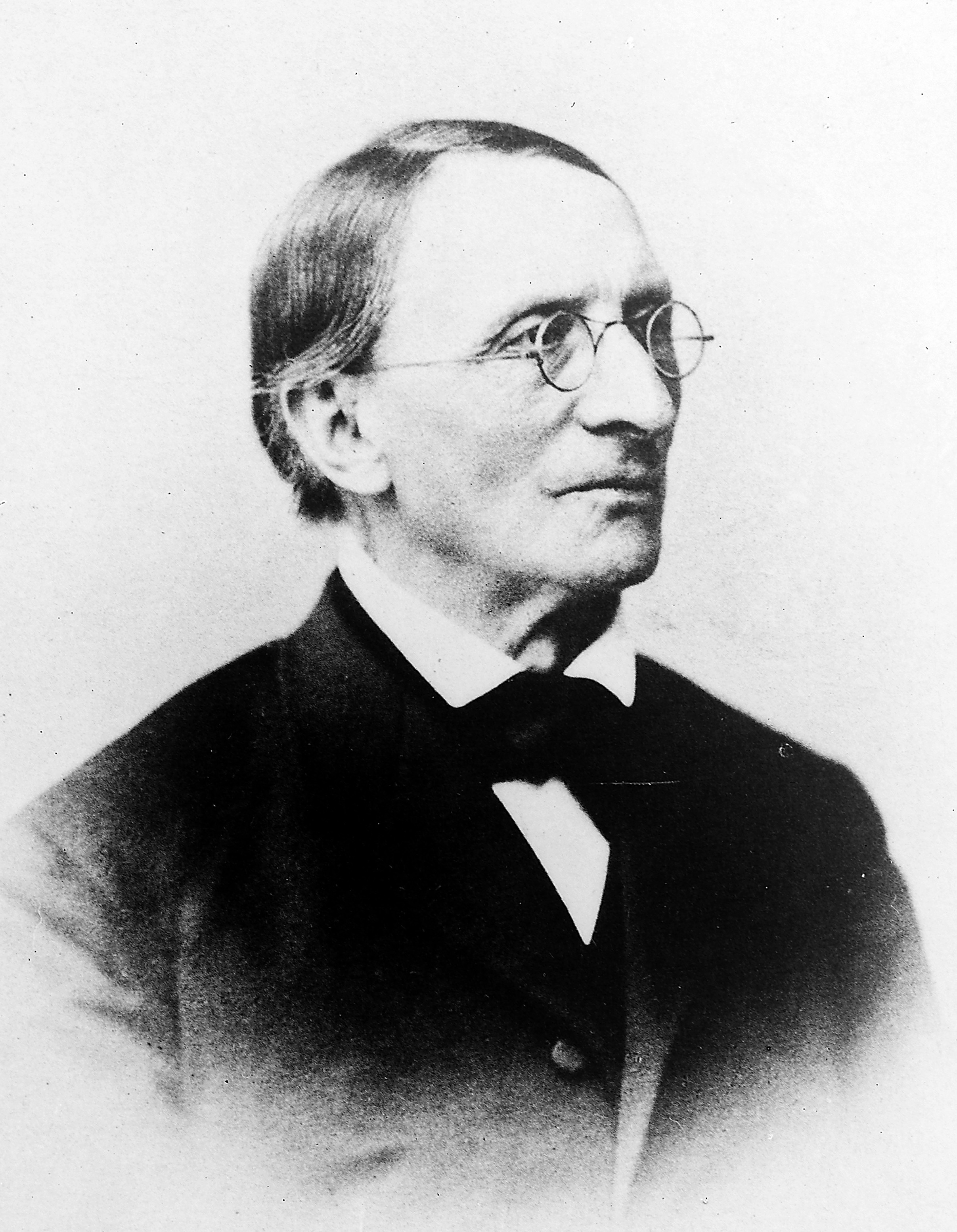
Ludwig wrote a classic monograph on renal secretion. He theorized that urine formation could be explained purely in terms of the laws of physics and chemistry, and that under the hydrostatic pressure of the blood in t…
1845
#4168
Mémoire sur un moyen très simple et très sur de pratiquer le cathétérisme dans les cas même les plus difficiles.
Maisonneuve introduced a hair catheter.
1845
#4168.1
Sur les cathéters coudés, sur la manière de les introduire et sur les avantages qu’on peut rétirer de leur emploi.
Mercier introduced the coudé catheter in 1836 and the bicoudé about 1841.
1849
#1221
Ueber das Ligamentum pelvoprostaticum oder den Apparat, durch welchen die Harnblase, die Prostata und die Harnröhre an den untern Beckenöffnung befestigt sind.
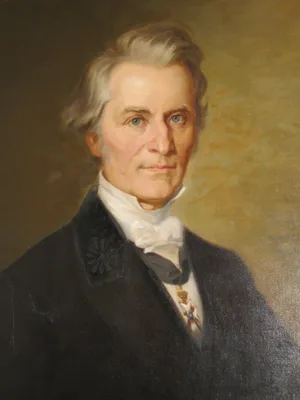
The “cave of Retzius” described.
1850
#1222
Zur Anatomie der männlichen Geschlechtsorgane un Analdrüsen der Säugethiere.
Leydig was the first to describe the interstitial cells of the testis (“Leydig cells”).
1851
#4260
The anatomy and diseases of the prostate gland.
Adams was the first to distinguish between hypertrophy and carcinoma of the prostate. Digital facsimile from the Internet Archive at this link.
1851
#4169
Cystitis; lateral operation on the bladder, death; tuberculous kidney.
First cystotomy for inflammation and rupture of the bladder.
1851
#4209
Die Bright’sche Nierenkrankheit.
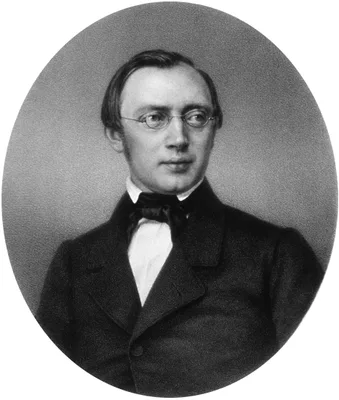
Frerichs divided the progression of renal disease into three stages: initial hyperemia, fatty infiltration and exudation, and organization leading to fibrosis and atrophy. This is one of the earliest works on kidney d…
1852
#4169.1
Ectropia vesicae (absence of the anterior walls of the bladder and pubic abdominal parietes); operation for directing the orifices of the ureters into the rectum; temporary success; subsequent death; autopsy.
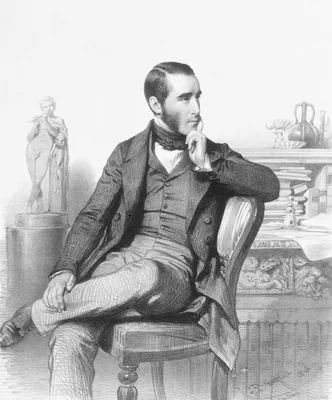
First uretero-intestinal anastomosis.
1854
#4169.2
Ein Fall von intermittirender Albumenurie und Chromaturie.
Paroxysmalcold hemoglobinuria described. English translation in No. 2241.
1855 –1871
#417
Handbuch der systematischen Anatomie des Menschen. 3 vols.
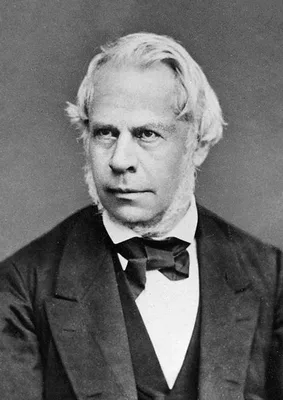
Considered by many authorities to be the greatest of the 19th-century systems of anatomy. Many structures are named after Henle, including the looped portion of the uriniferous tubules of the kidney, the layer of cell…
1857
#1233
Researches into the structure and physiology of the kidney.
1857
#1234
On the function of the Malpighian bodies of the kidney.
Isaacs confirmed and corrected the findings of Bowman; he introduced dye experiments in the study of the kidney, from which he drew the important conclusion that the Malpighian bodies are the most important agency in …
1859
#1234.1
Leçons sur les propriétés physiologiques et les altérations pathologiques des liquides de l’organisme.
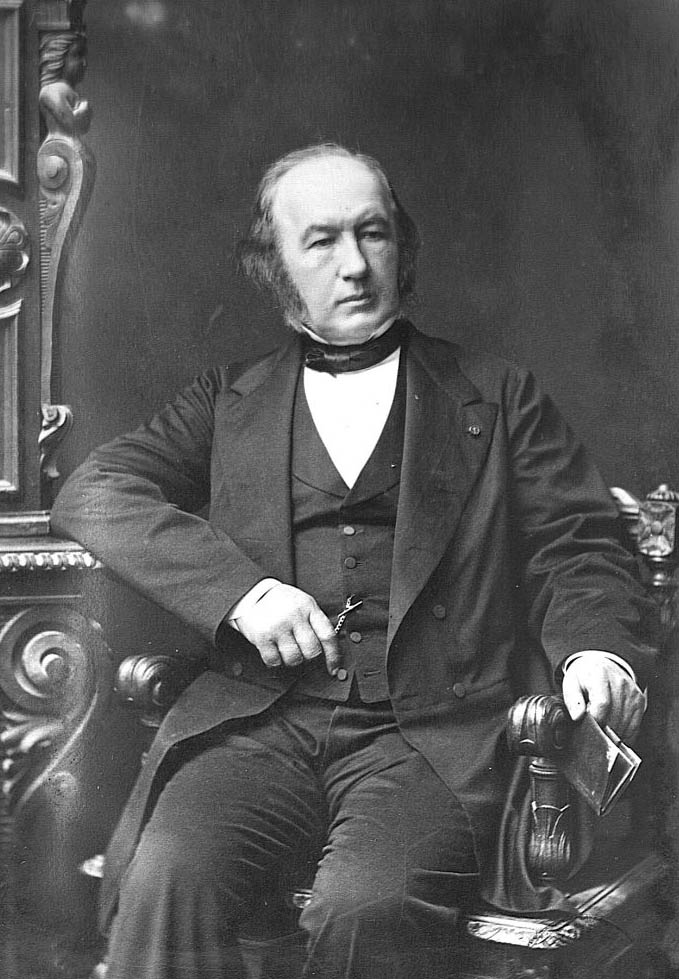
Bernard was the first to describe an effect of the renal nerves on urine flow.
1859
#4170
Plastic operation for exstrophy of the bladder in the male; reported by S. D. Gross.
Pancoast performed the first successful operation for exstrophy of the bladder (ectopia vesicae).
1860
#4291
Die Harnconcretionen.
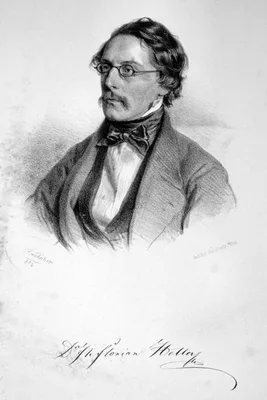
Heller introduced several urine tests and wrote (above) an important work on urinary calculi.
1861
#688
Liquid diffusion applied to analysis.
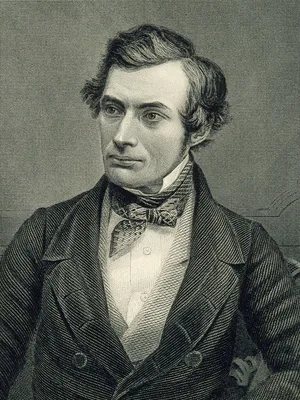
Graham’s method of separating animal and other fluids by dialysis introduced the distinction between colloidal and crystalloid substances.
1861
#4210
Case of encephaloid disease of the kidney; removal, etc.
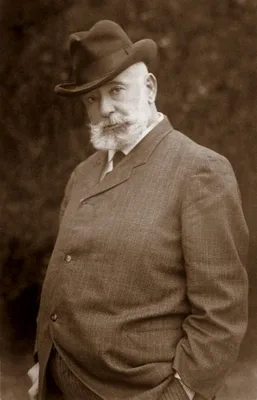
Erastus Bradley Wolcott (1804-1880) was first to excise the kidney (for renal tumor). The preoperative diagnosis had been tumor of the liver. Only after the operation did the surgeons realize that they had removed the…
1863
#1223
Untersuchungen über die Erection des Penis beim Hunde.
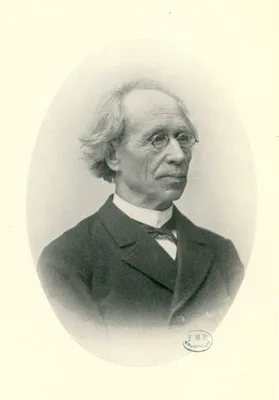
Important studies of the erector mechanism.
1864
#4211
Wandernde Nieren und deren Einklemmung.
“Dietl’s crisis”. Dietl described the sudden severe attacks of nephralgic or gastric pain, chills, fever, nausea and vomiting, and general collapse, ascribing them to partial turning of the kidney upon its pedicle. Fi…
1864
#4498
Contributions à l’étude des altérations anatomiques de la goutte.
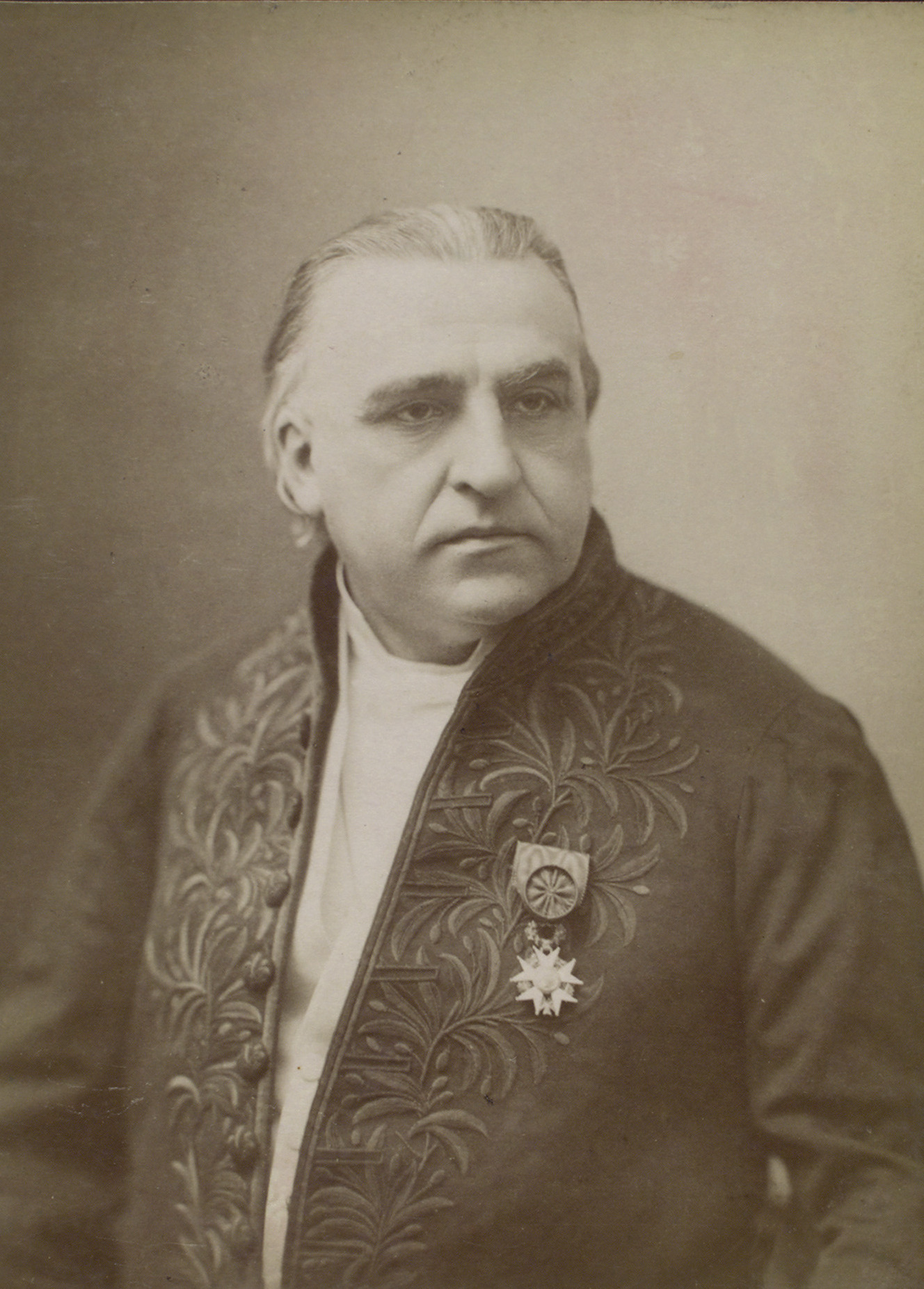
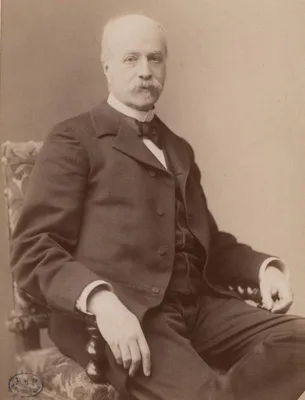
Charcot and Cornil gave an important description of the renal lesions in gout.
1865
#1224
Ueber die Samenkörperchen und ihre Entwicklung.
Proof that the spermatozöon possesses a nucleus and cytoplasm.
1865
#4171
On intermittent haematuria; with remarks upon its pathology and treatment.
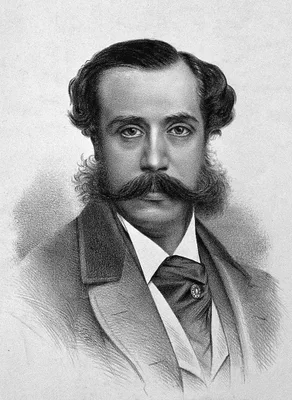
Harley’s classic description of paroxysmal hemoglobinuria, “Harley’s disease”.
1865
#4172
De l’endoscope et de ses applications au diagnostic et au traitement des affections de l’urèthre et de la vessie.
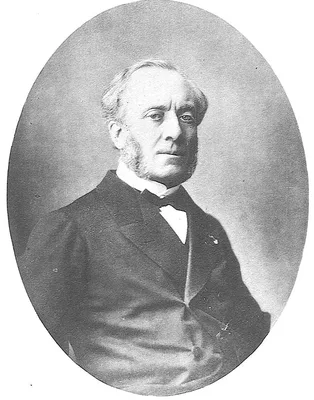
Desormeaux was a pioneer of endoscopy. Digital facsimile from Google Books at this link.