
Facets
Browse across eight MeSH (opens in new tab) facets — era, geography, science, specialty, technology, history, culture, and reference. Select one tag per group; counts update across the others. What’s new in facet browse how facets relate to subjects and MeSH.
Clear filtersFacet filters
Geography
Specialties & Disease
- Anatomy & Pathology 8
- Cardiology & Blood 2
- Neurology & Psychiatry 12
- Obstetrics & Reproductive 3
- Infectious Disease (General) 5
- Surgery & Anesthesia 13
- Public Health 38
- Immunology & Dermatology 10
- General Clinical Medicine 78
- Military Medicine 25
- Psychology 3
- Alternative & Fringe Medicine 16
- Pediatrics 4
- Ophthalmology & Vision 6
- ENT & Hearing 0
- Urology & Nephrology 0
- Gastroenterology & Hepatology 1
- Pulmonary & Respiratory 2
- Rheumatology, Rehab & Pain 1
- Internal, Emergency & Geriatric 2
- Veterinary Medicine 7
- Epidemiology & Demography 18
- Physiology & Embryology 1
- Dentistry 5
- Plagues & Epidemics 90
- Microbiology & Virology 42
Social & Historical Studies
Institutions & Culture
Reference & Scholarly Works
Drugs & Technology
449 entries match Asia & Pacific [Z01.586]
1867
#8210
Review of the history of medicine. 2 vols.
Vol. 1, Part 1: "Primitive period among the Asiatic nations," i.e. Hindus. Vol. 2, Part 1: "Ancient state of medicine among the Hindus (continued)". Part 1: "Review of the Buddhist systems of medicine." Part 3: "Revie…
1867
#11705
Sketches of the inhabitants, animal life and vegetation in the lowlands and high mountains of Ceylon: As well as of the submarine scenery near the coast taken from a diving bell.
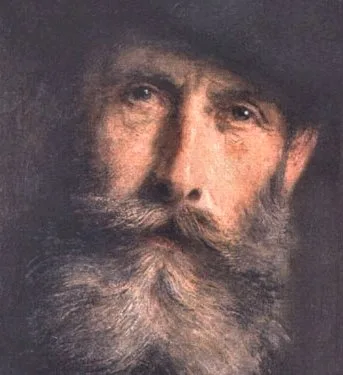
This work was illustrated with 26 tinted lithographs of natives and scenery in Sri Lanka after drawings from nature by the author, of which four were colored reproductions of underwater scenes made by the author using…
1868
#8817
Pharmacopoeia of India, prepared under the authority of Her Majesty's Secretary of State for India in Council
Waring was "Surgeon in Her Majesty's Indian Army." Digital facsimile from the Internet Archive at this link.
1868 –1874
#13444
Recherches pour servir à l'histoire naturelle des mammifères comprenant des considérations sur la classification de ces animaux. 2 vols.
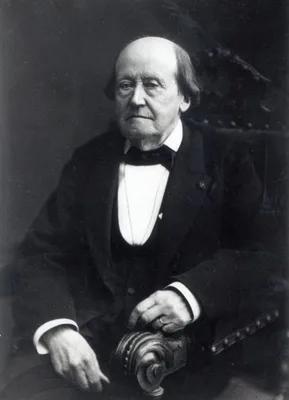
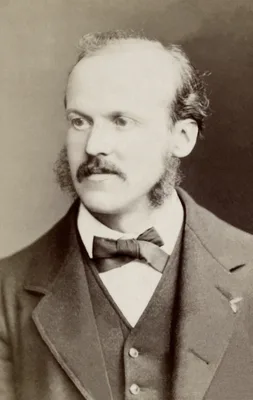
Concerns primarily the mammals of China and Tibet. Volume 2 is an atlas of 108 plates. Digital facsimile from Biodiversity Heritage Library at this link.
1868
#14093
Palaeontological memoirs and notes of the late Hugh Falconer. For many years superintendent of the H.E.I. Company's botanical gardens at Suharunpoor and Calcutta. With a biographical sketch of the author. Compiled and edited by Charles Murchison. Vol. 1. Fauna Antiqua Sivalensis. Vol. II. Mastodon, elephant, rhinoceros, ossiferous caves, primeval man and his cotemporaries. 2 vols.
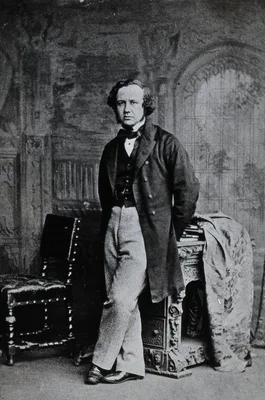
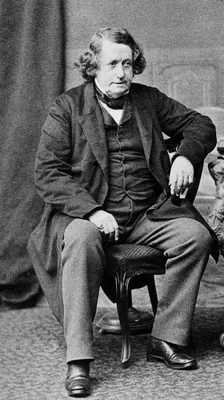
Falconer's writings on human antiquity appear in Vol. 2 of his Palaeontogical memoirs. Together with William Pengelly, Falconer was one of the first two scientists to visit Brixham Cave after its discovery in 1858, an…
1869 –1870
#4059
Lafa Tokelau, or Tokelau ringworm.
First description, tinea imbricata. Turner described the disease while serving as a medical missionary in Samoa.
1869
#10890
Syphilis: Its nature & diffusion popularly considered.
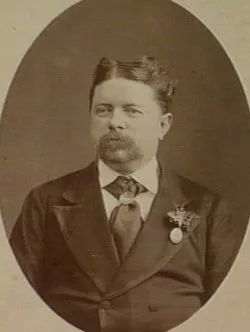
The first work on dermatology or syphilology written, printed and published in Australia. This work is illustrated with chromolithographed plates printed in Australia. This may be the earliest medical book printed in …
1870
#5292
Kala azar.
Kala azar is mentioned briefly in the Proceedings in 1869 (No. 34, p. 19) but the above is the first full description, given by Briscoe in a report dated 1 Dec 1869.
1870
#11623
A manual of medical jurisprudence for India, including the outline of a history of crime against the person in India.
Digital facsimile from the Internet Archive at this link.
1871
#5344.8
On a haemotozoon inhabiting human blood. Its relation to chyluria and other diseases.
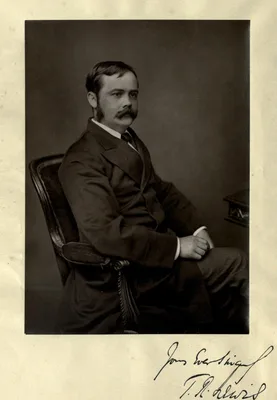
Independently of Demarquay (No. 5344.3) and Wucherer (No. 5344.6), Lewis found microfilariae in the urine and blood in chyluria. He was first to use the term Filaria sanguinis hominis for the parasite.
1872
#2105
The thanatophidia of India. Being a Description of the venomous snakes of the Indian Peninsula, with an account of the influence of their poison on life and a series of experiments
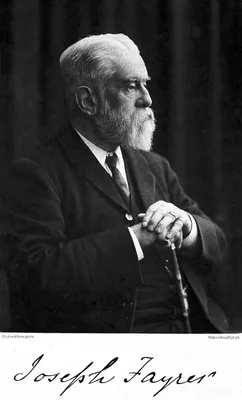
Considered the first systematic work on venomous snakes. Describes all the venomous snakes of India. Digital facsimile from the Internet Archive at this link.
1873
#11749
Heart studies in Australia, with observations on aneurism of the aorta.
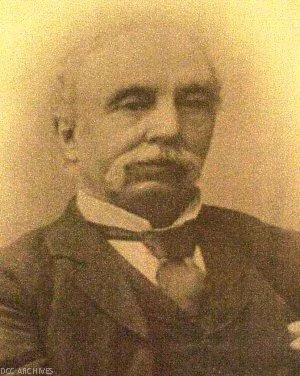
The first book on heart disease written by an Australian physician and published in Australia.
1874
#2032
Pharmacographia. A history of the principal drugs of vegetable origin met with in Great Britain and British India.
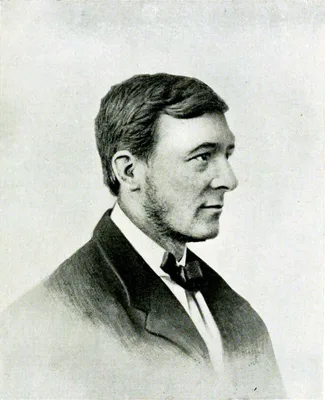
Digital facsimile from the Biodiversity Heritage Library at this link.
1874
#4066
On mycetoma, or the fungus disease of India.
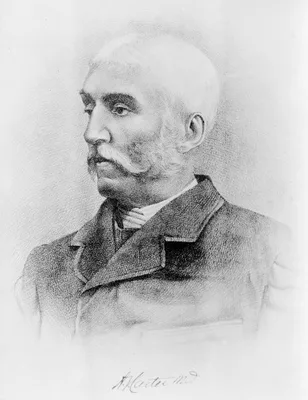
See No. 4047.
1874
#10127
La matière médicale chez les chinois.
Digital facsimile from BnFGallica at this link.
1875
#11758
Medical hints to the people of India. Eminent medical men of Asia, Africa, Europe and America, who had advanced medical science; Compiled for the use of students and for the Vydians and Hakims of India.
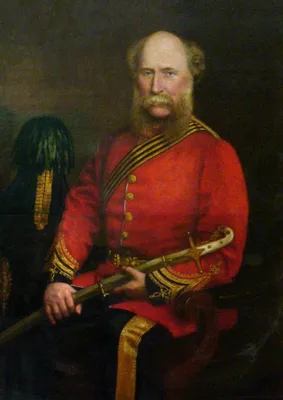
A compilation of biographical sketches of selected figures in medical history written by Balfour as Surgeon-General, Madras Medical Department, "for the hindu Vydian, for the muhammadan Hakim, and for the students of …
1876
#5344.11
Sur la maladie dite diarrhée de Cochinchine.
Normond found Strongyloides stercoralis, the causal parasite in strongyloidiasis. English translation in Kean (No. 2268.1).
1877
#5345
Filaria sanguinis hominis.
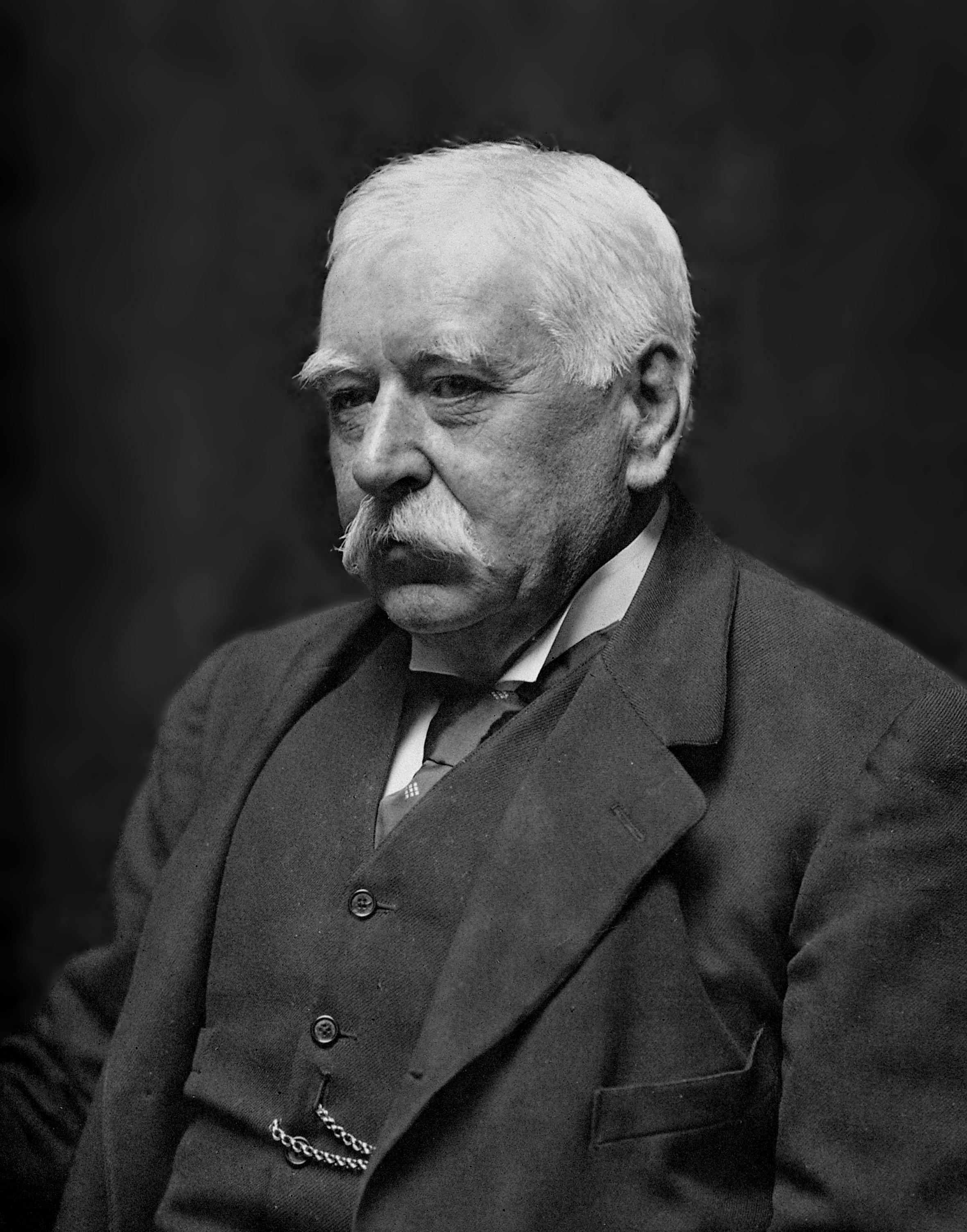
1877
#6485.91
[Charaka Samhita. Edited by Jibananda Vidyasagara.]
Sanskrit text. Authorities vary as to the date of Charaka. He is said to have lived at times varying between 800 BCE and 78 CE. The Samhita, or Sanhita, is one of the most ancient and complete systems of Hindu medicin…
1877
#10722
Leprosy in India. A report.
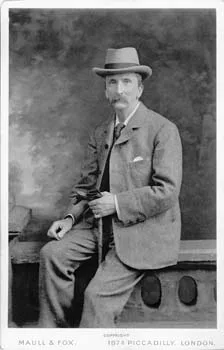
The first quantitative study of leprosy in India. Leprosy first appeared in India at least 2,000 years ago and continued to exist throughout the subcontinent over the succeeding centuries. Upon the establishment of th…
1877
#10787
Filiaria sanguinis hominis - mature form.
Lewis made the critical connection/association of the worm, Filaria sanguinis,(Wuchereria bancrofti ) to Elephantiasis. This brief account appears to be a third person account summarizing Lewis's work written by an ed…
1877
#12948
Les oiseaux de la Chine. Avec un atlas de 124 planches, dessinées et lithographiées par M. Arnoul et coloriées au pinceau. 2 vols.
Digital facsimile from Google Books at this link.
1877
#13781
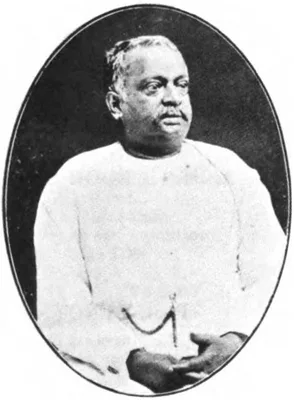
Materia medica of the Hindus compiled from Sanskrit medical works. With a glossary of Indian plants.
1878
#5270.1
The microscopic organisms found in the blood of man and animals, and their relation to disease.
First description of a trypanosome (T. lewisi) in a mammal. Seoarate edition in book form with the same title: Calcutta: Office of the Superintendent of Government Printing, 1879.
1878 –1883
#7515
Les produits de la nature japonaise et chinoise: comprenant la dénomination, l'histoire et les applications aux arts, à l'industrie, à l'économie, à la médecine, etc. des substances qui dérivent des trois règnes de la nature et qui sont employées par les Japonais et les Chinois / Partie inorganique et minéralogique, contenant la description des minéraux et des substances qui dérivent du règne minéral.
Digital facsimile from Google Books at this link.
1878
#9497
The poisonous snakes of India: For the use of the officials and others residing in the Indian Empire.
Digital facsimile from the Biodiversity Heritage Library at this link.
1878
#10721
Elephants and their treatment in health and disease.
Expanded from a "small" edition issued in 1873 at the request of the Conservator of Forests, British Burma to "answer the purpose of a guide for the management of those animals, in a more direct and complete form; and…
1879
#5376.1
Das japanische Fluss- oder Ueberschwemmings-fieber, eine acute Infectionskrankheit.
Early scientific account of tsutsugamushi fever.
1879
#8240
The practice of medicine among the Burmese, translated from original manuscripts, with an historical sketch of the progress of medicine, from the earliest times.
Digital facsimile from the Internet Archive at this link.
1879
#11248
Additional notes on filaria sanguinis hominis and filiaria disease.
On p. 36 of this paper Manson first described nocturnal periodicity in Filaria Bancrofti, an adaptation to the nocturnal biting habits of their mosquito vector. (Thanks to Juan Weiss for this reference and its interpr…
1879
#11954
Catalogue of the plants under cultivation in the botanical gardens, Singapore, Straits Settlements.
The first published catalogue of plants in the Singapore Botanic Gardens. Digital facsimile from the Hathi Trust at this link.
1880 –1884
#3739
Kakke (Beriberi).
In his important account of beriberi, Baelz dealt with the Tokyo outbreak of 1881.
1880
#5346.2
Distoma ringeri.
Manson made a fundamental contribution to knowledge on paragonimiasis with his description of its etiology and of the parasite. He named it Distoma ringeri after Dr. Ringer, who recovered it from the lung at necropsy;…
1881
#5271
On a horse disease in India known as “surra”, probably due to a haematozoon.
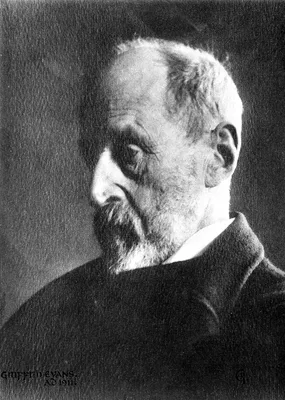
While serving in India as a veterinary surgeon, Evans discovered parasites in the blood of horses suffering from surra; this was the first pathogenic trypanosome to be described.
1881
#10374
Catalogue of the Pathological Museum, Medical College, Calcutta.
Digital facsimile from the Internet Archive at this link.
1881
#13005
Early European researches into the flora of China.
Digital facsimile from Google Books at this link.
1881
#13050
The plants an drugs of sind; being a systematic account, with descriptions, of the indigenous flora, and notices of the value and uses of their products in commerce, medicine and the arts.
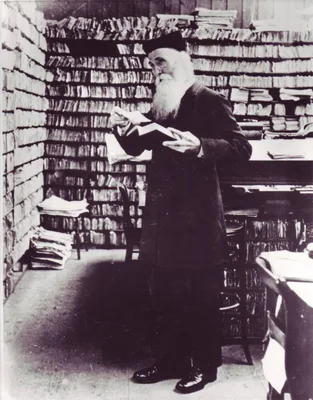
1882
#5204.1
Precis of operations performed in the wards of the first surgeon, Medical College Hospital, during the year 1881.
MacLeod was first to draw attention to granuloma inguinale.
1882
#9506
Opium-smoking in America and China: A study of its prevalence, and effects, immediate and remote, on the individual and the nation.
The author claims (p. 1) that "the first white man who smoked opium in America is said to have been a sporting character named Clendenyn. The second—induced to try it by the first—smoked in 1871." Digital facsimile fr…
1882 –1895
#13006
Botanicon sinicum: Notes on Chinese botany from native and western sources. 3 parts.
Part 1 was first published in the Journal of the North-China Branch of the Royal Asiatic Society, XVI (1881). Part 2 was published in the Journal of the China Branch of the Royal Asiatic Society for 1890-91, XXV (1893…
1883
#2455
The Filaria sanguinis hominis and certain new form of parasitic disease in India, China and warm countries.
A collection of several papers written by Manson.
1884
#9422
An epitome of the reports of the medical officers to the Chinese Imperial Maritime Customs Office from 1871 to 1882. With chapters on the history of medicine in China: Materia medica: Epidemics: Famine: Ethnology: And chronology in relation to medicine and public health.
Apart from studies of common diseases, public health issues, and epizootics, this work contains a chapter on opium smoking and a chapter on the castration of Chinese eunuchs, of which there were around a thousand work…
1884 –1888
#12947
Plantae Davidianae ex Sinarum Imperio: Première partie: Plantes de Mongolie du Nord et du Centre de la Chine. Deuxieme Partie: Plantes du Thibet Oriental (Province de Moupine)
Catalogue of the very extensive collection of plants collected by the Lazarist missionary Father Armand David for the Musée d'Histoire Naturelle during his three major naturalist expeditions in China, Mongolia and Tib…
1884
#13051
The vertebrate zoology of Sind. A systematic account, with descriptions of all the known species of mammals, birds, and reptiles inhabiting the province; observations on their habits, &c; tables of their geographical distribution in Persia, Belochistan, and Afghanistan; Punjab, North-west provinces, and the peninsula of India generally, with woodcuts, lithographs, and coloured illustrations.
1885
#3740
On the cause and prevention of kakke.
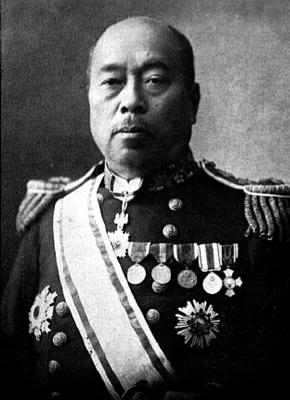
Takaki was the first conclusively to show the dietary origin of beriberi. Measures introduced by him resulted in its eradication from the Japanese Navy, where it had previously been a serious problem.
1885
#5293
On the presence of peculiar parasitic organisms in the tissue of a specimen of Delhi boil.
Cunningham saw and described bodies in Delhi boil; these were almost certainly Leishman–Donovan bodies.
1885
#6604
Notes on the history of medical progress in Japan.
From Trans. Asiatic Soc. Japan, 1885, 12, 245-469. Digital facsimile from the Internet Archive at this link.
1886
#13052
The reptiles of Sind: A systematic account, with descriptions of all the species inhabiting the province, and a table of their geographical distribution in Persia, Bloochistan, Afghanistan, Punjab, Northwest Provinces, and the Peninsula of India generally, with woodcuts, lithographs, and colored illustrations.
A re-issue with additions to date, of "Reptilian fauna" in the author's Vertebrate zoology of Sind. Digital facsimile from the Hathi Trust at this link.
1887
#11756
The agricultural pests of India, and of eastern and southern Asia, vegetable and animal, injurious to man and his products.
Digital facsimile from the Internet Archive at this link.
1887 –1890
#13053
The avifauna of British India and its dependencies. A systematic account, with descriptions of all the known species of birds inhabiting British India, observations on their habits, nidification, &c., tables of their geographical distribution in Persia, Beloochistan, Afghanistan, Sind, Punjab, N.W. Provinces, and the peninsula of India generally, with woodcuts, lithographs, and coloured illustrations. 2 vols.
Digital facsimile from Biodiversity Heritage Library at this link.