
Facets
Browse across eight MeSH (opens in new tab) facets — era, geography, science, specialty, technology, history, culture, and reference. Select one tag per group; counts update across the others. What’s new in facet browse how facets relate to subjects and MeSH.
Clear filtersFacet filters
Geography
Specialties & Disease
- Anatomy & Pathology 0
- Cardiology & Blood 0
- Neurology & Psychiatry 1
- Obstetrics & Reproductive 0
- Infectious Disease (General) 0
- Surgery & Anesthesia 2
- Public Health 10
- Immunology & Dermatology 0
- General Clinical Medicine 0
- Military Medicine 3
- Psychology 0
- Alternative & Fringe Medicine 5
- Pediatrics 1
- Ophthalmology & Vision 0
- ENT & Hearing 0
- Urology & Nephrology 0
- Gastroenterology & Hepatology 0
- Pulmonary & Respiratory 0
- Rheumatology, Rehab & Pain 1
- Internal, Emergency & Geriatric 1
- Veterinary Medicine 0
- Epidemiology & Demography 0
- Physiology & Embryology 0
- Dentistry 0
- Plagues & Epidemics 2
- Microbiology & Virology 0
Social & Historical Studies
Institutions & Culture
Reference & Scholarly Works
96 entries match United States [Z01.058] · Pharmacology & Therapeutics [D01 / E02]
1672
#1826.1
New-Englands rarities discovered: in birds, beasts, fishes, serpents, and plants of that country. Together with the physical and chyrurgical remedies wherewith the natives constantly use to cure their distempers, wounds, and sores…
The first detailed account of the natural history and botany of North America, including the first extensive study of native North American medicine.
1672
#7007
The American physician : or, a treatise of the roots, plants, trees, shrubs, fruit, herbs, etc., growing in the English Plantations in America ; ... whereunto is added a discourse of the Cacao-nut-Tree, and the use of its fruit ; with all the ways of making Chocolate
The earliest work in English on the medicinal virtues of North American tropical plants. Based on first-hand observations made in the West Indies, Evidence suggests that Hughes began his career in 1651 with a privatee…
1708
#1828.1
The English physician.
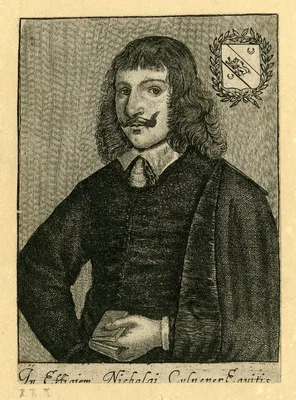
This reprint of Culpeper’s popular work on herbal remedies was the first medical book (94pp.) printed in North America.
1720
#1828.2
Pharmacopoeia Londinensis; or the London dispensatory…
The first herbal printed in North America, and the first full-length medical book published in North America. From the 1653 London edition.
1731 –1747
#9571
The natural history of Carolina, Florida and the Bahama Islands: Containing the figures of birds, beasts, fishes, serpents, insects, and plants: Particularly, the forest-trees, shrubs, and other plants, not hitherto described, or very incorrectly figured by authors. Together with their descriptions in English and French. To which are added observations on the air, soil and waters: With remarks on agriculture, grain, pulse, roots &c. To the whole is prefixed a new and complete map of the countries treated of. 2 vols.
The only attempt to record the natural history of a region of America during the colonial period. Includes 220 fine handcolored etched plates after and by Catesby and mostly signed with his cipher, excepting plates 61…
1734
#9675
Every man his own doctor: or, The poor planter's physician. Prescribing plain and easy means for persons to cure themselves of all, or most of the distempers, incident to this climate, and with very little charge, the medicines being chiefly of the growth and production of this country.
The first medical hand-book for lay persons written and published in America. It is probable that this book was first published in 1734, though the earliest recorded copy or copies appear to be the "second edition" wi…
1743
#12478
Flora Virginica exhibens plantas quas v. c. Johannes Clayton in Virginia observavit atque collegit. Easdem method sexuali-disposuit, ad genera propria retulit, nominbus specificis insignivit, & minus cognitas descriptsit.
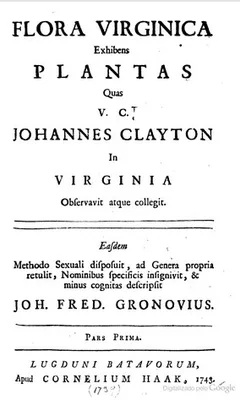
The first flora of Virginia. As stated on the title page, Gronovius, a Dutch botanist, based this work on specimens collected by the Virginia plant collector and botanist John Clayton. While Clayton supplied the speci…
1745
#2094
An essay on the West-India dry-gripes… to which is added, an extraordinary case in physick.
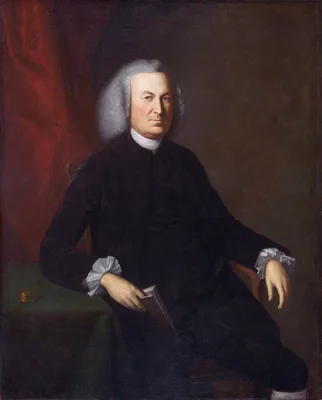
Cadwalader, an American pupil of Cheselden, left a classical account of lead colic and lead palsy. This was later shown by Benjamin Franklin, printer of the above work, to be due to the consumption of Jamaica rum whic…
1751
#1832
Descriptions, virtues, and uses of sundry plants of these northern parts of America, and particularly of the newly discovered Indian cure for the venereal disease.
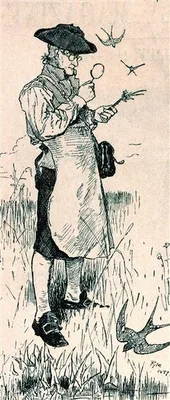
Bartram founded one of the first botanical gardens in America (at Kingsessing). Linnaeus referred to him as the “greatest natural botanist in the world”. A few copies of this 7-page work printed by Benjamin Franklin w…
1767
#7679
Hortus Europae americanus, or, A collection of 85 curious trees and shrubs: the produce of North America, adapted to the climates and soils of Great-Britain, Ireland, and most parts of Europe, &c together with their blossoms, fruits and seeds, observations on their culture, growth, constitution and virtues, with directions how to collect, pack up and secure them in their passage.
Digital facsimile from the Biodiversity Heritage Library at this link. First published as Hortus Britanno-Americanus (1763).
1770
#9204
Syllabus of a course of lectures on chemistry.
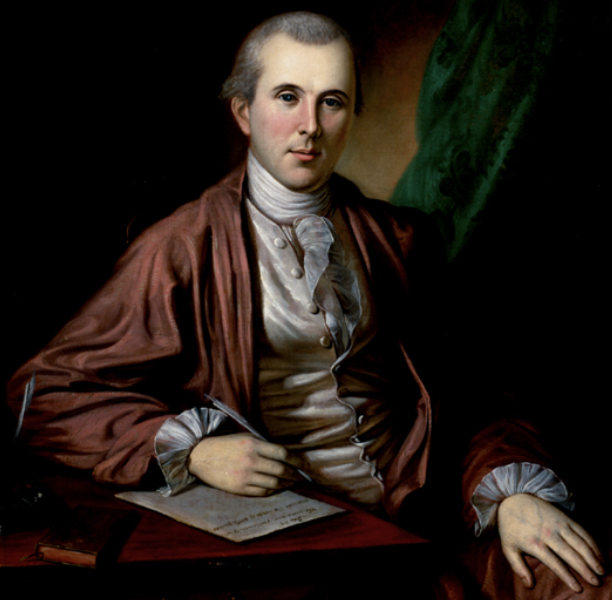
Rush inaugurated the first regular course of lectures on chemistry taught in America, at the College of Philadelphia. Includes much on pharmaceutical chemistry. Facsimile reprint with an introduction by L. H. Butterfi…
1771
#12472
Travels through that part of North America formerly called Louisiana by Mr. Bossu, ... Translated from the French by John Reinhold Forster, F.A.S. Illustrated with notes relative chiefly to natural history to which is added by the translator a systematic catalogue of all the known plants of English North America, or a Flora Americae Septentrionalis together with an abstract of the most useful and necessary articles contained in Peter Loefling's travels through Spain and Cumana in South America referred to the pages of the original Swedish edition. 2 vols.
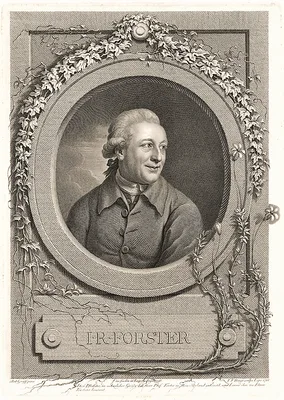
This work is a series of 21 letters that Bossu wrote to the Marquis de L’Estrade describing his life and travels in the vast Louisiana country from 1751 to 1762. His ventures ranged from Fort Chartres, in present-day …
1778
#1834
Pharmacopoeia simpliciorum et efficaciorum.
The first original pharmacopeia published in the USA. Reproduced in facsimile, with translation, in The Badger Pharmacist, 1938. No. 22-25.
1785
#1836.1
Arbustrum Americanum: the American grove, or, an alphabetical catalogue of forest trees and shrubs…
Like his cousin, John Bartram (No. 1832), Marshall maintained a private botanical garden. According to W. Darlington the above work is “the first truly indigenous botanical essay published in the Western Hemisphere”. …
1787
#1837
Materia medica Americana, potissimum regni vegetabilis.
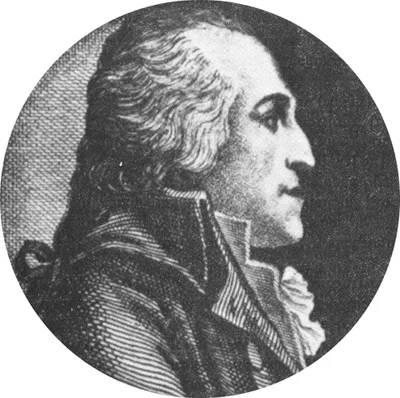
Schoepff came to America in 1777 as a surgeon with the Hessian troops employed by the British Forces. He returned to Germany in 1784 and compiled the first full American materia medica, describing about 400 plants, in…
1798
#8654
The influence of metallic tractors on the human body, in removing various painful inflammatory diseases, such as rheumatism, pleurisy, some gouty affections, &c. &c: Lately discovered by Dr. Perkins, of North America; and demonstrated in a series of experiments and observations....by which the importance of the discovery is fully ascertained, and a new field of enquiry opened in the modern science of Galvanism, or animal electricity
In 1795 Dr. Elisha Perkins (1741-1799) of Connecticut introduced the use of “Metallic Tractors” for the treatment of a wide range of disorders, including pains in the head, face, teeth, breast, side, stomach, back, rh…
1798
#9309
Collections for an essay towards a materia medica of the United States. Read before the Philadelphia Medical Society, on the twenty-first of February, 1798.
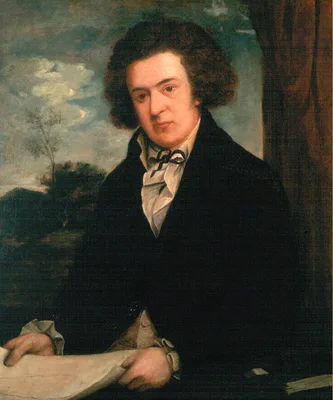
Digital facsimile of the 1798 edition from the U.S. National Library of Medicine at this link. Digital facsimile of the much-expanded third edition (1810) from Google Books at this link.
1801
#1838.2
The American herbal, or materia medica.
The first herbal both produced and printed in the United States, as opposed to those which were reprints of European works. Includes information on native American remedies. Digital facsimile from the Medical Heritage…
1803
#9310
Elements of botany, or outlines of the natural history of vegetables.
The first American textbook of botany. Digital facsimile of the revised 1804 London edition from the Hathi Trust at this link.
1803
#12399
Flora Boreali-Americana, sistens caracteres plantarum quas in America septentrionali collegit et detexit Andreas Michaux, Instituti Gallici Scientiarum, necnon Societatis Agriculturae Caroliniensis socius. Tabulis Aeneis 51 ornata [after Pierre-Joseph Redouté]. 2 vols.
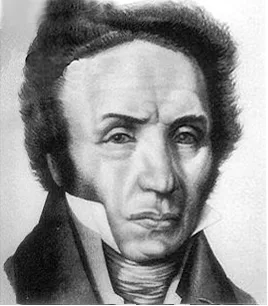
"The French government sent Michaux to the United States to collect North American seeds, shrubs, and trees ; he landed at New York City on 1 October, accompanied by his son [François-André Michaux] and a gardener. In…
1808
#10067
The pharmacopoeia of the Massachusetts Medical Society,
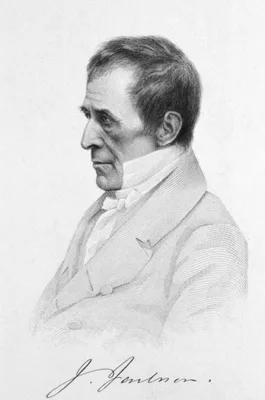
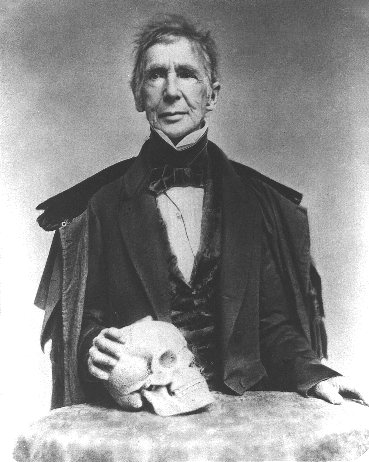
The first state pharmacopeia issued in the United States. Jackson and Warren were the "Committee for the Pharmacopoeia." Digital facsimile from the Internet Archive at this link.
1811
#7801
The maternal physician; a treatise on the nurture and management of infants, from the birth until two years old. Being the result of sixteen years' experience in the nursery. Illustrated by extracts from the most approved medical authors
The first American book on pediatrics, in the tradition of "advice books" or childcare manuals for mothers. This was the first American printed book on a medical subject written by a woman. Pages 248-75 publish a list…
1814
#7876
Flora Americae septentrionalis; or, a systematic arrangement and description of the plants of North America. Containing, besides what have been described by preceding authors, many new and rare species, collected during twelve years travels and residence in that country. 2 vols.
The first survey of all plants of North America above Mexico, including more than 3,000 species and 470 genera; describes more than 100 species collected by the Lewis and Clark expedition. Digital facsimile from Botan…
1814
#9641
Botanic medicine: A new and complete American medical family herbal: Wherein is displayed the true properties and medical virtues of the plants, indigenous to the United States of America, together with Lewis' secret remedy newly discovered, which has been found infallible in the cure of that dreadful disease hydrophobia, produced by the bite of a mad dog.
Henry wrote that he had been a captive of the Indians during the Creek War and that he incorporated what he learned during his captivity. His work was one of the first illlustrated herbals published in the United Stat…
1817 –1819
#1841
Vegetable materia medica of the United States. 2 vols.
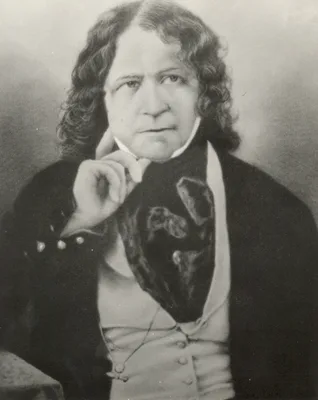
Barton served as a naval surgeon and, in 1815, became Professor of Botany at Philadelphia. Along with Bigelow (No. 1842) Barton’s work is one of the first two botanical works with colored plates issued in the United S…
1817 –1820
#1842
American medical botany, being a collection of the native medicinal plants of the United States, containing their botanical history and chemical analysis, and properties and uses in medicine, diet and the arts. 3 vols.
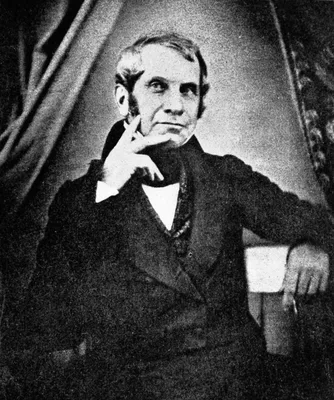
Bigelow was professor of materia medica and botany at Harvard. This work included native American remedies. It was the first book printed in the United States to include color plates printed in color. See R.J. Wolfe, …
1818
#7771
The genera of North American plants, and a catalogue of the species to the year 1817. 2 vols.
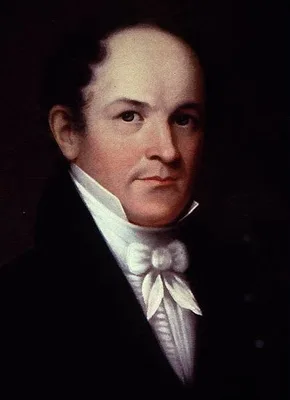
The first comprehensive botany of the United States. Digital facsimile from the Internet Archive at this link.
1820
#1845
Pharmacopoeia of the United States of America. 1820
The first official US pharmacopoeia. Spalding began campaigning for a national pharmacopeia in 1815. His efforts finally bore fruit in a national convention that met in 1820 and adopted a pharmacopeia based mainly on …
1821 –1824
#13911
A sketch of the botany of South-Carolina and Georgia. 2 vols.
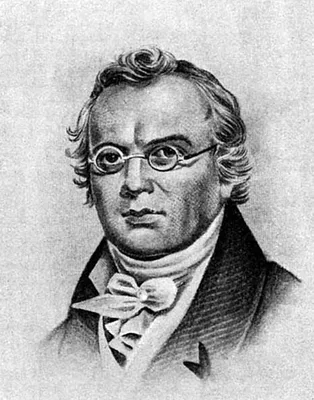
A founding work of botany of the American South, containing first botanical descriptions of many species. Initially published in parts from 1816 to 1824. Digital facsimile from Biodiversity Heritage Library at this link.
1822
#10068
A treatise on the materia medica, intended as a sequel to the Pharmacopoeia of the United States: Being an account of the origin, qualities and medical uses of the articles and compounds, which constitute that work, with their modes of prescription and administration.
Bigelow, who with Lyman Spalding, was largely responsible for the creation and publication in 1820 of the first U.S. pharmacopeia, published this valuable explanatory and supplementary volume two years later. It was p…
1825
#2074
Wanderings in South America, the North-West of the United States, and the Antilles, in the years 1812, 1816, 1820, and 1824.
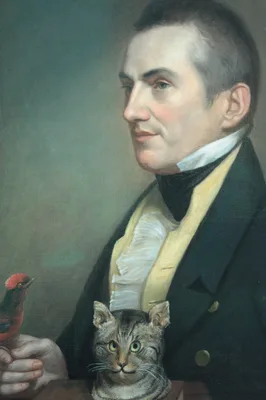
Waterton traveled to the Guyana region of South America to obtain curare. He provided a detailed description of its paralyzing effects, its preparation by distillation, and the blowpipe and darts used to deliver it. O…
1826
#10513
A compendium of the flora of the northern and middle states, containing generic and specific descriptions of all the plants, exclusive of the cryptogamia, hitherto found in the United States, north of the Potomac.
Published after Torrey's appointment as profess or chemistry at West Point, in a small, handy format for botanical students, that "its small size will enable them to use it without inconvenience in their herborization…
1828 –1830
#1849
Medical flora; or, manual of the medical botany of the United States of North America. Containing a selection of above 100 figures and descriptions of medical plants, with their names, qualities, properties, history &c; and notes or remarks on nearly 500 equivalent substitutes. 2 vols.
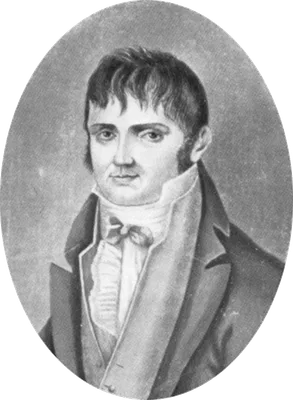
Rafinesque was a great botanist, conchologist, archaeologist, and economist. Born in a suburb of Istanbul, he was also a world citizen and a prolific writer with 939 works to his credit. He died in extreme poverty in …
1833
#10824
The dispensatory of the United States of America.
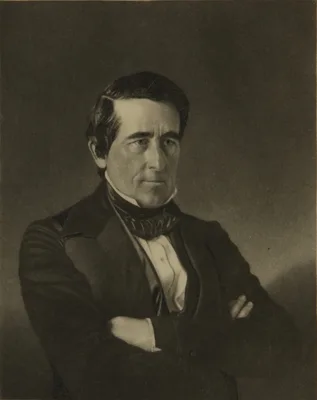
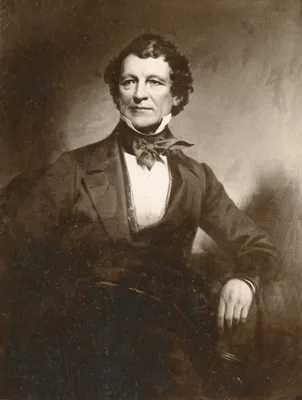
Digital facsimile of this, the first, and later editions from the Hathi Trust at this link.
1841 –1849
#7774
The North American sylva; or, A description of the forest trees of the United States, Canada, and Nova Scotia, considered particularly with respect to their use in the arts, and their introduction into commerce; to which is added a description of the most useful of the European trees. Illustrated by 156 coloured engravings. Translated from the French of F. Andrew Michaux ... With three additional volumes, containing all the forest trees discovered in the Rocky Mountains, the Territory of Oregon, down to the shores of the Pacific and into the confines of California, as well as in various parts of the United States. Illustrated by 122 finely coloured plates. 6 vols.
The first study of all the trees of North America. Digital facsimile of all 6 vols. from the Hathi Trust at this link.
1843
#10512
A flora of the state of New-York, comprising full descriptions of all the indigenous and naturalized plants hitherto discovered in the state; with remarks on their economical and medicinal properties. 2 vols.
For a long time this was the most comprehensive botany of any U.S. state. Digital facsimile from Biodiversity Heritage Library at this link.
1844
#10446
The theory and treatment of fevers. Revised and corrected by Ferdinando Stith.
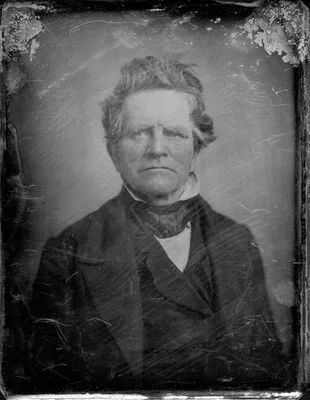
The first medical treatise published in Missouri and the first medical treatise published west of the Mississippi River. "John Sappington provided medical services, was a financial lender, and imported and exported go…
1847
#8545
Medical botany: or, Descriptions of the more important plants used in medicine, with their history, properties, and mode of administration.
The author intended to update and correct the earlier works on American materia medica by Barton, Bigelow and Rafinesque, and to make this information available at a reasonable price. Digital facsimile from the Biodiv…
1854
#10130
On the medicinal and toxicological properties of the cryptogamic plants of the United States.
Separate edition: New York: Baker, Godwin & Co, 1854. Digital facsimile from Google Books at this link.
1857 –1859
#10514
Report on the United States and Mexican boundary survey: Made under the direction of the secretary of the Interior
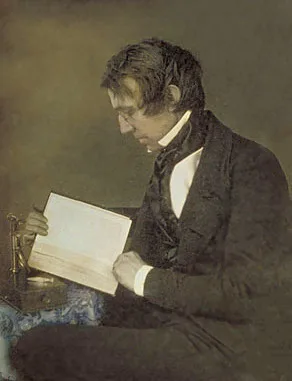
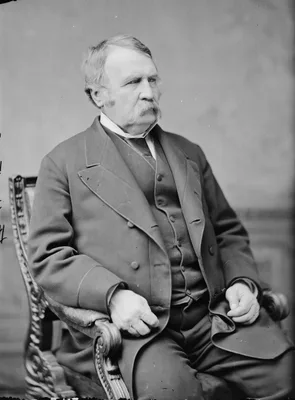
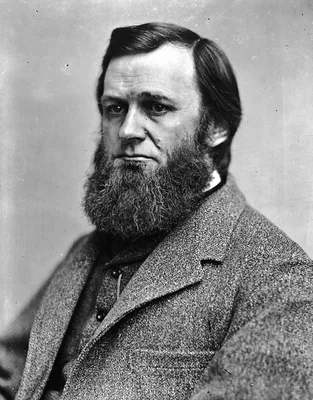
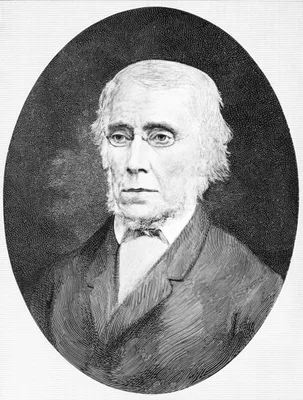
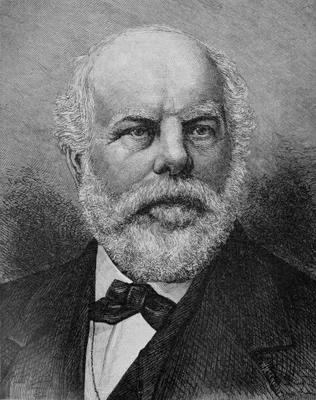
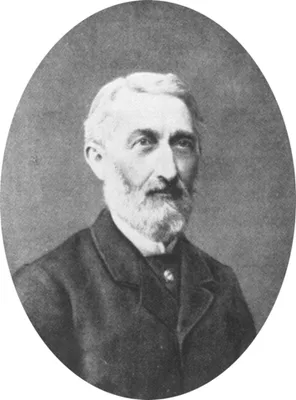
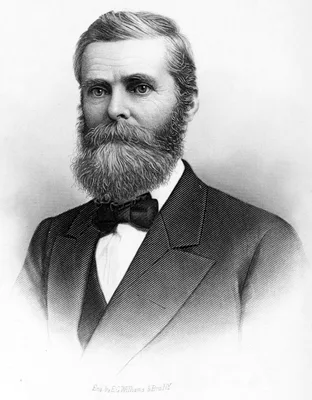
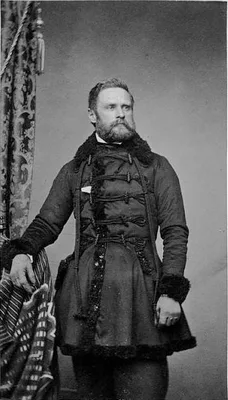
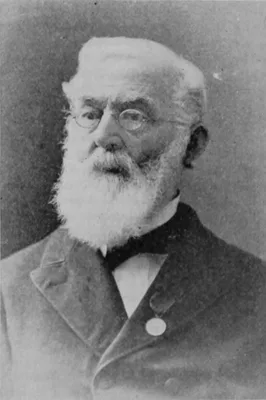
Vol. 1, pt. by W. H. Emory. Vol. 1, pt. 2: Geological reports by C.C. Parry and Arthur Schott, notes by W. H. Emory; Paleontology and geology of the boundary by James Hall; Description of cretaceous and tertiary fossi…
1863
#1865.1
Resources of the southern fields and forests, medical, economical, and agricultural: Being also a medical botany of the Confederate States; with practical information on the useful properties of the trees, plants and shrubs.
The first extensive treatise on the botany of the Southern States of the US and the only Confederate manual of materia medica. This is also a manual of “survival information”, teaching how live off the land and how to…
1876
#10412
The people's medical advisor.
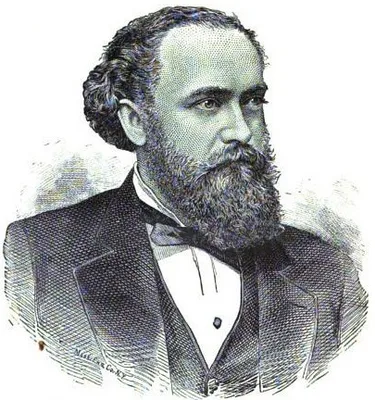
A graduate of the Eclectic Medical College in Cincinnati, Vaughn was a member of the New York State Senate (31st D.) in 1878 and 1879, and was elected as a Republican to the 46th United States Congress, holding office…
1882
#9506
Opium-smoking in America and China: A study of its prevalence, and effects, immediate and remote, on the individual and the nation.
The author claims (p. 1) that "the first white man who smoked opium in America is said to have been a sporting character named Clendenyn. The second—induced to try it by the first—smoked in 1871." Digital facsimile fr…
1885
#10575
Indigenous flowers of the Hawaiian Islands: Forty-four plates painted in water-colours and described by Mrs. Francis Sinclair, Jr.
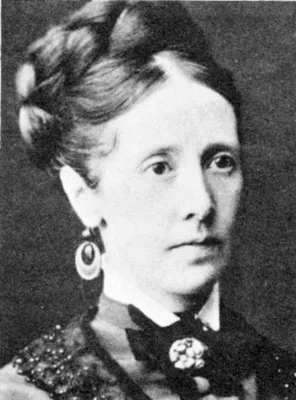
The first color-illustrated book on Hawaiian flora. "The following collection of flowers was made upon the islands of Kauai and Niihau, the most northern of the Hawaiian archipelago. It is not by any means a large col…
1887
#8716
American medicinal plants; an illustrated and descriptive guide to the American plants used as homoeopathic remedies: Their history, preparation, chemistry and physiological effects. Illustrated by the author.
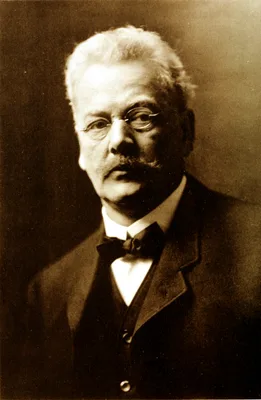
Plates printed by chromolithography. Digital facsimile from the Internet Archive at this link.
1892
#10438
Mineral springs and health resorts of California: With a complete chemical analysis of every important mineral water in the world... A Prize Essay; Annual Prize of the Medical Society of the State of California, Awarded April 20, 1889.
The first half of the book concerns mineral springs and health resorts in California and how to use them; the second half mostly concerns mineral springs and other health resorts in North America and Europe. Digital f…
1900
#9475
The ethno-botany of the Coahuilla Indians.
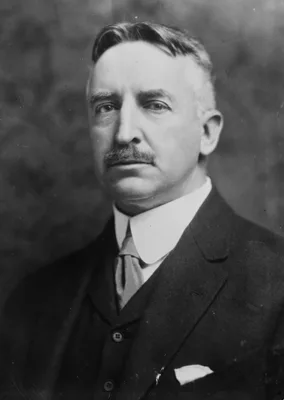
"The ʔívil̃uqaletem (or Ivilyuqaletem) are Native Americans of the inland areas of southern California.[2] Their original territory included an area of about 2,400 square miles (6,200 km2). The traditional Cahuilla te…
1911
#9347
The ethno-botany of the Gosiute Indians of Utah.
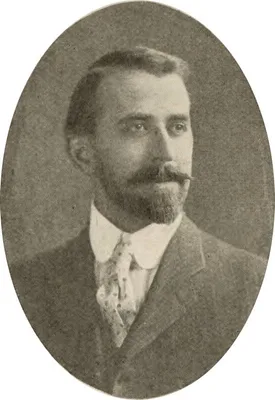
Digital facsimile from the Internet Archive at this link.
1914
#8548
Some American medical botanists commemorated in our botanical nomenclature.
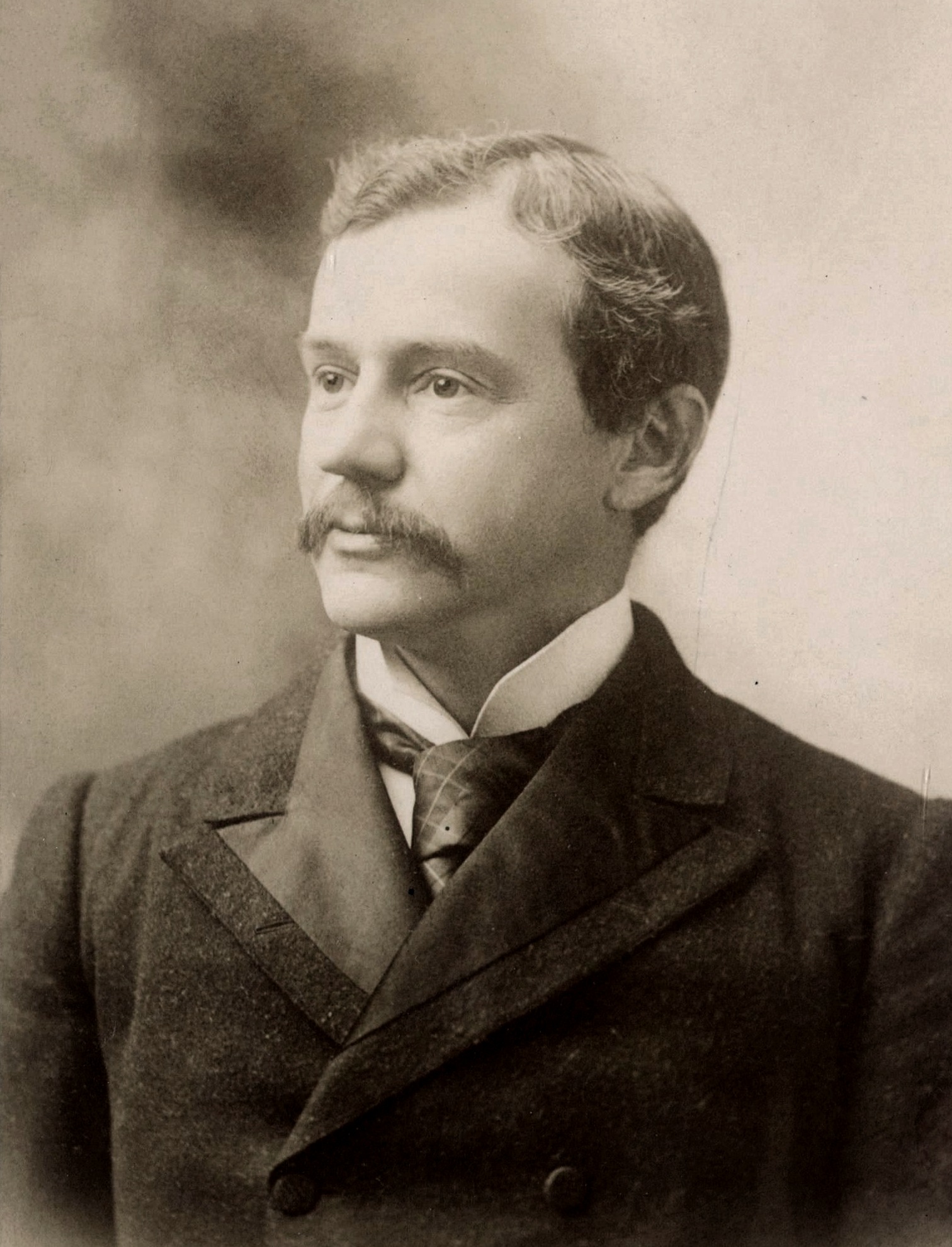
Digital facsimile from the Internet Archive at this link.
1915
#9293
Ethnobotany of the Zuñi Indians. Thirtieth annual report of the Bureau of American Ethnology.
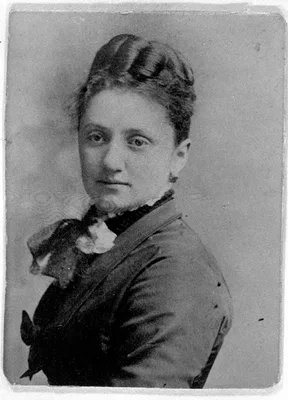
Digital facsimile from swsbm.com at this link.