
Facets
Browse across eight MeSH (opens in new tab) facets — era, geography, science, specialty, technology, history, culture, and reference. Select one tag per group; counts update across the others. What’s new in facet browse how facets relate to subjects and MeSH.
Clear filtersFacet filters
Geography
Specialties & Disease
- Anatomy & Pathology 8
- Cardiology & Blood 7
- Neurology & Psychiatry 25
- Obstetrics & Reproductive 13
- Infectious Disease (General) 2
- Surgery & Anesthesia 30
- Public Health 99
- Immunology & Dermatology 6
- General Clinical Medicine 23
- Military Medicine 107
- Psychology 1
- Alternative & Fringe Medicine 29
- Pediatrics 6
- Ophthalmology & Vision 2
- ENT & Hearing 0
- Urology & Nephrology 0
- Gastroenterology & Hepatology 3
- Pulmonary & Respiratory 1
- Rheumatology, Rehab & Pain 2
- Internal, Emergency & Geriatric 5
- Veterinary Medicine 1
- Epidemiology & Demography 38
- Physiology & Embryology 6
- Dentistry 7
- Plagues & Epidemics 81
- Microbiology & Virology 30
Social & Historical Studies
Institutions & Culture
Reference & Scholarly Works
Drugs & Technology
107 entries match United States [Z01.058] · Military Medicine [G02.403.810.560]
1775
#2155
Plain, concise, practical remarks, on the treatment of wounds and fractures; to which is added an appendix, on camp and military hospitals; principally designed for the use of young military surgeons in North America.
The first surgical work written by an American and printed in North America. Jones’s work was the accepted guide to surgical practice during the American Revolutionary War.
1778
#2157
Directions for preserving the health of soldiers: recommended to the consideration of the officers of the Army of the United States. Published by order of the Board of War.
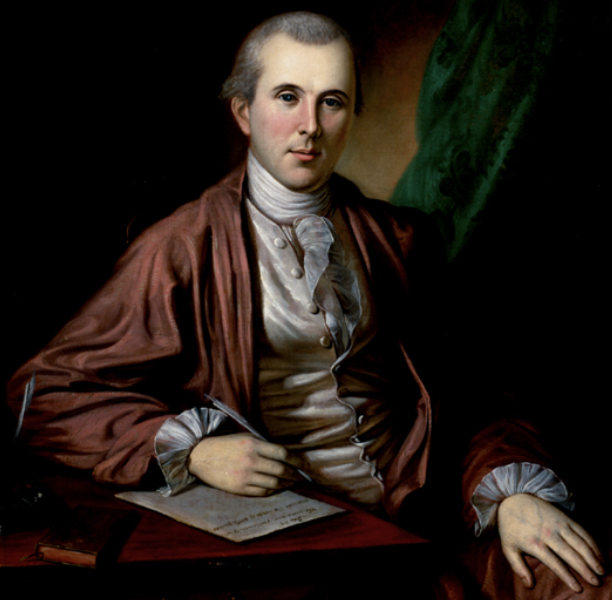
A reprint from the Philadelphia Packet, No. 284. The pamphlet was reprinted by the Massachusetts Temperance Alliance in Boston, 1865, for distribution to the Union soldiers.
1789 –1793
#80
Medical inquiries and observations. 2 vols.
Rush was considered the ablest American clinician of his time. He was a friend of Benjamin Franklin and one of the signers of the Declaration of Independence. His many writings are distinguished for their classical st…
1816
#2161.1
Medical sketches of the campaigns of 1812, 13, 14. To which are added, surgical cases, observations on military hospitals; and flying hospitals attached to a moving army.
The primary record of medicine during the War of 1812.
1823
#6584.9
A military journal during the American Revolutionary War, from 1775-1783…
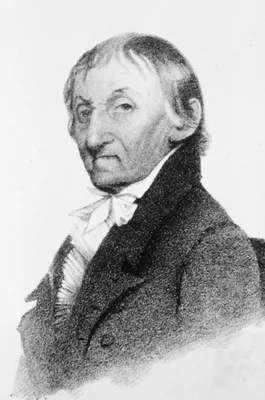
The first American medical historian, Thacher gave the best contemporary account of medicine during the Revolutionary War, as well as an important history of the war in general. See No. 6710.
1828
#6710
American medical biography. 2 vols.
Thacher was the first American medical historian. The above biography is a valuable source of information on the early medical history of the United States. Reprinted, New York, Da Capo Press, 1967.
1840 –1856
#2163.1
Statistical report on the sickness and mortality in the Army of the United States. Vol. 1 (1819-1839), Vol. 2 (1839-1855), Vol. 3 (1855-1860).
UNITED STATES. War Dept. Surgeon General's Office
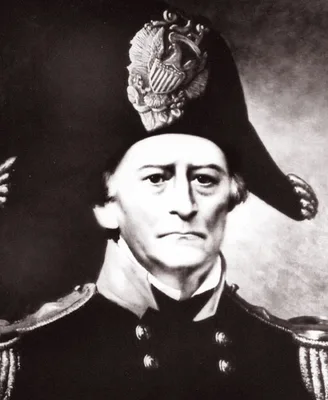
Vol.1 by Thomas Lawson; Vols 2 & 3 by Richard H. Coolidge. Digital facsimiles from the Internet Archive at this link.
1850
#10295
An historical sketch of the state of medicine in the American Colonies, from their first settlement to the period of the Revolution.
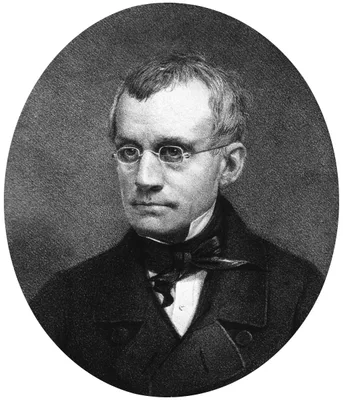
A pioneering historical interpretation of the development of medicine in the 13 colonies up to the American Revolution. Digital facsimile from the Internet Archive at this link. This is the second, significantly expan…
1858
#9312
Notes on the surgery of the war in the Crimea, with remarks on the treatment of gunshot wounds.
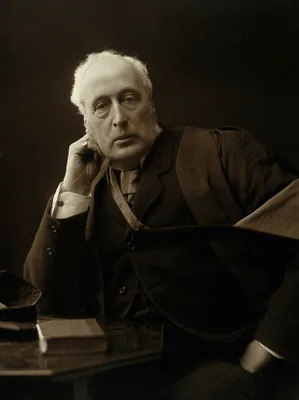
Digital facsimile from Google Books at this link. Reprinted in Richmond, Virginia in 1862 during the American Civil War for the Confederate States Army by J. W. Randolph; digital facsimile of the Richmond edition from…
1860
#4422
A new instrument for the treatment of fractures of the lower extremity.
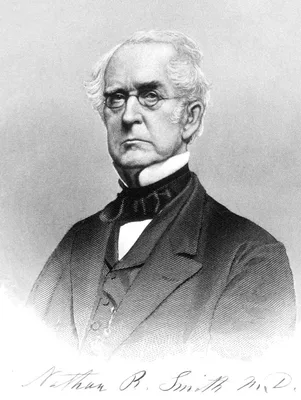
Smith devised an anterior or suspensatory splint for use in the treatment of fractures of the femur. The apparatus was heavily used during the U.S. Civil War and was especially valuable in treating compound fractures.
1860
#10495
Illustrated wholesale catalogue of surgical and dental instruments, elastic trusses, medical saddle bags, abdominal supporters, shoulder braces and druggists sundries, offered by Snowden & Brother.
Snowden & Brother provided an excellent selection of the exact types of equipment used by the Union Army during the Civil War. Facsimile reprint, with John Weiss & Son 1863 catalogue, with a new introduction by James …
1861
#7735
Handbook for the military surgeon: Being a compendium of the duties of the medical officer in the field, the sanitary management of the camp, the preparation of food, etc.; with forms for the requisitions for supplies, returns, etc.; the diagnosis and treatment of camp dysentery; and all the important points in war surgery: Including gunshot wounds, amputation, wounds of the chest, abdomen, arteries and head, and the use of chloroform.
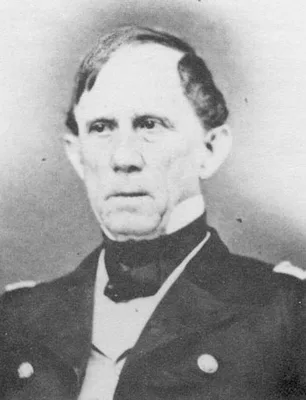
Digital facsimile of second edition (1861) from Google Books at this link.
1861
#7811
A manual of military surgery: for the use of surgeons in the Confederate army: with an appendix of the rules and regulations of the medical department of the Confederate army.
Digital facsimile from the U.S. National Library of Medicine at this link.
1861
#7814
A treatise on gun-shot wounds: written for and dedicated to the surgeons of the Confederate States Army.
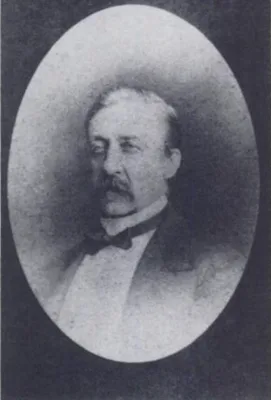
Digital facsimile from the Hathi Trust at this link.
1861
#7815
A manual of military surgery: or, hints on the emergencies of field, camp and hospital practice.
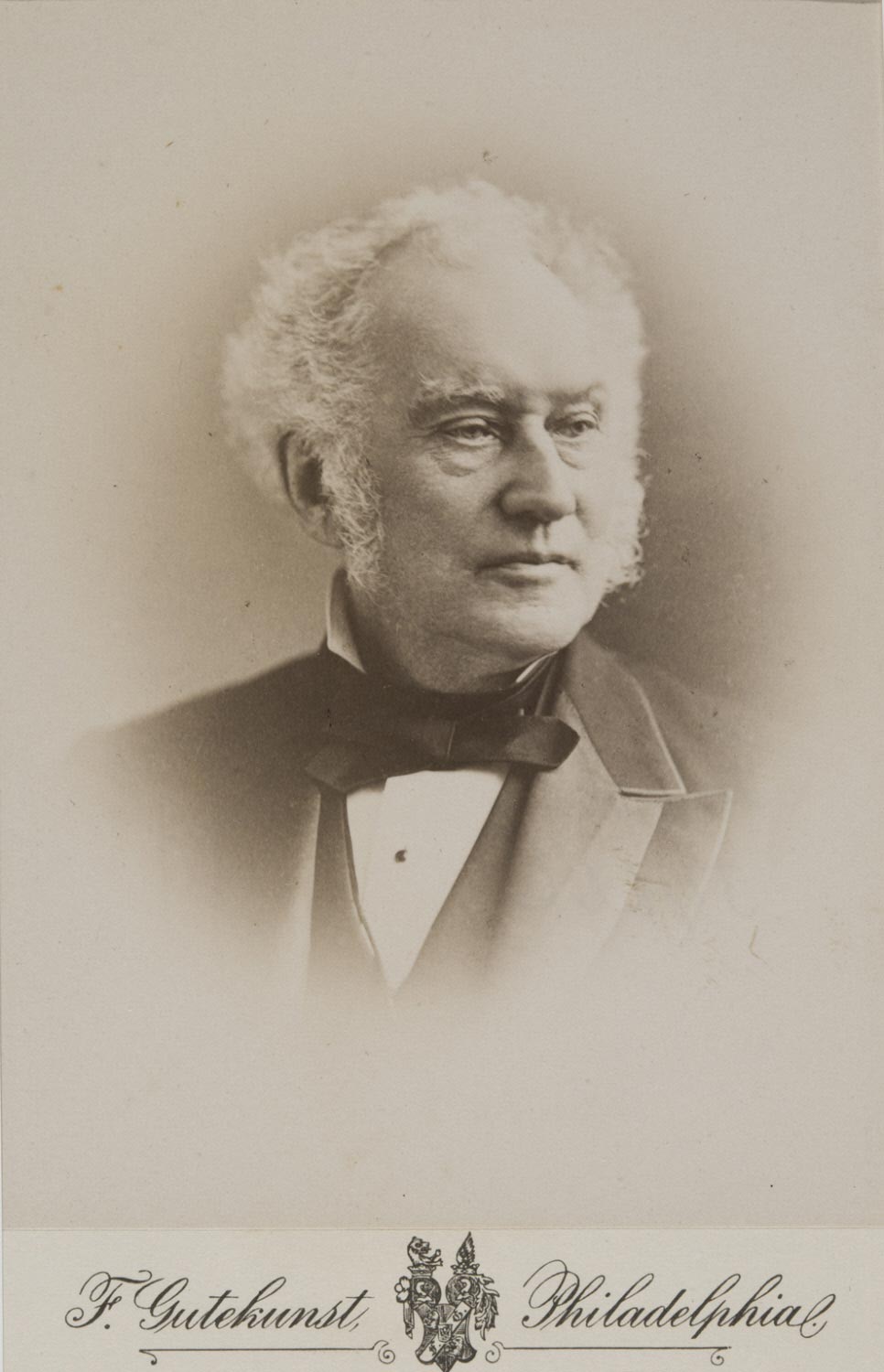
Digital facsimile of the second edition (1862) from the Hathi Trust at this link. Notably in 1862 this small work written for Union surgeons was reprinted in Richmond, Virginia for the use of Confederate surgeons. The…
1861
#7867
A manual of etherization: Containing directions for the employment of ether, chloroform, and other anaesthetic agents, by inhalation, in surgical operations, Intended for military and naval surgeons, and all who may be exposed to surgical operations, with Instructions for the preparation of ether and chloroform, and for testing them for Impurities. comprising, also, a brief history of the discovery of anaesthesia.
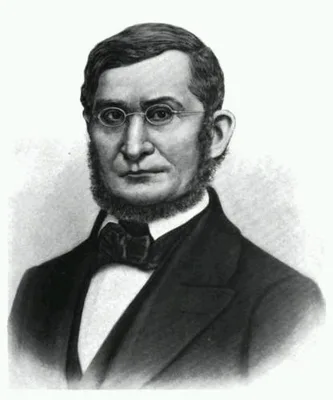
Jackson's most detailed exposition of anesthesia, including a summary of the early history of its discovery, written for American Civil War physicians and surgeons. Digital facsimile from the Internet Archive at this …
1862
#2166.1
Notes on arrow wounds.
The definitive work on American Indian arrow wounds suffered by U. S. troops and settlers in frontier warfare during the Western expansion of the United States. Bill eventually developed a "Forceps for the Extraction …
1862
#7737
The hospital steward's manual; for the instruction of hospital stewards, wardmasters, and attendants, in their several duties; prepared in strict accordance with existing regulations and the customs of service in the armies of the United States of America, and rendered authoritative by order of the Surgeon-General.
Digital facsimile from the Internet Arhive at this link.
1862
#7817
Regulations for the Medical Department of the C. S. Army.
Electronic edition from unc.edu, Documenting the American South, at this link.
1863
#1865.1
Resources of the southern fields and forests, medical, economical, and agricultural: Being also a medical botany of the Confederate States; with practical information on the useful properties of the trees, plants and shrubs.
The first extensive treatise on the botany of the Southern States of the US and the only Confederate manual of materia medica. This is also a manual of “survival information”, teaching how live off the land and how to…
1863
#7419
Hospital sketches.
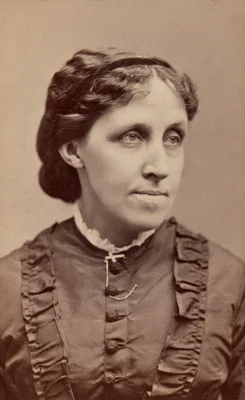
Digital facsimile of the 1863 edition from the Internet Archive at this link. Alcott expanded the work for the edition of 1869. Edited, with an extensive introduction by Bessie Z. Jones (Cambridge: Harvard University …
1863
#7736
A manual of military surgery, prepared for the use of the Confederate States Army by order of the Surgeon-General [Samuel P. Moore].
". . . confined to those affections most intimately connected with gun-shot wounds and operations, as Shock, Tetanus, Hospital Gangrene, Pyaemia, &c." (from the preface). This is the only extensively illustrated Confe…
1863
#7738
Outlines of the chief camp diseases of the United States Army as observed during the present war.
Digital facsimile from the Internet Archive at this link.
1863
#7739
A manual of instructions for enlisting and discharging soldiers. With special reference to the medical examination of recruits, and the detection of disqualifying and feigned diseases.
Digital facsimile of the 1864 printing from the Internet Archive at this link.
1863
#7812
An epitome of practical surgery for field and hospital.
Digital facsimile from the Internet Archive at this link.
1863
#7813
Notes and observations on army surgery.
Digital facsimile from the Internet Archive at this link.
1863
#9161
A brief plea for an ambulance system for the army of the United States, as drawn from the extra sufferings of the late Lieut. Bowditch and a wounded comrade.
Digital facsimile from the Internet Archive at this link.
1863
#10496
A catalogue of surgical instruments, apparatus, appliances, etc. Manufactured and sold by John Weiss & Son.
Though based in England, John Weiss & Son's catalogue offered and illustrated a wide range of equipment that would have been used in the American Civil War or the Crimean War. Facsimile reprint, with Snowdon & Brother…
1863
#12167
A report on hospital gangrene, eryipelas and pyaemia, as observed in the departments of the Ohio and the Cumberland, with cases appended. Published by permission of the Surgeon General U.S.A.
Middleton, surgeon in the U.S. Volunteers, recommended the placement of volatile bromine in all patient wards. He developed a method of applying bromine deep into muscular layers after wound debridement then injecting…
1863
#13754
Hospital transports: A memoir of the embarkation of the sick and wounded from the peninsula of Virginia in the summer of 1862.
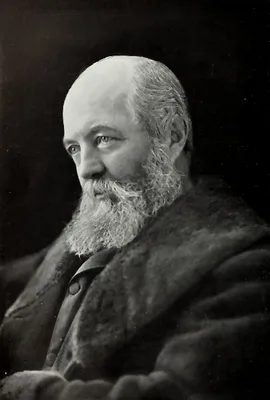
During the U.S. Civil War Olmsted, a landscape architect, journalist, social critic and public administrator, was Executive Secretary of the U.S. Sanitary Commision. Digital facsimile from U.S. National Library of Med…
1863
#14228
The principles and practice of surgery, embracing minor and oeprative surgery; with a bibliographical index of American surgical writers from the year 1783 to 1860. Illustrated by 400 wood-cuts and nearly 1000 engravings on steel. 2 vols.
The most extensively illustrated American manual of surgery issued during the U.S. Civil War.
1864
#2167
Gunshot wounds and other injuries of nerves.
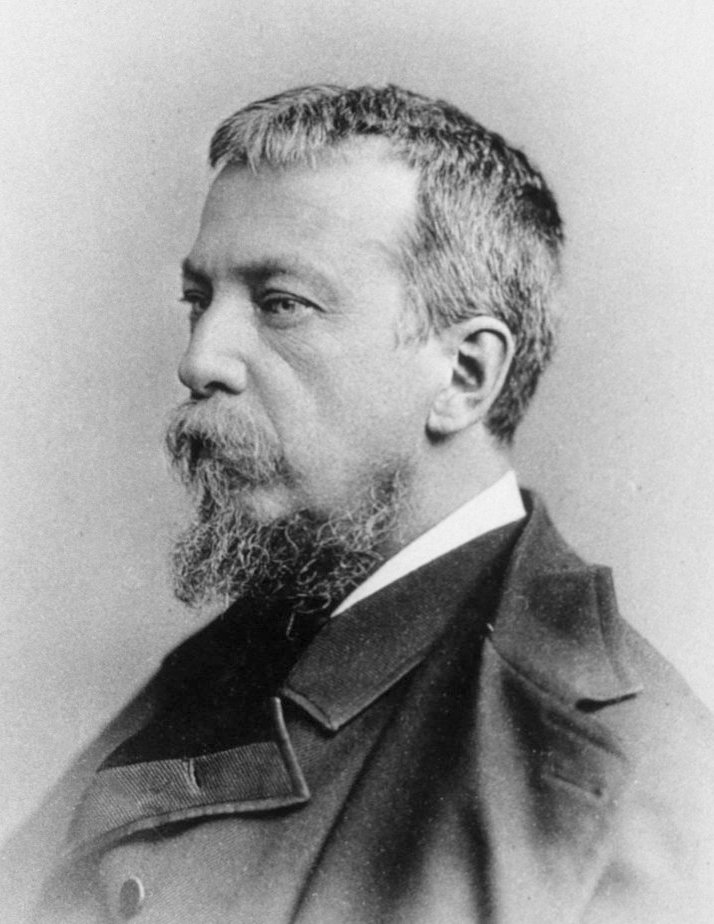
Mitchell, Morehouse, and Keen were army surgeons during the American Civil War; their book was the first exhaustive study of the traumatic neuroses. Includes the first description of ascending neuritis, and also of th…
1864 –1865
#7740
Confederate States Medical and Surgical Journal.
Confederate States of America, Surgeon-General's Office
Issued monthly from January 1864 to February 1865. (Ordinarily this bibliography does not cite complete runs of periodicals; however, because the Confederate States of America issued so few medical publications, and t…
1864
#8994
The female spy of the union army. The thrilling adventures, experiences, and escapes of a woman nurse, spy, and scout, in hospitals, camps and battlefields.
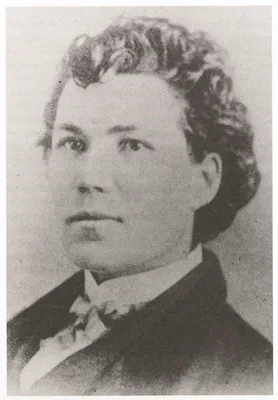
Digital facsimile of a reprint of the 1864 edition from the Internet Archive at this link. Reissued in 1865 as Nurse and spy in the Union Army: Containing the adventures and experience of a woman in hospitals, camps, …
1864
#11578
Medical diagnosis with special reference to practical medicine: A guide to the knowledge and discrimination of diseases.
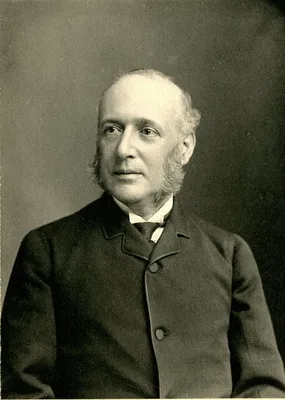
During the Civil War Da Costa was an acting surgeon in Philadelphia where he supervised a ward for patients with heart disease. In this book he presented the first description of a condition that he called "irritable …
1864
#11905
Narrative of privations and sufferings of the United States officers and soldiers while prisoners of war in the hands of the rebel authorities. Being the report of a commission of inquiry, appointed by the United States Sanitary Commission. With an appendix, containing the testimony. Edited by Valentine Mott.
Includes four engravings based upon photographs of Union soldiers who were emaciated following imprisonment at Belle Isle. The contributors included Dorothea Dix and several military surgeons, including William Ely, G…
1865
#9529
Reports on the extent and nature of the materials available for the preparation of a medical and surgical history of the Rebellion.
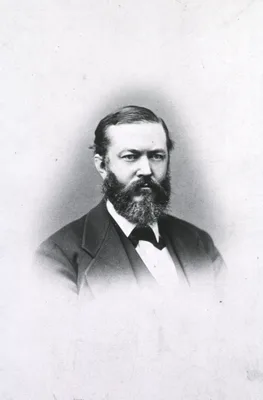
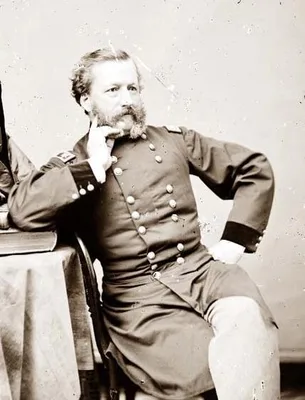
Digital facsimile from the Internet Archive at this link.
1865
#11384
La Commission Sanitaire des États-Unis, son origine, son organisation et ses résultats avec une notice sur les hôpitaux militaires aux États-Unis et sur la réforme sanitaire dans les armées Europénnes.
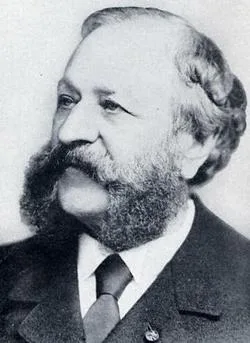
Digital facsimile from BnFGallica at this link.
1866
#7799
History of the United States Sanitary Commission: being the general report of its work during the War of the Rebellion.
Digital facsimile from the Internet Archive at this link.
1866
#9214
Medical recollections of the Army of the Potomac.
Letterman originated modern methods for medical organization in armies and on the battlefield. His system of organization enabled thousands of wounded men to be recovered and treated during the American Civil War. Dig…
1866
#10375
Catalogue of the surgical section of the United States Army Medical Museum.
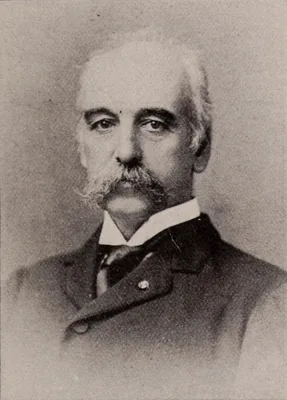
Digital facsimile from the Internet Archive at this link.
1866
#13706
A journal of hospital life in the Confederate Army of Tennessee from the Battle of Shiloh to the end of the war: With sketches of life and character, and brief notices of current events during that period.
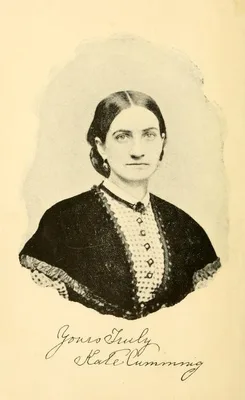
"[B]y far the fullest and most informative of narratives of the Confederate women who served as nurses" (In Tall Cotton). Cumming responded to calls for volunteers and worked as a field nurse from 1862 through the end…
1867
#7748
Woman's work in the Civil War: A record of heroism, patriotism and patience.
Details the work of women in the American Civil War in the fields of nursing, supply and sanitary organization (i.e. the Sanitary Commission) with biographies of notable women. Digital facsimile from the Internet Arch…
1867
#10369
Catalogue of the medical and microscopical sections of the United States Army Medical Museum. Catalogue of the medical section... prepared under the direction of the Surgeon General, U.S. Army by Brevet Lieutenant Colonel J. J. Woodward. Catalogue of the microscopical section...by Brevet Major Edward Curtis.
Digital facsimile from the Internet Archive at this link.
1867
#11596
Contributions relating to the causation and prevention of disease, and to camp diseases; together with a report of the diseases, etc., among the prisoners at Andersonville, GA. Edited by Austin Flint.
Includes contributions by Roberts Bartholow, Jacob Mendez DaCosta, Paul Eve, Frank Hamilton, Joseph Jones, S. Wier Mitchell, etc. Digital facsimile from the Internet Archive at this link.
1867
#13345
Three years in field hospitals of the Army of the Potomac.
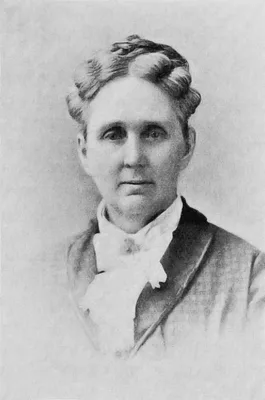
Digital facsimile from Google Books at this link.
1868
#8998
Hospital days.
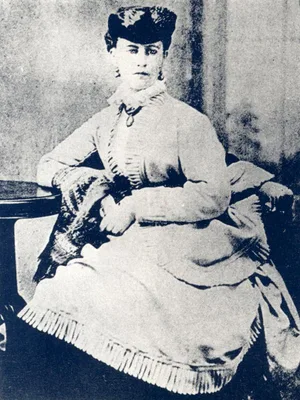
Woolsey participated in the first meetings of the Women's Central Relief Association, which preceded the U.S. Sanitary Commission. In 1863 she became Superintendent of Nurses at Fairfax Seminary Hospital, and served t…
1870 –1888
#2171
The medical and surgical history of the War of the Rebellion, 1861-65. 6 vols.
UNITED STATES. War Dept. Surgeon General
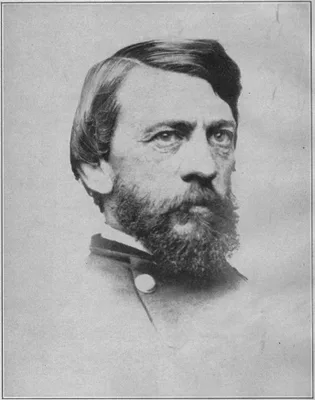
Written by Woodward, Smart, Otis, and Huntington under the direction of Joseph K. Barnes, Surgeon General of the Army. This massive, graphically illustrated set has been called the “first comprehensive American medica…
1870
#10448
Report on barracks and hospitals, with descriptions of military posts.
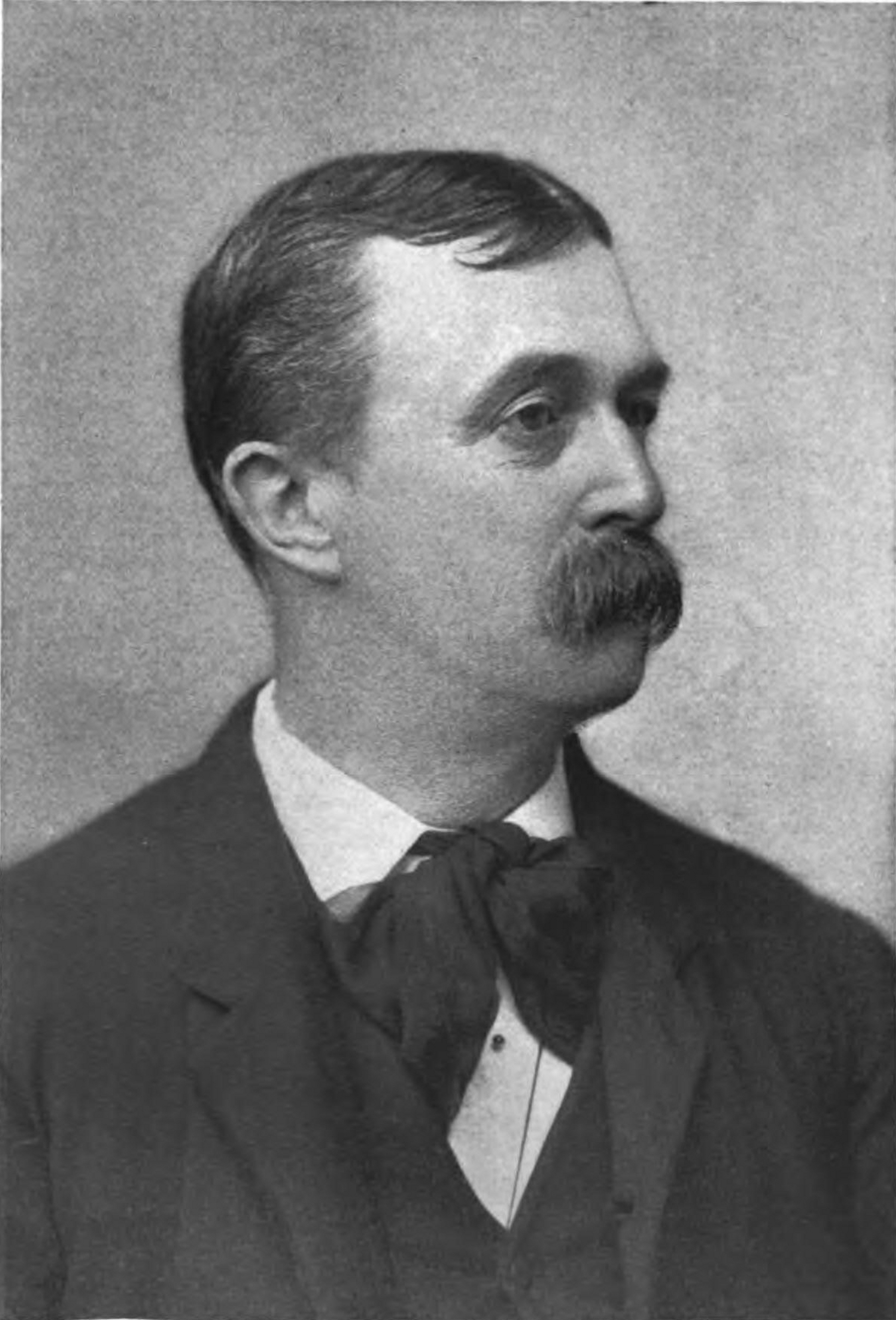
Describes military posts in all regions of the U.S., including the Western territories, with details of their hospitals, barracks, etc. In a 1928 talk at Mayo Clinic historian Fielding Garrison wrote about this work, …
1870
#13032
The boys in white: The experience of a hospital agent in and around Washington.
An account of the author's experiences as a nurse working in Washington, D.C. hospitals during the U.S. Civil War. Wheelock became known as the "Florence Nightingale of Michigan." Digital facsimile from the Hathi Trus…