
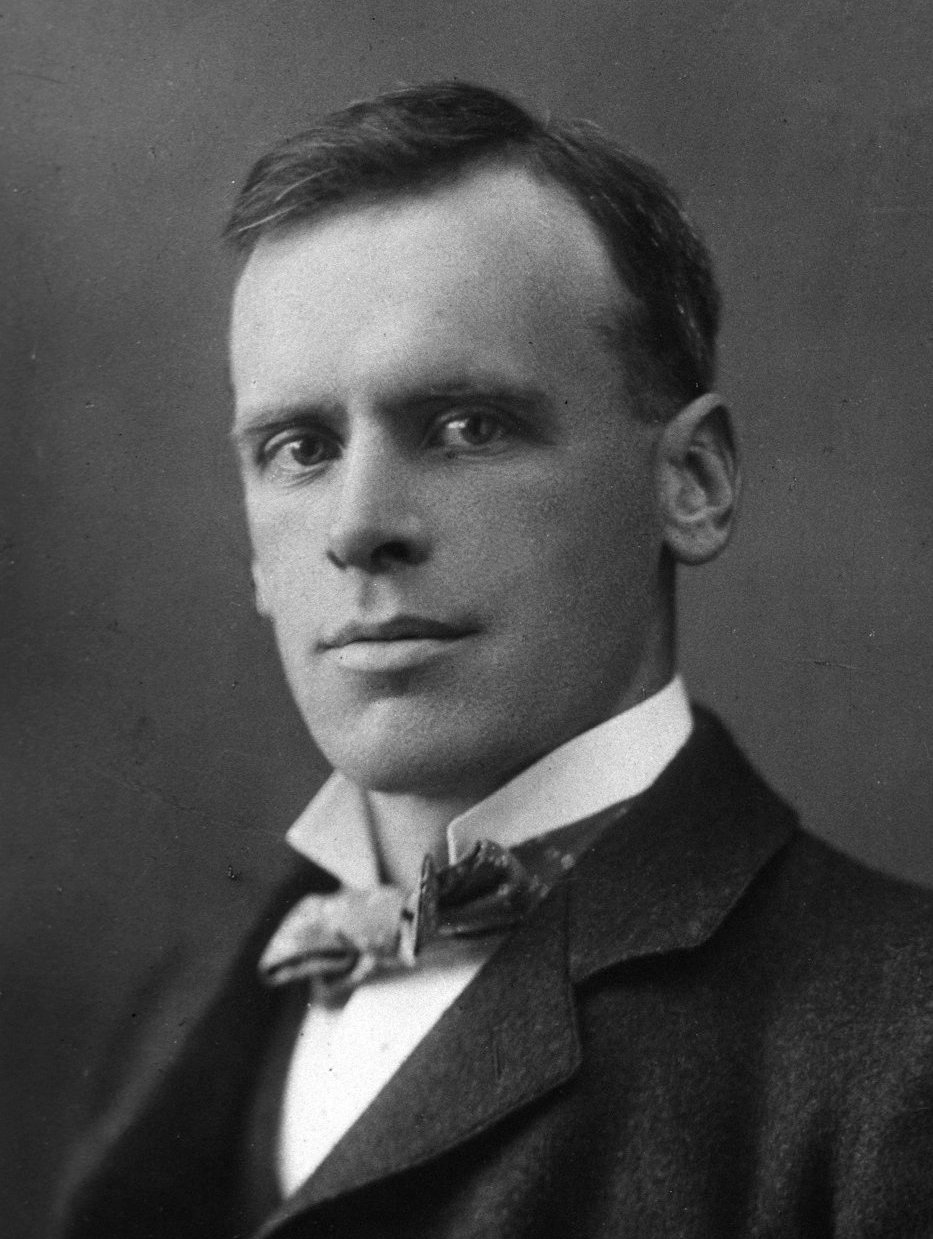
STARLING, Ernest Henry (1866 – 1927)
1866 – 1927
12 entries in the GMN corpus.
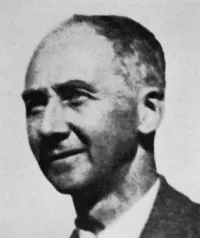
Image source Images from the History of Medicine (NLM) · ihm.nlm.nih.gov · Public domain
1894
#1112
The influence of mechanical factors on lymph production.
1896
#647
On the absorption of fluids from the connective tissue spaces.
Starling discovered the functional significance of the serum proteins.
1901
#1236.1
The action of pituitary extracts on the kidney.
Magnus and Starling reported that pituitary extracts caused expansion of the kidney and a marked and often prolonged diuresis. This was the first indication that the neurohypophysis plays a part in the regulation of u…
1902
#1024
The mechanism of pancreatic secretion.
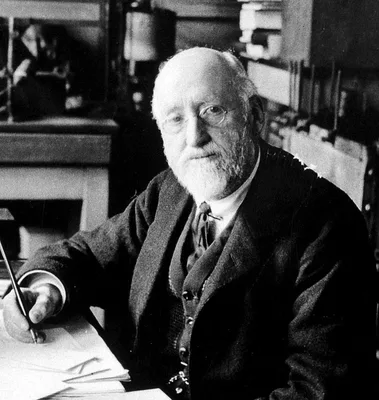
Demonstration of the existence of secretin in the duodenal secretion. Preliminary note in Lancet, 1902, 1, 813.
1904
#1121
The chemical regulation of the secretory process.
Bayliss and Starling developed the theory of hormonal control of internal secretion.
1905
#1122
The Croonian Lectures on the chemical correlation of the functions of the body.
Starling constructed a general scheme of the “hormones” as he named the internal secretions. This is the first appearance of the word, which was suggested by W. B. Hardy.
1905 –1906
#1180
An experimental enquiry into the factors which determine the growth and activity of the mammary glands.
In their classic paper on the mammary gland, these workers attributed its changes during pregnancy to the fetus.
1909
#1236.2
The fluids of the body.
Starling put forward the idea that renal excretion of salt (and water) was conditioned by the volume of body fluids, particularly the blood volume. He suggested that the sum total of body fluids was arranged so that t…
1914
#12287
The regulation of the heart beat.
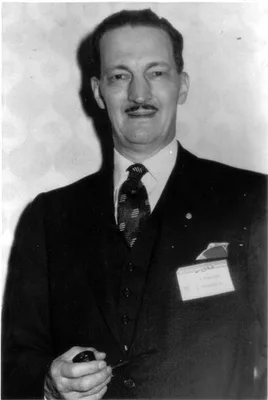
"Ernest Henry Starling (1866-1927) has probably contributed more than any man to our understanding of heart failure....His work with Patterson and Piper on the mechanical factors involved in the response of the heart …
1918
#853
The Linacre lecture on the law of the heart.
Starling’s “law of the heart”.
1924 –1925
#1240
The secretion of urine as studied on the isolated kidney.
Demonstration that the anti-diuretic action of vasopressin is exerted directly on the kidney, and that tubules of the kidney reabsorb water.
1965
#12283