
Facets
Browse across eight MeSH (opens in new tab) facets — era, geography, science, specialty, technology, history, culture, and reference. Select one tag per group; counts update across the others. What’s new in facet browse how facets relate to subjects and MeSH.
Clear filtersFacet filters
Geography
Specialties & Disease
- Anatomy & Pathology 134
- Cardiology & Blood 11
- Neurology & Psychiatry 35
- Obstetrics & Reproductive 26
- Infectious Disease (General) 5
- Surgery & Anesthesia 14
- Public Health 129
- Immunology & Dermatology 38
- General Clinical Medicine 28
- Military Medicine 11
- Psychology 16
- Alternative & Fringe Medicine 17
- Pediatrics 5
- Ophthalmology & Vision 2
- ENT & Hearing 3
- Urology & Nephrology 4
- Gastroenterology & Hepatology 4
- Pulmonary & Respiratory 3
- Rheumatology, Rehab & Pain 0
- Internal, Emergency & Geriatric 7
- Veterinary Medicine 11
- Epidemiology & Demography 12
- Physiology & Embryology 94
- Dentistry 10
- Plagues & Epidemics 44
- Microbiology & Virology 92
Social & Historical Studies
Institutions & Culture
Reference & Scholarly Works
Drugs & Technology
92 entries match Microbiology & Virology [C01.748] · Zoology & Animal Sciences [K01.900.500.750]
1644
#259.1
l’Occhio della mosca In his: Opusculi…
![ODIERNA, Giovanni Battista [Hodierna] (1597 – 1660)](/media/portraits/9538)
The first microscopical section in biology is discussed and illustrated in Odierna’s study of the fly’s eye, which is also the first description of the faceted eye of an arthropod.
1648
#2263.1
Historia naturalis Brasiliae.
Piso's study of the natural history of Brazil was also a pioneer work on tropical medicine, and also the largest work from the standpoint of format published by the Elzeviers. The folio includes De medicina brasiliens…
1669
#293
Dissertatio epistolica de bombyce.
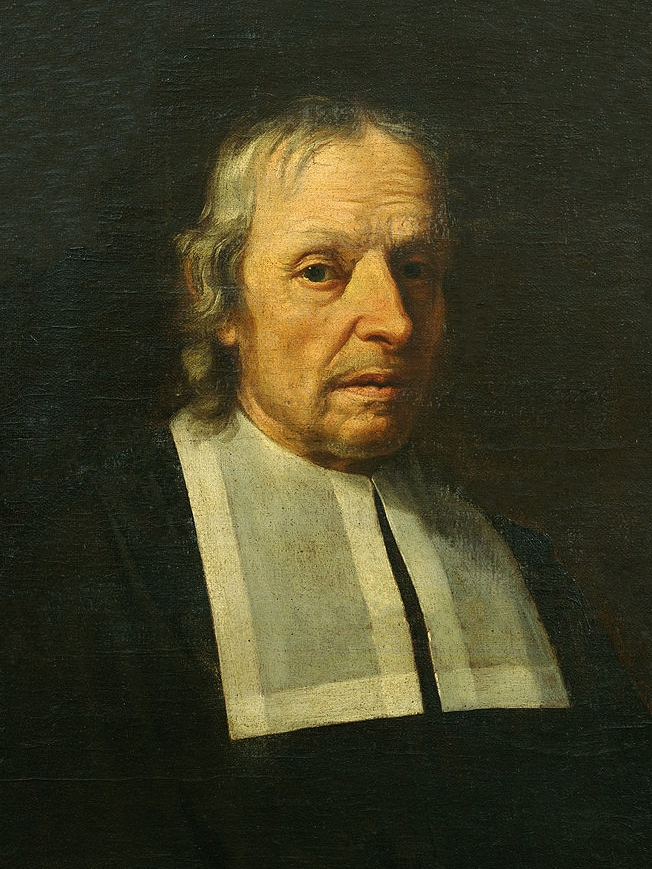
Malpighi’s work on the silkworm represents the first monograph on an invertebrate and records one of the most striking pieces of research work on his part. He dissected the silkworm under the microscope with great ski…
1675
#13272
Ephemeri Vita. Of afbeeldingh van 's menschen leven, Vertoont in de Wonderbaarlijcke en nooyt gehoorde Historie van het vliegent ende een-dagh-levent Haft of Oever-aas. Een dierken, ten aansien van sijn naam, over al in Neerlandt bekent.
In his final publication Swammerdam studied the anatomy, development and behavior of the mayfly. Translated into English as Emphemeri vita: Or the natural history and anatomy of the ephemeron, a fly that lives but fiv…
1686 –1718
#265
Ontledingen en ontdekkingen.... 6 vols.
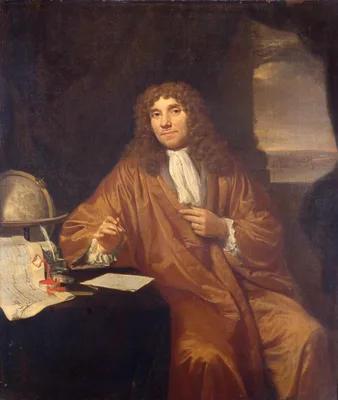
Leeuwenhoek, one of the first and also one of the greatest of the microbiologists, communicated many of his discoveries to the Royal Society in London. This set is a collection in Dutch of many contributions that van …
1700
#2448.2
De la géneration des vers dans le corps de l’homme.
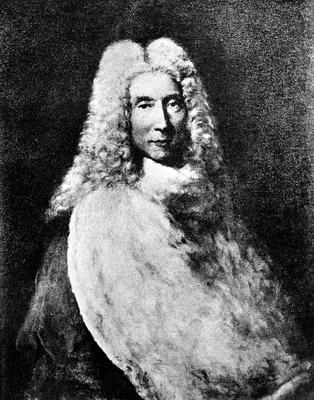
The first medical parasitology text– an exhaustive study of the parasites of man, the diseases associated with them and their treatment. Andry’s views were often ahead of his time. Unlike most of his contemporaries, h…
1737 –1738
#7472
Bybel der Natuure door Jan Swammerdam, Amsteldammer...Biblia naturae; sive historia insectorum, in classes certas redacta, nec non exemplis, et anatomico variorum animalculorum examine, aeneisque tabulis illustrata. Insertis numerosis rariorum naturae observationibus. Omnia lingua Batava, auctori vernacula, conscripta. Accedit praefatio, in qu vitam auctoris descripsit Hermannus Boerhaave... Latinam versionem adscriptsit Hieronimus David Gaubius. 2 vols.
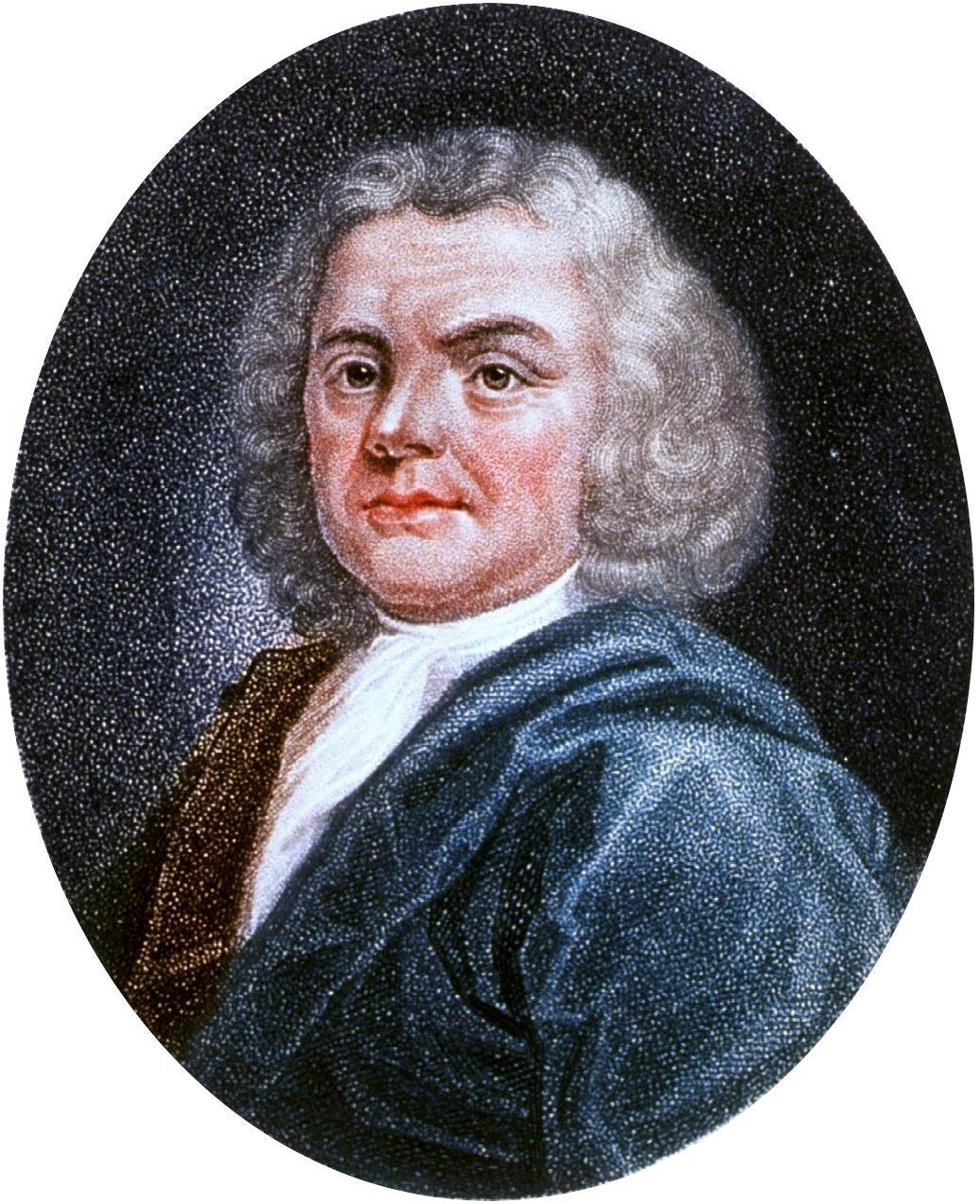
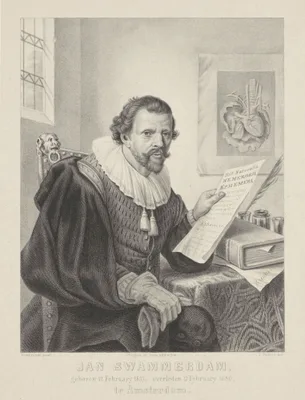
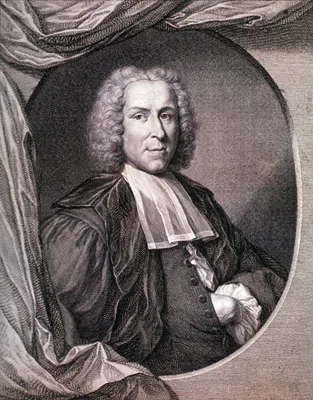
Swammerdam's extensive collection of microscopical observations on insects was written in Dutch, and edited for publication 57 years after Swammerdam's death, with an extensive life of the author, by Herman Boerhaave.…
1762
#65
Opere. 7 vols.
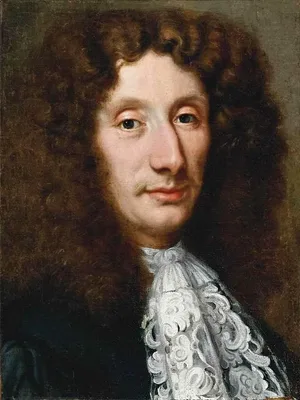
Redi was a leading physician in Italy. He is best remembered for his experiments discrediting the theory of spontaneous generation and for his pioneer work in the field of parasitology (see No. 2448.1); see also the a…
1765
#100
Saggio di osservazioni microscopiche concernenti il sistema della generazione dei Signori de Needham e Buffon. IN: Dissertazione due… pp. [2]-87.
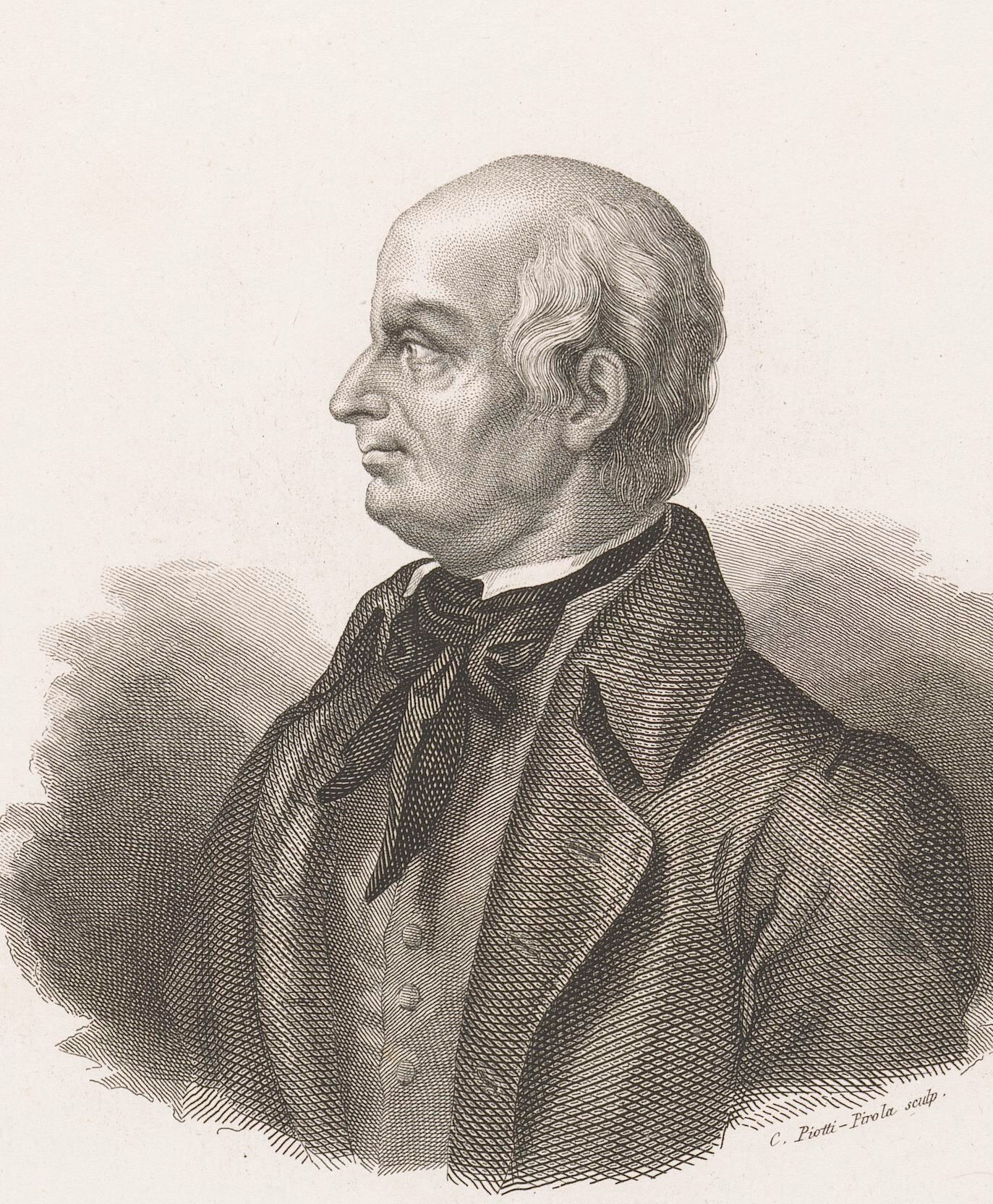
Spallanzani, a believer in preformation theory, found that he could prevent contamination by microorganisms in strongly heated infusions protected from aerial contamination, but he observed that as soon as air was all…
1773 –1774
#11779
Vermium terrestrium et fluviatilium, seu animalium infusoriorum, helminthecorum, et testaceorum non marinorum, succincta historia. 2 vols.
In this work Müller arranged the Infusoria into genera and species for the first time. Digital facsimile from the Biodiversity Heritage Library at this link.
1786
#2466
Animalcula infusoria fluviatilia et marina, quae detexit, systematice descripsit et ad vivum delineari.
Müller was the first to attempt a systematic classification of infusoria. He published several papers on the subject, the best being the above posthumous work. Muller described 8 species of the genus Vibrio (included …
1798
#11796
An entire new treatise on leeches, wherein the nature, properties, and use of that most singular and valuable reptile, is most clearly set forth.
Digital facsimiel from WellcomeLibrary.org at this link.
1816
#11799
A treatise on the medicinal leech; including its medical and natural history, with a description of its anatomical structure; also, remarks upon the diseases, preservation, and management of leeches.
Digital facsimile from the Hathi Trust at this link.
1825
#11800
Histoire naturelle et médicale des sangsues, contenant la description anatomique des organes de la sangsue officinale, avec des considérations physiologiques sur ces organes; des notions très-étendues sur la conservation domestique de ce ver, sa reproduction, ses maladies, son application, etc.
Digital facsimile from Biodiversity Heritage Library at this link.
1829 –1832
#109
Observations on the organs and mode of fecundation in Orchideae and Asclepiadeae.
Discovery, in 1831, of the cell nucleus. First issued as a separate pamphlet: Observations on the Organs and Mode of Fecundation in orchideae and asclepiadeae ... [with:] Additional remarks ... London, [privately prin…
1830
#11452
Organisation, Systematik und geographische Verhältniss der Infusionsthierchen. Zwei Vorträge, in der Akademie der Wissenschaften zu Berlin gehalten in den Jahren 1828 und 1830.
In this work Ehrenberg first published his classification of infusioria, including the naming of bacteria for the first time. The work published two papers based on his expeditions. The first, read on January 10, 1828…
1834
#13415
Mémoire comparatif sur l'histoire naturelle de l'insecte de la gale.
Raspail first described and illustrated the Sarcoptes scabei, diffrentiating it from the horse's sarcopt and the cheese moth that Galès and Patrix, followed by Alibert, had confused with the scabies parasite. Raspail …
1835
#109.1
Einige Bemerkungen und Fragen über das Keimbläschen (vesicula germinativa).
Wagner saw and described the nucleolus.
1837
#674
Vorlaüfige Mittheilung betreffend Versuche über die Weingährung und Fäulniss.
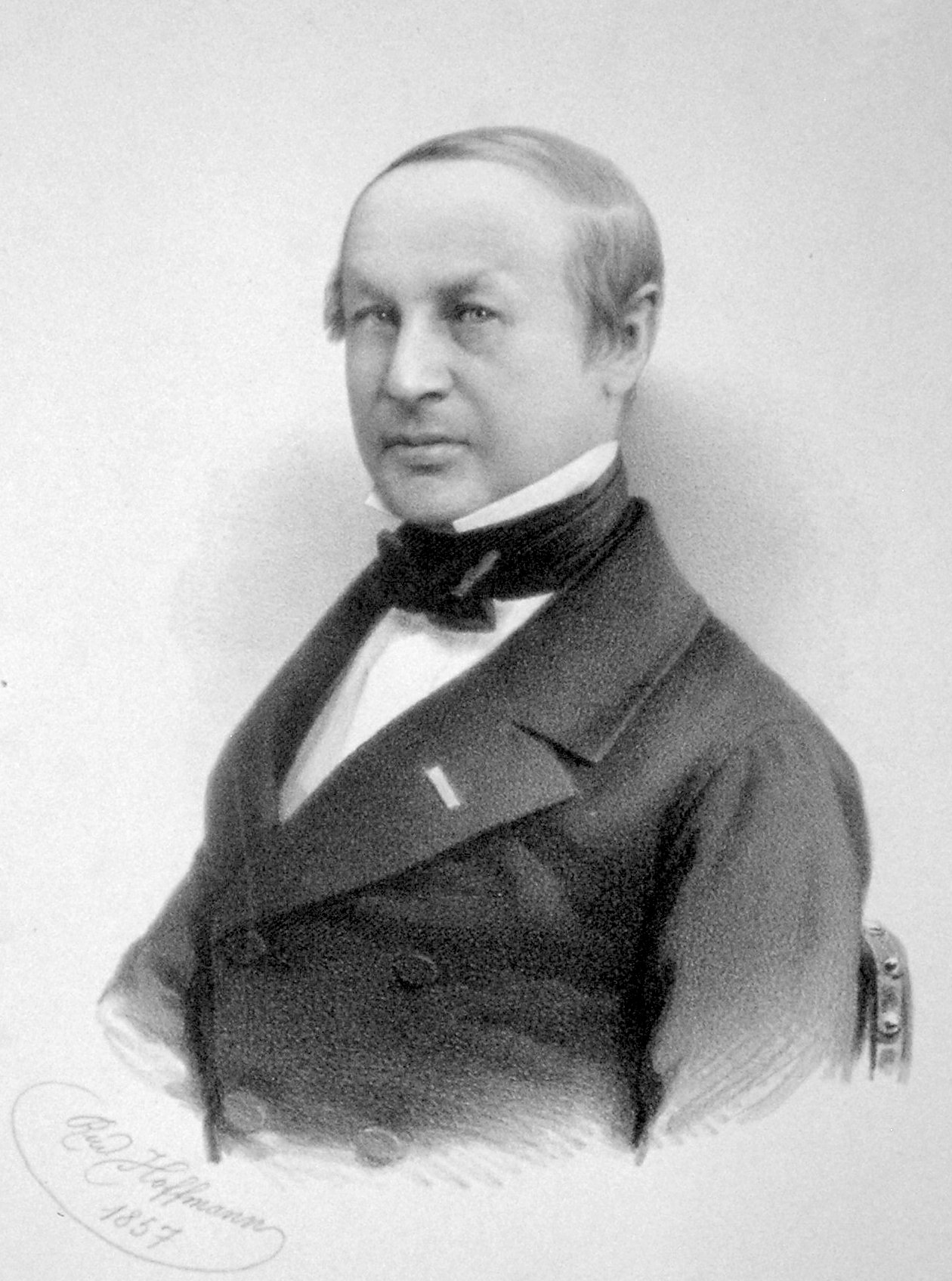
Proof that putrefaction is produced by living bodies. Independently of Cagniard-Latour, Schwann discovered the yeast cell. He is regarded as the founder of the germ theory of putrefaction and fermentation.
1838
#111
Die Infusionsthierchen als vollkommene Organismen. 1 vol. and atlas of 64 hand-colored engraved plates.
In this monumental work in folio format Ehrenberg extended Otto Friedrich Müller’s bacteriological classification. Like Müller, he made no distinction between protozoa and bacteria, classing them both as infusoria. Hi…
1838
#112.1
Ueber die Analogie in der Structur und dem Wachsthum der Thiere und Pflanzen.
Schwann’s three-part preliminary application of Schleiden’s “watch-glass” cell theory to the genesis of animal cells. Schleiden communicated the theory to him verbally. This paper actually pre-dates Schleiden’s first …
1839
#113
Mikroskopische Untersuchungen über die Uebereinstimmung in der Struktur und dem Wachsthum der Thiere und Pflanzen.
Mainly devoted to the investigation of the elementary structure of animal tissues, Schwann’s Untersuchungen had an important bearing on the development of the doctrine of the cell structure of animal tissue. In this w…
1843
#484.1
Spermatozoa observed within the mammiferous ovum.
Barry was the first to observe the spermatozoon within the ovum.
1852
#116
Ueber extracelluläre Entstehung thierischer Zellen und über die Vermehrung derselben durch Theilung.
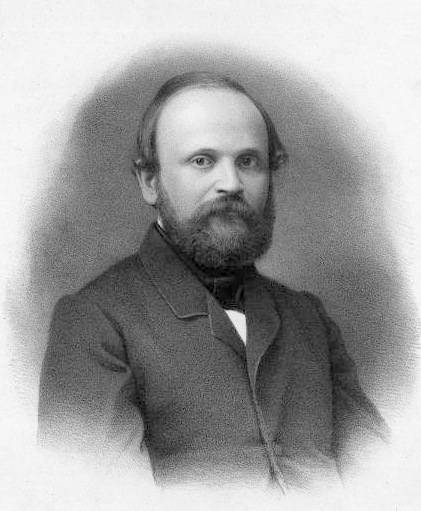
Remak was the first to point out that growth of new tissues was accomplished by the division of pre-existing cells.
1853
#2450
Ueber Cestoden im allgemeinen und die des Menschen insbesondere, hauptsächlich mit Berücksichtigung ihrer Entwickelungsgeschichte, geographischen Verbreitung, Prophylaxe und Abtreibung; für Freunde der Naturwissenschaften, Aerzte, Medicinalpolizei-Beamte, Staats- und Privat-Oekonomen.
Kuchenmeister conducted research on tapeworms, trichinosis, and other parasites and wrote about it several works. In 1852, his theory that bladder-worms are juvenile tapeworms gained the attention of the medical profe…
1858
#10278
Mémoire sur les vers intestinaux.
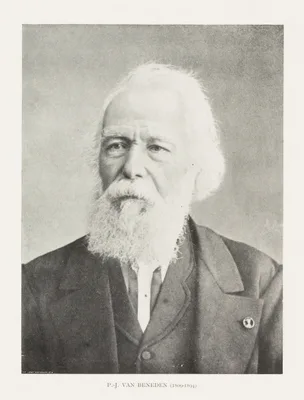
Beneden's treatise on the development, transformation, and life-histories of parasitic worms won the Grand prix des sciences physiques of the Institut de France. It was published in the "International Scientific Serie…
1859
#13815
Zoologie médicale exposé méthodique du régne animal basé sur l'anatomie, l'embryologie et la paléontologie comprenant la description des espèces employées en médicine de celles qui sont venimuses et de celles qui sont parasites de l'homme et des animaux. 2 vols.
Digital facsimile from Biodiversity Heritage Library at this link.
1861
#117
Ueber Muskelkörperchen und das, was man eine Zelle zu nennen habe.
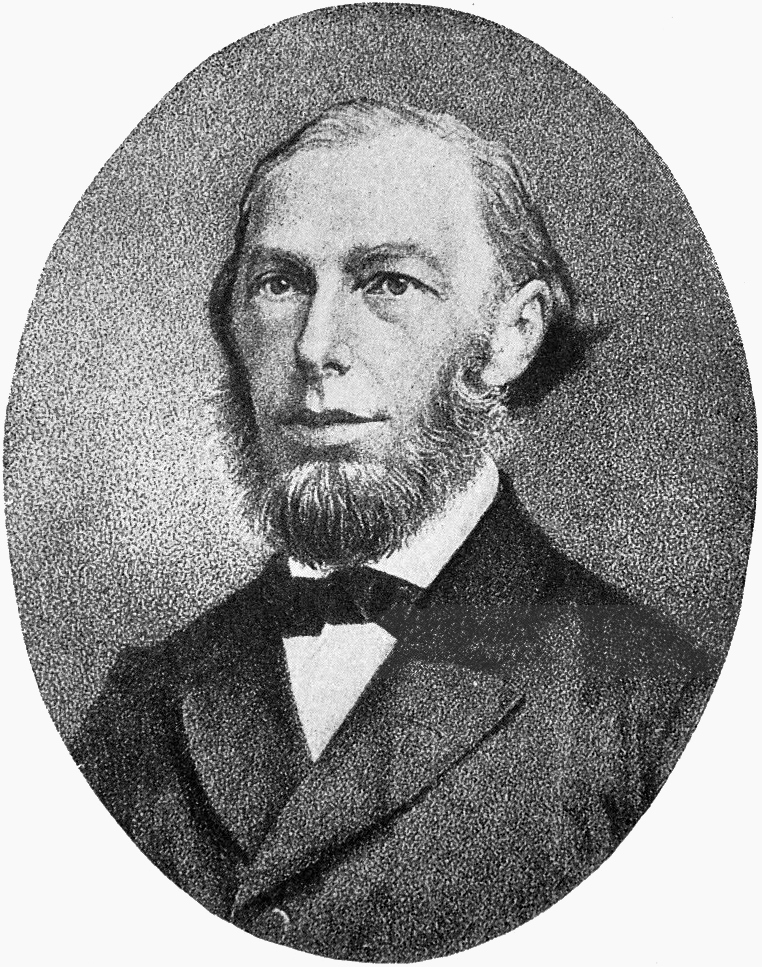
Schultze showed the cell to be a clump of nucleated protoplasm, stating that each muscle fibre or primitive muscle bundle was developed from a single myoblast by successive divisions of its cell or nucleus. His work s…
1861
#2475.1
Animalcules infusoires vivant sans gaz oxygène libre et déterminant des fermentations.
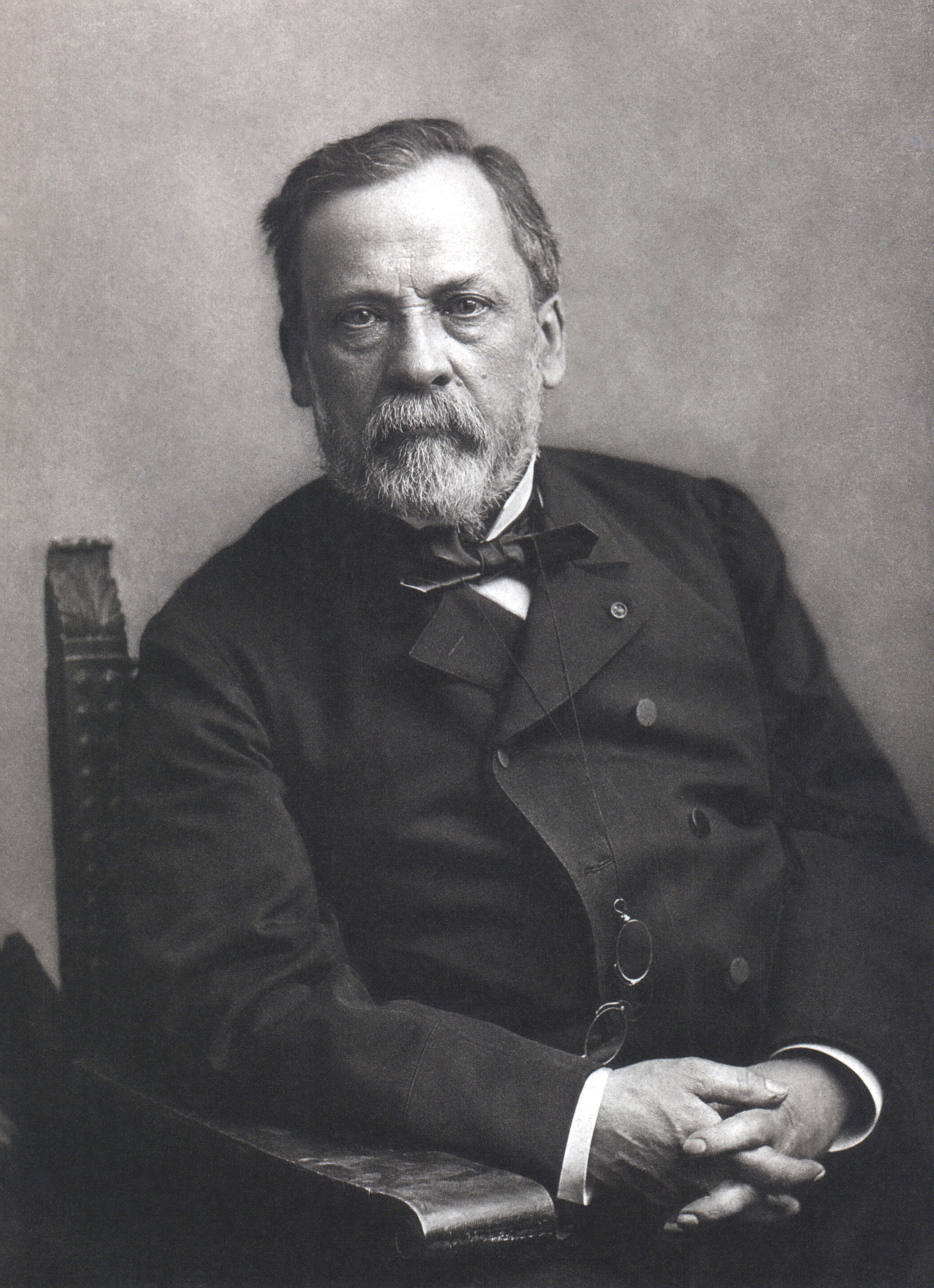
The discovery of strict anaerobiosis, important for general biology since it shows that oxygen gas is not a requisite for life.
1863
#118
Das Protoplasma der Rhizopoden und der Pflanzenzellen.
Schultze showed that protoplasm is practically identical in all living cells.
1863
#5344.2
On the structure and nature of the Dracunculus or Guinea worm.
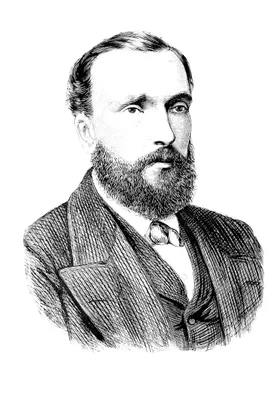
First detailed description.
1864
#5344.4
Entozoa.
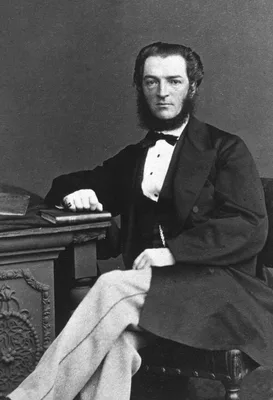
Cobbold suggested (p. 36) that a mollusc was the intermediate host in bilharziasis.
1864
#5344.5
On the endemic haematuria of the Cape of Good Hope.
Like Cobbold, Harley expressed the view that a mollusc was the intermediate host in bilharziasis.
1886 –1890
#2456
Traité de zoologie médicale. 2 vols.
Digital facsimile from the Internet Archive at this link.
1889
#10786
Antibiose et symbiose.
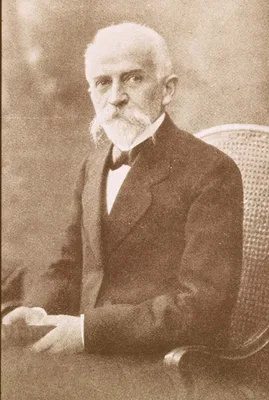
Villemin coined the term antibiosis and advanced the term from an evolutionary viewpoint. Though he presented the concept Villemin did not apply this concept to fight disease. (Thanks to Juan Weiss for this reference.)
1890
#12303
Sur les organisms de la nitrification.
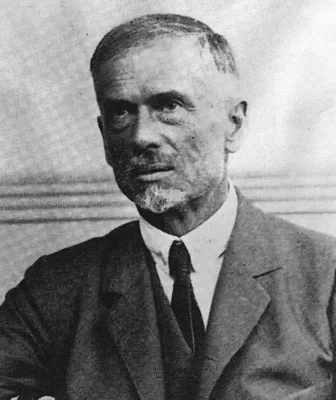
In his research on nitrifying bacteria Winogradsky discovered the first known form of chemoautotrophy in which organisms obtain energy by oxidation of electron donors in their environments without the intervention of …
1892 –1982
#355
Index-catalogue of medical and veterinary zoology.
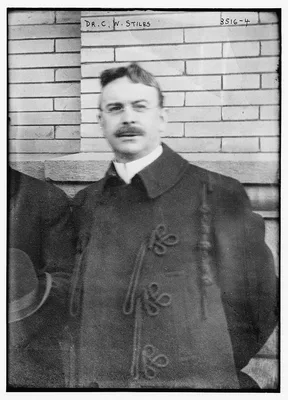
An index to the world's literature on parasites and parasitisms of man, of domestic animals, and of wild animals whose parasites may be transmitted to man and domestic animals. It also contains references to fur-beari…
1899
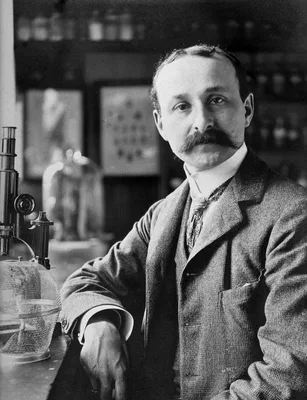
#2554
On the rôle of insects, arachnids and myriapods, as carriers in the spread of bacterial and parasitic diseases of man and animals. A critical and historical study.
1901
#12789
Über oligonitrophile Mikroben.
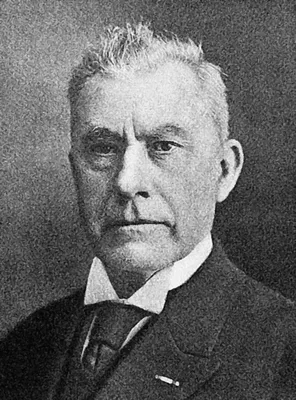
Discovery of nitrogen fixation, the process by which diatomic nitrogen gas is converted to ammonium ions and becomes available to plants. Bacteria perform nitrogen fixation, dwelling inside root nodules of certain pla…
1915
#2571
An investigation on the nature of ultra-microscopic viruses.
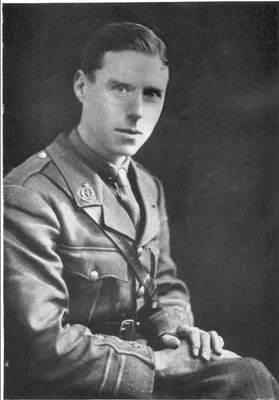
Twort discovered discovered bacteriophages, a type of virus that attacks bacteria (the term bacteriophage was coined by Félix d’Herelle, who in 1917 independently confirmed Twort’s discovery). The discovery of bacteri…
1919
#11486
The amoebae living in man; a zoological monograph.
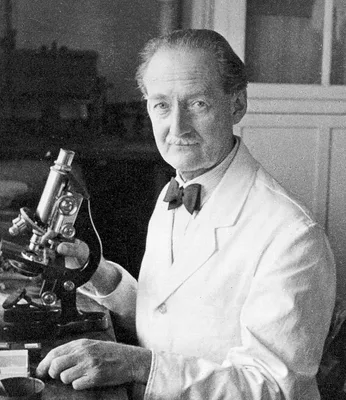
"I have attempted in this monograph to give an accurate and concise account of all the amoebae which live in human beings." Digital facsimile from Biodiversity Heritage Library at this link.
1922 –1939
#83
Œuvres de Pasteur, réunies par Pasteur Vallery-Radot. 7 vols.
One of the founders of bacteriology, Pasteur's work on fermentation, the doctrine of spontaneous generation (which he exploded), virus diseases and preventive vaccinations, was fundamental. Digital facsimile of the co…
1924
#10943
Studies on Rickettsia-like micro-organisms in insects.
Hertig and Wolbach first described the parasitic microbe Wolbachia in the common house mosquito in 1924. In 1936 Hertig formally described the species as Wolbachia pipientis. Since then the genus Wolbachia has become …
1925
#10197
Arrowsmith.
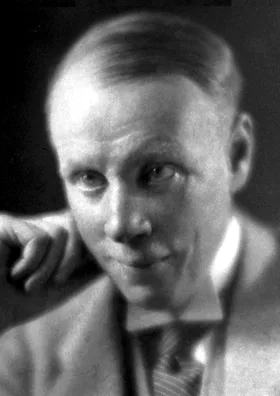
"This novel has been inspirational for several generations of pre-medical and medical students. There is much agonizing along the way concerning career and life decisions. While detailing Arrowsmith's pursuit of the n…
1926
#2462
Protozoology. 2 vols.
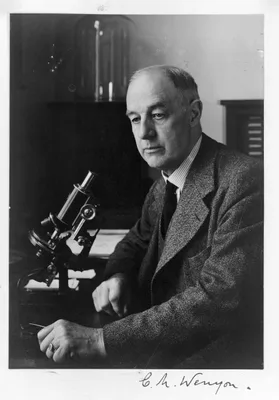
Wenyon was one of the world’s foremost authorities on medical protozoology.
1928
#5194.1
Researches on the intestinal protozoa of monkeys and man.
Classic account of the life-cycle of Entamoeba histolytica.
1928
#251.2
The significance of pneumococcal types.
Griffith’s experiments on transforming type II pneumococci into type III were repeated by Avery who was able sixteen years later (No. 255.3) to demonstrate that DNA was the transforming material.
1935
#2524.5
Isolation of a crystalline protein possessing the properties of tobacco-mosaic virus.
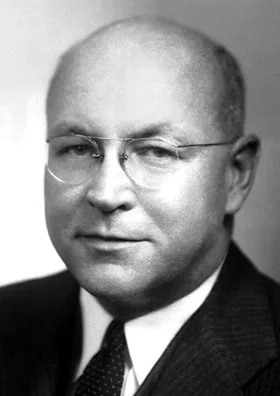
Stanley first crystallized a virus— tobacco mosaic virus. The following year Bawden, Pirie, Bernal and Fankuchen (No. 12005) showed that tobacco mosaic virus molecules are asnisometric and consist of ribonucleoprotein…
1936
#2524.6
The Feulgen reaction of the bacteriophage substance.
Schlesinger showed that the fundamental constituents of bacteriophages consist mainly of approximately equal amounts of protein and DNA.
1936
#12005
Liquid crystalline substances from virus infected plants.
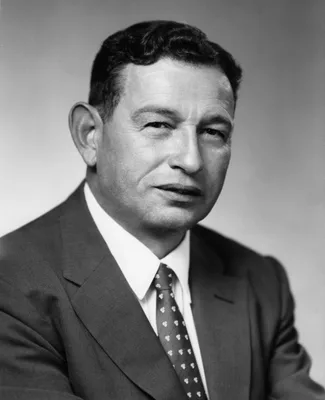
Order of authorship in the original publication: Bawden, Pirie, Bernal, Fankuchen. The authors isolated and crystallized tobacco mosaic virus, finding for the first time that a virus contained nucleic acids, when othe…