
Facets
Browse across eight MeSH (opens in new tab) facets — era, geography, science, specialty, technology, history, culture, and reference. Select one tag per group; counts update across the others. What’s new in facet browse how facets relate to subjects and MeSH.
Clear filtersFacet filters
Geography
Specialties & Disease
- Anatomy & Pathology 765
- Cardiology & Blood 914
- Neurology & Psychiatry 1,258
- Obstetrics & Reproductive 551
- Infectious Disease (General) 147
- Surgery & Anesthesia 1,553
- Public Health 1,129
- Immunology & Dermatology 1,405
- General Clinical Medicine 487
- Military Medicine 436
- Psychology 202
- Alternative & Fringe Medicine 383
- Pediatrics 247
- Ophthalmology & Vision 412
- ENT & Hearing 293
- Urology & Nephrology 309
- Gastroenterology & Hepatology 316
- Pulmonary & Respiratory 233
- Rheumatology, Rehab & Pain 189
- Internal, Emergency & Geriatric 123
- Veterinary Medicine 165
- Epidemiology & Demography 397
- Physiology & Embryology 924
- Dentistry 259
- Plagues & Epidemics 1,279
- Microbiology & Virology 1,080
Social & Historical Studies
Institutions & Culture
Reference & Scholarly Works
1,080 entries match Microbiology & Virology [C01.748]
1875
#5344.10
On the presence of a Filaria in “craw-craw”.
In 1874, while examining skin snips from craw-craw patients in Ghana, during his service on the H. M. S. Decoy, the Irish surgeon O’Neill discovered the subcutaneous microfilaria. This was the earliest known visual id…
1876
#1932
The optical deportment of the atmosphere in relation to the phenomena of putrefaction and infection.
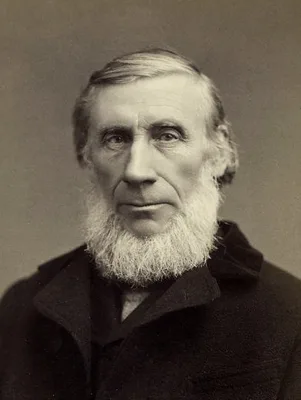
Tyndall observed the selective bacteria-inhibiting effect of Penicillium and the resistance of Ps. pyocyanea to it. See No. 2495.
1876
#2485
Études sur la bière, ses maladies, causes qui les provoquent, procédé pour la rendre inaltérable; avec une théorie nouvelle de la fermentation.
Pasteur resumed his studies on fermentation in 1876, and in this book took into account the developments in this field since his previous publications on the subject. He described a new and perfected method of prepari…
1876
#2486
Ueber eine Mykose bei einem neugeborenen Kinde (Bakterienfärbung mit Anilinfarben).
In this paper Weigert showed that methyl violet will reveal cocci in tissues.
1876
#5167
Die Aetiologie der Milzbrand-Krankheit, begründet auf die Entwicklungsgeschichte des Bacillus anthracis.
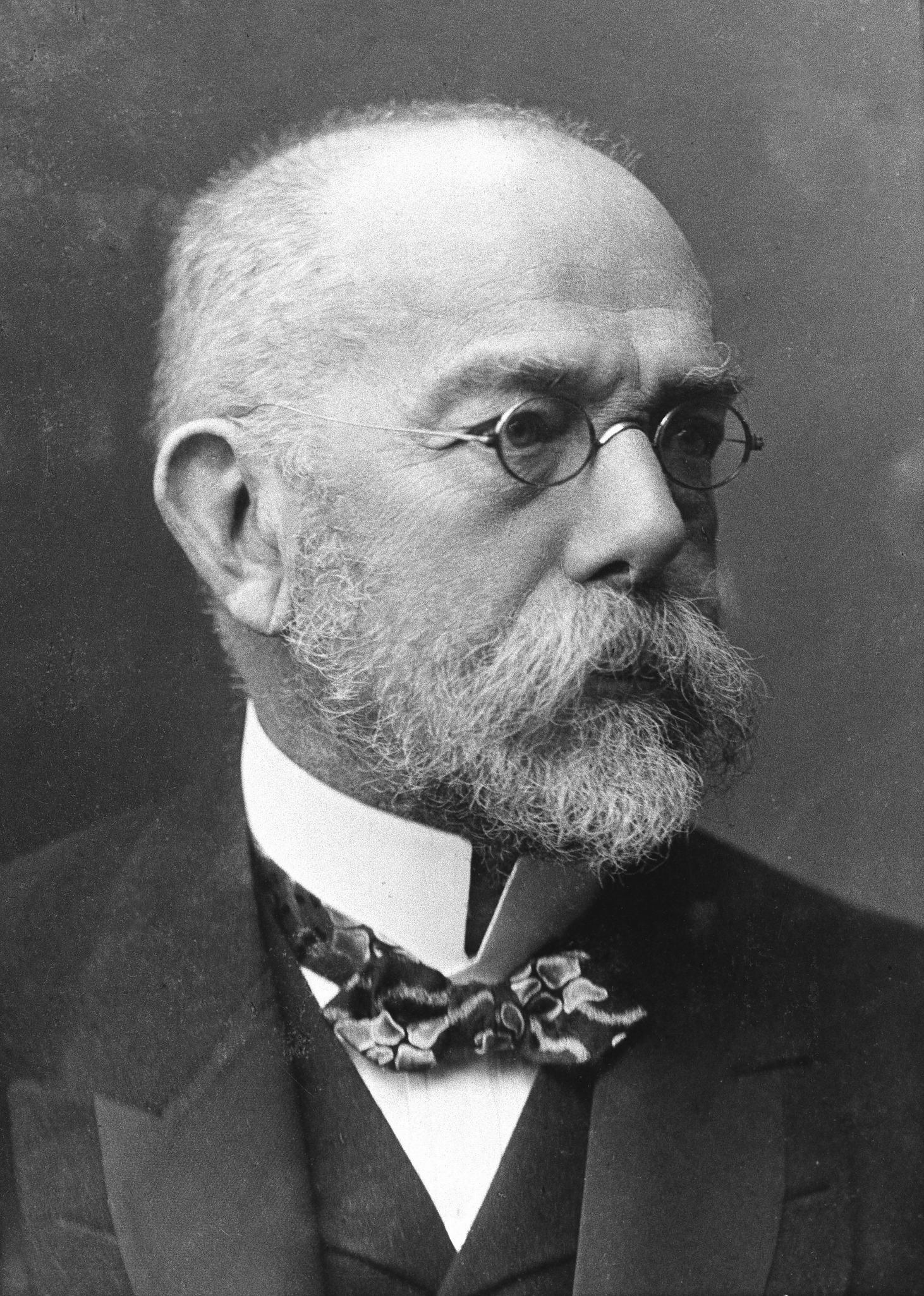
In 1876 Koch first obtained pure cultures of B. anthracis and described its complete life history. With Davaine (Nos. 5165-66) he did much to prove that infectious diseases are caused by living reproductive microorgan…
1876
#5344.11
Sur la maladie dite diarrhée de Cochinchine.
Normond found Strongyloides stercoralis, the causal parasite in strongyloidiasis. English translation in Kean (No. 2268.1).
1877
#1997
Researches on the effect of light upon bacteria and other organisms.
Downes and Blunt were the first to demonstrate the bactericidal action of sunlight; they regarded the germicidal property of light as depending on oxidation.
1877
#2487
Beitrag zur Kenntnis der Anilinfärbungen und ihrer Verwendung in der mikroskopischen Technik.
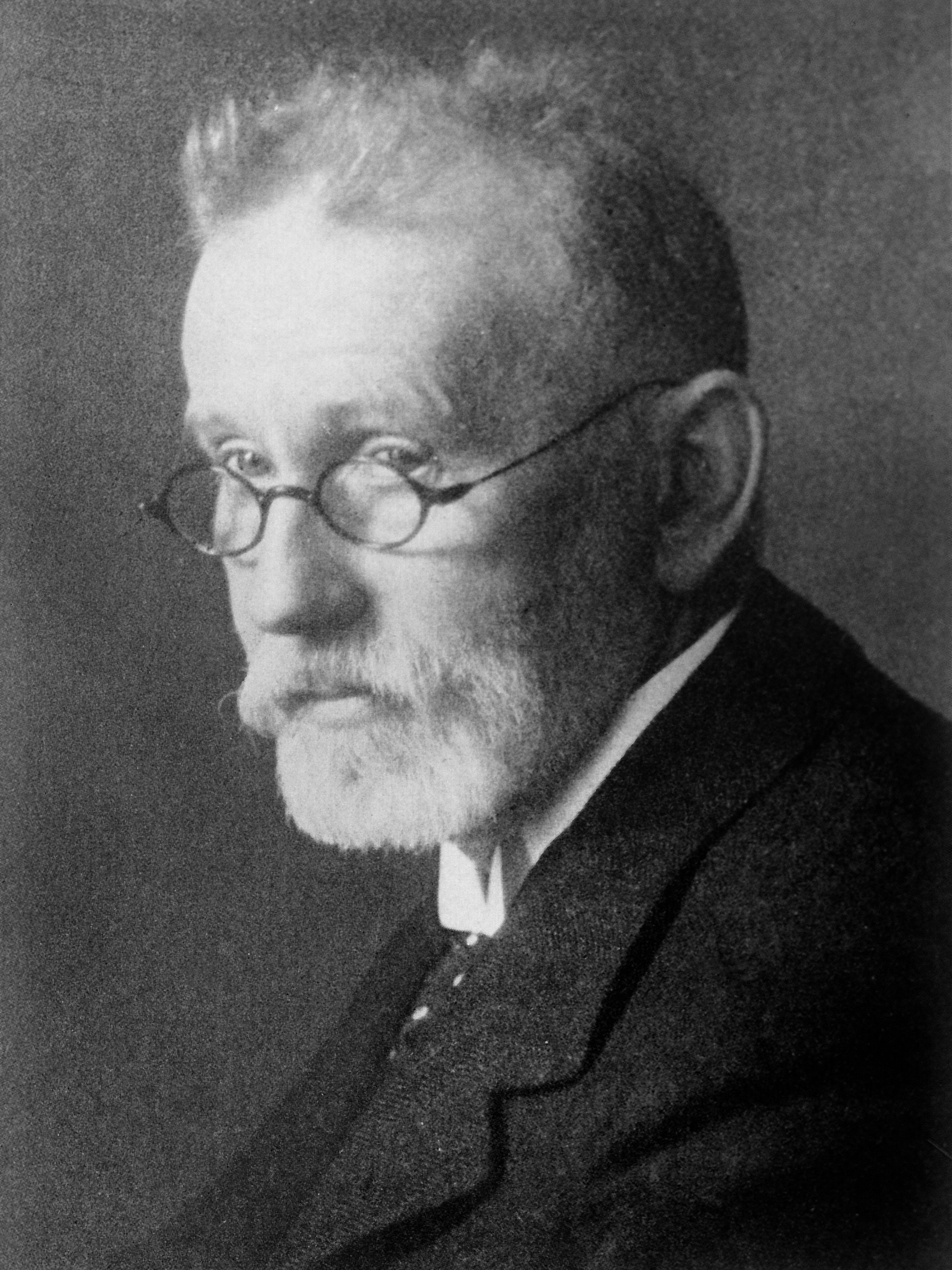
Ehrlich’s first paper on the staining of specific granulation in white blood corpuscles by means of aniline dyes. His work immensely affected subsequent technical methods of staining.
1877
#2488
Verfahrungen zur Untersuchung, zum Conserviren und Photographiren der Bacterien.
Koch greatly improved staining methods; he laid the foundations of the technical procedures employed in bacteriology today. In the above paper he described his method of slide preparation, making films of bacteria on …
1877 –1878
#2489
On the lactic fermentation and its bearings on pathology.
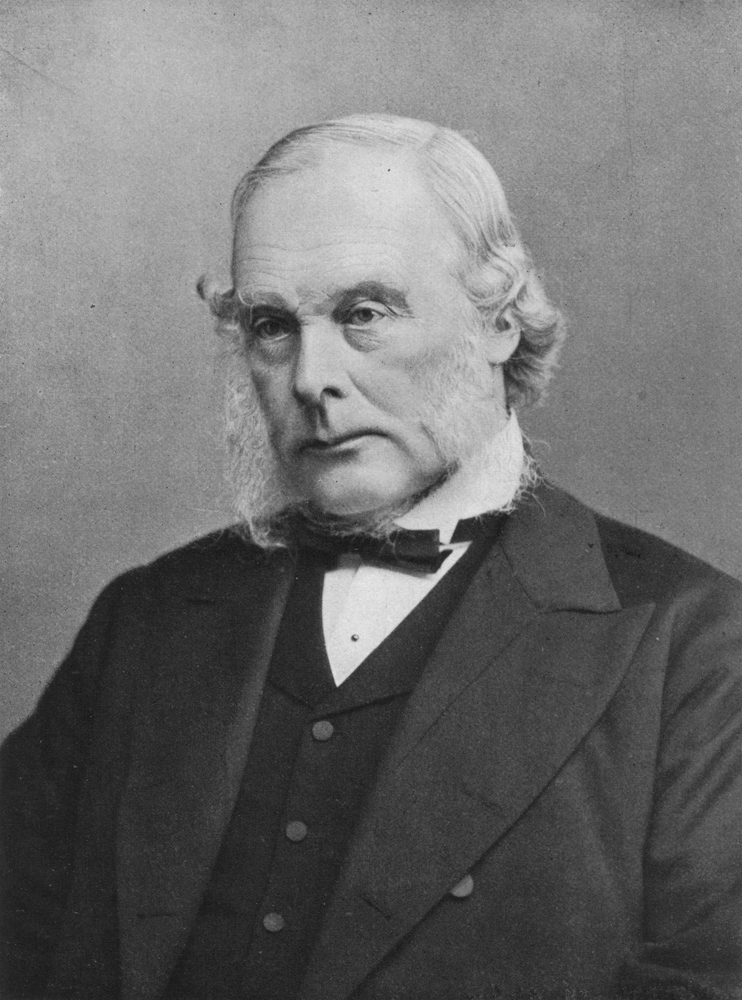
Lister was the first to obtain a pure culture of a bacterium (Bact. lactis). Lister first presented the results of this research in an address to the Royal Society on December 18, 1877. Because of its historic signifi…
1877
#1932.1
Charbon et septicémie.
Discovery of Vibrion septique (Cl. septicum), the first pathogenic anerobe to be found. Pasteur and Joubert were probably the first to realize the practical implications of antibiosis. They noted the antagonism betwee…
1877
#2491
Fermentation and its bearings on the phenomena of disease.
See No. 2495.
1877
#5168
Étude sur la maladie charbonneuse.
Pasteur confirmed Koch’s results regarding anthrax; with Joubert he carried the bacillus through 100 generations and succeeded in producing anthrax from the last, thus disposing of the idea of a separate virus.
1877
#5510
Ueber eine neue Pilzkrankheit beim Rinde.
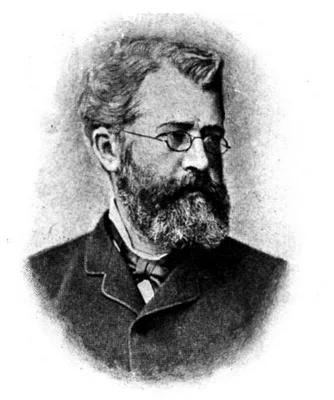
First effective description of Actinomyces bovis.
1877
#5345
Filaria sanguinis hominis.
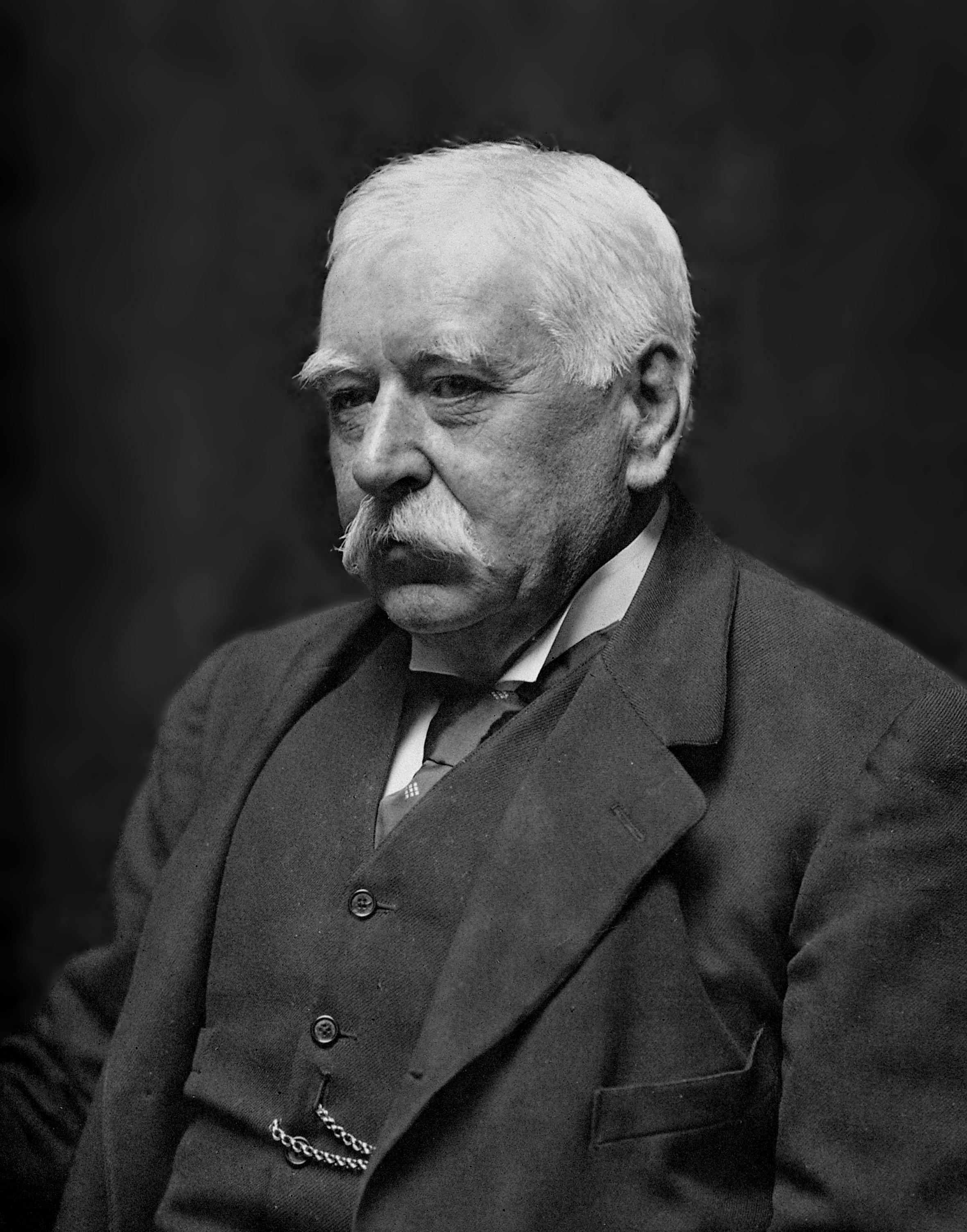
1877
#5345.1
Further observations on Filaria sanguinis hominis.
Manson showed that Wuchereria bancrofti, the cause of filarial elephantiasis in man, develops in, and is transmitted by, the Culex mosquito. This was the first proof that infective diseases are spread by animal vector…
1877
#10787
Filiaria sanguinis hominis - mature form.
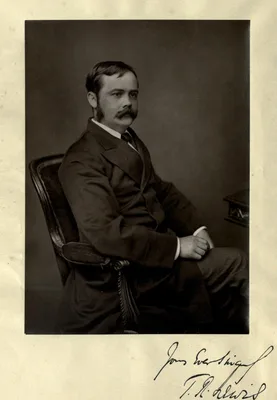
Lewis made the critical connection/association of the worm, Filaria sanguinis,(Wuchereria bancrofti ) to Elephantiasis. This brief account appears to be a third person account summarizing Lewis's work written by an ed…
1878
#2492
Les bactéries.
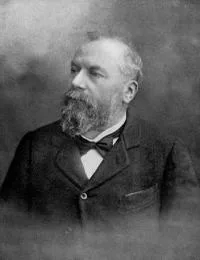
Translated into English by George M. Sternberg as The bacteria (Boston, 1880). Sternberg illustrated the American edition with 5 heliotype reproductions of his own photomicrographs.
1878
#2536
Untersuchungen über die Aetiologie der Wundinfectionskrankheiten.
Koch’s epochal work on the etiology of traumatic infectious disease established his reputation. He inoculated animals with material from various sources and produced six types of infection, each due to microorganisms.…
1878
#5511
Neue Beobachtungen auf dem Gebiete der Mykosen des Menschen.
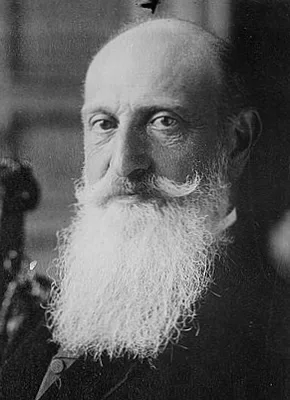
Israel contributed an important early paper on the ray fungus Actinomyces. He included some drawings made by Langenbeck in 1845 and was the first to describe a human case of actinomycosis.
1878
#5346
Cases of filarious disease.
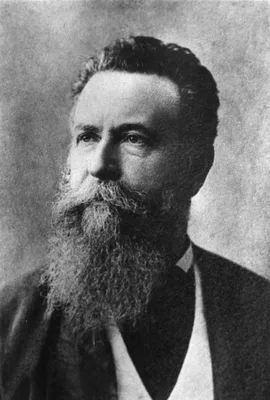
Discovery (1876) of Wuchereria bancrofti. Bancroft’s first report on this was in the form of a letter to T. S. Cobbold, who published it in Lancet, 1877, 2, 70-71.
1878
#5357
Intornoall’Anchilostoma duodenale (Dubini).
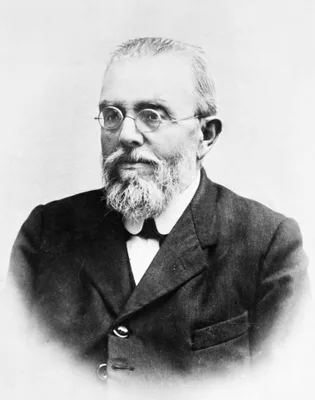
Fecal diagnosis of hookworm disease. Before this time hookworm had been diagnosed only post mortem. With C. Parona and E. Parona. English translation in Kean (No. 2268.1).
1878
#5270.1
The microscopic organisms found in the blood of man and animals, and their relation to disease.
First description of a trypanosome (T. lewisi) in a mammal. Seoarate edition in book form with the same title: Calcutta: Office of the Superintendent of Government Printing, 1879.
1878 –1879
#8966
Alexander von Tralles. Original-Text und Übersetzung nebst einer einleitenden Abhandlung. Ein Beitrag zur Geschichte der Medicin. 2 vols.
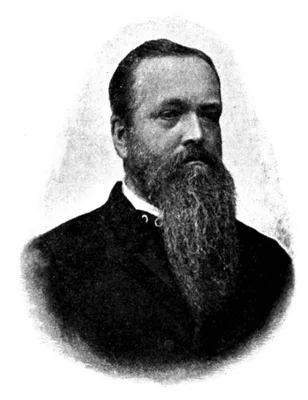
Digital facsimile from the Internet Archive at this link.
1878
#11078
De l'influence des découvertes de M. Pasteur sur les progrès de la chirurgie.
Sedillot, a surgeon, first used the word "microbe" on p. 634, third paragraph, of this paper. He coined the term after consulting with lexicographer Émile Littré, to ascertain etymological appropriateness. Shortly the…
1879
#5481.2
Études sur la rage.
Galtier demonstrated the transmissibility of rabies from dog to rabbit to rabbit in a series, a matter of considerable interest to Pasteur.
1879
#5527
Beitrag zur Frage des Pneumotyphus. (Eine Hausepidemie in Uster[Schweiz] betreffend.)
First description of psittacosis in a human.
1879
#5358
L’anchilostomiasi e l’anemia che ne conseguita (anchilostomanemia).
Introduction of thymol as a hookworm vermifuge.
1879
#5376.1
Das japanische Fluss- oder Ueberschwemmings-fieber, eine acute Infectionskrankheit.
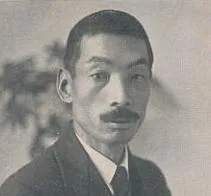
Early scientific account of tsutsugamushi fever.
1879
#5208
Ueber eine der Gonorrhoe eigentümliche Micrococcusform.
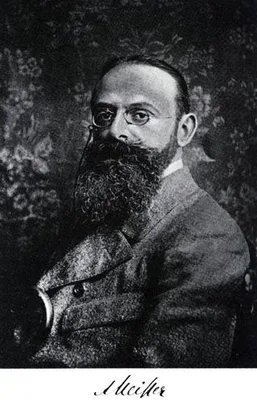
Discovery of the gonococcus – causal organism in gonorrhoea.
1879
#6278
Septicémie puerpérale.
Description of the streptococcus of puerperal sepsis.
1879
#8852
Gold as a remedy in disease, notably in some forms of organic heart disease, angina pectoris, melancholy, tedium vitae, scrofula, syphilis, skin disease, & as an antidote to the ill effects of mercury.
Burnett, a homeopath, provided an excellent summary of the history of gold as it was used in medicine, with extensive references to the historical literature. Digital facsimile from the Hathi Trust at this link.
1879
#11248
Additional notes on filaria sanguinis hominis and filiaria disease.
On p. 36 of this paper Manson first described nocturnal periodicity in Filaria Bancrofti, an adaptation to the nocturnal biting habits of their mosquito vector. (Thanks to Juan Weiss for this reference and its interpr…
1880
#2492.1
De l’extension de la théorie des germes à l’étiologie de quelques maladies communes.
In this study of furunculosis (“boils”) and osteomyelitis Pasteur left the first recognizable descriptions of staphylococcus and streptococcus. The term streptococcus had been coined by Billroth in 1874; however, Past…
1880
#5169
Sur l’étiologie du charbon.
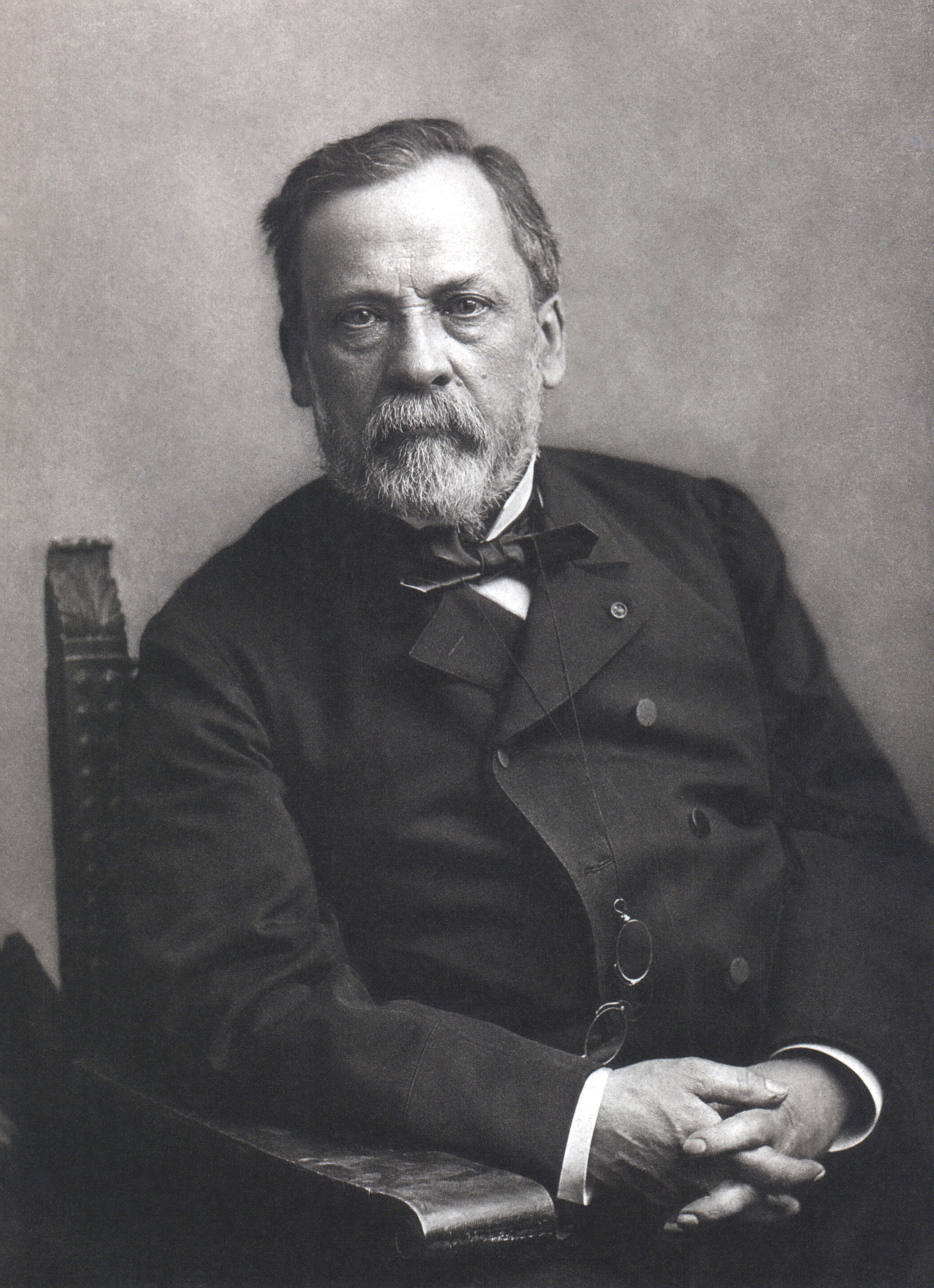
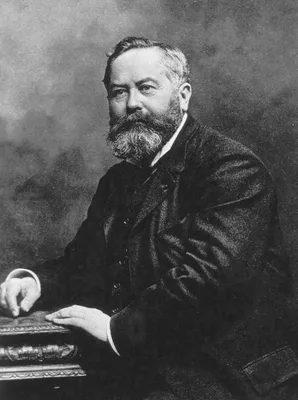
First use of attenuated bacteria for therapeutic purposes. See also the same journal, 1881, 92, 1378-83.
1880
#5512
Ueber Actinomykose.
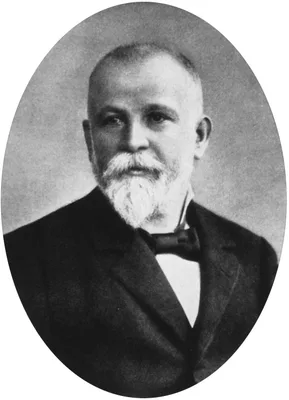
Ponfick recognized the causative role of Actinomyces in human actinomycosis; he established the identity of the human and animal forms of the disease. He published a book on the subject, Die Actinomykose des Menschen,…
1880
#5030
Die Organismen in den Organen bei Typhus abdominalis.
Salmonella typhi, causal organism of typhoid, was discovered by Eberth. Some European writers refer to the disease as “Eberth’s disease”.
1880
#5346.1
Ueber parasitäre Hämoptoë (Gregarinosis pulmonum).
Description of the ova of Paragonimus (which Baelz named Gregarina pulmonalis) and its relationship to endemic hemoptysis. Translation in Kean (No. 2268.1), p. 602.
1880
#5346.2
Distoma ringeri.
Manson made a fundamental contribution to knowledge on paragonimiasis with his description of its etiology and of the parasite. He named it Distoma ringeri after Dr. Ringer, who recovered it from the lung at necropsy;…
1880
#5209
Ueber Bacterien bei den venerischen Krankheiten.
Leistikow was first to report the cultivation of the gonococcus.
1881
#2493
Ueber das Methylenblau und seine klinisch-bakterioskopische Verwerthung.
Introduction of methylene blue in bacteriological staining.
1881
#2494
Report upon micro-organisms in surgical diseases.
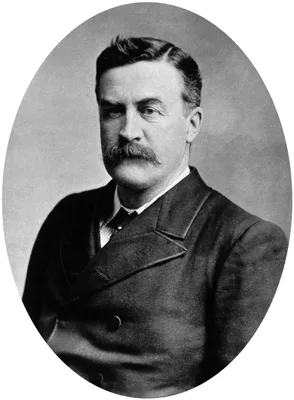
Ogston showed that micrococci are constantly present in acute and chronic abscesses. He discovered Staphylococcus aureus. Ogston named staphylococcus in his paper, "Micrococcus poisoning," J. Anat. Physiol., 1882, 16,…
1881
#2495
Essays on the floating-matter of the air in relation to putrefaction and infection.
Tyndall interested himself in atmospheric germs and dust. His experiments on sterilization by heat led him to the discovery in 1877 of fractional sterilization (Tyndallization). His work on the subject is included in …
1881
#2495.1
Zur Untersuchungen von pathogenen Organismen.
Koch’s description of his methods of growing bacterial cultures in gelatine solutions, making films of bacteria on cover slips and fixing them by gentle heat, and staining slides differentially by aniline. These metho…
1881
#3172
L’organisme microscopique trouvé par M. Pasteur dans la maladie nouvelle provoquée par la salive d’un enfant mort de la rage.
Probably the earliest record of pneumococcus. Parrot reported the discovery made by Louis Pasteur.
1881
#3173
A fatal form of septicaemia in the rabbit, produced by the subcutaneous injection of human saliva.
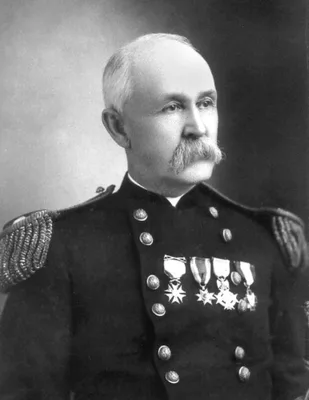
In the same year as Pasteur, and independently, Sternberg discovered the pneumococcus (Streptococcus pneumoniae) demonstrating its carriage in the healthy human mouth.
1881
#5031
Der Bacillus des Abdominaltyphus und dertyphöse Process.
Klebs probably saw the typhoid bacillus before Eberth, reporting it later.
1881
#5481.3
Les injections de virus rabique dans le torrent circulatoire ne provoquent pas l’éclosion de la rage et semblant conférer l’immunité. La rage peut être transmise par l’ingestion de la matiére rabique.
Galtier immunized sheep by inoculating rabid saliva in the veins; this did not produce the disease and protected the animals from a further inoculation. His work aroused the interest of Pasteur.
1881
#5481.4
Sur la rage.
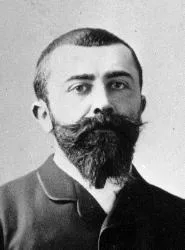
This paper marks the beginning of Pasteur’s studies on rabies. English translation in R. Suzor, Hydrophobia: An account of M. Pasteur’s system…London, 1887.
1881
#5236
Un nouveau parasite trouvé dans le sang plusieurs malades atteints de fièvre palustre.
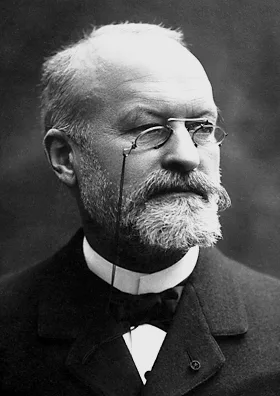
Laveran first saw the malaria parasite on 20 October 1880; he at once recognized its significance. He named it Oscillaria malariae. English translation in Kean (No. 2268.1). Laveran also published a monograph on the d…