
Facets
Browse across eight MeSH (opens in new tab) facets — era, geography, science, specialty, technology, history, culture, and reference. Select one tag per group; counts update across the others. What’s new in facet browse how facets relate to subjects and MeSH.
Clear filtersFacet filters
Geography
Specialties & Disease
- Anatomy & Pathology 765
- Cardiology & Blood 914
- Neurology & Psychiatry 1,258
- Obstetrics & Reproductive 551
- Infectious Disease (General) 147
- Surgery & Anesthesia 1,553
- Public Health 1,129
- Immunology & Dermatology 1,405
- General Clinical Medicine 487
- Military Medicine 436
- Psychology 202
- Alternative & Fringe Medicine 383
- Pediatrics 247
- Ophthalmology & Vision 412
- ENT & Hearing 293
- Urology & Nephrology 309
- Gastroenterology & Hepatology 316
- Pulmonary & Respiratory 233
- Rheumatology, Rehab & Pain 189
- Internal, Emergency & Geriatric 123
- Veterinary Medicine 165
- Epidemiology & Demography 397
- Physiology & Embryology 924
- Dentistry 259
- Plagues & Epidemics 1,279
- Microbiology & Virology 1,080
Social & Historical Studies
Institutions & Culture
Reference & Scholarly Works
1,080 entries match Microbiology & Virology [C01.748]
1840
#2533
Von den Miasmen und Contagien. In his Pathologische Untersuchungen, pp. 1-82.
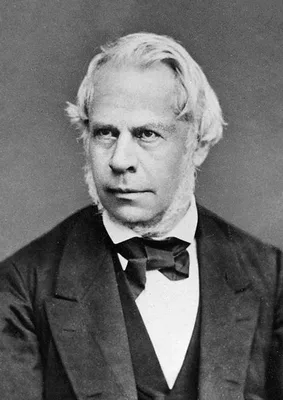
Bassi’s work on the muscardine disease of silkworms (see No. 2532), with its prophecy of the discovery of microbes as the causal agents of other diseases, inspired Henle to write this famous essay on miasms and contag…
1840
#5322
Violent symptoms from the bite of a rat.
First report of rat-bite fever to appear in a medical journal.
1840
#5025
Some considerations on the nature and pathology of typhus and typhoid fever, applied to the solution of the question of the identity or non-identity of the two diseases.
Typhoid and typhus were often confused. Stewart made a careful analysis of a number of cases of both fevers and clearly demonstrated that there were in Britain two distinct fevers – typhoid and typhus.
1841
#2470
Histoire naturelle des zoophytes.
Further modification of and improvements in the classification of bacteria.
1841
#4030
Mémoire sur une végétation qui constitue la vraie teigne.
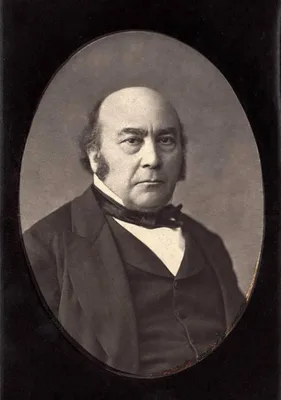
Independently of Schönlein (No. 4029) Gruby discovered the achorion of favus, describing it definitely as the cause of the disease, a point about which Schönlein was in doubt.
1841
#5518
Torsk i mikroskopiskt anatomiskt hänseende.
Discovery of Candida albicans in thrush.
1841
#5267.1
Ueber ein Entozoon im Blute von Salmo fario.
Valentin was the first to discover a trypanosome; this was in a salmon. English translation in Kean (No. 2268.1).
1842
#2471
History of a case in which a fluid periodically ejected from the stomach contained vegetable organisms of an undescribed form.
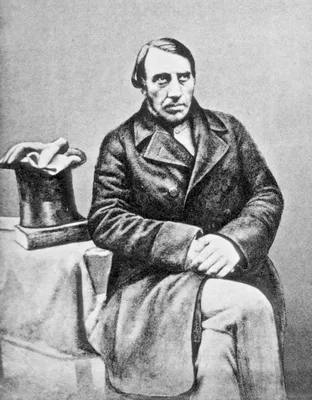
First description of Sarcina ventriculi, discovered by Goodsir.
1842
#4033
Om den spedalske sygdom. Elephantiasis graecorum.
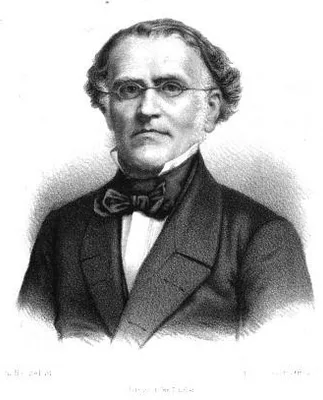
Boeck, eminent Norwegian dermatologist and syphilologist, was the first to describe Norwegian itch, scabies crustosa (“Boeck’s scabies”).
1842
#4034
Sur une espèce de mentagre contagieuse résultant du développement d’un nouveau cryptogame dans la racine des poils de la barbe de l’homme.
First accurate description of Trichophyton mentagrophytes, the fungus responsible for sycosis barbae. English translation of this and Gruby’s other five papers read to l’Académie des Sciences in Zakon & Benedek, David…
1842
#5519
Recherches anatomiques sur une plante cryptogame qui constitue le vrai muguet des enfants.
Independently of Berg, Gruby found Candida albicans in thrush. He demonstrated its fungal nature.
1842
#10064
The history, diagnosis, and treatment of typhoid and of typhus fever: With an essay on the diagnosis of bilious remittent and of yellow fever.
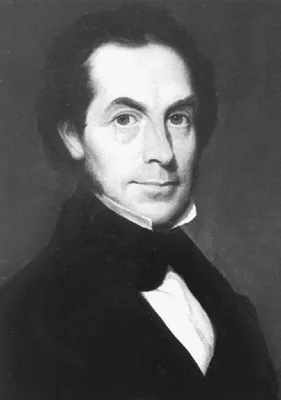
Bartlett's book contains the first complete description of typhoid fever in English. In 1908 Osler wrote, "The chief interest of the work today lies in the remarkably accurate picture which is given of typhoid fever--…
1842
#12423
On the parasitic fungi found growing in living animals.
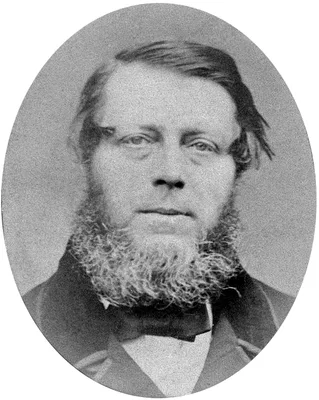
Bennett confirmed and extended the observations and experiments of Gruby concerning the mycodermatous vegetations found in the crusts of the disease called Tinea favosa, or Zorigo lupinosa of Bateman; he announced the…
1843
#484.1
Spermatozoa observed within the mammiferous ovum.
Barry was the first to observe the spermatozoon within the ovum.
1843
#4035
Recherches sur la nature, le siège et le développement du Porrigo decalvans ou phytoalopécie.
First accurate description of Microsporon audouini, the fungus of Willan’s porrigo decalvans, tinea tonsurans, “Gruby’s disease”.
1843
#5353
Nuovo verme intestinale umano (Agchylostoma duodenale), constituente un sesto genere dei nematoidei proprii dell’uomo.
Dubini first found the hookworm of ankylostomiasis in 1838. His account of 1843, describing it, named it Agchylostoma duodenale, a name etymologically erroneous. Partial English translation in Kean (No. 2268.1).
1843
#5268
Recherches et observations sur une nouvelle espèce d’hématozoaire, Trypanosoma sanguinis.
Gruby discovered trypanosomes in the frog. He first suggested the name “trypanosome” to describe the parasite.
1843
#8807
Practical observations on the principal diseases affecting the health of the European and native soldiers in the north-western provinces of India with a supplement on dysentery.
Digital facsimile from the Internet Archive at this link.
1844
#4036
Recherches surles cryptogames qui constituent la maladie contagieuse du cuir chevelu décrite sous le nom de Teigne tondante (Mahon). Herpes tonsurans (Cazenave).
Gruby discovered a fungus, Trichophyton tonsurans, in ringworm of the scalp.
1844 –1845
#267.1
Cours de microscopie. 1 vol. and atlas.
Donne's and Foucault's work was the first biomedical textbook to be illustrated with images made from photomicrographs, in this case daguerreotypes of blood cells. Among its noteworthy images are the first microphotog…
1845
#3619
On diseases of the liver.
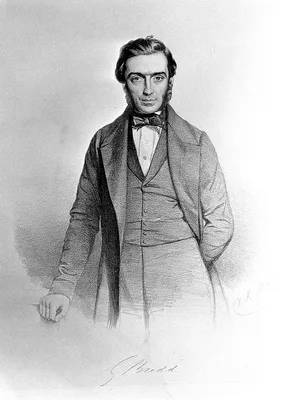
Budd was Professor of Medicine at King’s College, London. Section III of the above book includes a description of that form of cirrhosis to which the name “Budd’s disease” has been applied. In the second edition, 1852…
1845
#5354
Bericht über die Leistungen im Gebiete der Helminthologie während des Jahres 1843 und 1844.
![SIEBOLD, Carl Theodor Ernst von [Karl] (1804 – 1885)](/media/portraits/231)
Siebold classified the hookworm as belonging to the Strongyloidae (pp. 220-21).
1846 –1849
#544
The microscopic anatomy of the human body, in health and disease.
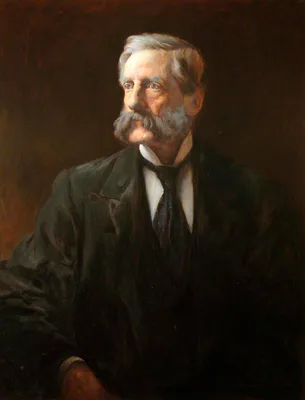
First English textbook on microscopical anatomy. His description of the concentric corpuscles of the thymus (p. 9) led to the term “Hassall’s corpuscles”.
1846
#4039
Pilzbildung in der Pityriasis versicolor.
Eichstedt discovered Pityrosporum orbiculare, fungus of pityriasis versicolor (“Eichstedt’s disease”).
1846 –1847
#5026
Practical remarks on the continued fevers of Great Britain, and on the generic distinctions between enteric fever and typhus.
Introduction of the term “enteric fever”, a term for typhoid. Ritchie carefully differentiated the symptoms of typhus and typhoid.
1846
#5338
Entozoon in the superficial part of the extensor muscles of the thigh of the hog. Abstract
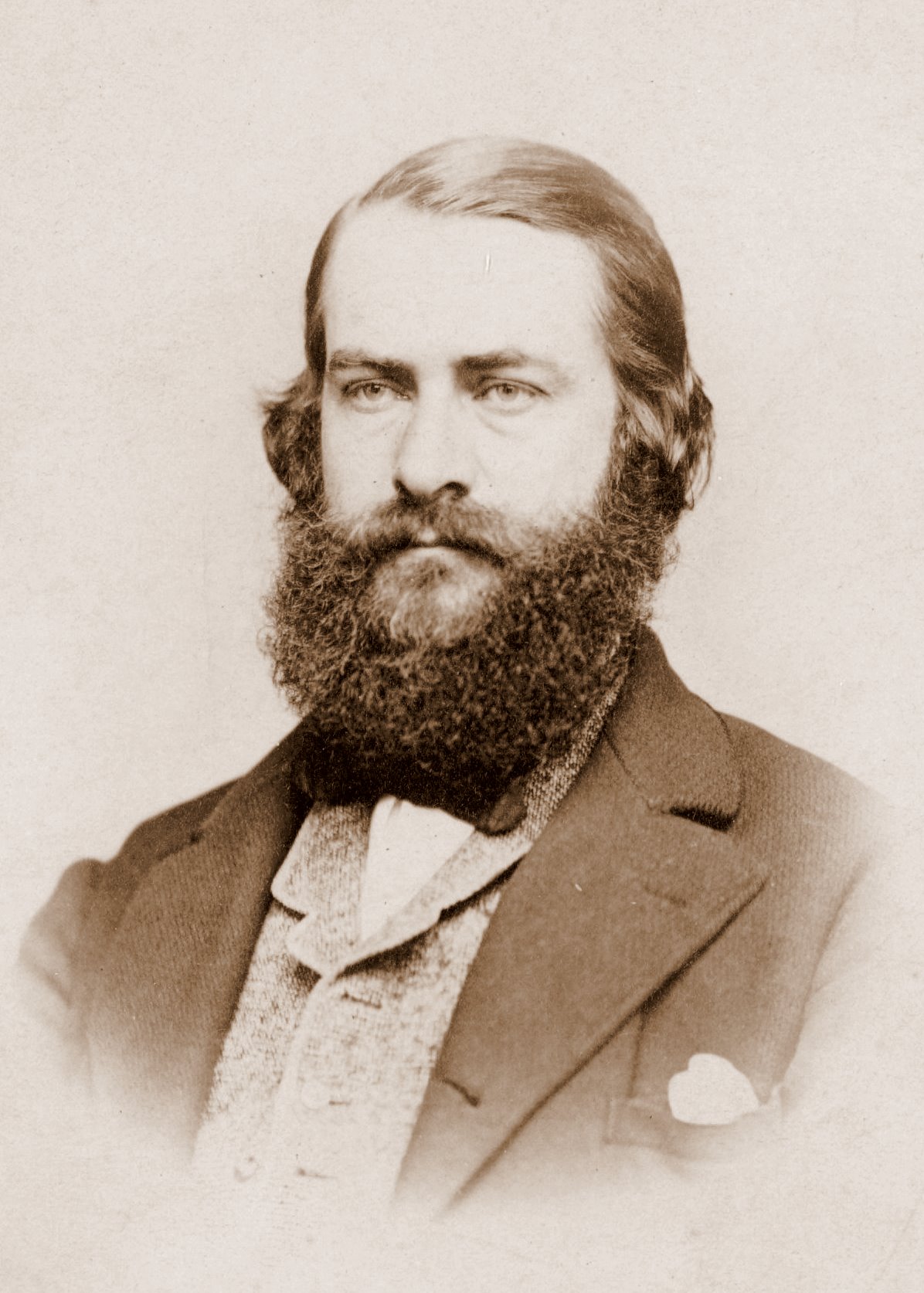
First description of trichinosis in the pig.
1848 –1849
#3450
On the existence of Entophyta in healthy animals, as a natural condition.
Discovery of the bacterial flora of the intestines.
1848
#7314
Die Hautkrankheiten durch anatomische Untersuchungen erläutert.
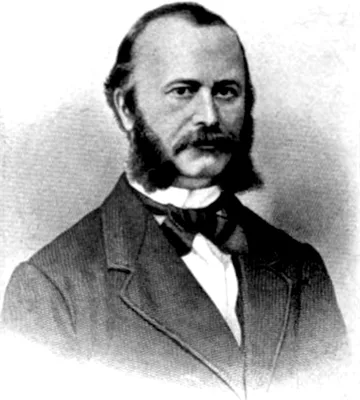
The first textbook of dermatopathology. "Simon dated the preface of his book April 1st, 1848 and wrote (p. vi and vii) that much has been achieved by meticulous clinical description of diseases of the skin but now att…
1849
#5183.1
Fragments d’helminthologie et de physiologie microscopique.
First observations of entozoic amoebae.
1849
#5027
On typhoid and typhus fevers, – an attempt to determine the question of their identity or non-identity, by an analysis of the symptoms, and of the appearances found after death in 66 fatal cases observed at the London Fever Hospital from Jan. 1847–Feb. 1849.
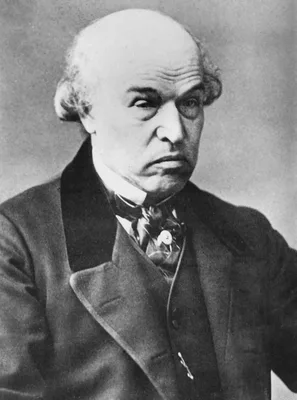
Despite Stewart’s work, there was still controversy as to the identity of typhoid and typhus. Jenner’s paper demonstrated that the etiology of the two was quite different, that one did not communicate or protect again…
1850
#5163
Inoculation du sang de rate.
Rayer inoculated sheep with blood of other sheep dead of anthrax. Microscopically he saw the anthrax bacillus in the blood of the inoculated sheep. Rayer was associated with Davaine, who later, in Bull. Acad. Méd., 18…
1851
#5338.1
Beobachtungen über Trichina spiralis in Betriff der Uebertragung der Eingeweidewürmer.
Herbst was the first to demonstrate that an animal eating trichinous flesh would thereby develop trichinae in its own muscles. English translation of part I in Kean (No. 2268.1).
1851 –1856
#5865
Die Krankheiten des Auges. 3 vols.
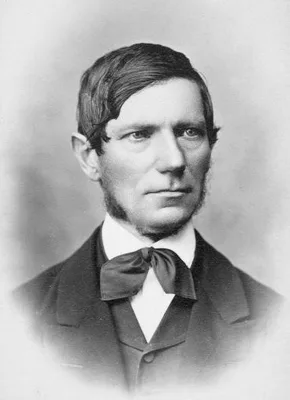
Arlt described granular conjunctivitis (“Arlt’s trachoma”) and an operation for transplantation of the ciliary bulbs in the treatment of distichiasis.
1851
#12086
Observations on the medical topography and diseases (especially diarrhoea) of the Sacramento Valley, California, during the Years 1849, 1850.
Stillman was personal physician to Leland Stanford, the first governor of California, and was a partner of railroad magnate Mark Hopkins from their days on board a ship to California in 1849. Stillman was also co-foun…
1852
#116
Ueber extracelluläre Entstehung thierischer Zellen und über die Vermehrung derselben durch Theilung.
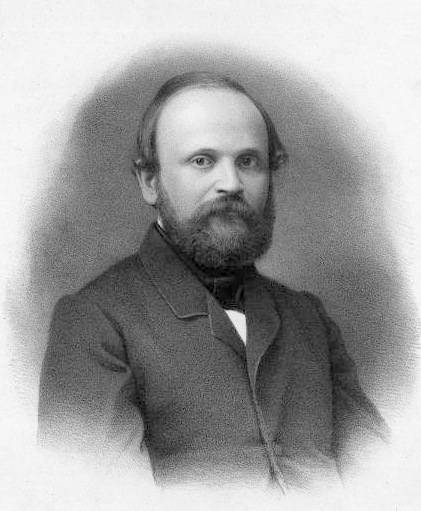
Remak was the first to point out that growth of new tissues was accomplished by the division of pre-existing cells.
1852
#5339
Ein Beitrag zur Helminthographia humana aus brieflichen Mittheilungen des Dr. Bilharz in Cairo, nebst Bemerkungen von C. T. v. Siebold.
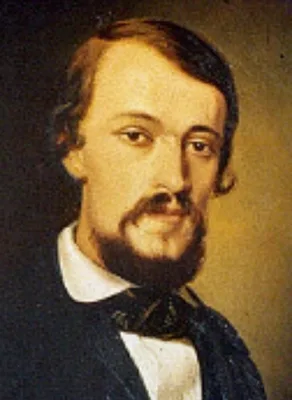
Discovery, in 1851, of Schistosoma haematobium, the parasite of bilharziasis. Bilharz was Professor of Zoology at Cairo. English translation in Rev. infect. Dis., 1984, 4, 727-32, and in Kean (No. 2268.1).
1853
#2450
Ueber Cestoden im allgemeinen und die des Menschen insbesondere, hauptsächlich mit Berücksichtigung ihrer Entwickelungsgeschichte, geographischen Verbreitung, Prophylaxe und Abtreibung; für Freunde der Naturwissenschaften, Aerzte, Medicinalpolizei-Beamte, Staats- und Privat-Oekonomen.
Kuchenmeister conducted research on tapeworms, trichinosis, and other parasites and wrote about it several works. In 1852, his theory that bladder-worms are juvenile tapeworms gained the attention of the medical profe…
1853
#7313
Recherches sur la nature et le traitement des teignes.
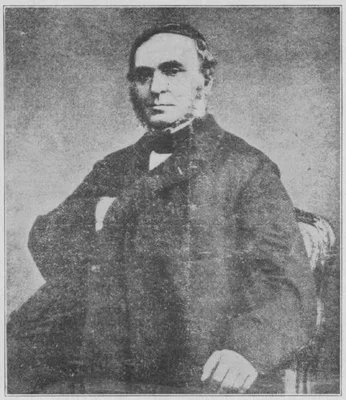
Bazin proved the fungal origin of favus and tinea; this was the first work to incorporate mycotic skin diseases into dermatological literature. Digital facsimile from BnF Gallica at this link.
1854
#5106.1
Osservazioni microscopiche e deduzioni patologiche sul cholera asiatico.
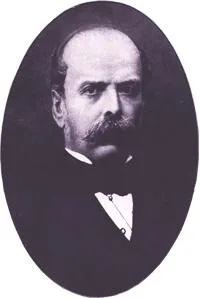
Pacini described vibrios seen in the intestinal contents of cholera victims. He incriminated these vibrios as the pathogen in the disease, anticipating Koch (No. 5108) by 30 years. See N. Howard-Jones. Perspect. Biol.…
1854
#5340
Ueber die Band-und Blasenwürmer.
Siebold succeeded in infecting dogs with Taenia echinococcus. Translation by T. H. Huxley Sydenham Society London, 1857.
1854
#5355
Klinische und anatomische Beobachtungen über die Krankheiten von Aegypten.
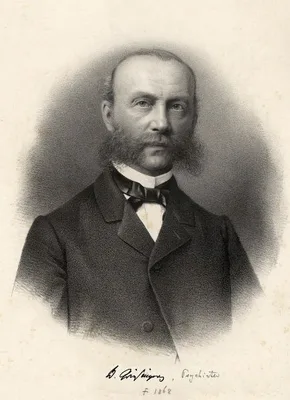
Griesinger connected the worm of ankylostomiasis with Egyptian chlorosis, a condition in which the worm had previously been noted without its being considered the causal agent (pp. 555-61). Apparently Bilharz in 1853 …
1855
#5164
Mikroskopische und mikrochemische Untersuchung des Milzbrandblutes sowie über Wesen und Kurdes Milzbrandes.
Pollender discovered the B. anthracis in 1849, but did not record this fact until 1855. He gave a more exact account of the organism than did Rayer (No. 5163).
1855
#5341
Die in und an dem Körper des lebenden Menschen vorkommenden Parasiten. Ein Lehr- und Handbuch der Diagnose und Behandlung der thierischen und pflanzlichen Parasiten des Menschen. Zum Gebrauche für Studirende der Medicin und der Naturwissenschaften, für Lehrer der Zoologie, Botanik, Physiologie, pathologischen Anatomie und für praktische Ärzte. 2 vols.
English translation of 2nd ed. by Edwin Ray Lankester as On animal and vegetable parasites of the human body: A manual of their natural history, diagnosis, and treatment. 2 vols. London: Sydenham Society, 1857. Digita…
1855
#5876
Quelques considérations sur la nature de l’ophthalmie dite militaire, par rapport à son apparition dans l’armée danoise depuis 1851.
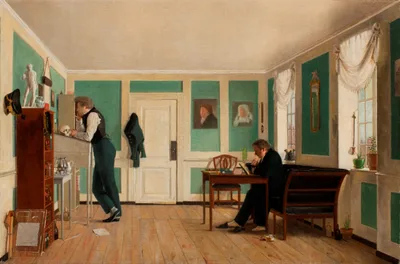
Description of trachoma.
1856
#2534
Bidrag til Laeren om den saakaldte putride eller septiske Infection.
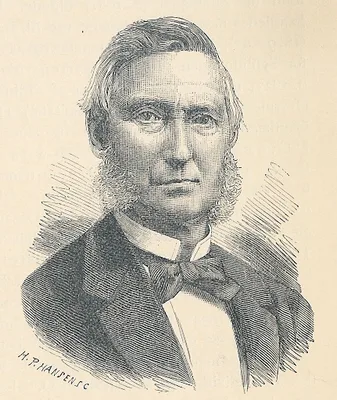
Panum was the first to investigate the chemical products of putrefaction. His work had great significance for the doctrine of putrid intoxication. An abstract of the above paper is in jb. in-u. ausländ. ges. Med., 185…
1856
#4044
Pityriasis pilaris, maladie de peau non décrite par les dermatologistes.
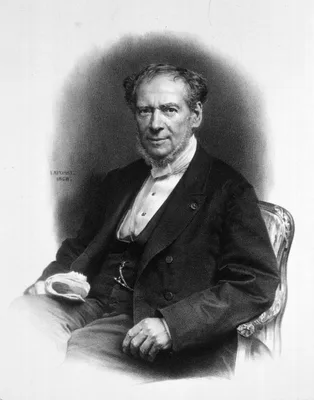
Devergie is remembered for his clear description of pityriasis rubra pilaris, (“Devergie’s disease”). He was the first to demonstrate the presence of a fungus in eczema marginatum.
1856
#5183.2
Clinica médica. Abcesos del higado.
Jimenez gave a classic account of liver abscess in amoebiasis.
1856
#22
Тα ∑ωζομενα. The extant works of Aretaeus, the Cappadocian. Edited and translated by Francis Adams.
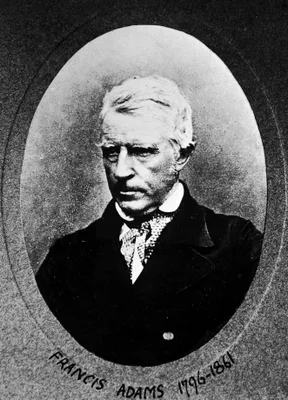
Aretaeus left many fine descriptions of disease; in fact Garrison ranks him second only to Hippocrates in this respect. In the printed editions of this bibliography, before the present online version, the Adams editio…
1857
#2472
Mémoire sur la fermentation appelée lactique.
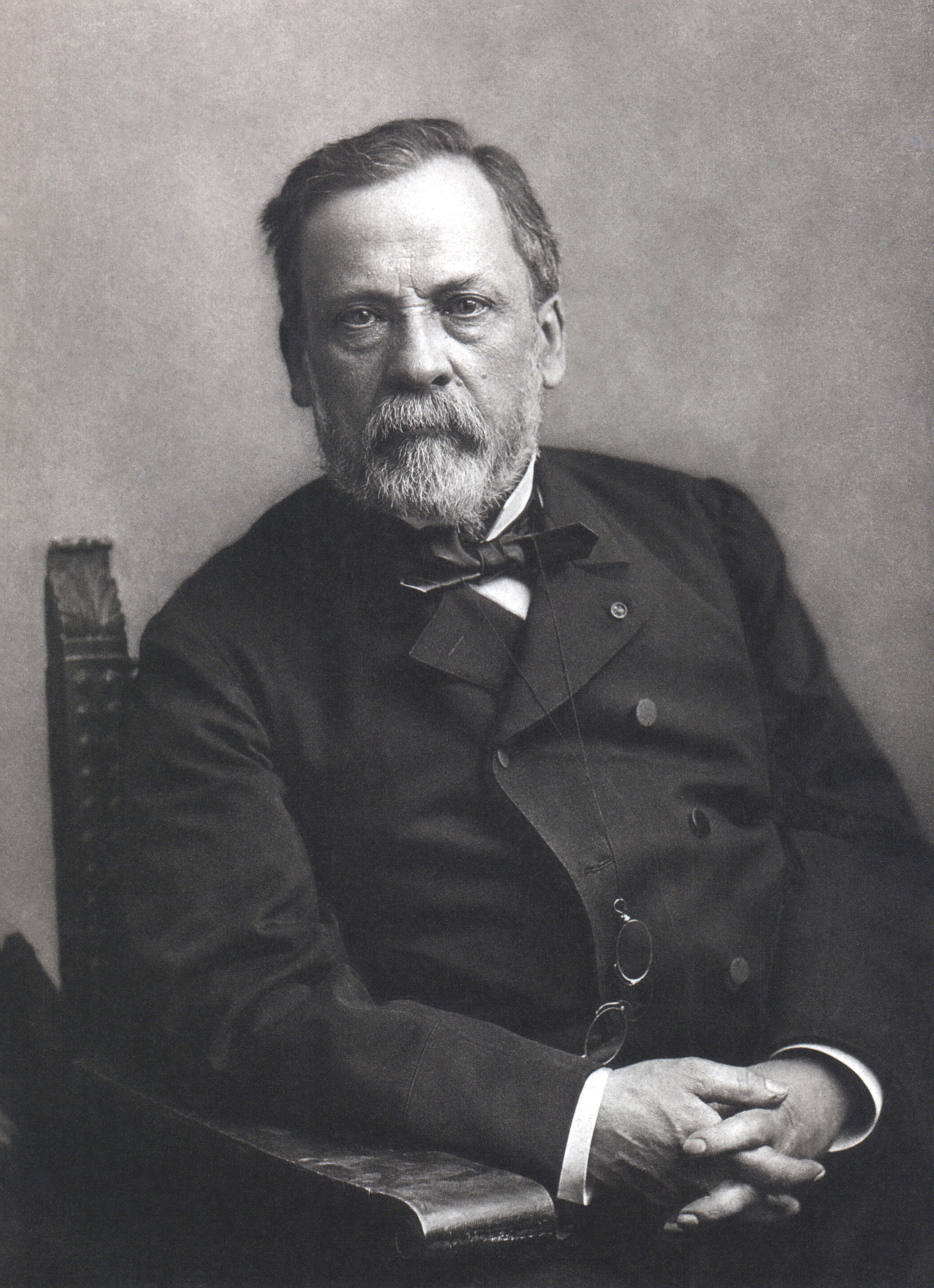
First demonstration of the connection between a specific fermentation and the activity of a specific living micro-organism. This paper is often considered the beginning of bacteriology as a modern science. The above w…
1857
#3455
Infusorier, sasom intestinaldjur hos menniskan.
Discovery of Balantidium coli, the first parasitic protozoon to be discovered and recognized as such. German translation in Virchows Arch. path. Anat., 1857, 12, 302-09. English translation in Kean et al. (No. 2268.1).