
Facets
Browse across eight MeSH (opens in new tab) facets — era, geography, science, specialty, technology, history, culture, and reference. Select one tag per group; counts update across the others. What’s new in facet browse how facets relate to subjects and MeSH.
Clear filtersFacet filters
Geography
Specialties & Disease
- Alternative & Fringe Medicine 0
- Anatomy & Pathology 0
- Cardiology & Blood 1
- Dentistry 0
- ENT & Hearing 0
- Epidemiology & Demography 0
- Gastroenterology & Hepatology 1
- General Clinical Medicine 2
- Immunology & Dermatology 3
- Infectious Disease (General) 0
- Internal, Emergency & Geriatric 1
- Microbiology & Virology 10
- Military Medicine 0
- Neurology & Psychiatry 0
- Obstetrics & Reproductive 0
- Oncology & Cancer 4
- Ophthalmology & Vision 0
- Pediatrics 0
- Physiology & Embryology 48
- Plagues & Epidemics 1
- Psychology 0
- Public Health 4
- Pulmonary & Respiratory 0
- Rheumatology, Rehab & Pain 0
- Surgery & Anesthesia 0
- Urology & Nephrology 0
- Veterinary Medicine 0
Social & Historical Studies
Institutions & Culture
Reference & Scholarly Works
Drugs & Technology
89 entries match Nobel Prizes [K01.150.567] · Zoology & Animal Sciences [K01.900.500.750]
1977
#11044
Spliced segments at the 5' terminus of adenovirus 2 late mRNA.
Discovery of introns simultaneously with Roberts, Chow, Broker (No. 11043). Sharp's electron microscopist, Berget, visualized the introns in the electron microscope. James D. Watson took note of the profound significa…
1977
#14143
Resolution of some components of adenylate cyclase necessary for catalytic activity.
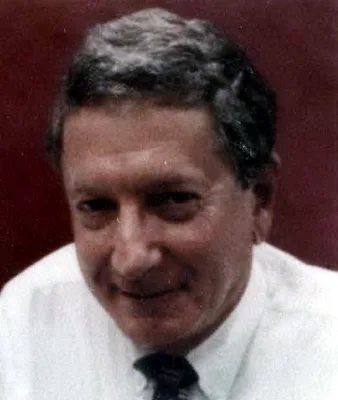
Goodman shared the 1994 Nobel Prize in Physiology or Medicine with Martin Rodbell "for their discovery of G-proteins and the role of these proteins in signal transduction in cells." In this paper Goodman and Ross show…
1978
#13986
Mutagenesis at a specific position in a DNA sequence.
Smith and Hutchison introduced site-directed mutagenesis, or oligonucleotide-directed mutagenesis, into molecular biology, resolving the problem of how to determine the effect of a single mutant gene with efficiency. …
1979
#6901
Resolution of the ATP-dependent proteolytic system from reticulocytes: a component that interacts with ATP.
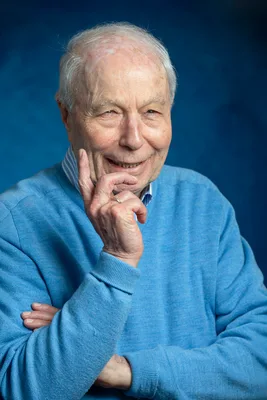
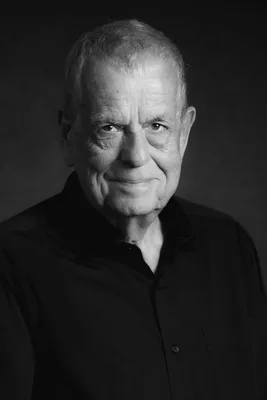
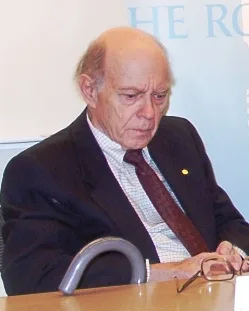
Discovery of ubiquitin-mediated protein degradation. The paper is available at doi:10.1073/pnas.76.7.3107,PMC 383772, PMID 290989. See also Hershko, A.; Ciechanover, A.; Heller, H.; Haas, A.L.; Rose, I.A. (1980), "Pro…
1980
#14255
Transport of vesicular stomatitis virus glycoprotein in a cell-free extract.
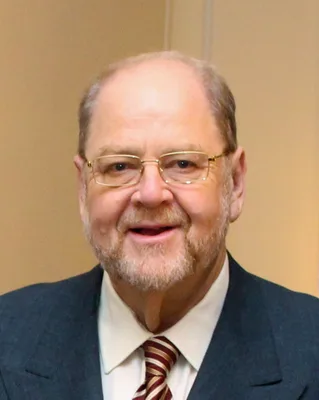
See also: Fries & Rothman, "Transient activity of Golgi-like membranes as donors of vescular stomatitis viral glycoprotein in vitro," J. Cell. Biol., 90, 1981, 697-704. "Rothman's research[15] details how vesicles—tin…
1980
#14256
The identification of 23 complementation groups required for post-translational events in the yeast secretory pathway.
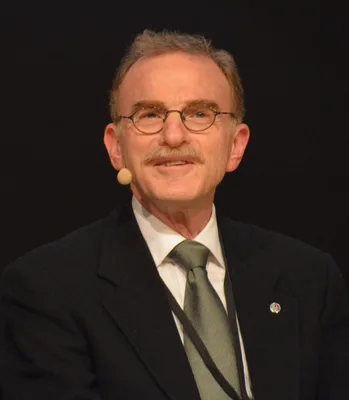
See also: Novick, P., Ferro, S. and Schekman, R. "Order of events in the yeast secretory pathway," Cell, 25, 1981, 461-469. In 1979 Schekman devised a genetic selection for temperature-conditional secretion-defective …
1981
#13285
Establishment in culture of pluripotential cells from mouse embryos.
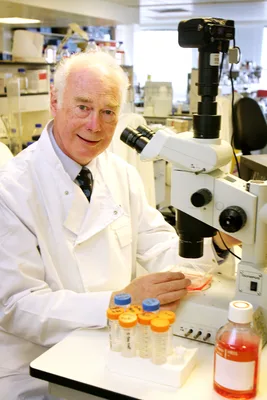
Evans and Kauffman were the first to identify, isolate and successfully culture embryonic stem cells using mouse blastocysts. This discovery opened the doors to the creation of “murine genetic models” -- mice that hav…
1981
#14183
Computer averaging of electron micrographs of the 405 ribosomal subunit.
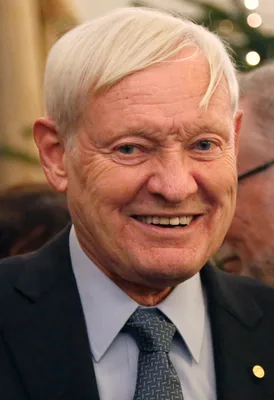
Frank and colleagues developed a method that allows sorting of particle images into classes based on their orientation, as well as their structural features. Specifically Frank developed mathematical tools used for im…
1981
#14224
The crystallization of ribsomal proteins from the 50 S subunit of the Escherichia coli and Bacillus stearothermophilus ribosome.
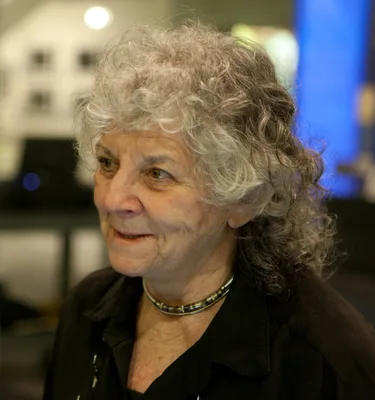
The authors crystallized fragments of the 50S subunit of a thermophile bacterium’s ribosome to 3 angstroms resolution. Order of authorship in the original publication: Appelt, Dyck, et al., Yonath. Digital facsimile f…
1982
#13932
Self-splicing RNA: Autoexcision and autocyclization of the ribosomal RNA intervening sequence of tetrahymena.
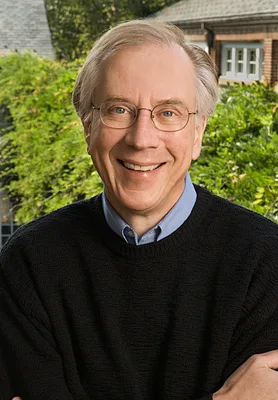
Discovery of ribozymes (ribonucleic acid enzymes). Cech discovered that RNA itself could cut strands of RNA, suggesting that life might have started as RNA. "In the 1970s, Cech had been studying the splicing of RNA in…
1983
#14140
Mammalian beta-adrenergic receptors. Structural differences in beta 1 and beta 2 subtypes revealed by peptide maps.
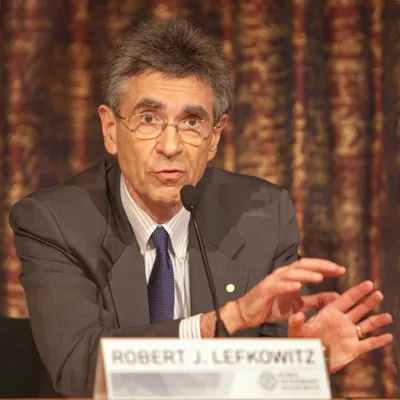
Lefkowitz and colleagues showed that there are two different types of beta receptors, distinguishing them as Beta-1 and Beta-2. They noticed that each has specific pharmacological characteristics. Order of authorship …
1983
#14254
Cyclin: A protein specified by maternal mRNA in sea urchin eggs that is destroyed at each cleavage division.
"It was at Woods Hole around July 1982, using Arbacia sea urchin eggs as his model organism, that he discovered cyclin proteins.[12] Cyclins play a key role in regulating the cell-division cycle.[16] Hunt was observin…
1984
#14263
Molecular analysis of the period locus in Drosophila malanogaster and identification of a transcript involved in biological rhythms.

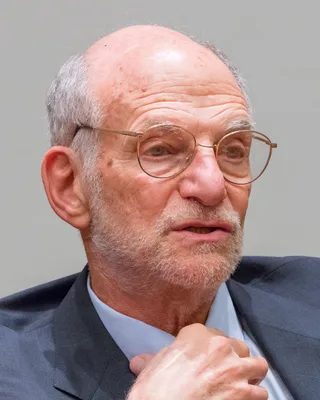
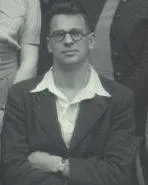
Rosbach and colleagues, including Jeffrey C. Hall, sequenced the Drosophila period gene in 1984. Full text available from cell.com at this link. Order of authorship in the original publication: Reddy, Zehring, Wheeler…
1984
#14265
Restoration of circadian behavioral rhythms by gene transfer in Drosophila.

"At The Rockefeller University in the early 1980s, Young and his two lab members, Ted Bargiello and Rob Jackson, further investigated the circadian period gene in Drosophila. They constructed segments of recombinant D…
1985
#8388
Identification of a specific telomere terminal transferase activity in Tetrahymena extracts.
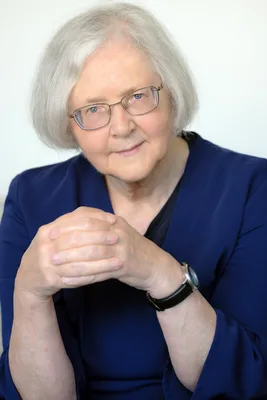
Blackburn and Grieder discovered telomerase in the ciliate Tetrahymena. In 2009 Blackburn and Grieder shared the Nobel Prize in Physiology or Medicine with Jack W. Szostak "for the discovery of how chromosomes are pro…
1985
#10785
Enzymatic amplication of B-globin genomic sequences and restriction site analysis for diagnosis of sickle cell anemia.
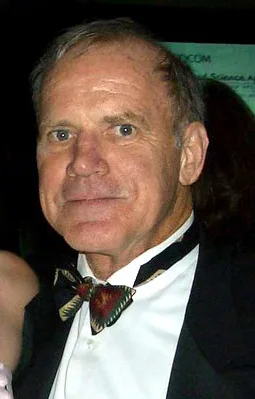
Polymerase chain reaction first published. With Randall K. Saiki, Stephen Scharf, Fred Faloona et al. Order of authorship in the original paper was Saiki, Scharf, Faloona, Mullis.... In 1993 the Nobel Prize in Chemist…
1985
#11060
Structure of the protein subunit in the photosynthetic reaction centre of Rhodopseudomonas viridis at 3 Å resolution.
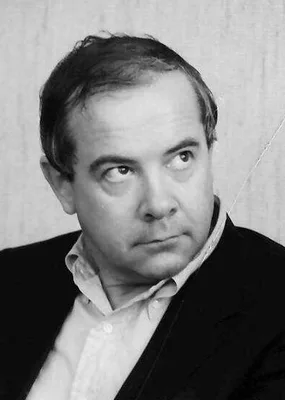

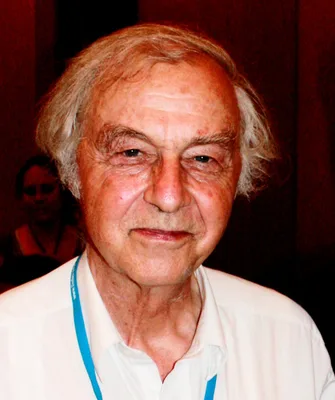
Discovery of the three-dimensional structure of a protein complex found in certain photosynthetic bacteria, called the photosynthetic reaction center. This was the first elucidation of the 3D crystal structure of any …
1985
#14339
Filamentous fusion phage: Novel expression vectors that display cloned antigens on the virion surface.
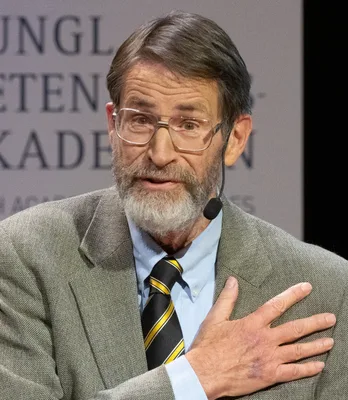
In this paper Smith invented "phage display technology," a technique where a specific protein sequence is artifically inserted into the coat protein gene of a bacteriophage, causing the protein to be expressed on the …
1993
#14010
The C. elegans heterochronic gene lin-4 encodes small RNAs with antisense complementarity to lin-14.

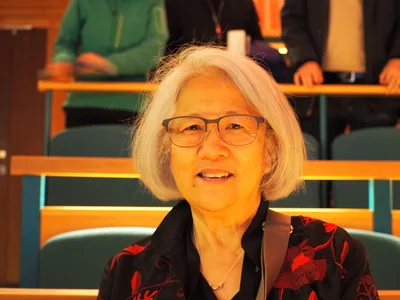
Ambros and colleagues discovered the first known microRNA (miRNA), a small single-stranded non-coding RNA molecule (containing about 22 nucleotides) found in plants, animals and some viruses, that functions in RNA sil…
1993
#14301
Posttranscriptional regulation of the heterochronic gene lin-14 by lin-4 mediates temporal pattern formation in C. elegans.
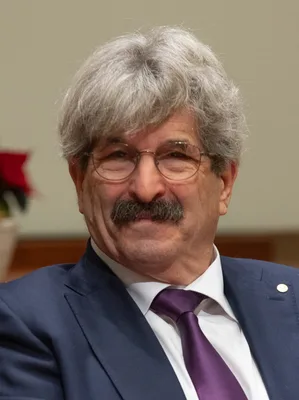
The authors cloned and generated the sequence of the lin-14 gene. They discovered that a segment in lin-14 mRNA (messenger RNA), was necessary for its inhibition by lin-4. Ruvkun and Ambros (No. 14010) then compared r…
1994
#13564
Green fluorescent protein as a marker for gene expression.
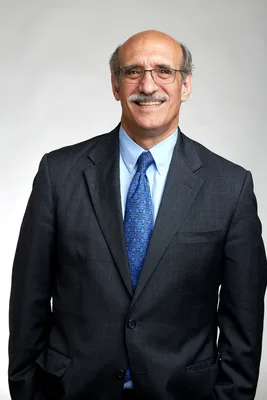
Chalfie and colleagues showed that the green fluorescent protein (GFP) from the jellyfish Aequorea victoria, could be used as a visible marker for protein localization and expression in vivo, in bacteria and worm cell…
1994
#14261
Ultrastructural analysis of the autophagic process in yeast: detection of autophagosomes and their characterization.
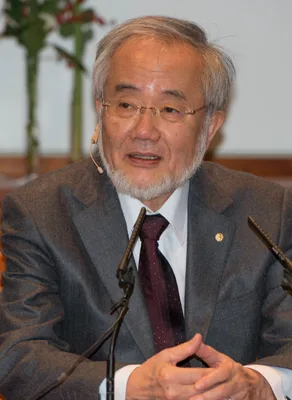
Order of authorship in the original publication: Baba, M., Takeshige, Baba, N., Ohsumi. In 2016 Oshuni received the Nobel Prize in Physiology or Medicine "for his discoveries of mechanisms for autophagy."
1994
#14314
Structure at 2.8 Â resolution of F1-ATPase from bovine heart mitochondria.
Walker used X-ray crystallography to determine the structure of ATP synthase (ATPase or adenosine triphosphatase). In 1997 Walker shared the Nobel Prize in Chemistry with Paul Boyer and Jens C. Skou “for their elucida…
1996
#13565
Crystal structure of Aequorea victoria green fluorescent protein.
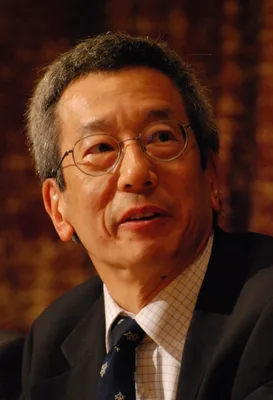
Tsien and colleagues published the crystal structure of the 238 A.A. long green fluorescent protein (GFP). With this data, the authors could determine what had to be modified within the protein in such a way that the …
1998
#13957
Potent and specific genetic interference by double-stranded RNA in Caenorhabditis elegans.
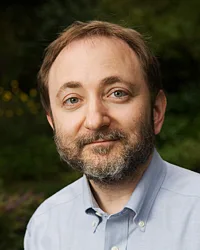
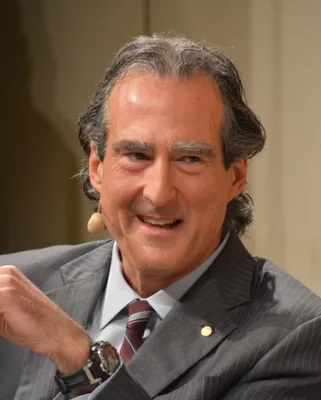
The authors reported that tiny snippets of double-stranded RNA (dsRNA) effectively shut down specific genes, driving the destruction of messenger RNA (mRNA) with sequences matching the dsRNA. As a result, the mRNA can…
1999
#14262
A pdf Neuropeptide gene mutation and ablation of PDF neurons each cause severe abnormalities of behavioral circadian rhythms in Drosophila.
In 2017 Hall shared the Nobel Prize in Physiology or Medicine with Michael Rosbash and Michael W. Young “for their discoveries of molecular mechanisms controlling the circadian rhythm.” Order of authorship in the orig…
2000
#13952
Structure of the 30S ribosomal subunit.
Ramakrishnan and colleagues determined the complete molecular structure of the 30S subunit of the ribosome and its complexes with several antibiotics. " The Abstract: "Genetic information encoded in messenger RNA is t…
2000
#13953
The structural basis of ribosome activity in peptide bond synthesis.
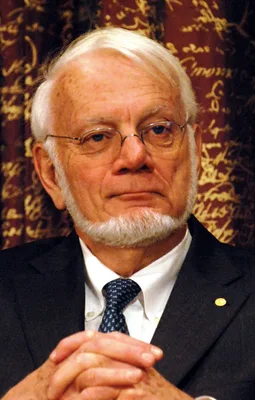
With Poul Nissen, Jeffrey Hansen, Nenad Ban, Peter B. Moore. Steitz shared the 2009 Nobel Prize in Chemistry with Venkatraman Ramakrishnan and Ada Yonath "for studies of the structure and function of the ribosome."
2000
#13982
Architecture of RNA polymerase II and implications for the transcription mechanism.

Kornberg devoted two decades to the development of methods to visualize the atomic structure of RNA polymerase and its associated protein components. Initially, Kornberg took advantage of expertise with lipid membrane…
2003
#14300
Design of a novel globular protein fold with atomic-level accuracy.
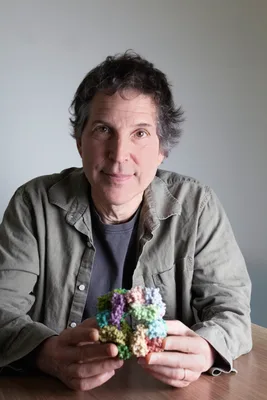
Called, "the breakthrough in computational de novo protein design." This was the proof of concept paper that computers and AI could be used to predict protein structures accurately and much faster than with convention…
2005
#13622
Suppression of RNA recognition by toll-like receptors: The impact of nucleoside modification and the evolutionary origin of RNA.
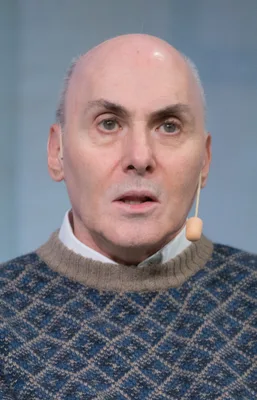
Karikó and Weissman discovered the nucleoside modifications that suppress the immungenicity of RNA, leading to their patents for the application of non-immunogenic, nucleoside-modified RNA (modRNA). This technology wa…
2005
#14257
Autonomous function of synaptotagmin 1 in triggering synchronous release independent of asynchronous release.
Südhof is credited with discovering much of the machinery mediating neurotransmitter release and presynaptic plasticity, beginning with the discovery of symaptotagmins and their role in neurostrasmitter release from t…
2006
#13094
The Pauling catalogue. Ava Helen and Linus Pauling papers at Oregon State University. Edited by Christoffer Petersen and Cliff Mead. 6 vols.
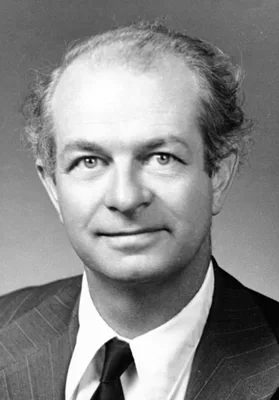
Vol. 1. Timeline, correspondence, publications, manuscripts & typescripts of articles, speechs, and books. Vol. 2. Science, Research Notebooks. 1917 Linus Pauling Diary. Vol. 3. Peace, Ava Helen Pauling, travel, honor…
2006
#13287
Induction of pluripotent stem cells from mouse embryonic and adult fibroblast cultures by defined factors.
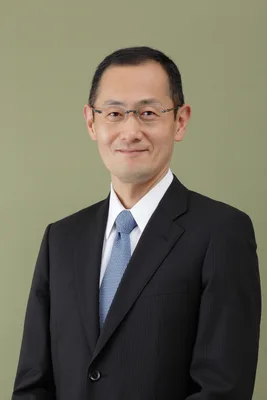
Takahashi and Yamanaka reprogrammed mice fibroblast cells, which can produce only other fibroblast cells, to become pluripotent stem cells, which have the capacity to produce many different types of cells. This they a…
2006
#14048
An inconvenient truth. The planetary emergency of global warming and what we can do about it.
A politician, Gore was one of the first to draw popular attention to climate change. He supplemented the best-selling book with a film and DVD with the same title. Ten years later, recognizing that in spite of its wid…
2011
#14134
Crystal structure of the β2 adrenergic receptor–Gs protein complex.
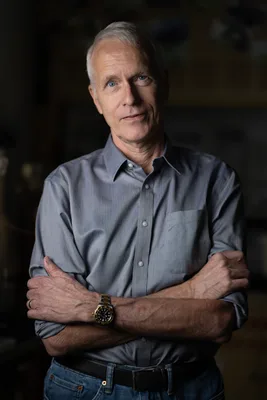
Kobilka and colleagues published the crystal structure of a beta-2 receptor forming a complex with the G protein coupled receptor. This was the first time that a complete complex of an active receptor and it's Gs prot…
2012
#11844
A programmable dual RNA-guided DNA endonuclease in adaptive bacterial immunity.


Order of authorship in the original publication: Jinek, Chylinski, Fonfar, Hauer, Doudna, Charpentier. Doudna, Charpentier and colleagues showed for the first time that the CRISPR evolutionary immune tool of bacteria …
2014
#7289
The complete genome sequence of a Neanderthal from the Altai Mountains.
First complete sequence of a Neanderthal genome. With more than 20 co-authors. In 2022 Pääbo was awarded the Nobel Prize in Physiology or Medicine "for his discoveries concerning the genomes of extinct hominins and hu…
2021
#14026
Highly accurate protein structure prediction with AlphaFold.

Abstract: "Proteins are essential to life, and understanding their structure can facilitate a mechanistic understanding of their function. Through an enormous experimental effort1,2,3,4, the structures of around 100,0…