
Facets
Browse across eight MeSH (opens in new tab) facets — era, geography, science, specialty, technology, history, culture, and reference. Select one tag per group; counts update across the others. What’s new in facet browse how facets relate to subjects and MeSH.
Clear filtersFacet filters
Geography
Specialties & Disease
- Anatomy & Pathology 0
- Cardiology & Blood 0
- Neurology & Psychiatry 0
- Obstetrics & Reproductive 0
- Infectious Disease (General) 0
- Surgery & Anesthesia 7
- Public Health 10
- Immunology & Dermatology 1
- General Clinical Medicine 5
- Military Medicine 0
- Psychology 0
- Alternative & Fringe Medicine 4
- Pediatrics 1
- Ophthalmology & Vision 0
- ENT & Hearing 0
- Urology & Nephrology 1
- Gastroenterology & Hepatology 0
- Pulmonary & Respiratory 0
- Rheumatology, Rehab & Pain 2
- Internal, Emergency & Geriatric 1
- Veterinary Medicine 1
- Epidemiology & Demography 0
- Physiology & Embryology 0
- Dentistry 1
- Plagues & Epidemics 0
- Microbiology & Virology 2
Social & Historical Studies
Institutions & Culture
Reference & Scholarly Works
137 entries match Medieval [K01.400.500] · Pharmacology & Therapeutics [D01 / E02]
c. 512
#6816
Vienna Dioscorides. Codex Vindobonensis Med. Gr. 1.
![DIOSCORIDES, Pedanius [Πεδάνιος Διοσκουρίδης] (40 – 90)](/media/portraits/2028)
The oldest surviving copy of Pedanius Dioscorides's treatise on medical botany and pharmacology, De materia medica, is an illuminated Byzantine manuscript produced about 512 CE. Dioscorides, a Greek physician, who may…
c. 850
#6900
The Syriac Galen palimpsest.
This ninth century palimpsest codex contains as its undertext a text of Galen's On Simple Drugs in the Syriac translation by Sergius of Reshaina. It has not yet been formally published. For further information see the…
1467
#2190
De sermonum proprietate sive Opus de universo.
Also known as De rerum naturis. This dictionary or encyclopedia is the earliest known printed book to include a section dealing with medicine, and this brief section, Book 18, Chap. V concerning medicine and diseases,…
1471
#1789
Antidotarium. Add: Quid pro quo; Synonyma.
This work, which first circulated in manuscript in 1140, was the first formulary to be printed. It consists of 139 prescriptions and includes the original formula for the “anesthetic sponge” (spongia somnifera), the e…
1471
#10960
Opera medicinalia. Ed: Peregrinus Cavalcobovis, with a preface by Nicolaus Gupalatinus. Consisting of: Canones universales. De simplicibus. Grabadin. Practica.
This undated edition, which the ISTC im00508000 catalogues as "not before 18 May 1471", may be the earliest printed edition of the writings of the medieval Persian or Assyrian Nestorian Christian physician Yuhanna ibn…
1471
#11287
Liber servitoris de praeparatione medicinarum simplicium. Translated by Abraham Tortuosiensis. Edited by Simon a Cordo.
Book 28 on drugs from the Al-Tasrif, a 30-volume Arabic encyclopaedia on medicine and surgery, written ca. 1000 CE by Abulcasis. ISTC No. ia00014000. Digital facsimile from the Württembergische Landesbibliothek Stuttg…
1472
#2070
Conciliator differentiarum philosophorum et medicorum. Add: De venenis.
Includes the first printed book on toxicology; one of the more elegantly printed of medical incunabula, printed in folio format. For an English translation, see Ann. med. Hist., 1924, 6, 26-53. ISTC No. ip00431000. Di…
1474
#7151
Liber pandectarum medicinae.
An encyclopedia of medicines, mostly derived from plants, completed about the year 1317. The medicines are arranged in alphabetical order. Two printed editions were issued in 1474. The first, issued in Naples, appeare…
1475
#276.1
Buch der Natur.
The first printed book to contain illustrations of animals, and the first notable scientific book in German. It discusses animals, birds, fish, anatomy, physiology, plagues, the medicinal value of plants and stones, e…
1477
#1791
De viribus herbarum carmen.
De viribus herbarum carmen has been attributed to Macer Floridus, a pseudonym of Odo of Meung, who lived in the Loire area of France towards the end of the eleventh century. Macer's unillustrated text described the me…
c. 1477
#1794
Artzneibuch.
The first German pharmacopeia, and a very early work written and published in the vernacular. The book was an important German text of popular medicine in its day. Digital facsimile from the Bayerische StaatsBibliothe…
c. 1477 –c. 1483
#1959.3
Regimen sanitatis Salernitanum (With commentary by [Pseudo-Arnoldus de Villa Nova]). Add: Arnoldus de Villa Nova: Regimen sanitatis ad regem Aragonum.
Probably originating about 1160, the Regimen sanitatis from the medical school at Salerno (where medicine was first treated as a separate science) had greater popular influence than virtually any other medieval medica…
1478
#1959.2
Von Bewahrung und Bereitung der Weine.
The first printed book on wine, its production and preservation, translated from the Latin by Wilhelm von Hirnkofen. It discusses the value of wine in diet and as a medication. Wine has been called the oldest document…
1481
#6313
Liber ad Almansorem sive Tractatus medicinae I-X. Add: Liber divisionum; De aegritudinibus juncturarum; De aegritudinibus puerorum; De secretis sive aphorismi; De sectionibus et ventosis; Synonyma. Galenus: De medicinis experimentatis. Mesue (the elder): Aphorismi. Hippocrates: secreta; Capsula eburnea; De humana natura; De aere et aqua et regionibus; De pharmaciis. Tabula de herbis medicis.
![GALEN, [Κλαύδιος Γαληνός; Galen of Pergamon] (129 – 216)](/media/portraits/21)
![HIPPOCRATES, [Ἱπποκράτης; Hippocrates of Kos] (-460 – -370)](/media/portraits/50)
Rhazes was the first to devote an entire treatise to diseases of children. Although he lived so many years before the advent of printing, he was still regarded as an authority in the 15th century and his works were am…
c. 1481 –c. 1482
#6811
Herbarium Apulei.
The first printed herbal with illustrations was an illustrated edition of the Herbarium Apulei by Apuleius Platonicus or Pseudo-Apuleius, originally compiled circa 400 CE or earlier, and issued in Rome by the printer …
1485
#14113
De balneis et thermis naturalibus omnibus Italiae.
The second printed book on balneology. Savonarola took a skeptical approach to the subject, relying on his own observations and rejecting the notion that baths owed their virtues to occult or supernatural properties. …
1487
#1961
De particularibus diaetis.
The first separately printed treatise on diet was written by the Egyptian-Jewish physician and philosopher Isaac Judaeus who lived from about 832 to 932 CE. He was also known as Isaac Israeli ben Solomon and Abu Ya'qu…
1490
#47
Liber Teisir, sive rectificatio medicationis et regiminis. Antidotarium. Translated from Arabic into Hebrew by Jacobus Hebraeus; into Latin by Paravicius. Add: Averroes: Colliget.
This is a Latin translation from a Hebrew version dating from 1280. Avenzoar, the greatest Muslim physician of the Western Caliphate, described the itch-mite, Sarcoptes scabiei, serous pericarditis, mediastinal absces…
1491
#1797
Hortus sanitatis.
HORTUS SANITATIS
First edition of an herbal and general treatise on natural history which became very popular; based on the unusually large number of surviving copies in institutions it must have also been a bestseller. The plant illu…
1492
#1960
Thesaurus pauperum. [Italian:] Tesoro de poveri. Tr: Zucchero Bencivenni.
One of the most popular medical books of the Middle Ages; first written about 1260. After its first printing about 1492 it was reprinted many times in the next 100 years. "Petrus Hispanus was the only practicing physi…
1492
#7791
De venenis. Ed: Dominicus de Canali.
Compiled in the years, 1424-1426, from Greek, Arabic and Latin works on medicine and nature. "Although Ardoini quotes previous authors at great length, his work is no mere compilation, since he does not hesitate to di…
1497
#1790
Breviarium medicinae. Tr: Gerardus Cremonensis. Add: Serapion the Younger: In medicinis simplicibus. Tr: Simon a Cordo Januensis and Abraham Judaeus Tortuosiensis. Galenus: De virtute centaureae; Johannes Platearius: Practica brevis; Matthaeus Platearius: De simplici medicina "Circa instans".
Serapion the Elder and Serapion the Younger were Syrian Christians who wrote in Arabic. Breviarum medicinae was an abridgement of the opinions of the Greek and Arabic physicians concerning diseases and their treatment…
1498
#12925
Chirurgia. Add: Brunus Longoburgensis: Chirurgia magna et minor; Bonaventura de Castello: Recepta aquae balnei de Porrecta; Theodoricus Cerviensis: Chirurgia; Rolandus: Libellus de chirurgia; Lanfrancus Mediolanensis: Chirurgia; Rogerius: Practica; Leonardus Bertapalia: Recollectae super quarto libro Avicennae.
This late 15th century edition of the surgery of Guy de Chauliac also contained the first printed editions of various lesser-known medieval surgeries such as those by Bruno da Longoburgo and Leonardo Bertapaglia. It a…
1509
#8445
Medicinae Pliniae libri quinque finiunt foeliciter.
The Medicina Plinii was an anonymous compilation of remedies dating to the early 4th century CE ."The excerptor, saying that he speaks from experience, offers the work as a compact resource for travelers in dealing wi…
1528
#36
In principio singulorum librorum omnia indicantur, quae in eo libro continentur. [Title in Greek and Latin].
Paul of Aegiina was the most famous physician and surgeon in the Byzantine Empire during the seventh century, and probably thereafter. According to Eugene F. Rice, "Paulus Aegineta", Catalogus translationum et comment…
1531
#7627
Tacuini sanitatis Elluchasem Elimithar Medici de Baldath, de sex rebus non naturalibus, earum naturis, operationibus, & rectificationibus, publico omnium usui, conseruandae sanitatis, recens exarati. Albengnefit De uirtutibus medicinarum, & ciborum. Iac. Alkindus De rerum gradibus.
A Christian physician of Baghdad, Ibn Butlān traveled widely, eventually settling in Antioch. His treatise on hygiene and dietetics, Taqwām al-sihhah (The Almanac of Health) presented a guide to medical regimen in tab…
1531
#12807
Pharmaca simplicia, Othone Brunfelsio interprete. Idem De ratione victus Guilelmo Copo Basilensi interprete.
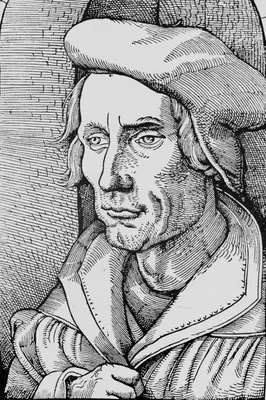
First edition in Latin of Paul of Aegina's treatise on pharmacological simples, the ingredients for preparing medicines. This describes the properties of about 750 plants and minerals, listing them in alphabetical ord…
1538
#6969
Simeonis Sethi, magistri Antiochiae, Syntagma per literarum ordinem de cibariorum facultate, Lilio Gregorio Gyraldo,... interprete.
First printed edition of Seth's Byzantine encyclopedia of foods, nutrition, and diatetics from plants and animals, with Greek text and Latin translation by scholar and poet Giglio Gregorio Giraldi. Simeon Seth was an …
1539
#9016
Actuarius de medicamentorum compositione. Ruellio interprete.
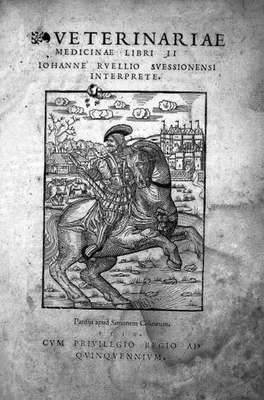
The 5th and 6th books of Actuarius's De methodo medendi, concerning materia medica. Digital facsimile from the Internet Archive at this link.
1542
#9415
Joannis Mesuae Damasceni De re medica libri tres Jacobo Sylvio medico interprete.
Dubois, better known as Sylvius, produced a new translation of the complete works of Mesue, which became the standard text, and was reprinted 21 times. Digital facsimile from Google Books at this link.
1549
#1793
Medicamentorum opus in sectiones quadragintaocto digestum, hactenus in Germania non uisum, omnibus tum medicis, tum seplasiarns mirum in modum utile, a Leonharto Fuchsio...
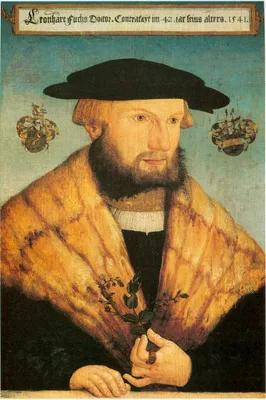
The “Antidotarium magnum” by the Byzantine physician Nicolaus Myrepsus. It was the largest strictly pharmaceutical work that had appeared up to the time of its writing (about 1270-1280); it contained more than 2,500 p…
1681
#13139
Pharmacopoea persica ex idiomate persico in latinum conversa. Tafsir-i murakkabat-i qarabadin-i parsi [-i Muzaffar b. Muhammad as-Sifa`i] ba-dast-i Angelus Karmelit.
The editor, Joseph Labrosse, "was born in Toulouse in 1636 and entered a Carmelite order, taking the name of Fr. Angelus of St Joseph. In 1662 he went to Rome and studied Arabic for two years before travelling to Isfa…
1794
#11830
Theophanis Nonni Epitome de cvratione morborvm graece ac latine: Ope codicvm manvscriptorvm recensvit notasqve adiecit I. O. Steph. Bernard. 2 vols.
Reprints text and translation from Martius's 1568 edition with extensive annotations by Bernard, and divergent manuscript readings based on the study of several codices. For an analysis of this Byzantine medical handb…
1800
#1768
Historiae Aegypti compendium, Arabice et Latine. Partim ipse vertit, partim a Pocockio versum edendum curavit, notisque illustravit J. White.
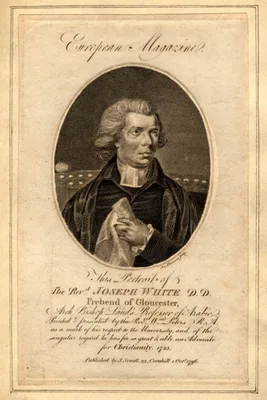
Arabic-Latin bilingual text, edited by White, incorporating a translation begun by Edward Pococke the Younger (1648-1727). Abd al-Latif gave a good description of the fauna and flora of Egypt, its inhabitants and some…
1830 –1833
#1788
Liber fundamentorum pharmacologiae. Auctore Abu Mansur Mowafik ben Ali al Herui. Epitome codicis manuscripti persici Bibl. caes. reg. Vienn. inediti. Primus Latio donavit Romeo Seligmann. 2 vols.
The most important early Persian pharmacological work, first published in print in Latin translation. Muvaffak flourished in Herat (current Afghanistan), under the Samanid prince Mansur I ibn Nuh, who ruled from 961 t…
1833
#8208
The Taleef shereef, or Indian materia medica translated from the original by George Playfair, Superintending Surgeon, Bengal Service. Published by The Medical and Physical Society of Calcutta.
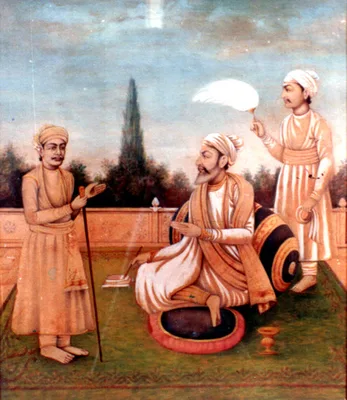
Digital facsimile from Google Books at this link.
1844 –1847
#8306
The seven books of Paulus Aegineta: Translated from the Greek, with a commentary embracing a complete view of the knowledge possessed by the Greeks, Romans, and Arabians on all subjects connected with medicine and surgery by Francis Adams. 3 vols.
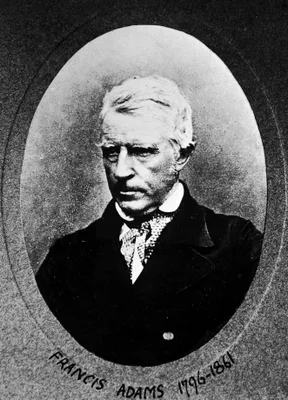
Book VI is entirely devoted to operative surgery. Adams himself says that it “contains the most complete system of operative surgery which has come down to us from ancient times”. Book IV contains much information on …
1851 –1876
#31
Oeuvres d’Oribase, texte grec, en grande partie inédit…traduit pour la première fois en français; par les Drs. Bussemaker et Daremberg. 6 vols.
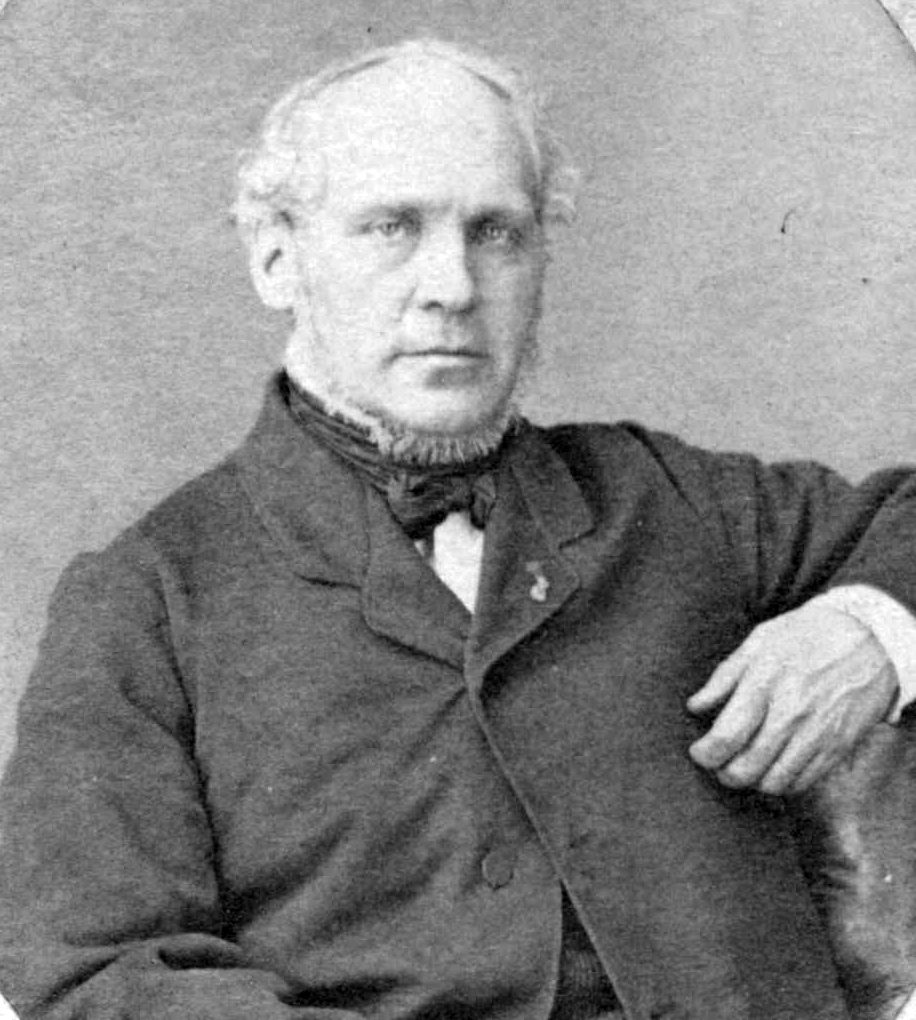
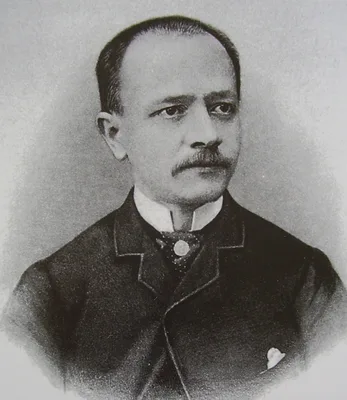
Oribasius was a compiler of existing knowledge rather than an original writer. His output was immense; he compiled the Synagoge, an encyclopedic digest of medicine, hygiene, therapeutics, and surgery from Hippocrates …
1862
#7792
Poetae bucolici et didactici: Theocritus, Bion, Moschus....Phile De animalibus, elephanti, plantis....
Manuel Philes of Ephesus wrote didactic poems on the characteristics of animals, chiefly based upon Aelian and Oppian, and a didactic poem of some 2000 lines, dedicated to Michael IX Palaiologos; on the elephant, and …
1864 –1866
#6534
Leechdoms, wortcunning, and starcraft of early England. Being a collection of documents, for the most part never before printed, illustrating the history of science in this country before the Norman Conquest. Collected and edited by Oswald Cockayne. 3 vols.
This set contains many texts relating to medieval English medicine and the Anglo-Saxon language. It contains the Herbal of Apuleius in Anglo-Saxon and modern English, the Leechbook of Bald, the text of Sextus Placitus…
1866
#8963
Botanik der spaeteren Griechen vom dritten bis dreizehnten Jahrhuntert.
Digital facsimile from the Internet Archive at this link.
1867
#1792
Alberti Magni ex ordine praedicatorum de vegetabilibus libri VII: Historiae naturalis pars XVIII. Editionem criticam ab Ernesto Meyero coeptam: Absolvit Carolus Jessen.
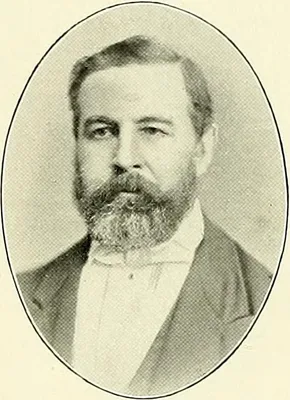
One of the best works on natural history produced during the Middle Ages, and, like most of Albertus's works, influential throughout the medieval period, though it does not appear to have been published in print until…
1867
#9019
Donnolo, Fragment des ältesten medicinischen Werkes in hebräischer Sprache.... von M. Steinschneider.
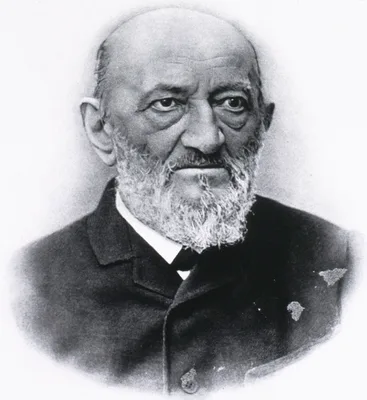
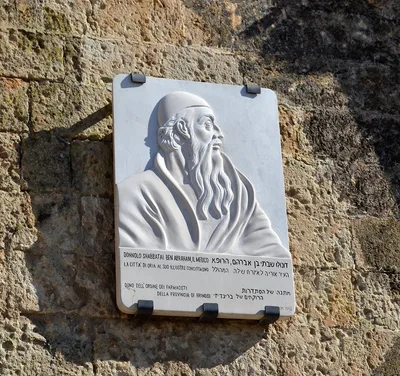
Written about 970 CE, this is the earliest surviving medical treatise written in Hebrew to which an approximate date can be assigned. Donnolo, who was at one time Byzantine court physician, is one of the earliest Jewi…
1868
#9020
Donnolo. Pharmakologische Fragmente aus dem zehnten Jahrhundert, nebst Beiträgen zur Literatur der Salternitaner hauptsächlich nach handschriftlichen hebräischen Quellen. (Sonderabdruck in 50 Expl. aus d, "Archiv f. patholog. Anatomie u.s.w. "herausg. von Rud. Virchow, Bd. 38-42). Als Beilagen: Constantinus Africanus und seine arabischen Quellen (aus demselben Archiv, Bd. 37)., Donnolo, Fragment des ältesten medicinischen Werkes in hebräischer Sprache, zum ersten Mal herausgegeben von M. Steinschneider.
1877 –1883
#8528
Traité des simples. 3 vols. Notices et extraits des manuscrits de la Bibliothèque nationale et autres bibliothèques, 1877, tome 23,1; tome 25,1; tome 26,1. Traduit par Lucien Leclerc.
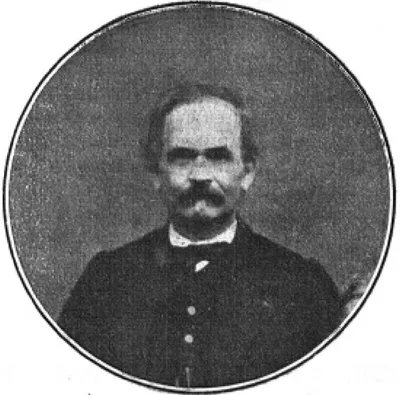
Ibn al-Baytar systematically recorded the additions to pharmacy made by medieval Islamic physicians, who added between 300 and 400 types of medicines to the roughly one thousand known since antiquity. "Ibn al-Baitar’s…
1893
#8581
Die pharmakologischen Grundsätze (Liber fundamentorum pharmacologiae) des Abu Mansur Muwaffak bin Ali Harawi zum estern Male nach dem Urtex übersetzt und mit Erklärungen versehen von Abdul-Chalig Achundow aus Baku. (aus Bd. 3 (1893) der Historischen Studien aus dem pharmakologischen Institute der Kaiserlichen Universität Dorpat). 2 vols.
First translation into a modern language.
1897 –1904
#11935
Les plantes dans l'antiquité et au moyen âge. Histoire, usages et symbolisme. 2 vols.
Digital facsimile from Biodiversity Heritage Library at this link.
1899
#6519
Medical works of the fourteenth century; together with a list of plants recorded in contemporary writings, with their identification.
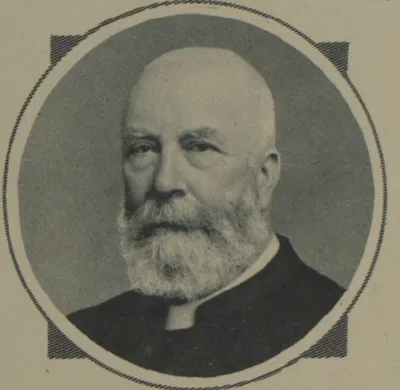
Digital facsimile from the Internet Archive at this link.
1908
#9018
Philumeni de venenatis animalibus eorumque remediis capita XXXVIII ed. M. Wellmann. Corpus medicorum graecorum X 1, 1.
This work on venoms and their antidotes is the only surviving work of the Byzantine physician Philomenos. Within this context Philomenos also discusses the bites of rabid dogs. Digital facsimile from Corpus medicorum …
1910
#6511
Zur Quellenkunde der persischen Medizin.
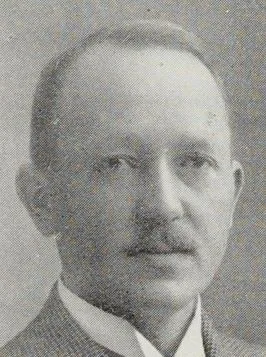
Comprehensive analysis, with thorough bibliographical citations, of classic writings and scholarship in this field, to 1910. Besides medicine and pathology, Includes pharmacy, veterinary medicine, and "medical works i…