
Facets
Browse across eight MeSH (opens in new tab) facets — era, geography, science, specialty, technology, history, culture, and reference. Select one tag per group; counts update across the others. What’s new in facet browse how facets relate to subjects and MeSH.
Clear filtersFacet filters
Geography
Specialties & Disease
- Alternative & Fringe Medicine 383
- Anatomy & Pathology 765
- Cardiology & Blood 914
- Dentistry 259
- Diabetes 80
- ENT & Hearing 293
- Epidemiology & Demography 397
- Gastroenterology & Hepatology 316
- General Clinical Medicine 487
- Immunology & Dermatology 1,008
- Infectious Disease (General) 147
- Internal, Emergency & Geriatric 123
- Microbiology & Virology 1,080
- Military Medicine 436
- Neurology & Psychiatry 1,258
- Obstetrics & Reproductive 551
- Oncology & Cancer 377
- Ophthalmology & Vision 412
- Pediatrics 247
- Physiology & Embryology 924
- Plagues & Epidemics 1,279
- Psychology 202
- Public Health 1,129
- Pulmonary & Respiratory 233
- Rheumatology, Rehab & Pain 189
- Surgery & Anesthesia 1,553
- Urology & Nephrology 309
- Veterinary Medicine 165
Social & Historical Studies
Institutions & Culture
Reference & Scholarly Works
Drugs & Technology
80 entries match Diabetes [C19.246]
1473
#43
Canon medicinae [Latin] (Lib I-V) (Tr: Gerardus Cremonensis) (5 vols.)
![AVICENNA, [Abū ʿAlī al-Ḥusayn ibn ʿAbd Allāh ibn Al-Hasan ibn Ali ibn Sīnā] (980 – 1037)](/media/portraits/9572)
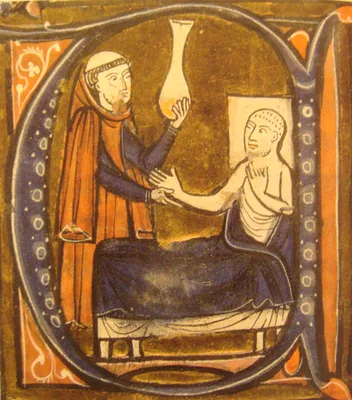
Avicenna is said to have written more than 100 books, most of which have perished. He wrote on the etiology of epilepsy and described diabetes, noticing the sweetish taste of the urine. His Canon is one of the most fa…
1674 –1675
#3926
Pharmaceutice rationalis sive diatriba de medicamentorum operationibus in humano corpore. 2 vols.
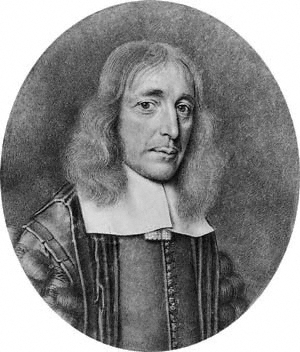
Willis’s last work deals with the anatomy and physiology of the thoracic and abdominal organs, and contains the first description of the superficial lymphatics of the lungs, the first clinical and pathological account…
1683
#3927
Experimenta nova circa pancreas.
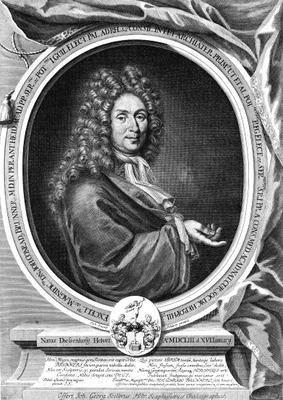
Brunner came near to discovering pancreatic diabetes. His experiments on the dog represent pioneer work on internal secretion. Following excision of the pancreas, he recorded extreme thirst and polyuria. Translated in…
1684
#1311
Dr. Willis's practice of physick.
The only complete edition of Willis's works in English, translated by the poet Samuel Pordage. It contains the translations of all his works except his Affectionum quae dicuntur hystericae (1671). The collection inclu…
1776
#3928
Experiments and observations on the urine in a diabetes.
Dobson proved that the sweetish taste of diabetic urine was produced by sugar, an observation following on Willis’s discovery of the sweetness of diabetic urine. He also discovered hyperglycemia.
1788
#3929
A singular case of diabetes, consisting entirely in the quality of the urine; with an inquiry into the different theories of that disease.
Cawley was the first to suggest a relationship between the pancreas and diabetes, observing that the disease may follow injury to that organ.
1794
#3879
De curandis hominum morbis epitome. Liber V.
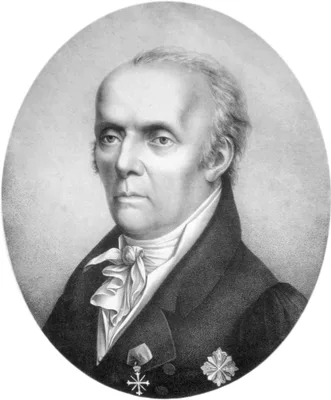
Frank was the first to define diabetes insipidus (pp. 38-67).
1797
#3930
An account of two cases of the diabetes mellitus: With remarks, as they arose during the progress of the cure. To which are added, a general view of the nature of the disease and its appropriate treatment, including observations on some diseases depending on stomach affection; and a detail of the communications received on the subject since the dispersion of the notes on the first case....And some observations on the nature of sugar by William Cruickshank. 2 vols.
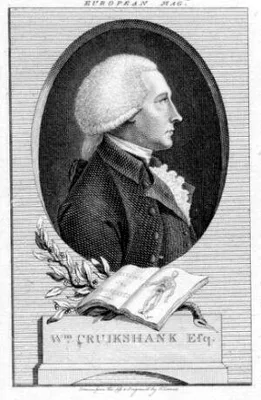
Rollo reported the success of a meat diet in the treatment of diabetes. He was the first to take Matthew Dobson's discovery of glycosuria in diabetes mellitus and apply it to managing metabolism.[He was a pioneer in t…
1815
#3931
Note sur le sucre de diabètes.
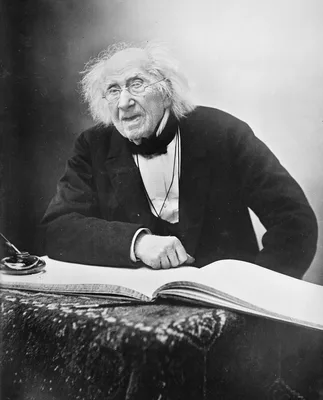
Chevreul proved that the sugar in diabetic urine is glucose.
1841
#3932
Unterscheidung von Gummi, Dextrin, Traubenzucker, und Rohrzucker.
Trommer’s test for glucose in urine.
1850
#3933
Chiens rendus diabétiques.
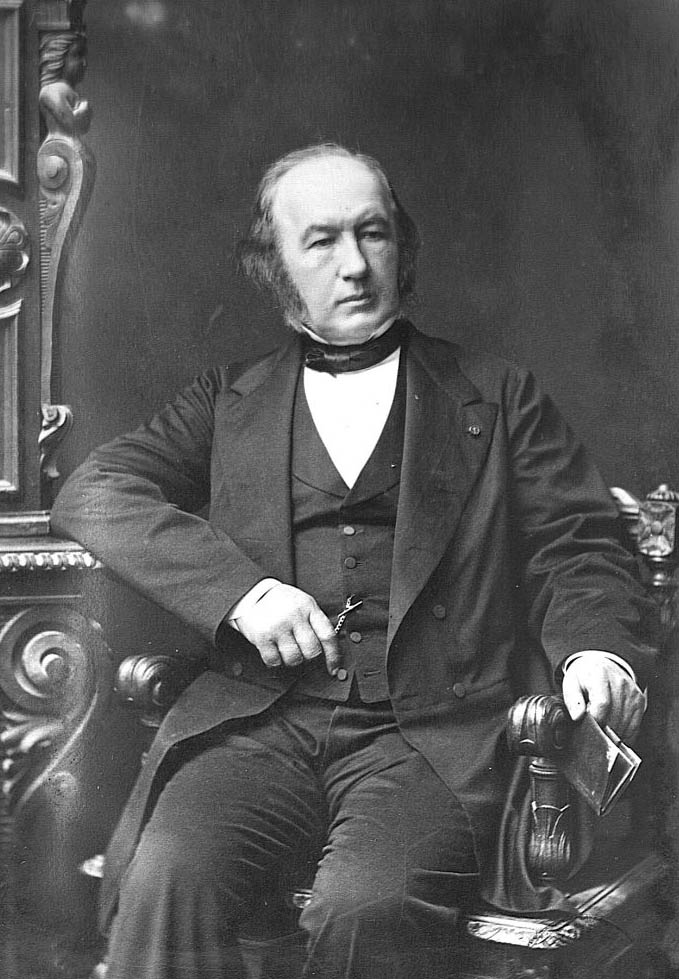
By experimental puncture (piqûre) of the fourth ventricle of the brain, Claude Bernard produced temporary glycosuria.
1856
#3934
Bericht über einige Versuche, um den Ursprung des Harnzuckers bei künstlichem Diabetes zu ermitteln.
Schiffs important experiments on the production of artificial diabetes.
1856
#22
Тα ∑ωζομενα. The extant works of Aretaeus, the Cappadocian. Edited and translated by Francis Adams.
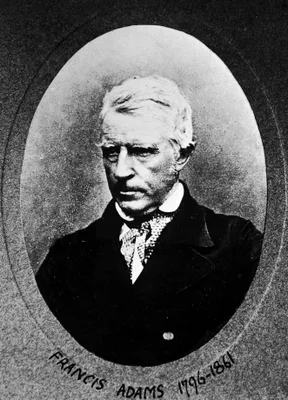
Aretaeus left many fine descriptions of disease; in fact Garrison ranks him second only to Hippocrates in this respect. In the printed editions of this bibliography, before the present online version, the Adams editio…
1857
#3935
Untersuchungen über die Honigharnruhr.
Petters discovered acetone in diabetic urine.
1862
#3936
Researches on the nature and treatment of diabetes
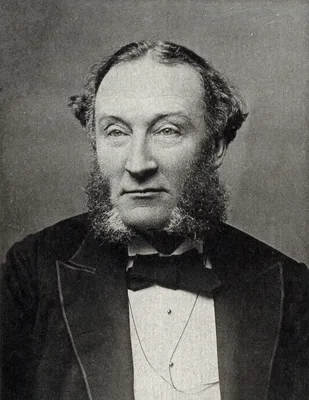
Pavy devoted many years to the study of diabetes. He concluded that there was a definite relationship between the degree of hyperglycemia and glycosuria.
1865
#3937
Diabetes mellitus und Aceton.
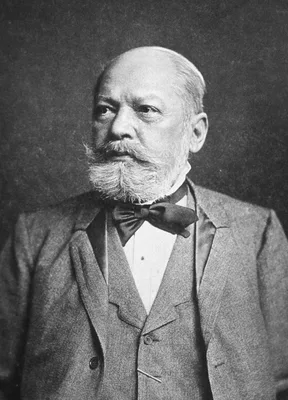
Gerhard’s iron-chloride reaction for aceto-acetic acid in acetonaemic urine.
1869
#3938
Retinitis in glycosuria.
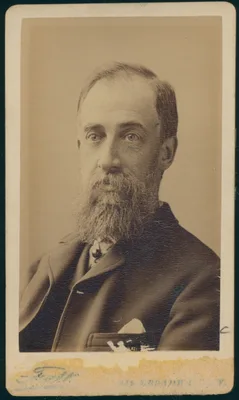
First investigation of retinitis accompanying glycosuria.
1874
#3939
Zur Lehre vom diabetes mellitus.
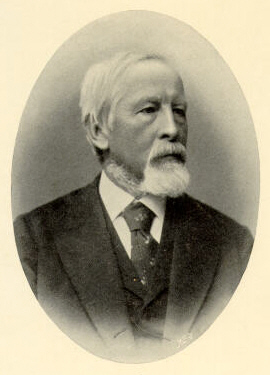
Kussmaul explained diabetic coma as being due to acetonemia. He described the air-hunger (“Kussmaul’s respiration”) present in this condition. Partial English translation in No. 2241.
1875
#3940
De la glycosurie ou diabète sucré; son traitement hygiénique.
Bouchardat used the fermentation test, polariscope and copper solutions for the detection of diabetes; he substituted fresh fats for carbohydrates, advised the avoidance of milk and alcohol, invented gluten bread and …
1875
#3941
Ueber die Erkrankungen des Auges bei Diabetes mellitus.
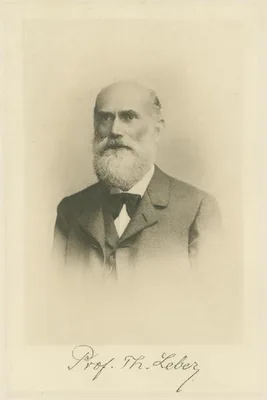
A record of Leber’s important studies on the disorders of the eye in diabetes.
1877
#3942
Leçons sur le diabète et la glycogenèse animale.
Bernard showed that in diabetes there is primarily glycemia followed by glycosuria.
1877
#3943
Notes et reflexions à propos de 2 cas de diabète sucré avec altération du pancreas.
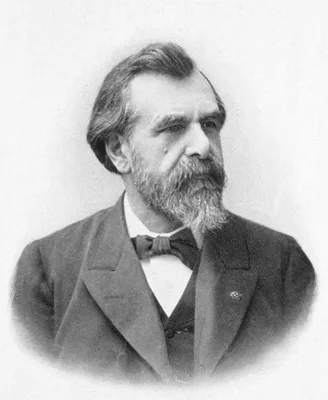
Lancereaux was the first definitely to claim a causal relationship between lesions of the pancreas and diabetes.
1881
#3944
Ueber Drüsenepithelnekrosen beim Diabetes mellitus mit besonderer Berücksichtigung des diabetischen Coma.
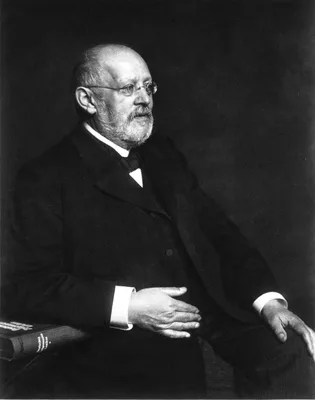
“Ebstein’s disease”, hyaline degeneration and necrosis of the epithelial cells of the renal tubules, sometimes seen in diabetes mellitus.
1883
#3945
Ueber die Ursachen der pathologischen Ammoniakausscheidung beim Diabetes mellitus und des Coma diabeticum.
Stadelmann studied ammonia excretion in diabetes and noted an acid substance in the urine, which Minkowski (No. 3947) showed to be ß-oxybutyric acid. Stadelmann recognized that diabetic coma was the result of the incr…
1884
#3946
Contribution à l’étude du pancreas du lapin. Lésions provoquées par la ligature du canal de Wirsung.
Arnozan and Vaillard showed that blockage of the pancreatic ducts caused atrophy of the pancreas but not diabetes.
1884
#3947
Ueber das Vorkommen von Oxybuttersäure im Harn bei Diabetes mellitus.
Discovery of ß-oxybutyric acid in diabetic urine.
1885
#3948
Ueber Acetonurie und Diaceturie
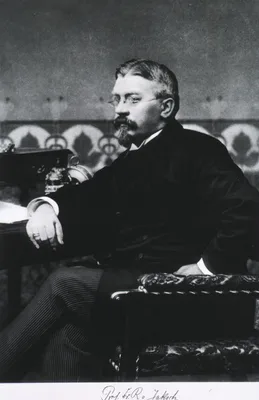
An important investigation concerning acetone in diabetic urine.
1886
#3949
Ueber experimentellen Diabetes.
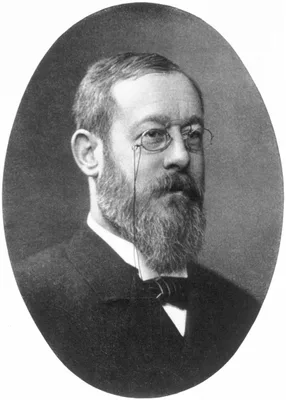
Mering was able to produce experimental diabetes by means of phloridzin.
1890
#3950
Diabetes mellitus nach Pankreasextirpation.
Minkowski produced experimental diabetes by removing the pancreas of a dog. This proof of the role of the pancreas in diabetes was of the first importance; previous experiments on similar lines had attracted attention…
1895
#3951
Die Zuckerkrankheit und ihre Behandlung.
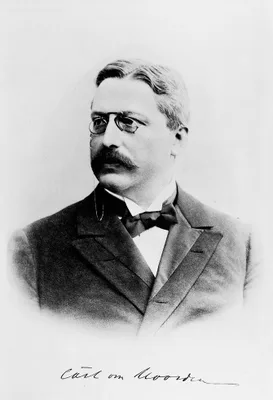
Noorden’s extensive studies on diabetes greatly advanced our knowledge of the subject. He made many observations regarding metabolism in diabetes.
1898
#3952
Der Diabetes mellitus.
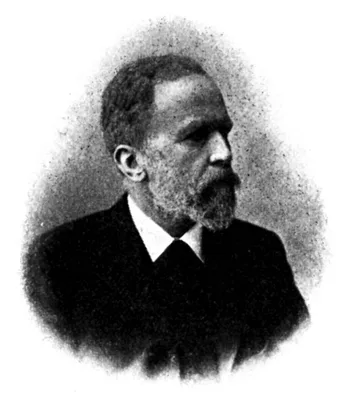
Naunyn devoted his life to the study of metabolism in diabetes and in diseases of the liver and pancreas. This is his most significant work. He was a co-founder of the Archiv für experimentelle Pathologie.
1899
#3953
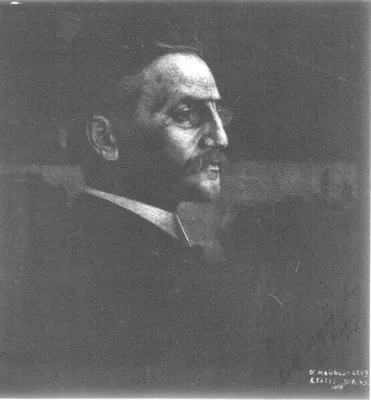
Die Oxybuttersäure und ihre Beziehungen zum Coma diabeticum.
1900 –1901
#3955
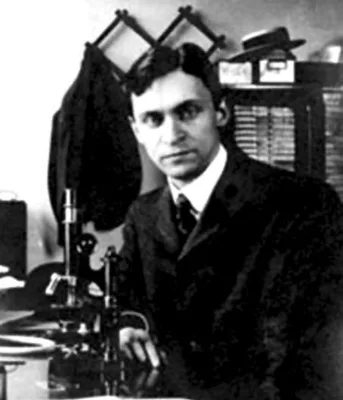
On the relation of chronic interstitial pancreatitis to the islands of Langerhans and to diabetes mellitus.
1900 –1901
#3956
The relation of diabetes mellitus to lesions of the pancreas. Hyaline degeneration of the islands of Langerhans.
Mering and Minkowski had focused attention upon the pancreas as the seat of diabetes, Opie’s work was another important step forward; he established the association between failure of the islets of Langerhans and the …
1901
#3954
Untersuchungen über die Acidosis im Diabetes melitus und die Säureintoxication im Coma diabeticum.
Magnus-Levy studied the relationship of ß-oxybutyric acid and diabetic coma.
1902
#3957
Zur normalen und pathologischen Morphologie der inneren Secretion der Bauchspeicheldrüse. (Die Bedeutung der Langerhans’-schen Inseln.
Sobolew found that ligation of the pancreatic excretory ducts led to atrophy of the acinous tissue, the islets of Langerhans remaining intact.
1905
#3958
Neue Reaktion zum Nachweis von Aceton, samt Vemerkungen über Acetonurie.
Frommer’s test for acetone in urine.
1906
#3959
Morphology and physiology of areas of Langerhans in some vertebrates
Lydia De Witt ligated the pancreatic ducts and obtained extracts from the islets of Langerhans in cats, noting their glycolytic qualities.
1908
#3960
Note on the sodium nitro-prusside reaction for acetone.
Test for acetone bodies in urine
1908
#3961
Ueber Versuche einer specifischen Fermenttherapie des Diabetes.
Zuelzer succeeded in isolating the pancreatic extract which contained what we now know as insulin; serious hypoglycaemic reactions sometimes followed its use, however, and led to its abandonment. Preliminary paper in …
1909
#3962
On the relation of the islands of Langerhans to glycosuria.
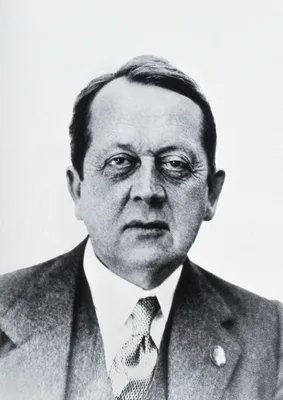
MacCallum suggested a relationship between lesions of the islands of Langerhans and the glycosuria of diabetes.
1909
#3963
Das Koma diabeticum und seine Behandlung.
Magnus-Levy is remembered for his work on the treatment of diabetic coma.
1912
#3896
The pituitary body and its disorders.
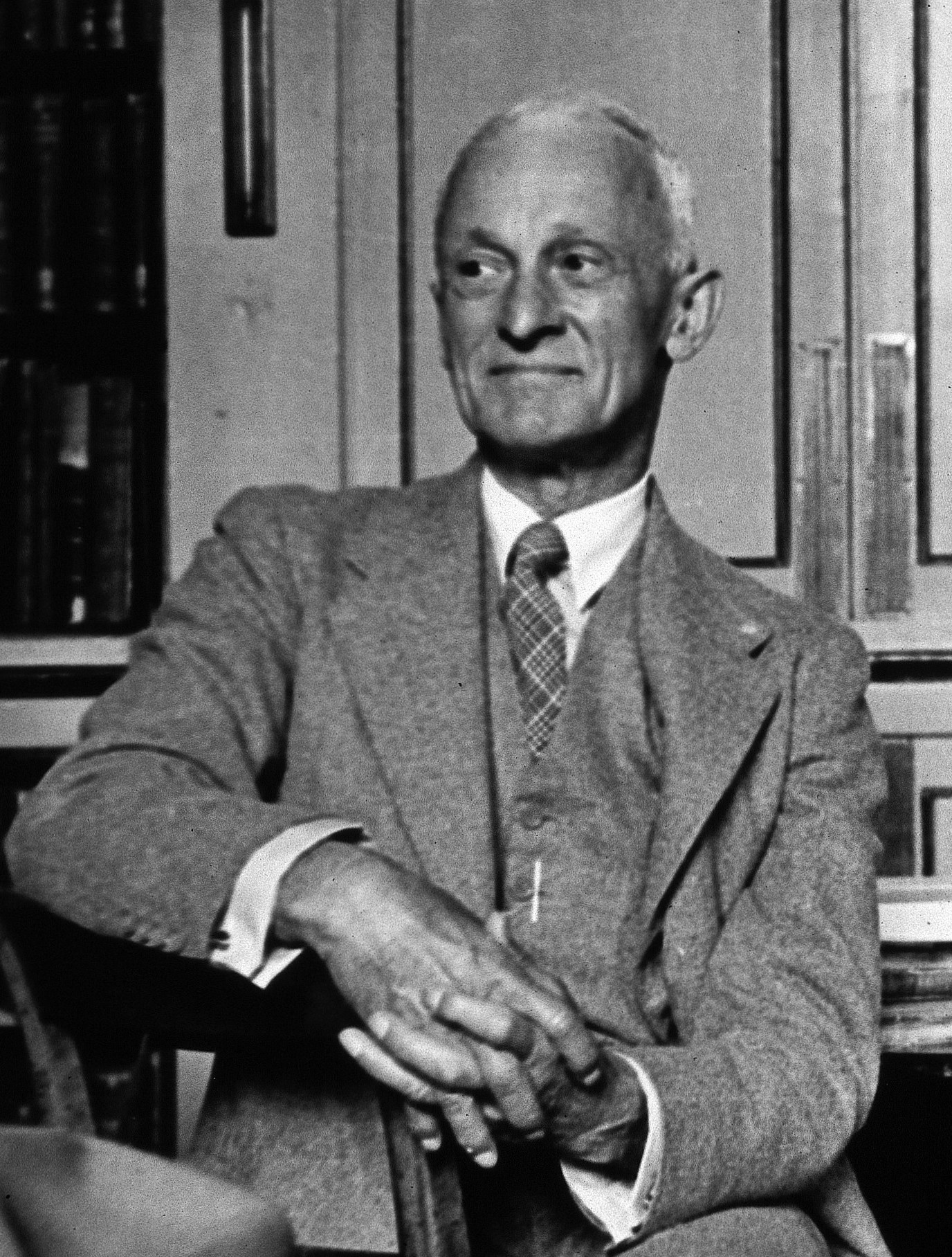
The first clinical monograph on the hypophysis. Cushing, outstanding neurological surgeon of the early 20th century, added much to our knowledge of the pituitary body and its disorders. The above work includes a descr…
1912
#3897
Ueber Beziehungen der Hypophyse zum Diabetes insipidus.
Frank was the first definitely to connect the posterior lobe of the pituitary with diabetes insipidus.
1916
#11820
The treatment of diabetes mellitus, with observations upon the disease based upon one thousand cases.
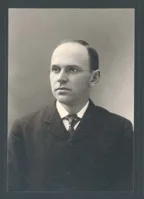
Joslin was the first physician in the United States to specialize in the treatment of diabetes; this was the first textbook on the subject in the English language. The book underwent its 12th edition in 1985. Digital …
1920
#3964
The relation of the islets of Langerhans to diabetes with special reference to cases of pancreatic lithiasis.
Barron confirmed the experimental work of Sobolew. It was whilst reading the above paper that Banting first formulated the hypothesis upon which he based his successful experiments.
1921 –1922
#1205
The internal secretion of the pancreas.
This paper reports the isolation of insulin. An extract from the pancreas of a dog, removed after ligation of the excretory duct, was found to exercise a reducing influence on the percentage of sugar in the blood. Dig…
1921
#3870
La virilisme pilaire et son association à l’insuffisance glycolytique (Diabète des femmes à barbe).
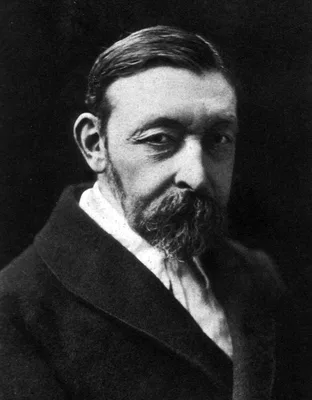
“Achard–Thiers syndrome”. These writers established as a definite syndrome the combination of hirsutism with diabetes.
1921
#3965
Recherches sur le rôle du pancréas dans l’assimilation nutritive.
Paulesco isolated the anti-diabetic hormone of the pancreas before Banting and Best. He named it “pancréine”.
1922
#3966
The internal secretion of the pancreas. (Abstract).
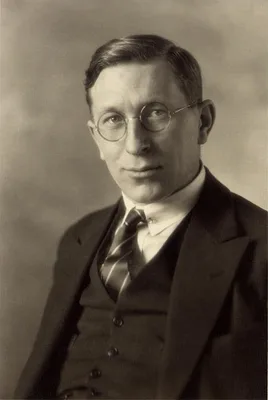
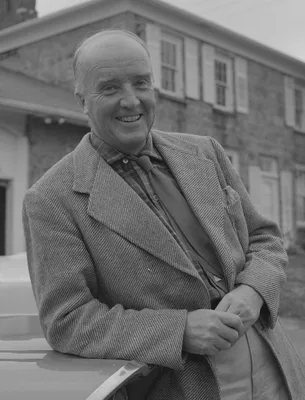
A preliminary one-page communication regarding the isolation of insulin, made to a meeting of the American Physiological Society in December 1921. Digital facsimile from insulin.library.utoronto.ca at this link. In 19…