
Facets
Browse across eight MeSH (opens in new tab) facets — era, geography, science, specialty, technology, history, culture, and reference. Select one tag per group; counts update across the others. What’s new in facet browse how facets relate to subjects and MeSH.
Clear filtersFacet filters
Geography
Specialties & Disease
- Alternative & Fringe Medicine 2
- Anatomy & Pathology 18
- Cardiology & Blood 20
- Dentistry 1
- ENT & Hearing 1
- Epidemiology & Demography 0
- Gastroenterology & Hepatology 10
- General Clinical Medicine 8
- Immunology & Dermatology 14
- Infectious Disease (General) 0
- Internal, Emergency & Geriatric 0
- Microbiology & Virology 13
- Military Medicine 4
- Neurology & Psychiatry 8
- Obstetrics & Reproductive 0
- Oncology & Cancer 14
- Ophthalmology & Vision 5
- Pediatrics 1
- Physiology & Embryology 53
- Plagues & Epidemics 14
- Psychology 0
- Public Health 19
- Pulmonary & Respiratory 19
- Rheumatology, Rehab & Pain 2
- Surgery & Anesthesia 2
- Urology & Nephrology 4
- Veterinary Medicine 0
Social & Historical Studies
Institutions & Culture
Reference & Scholarly Works
Drugs & Technology
14 entries match Oncology & Cancer [C04] · Chemistry & Biochemistry [K01.900.200]
1832
#3762
On some morbid appearances of the absorbent glands and spleen.
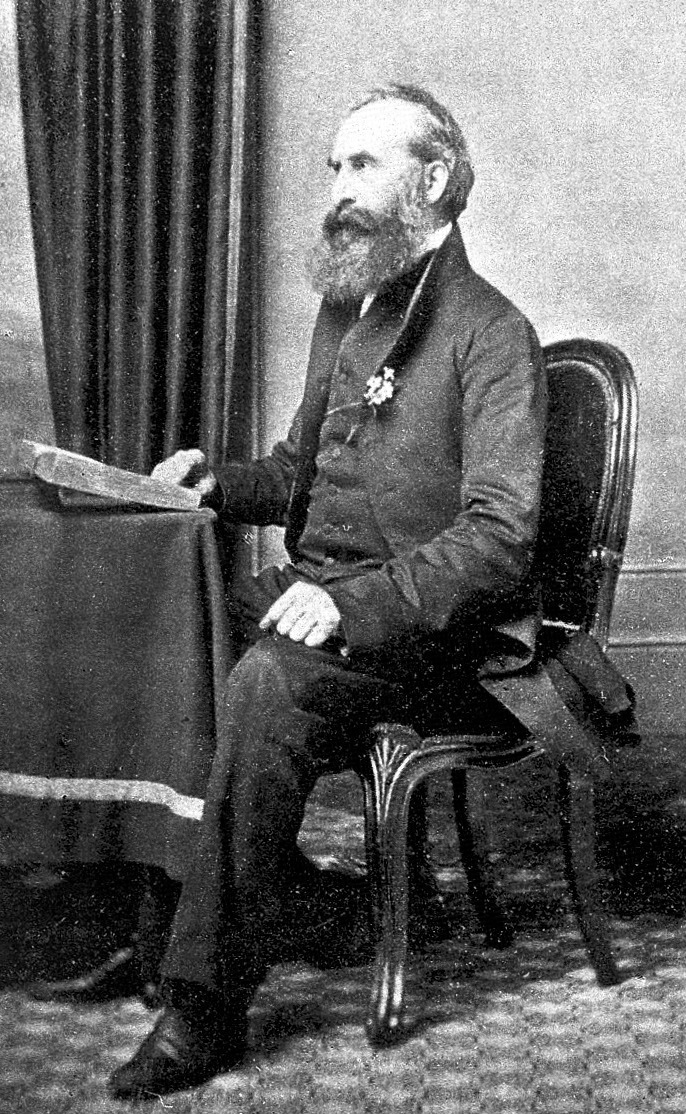
First full description of lymphadenoma, which Wilks in 1865 referred to as “Hodgkin’s disease”. This is more typically designated as Hodgkin's lymphoma. In 1666 Malpighi had vaguely outlined the condition. Hodgkin was…
1856
#3764
Cases of a peculiar enlargement of the lymphatic glands frequently associated with disease of the spleen.
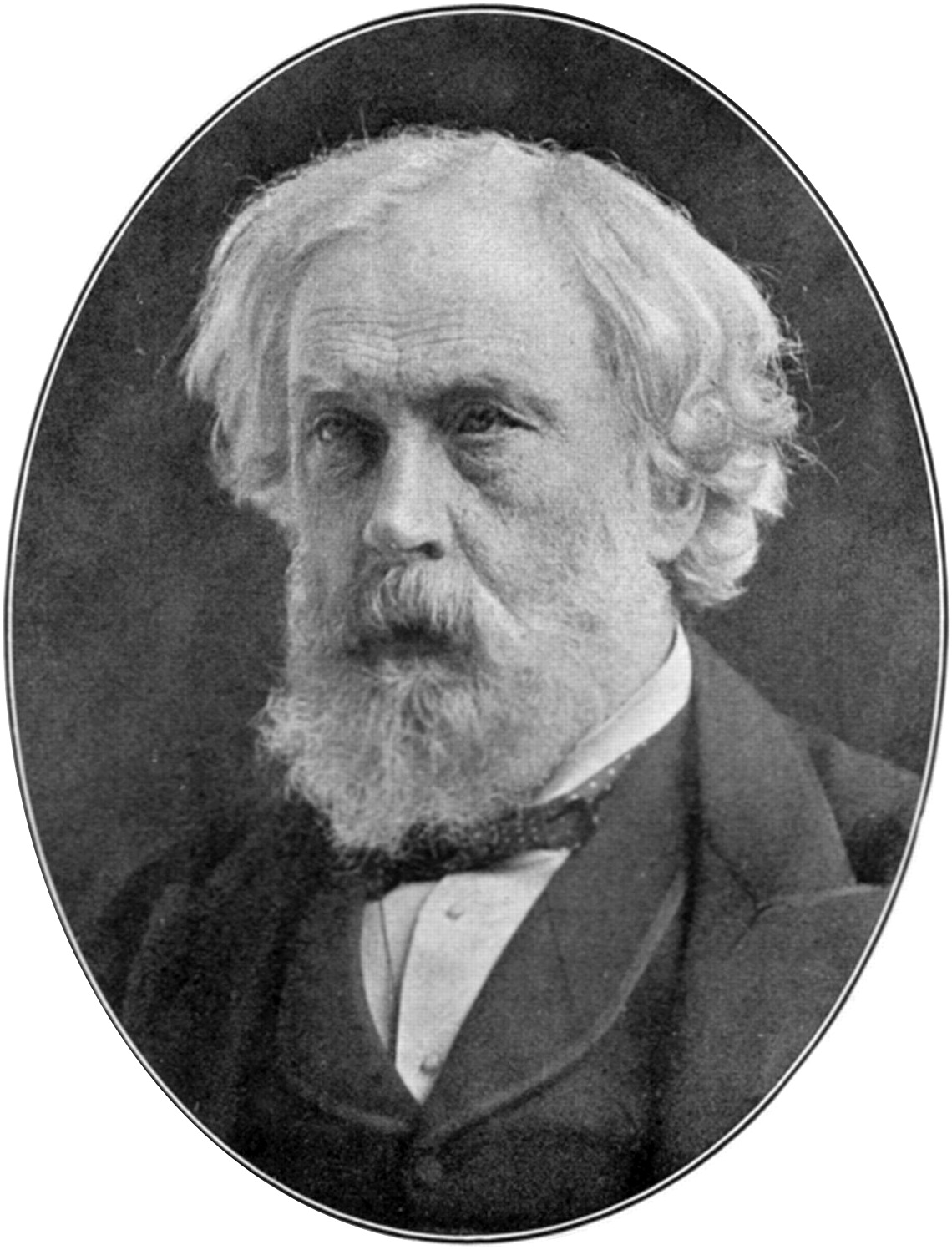
Wilks really put Hodgkin’s disease “on the map”; the second paper for the first time attached Hodgkin’s name to the disease
1872
#3767
Das maligne Lymphosarkom (Pseudoleukämie).
Langhans noted the presence of giant cells in the lesions of Hodgkin’s disease.
1878
#3768
Specimens illustrative of the pathology of lymphadenoma and leucocythemia
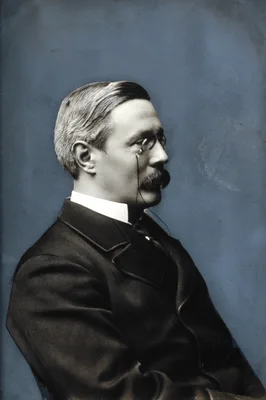
Greenfield also drew attention to the giant cells in lymphadenoma, which later became known as “Dorothy Reed’s giant cells” (see No. 3780).
1892
#3772
Clinical lecture on acute Hodgkin’s disease
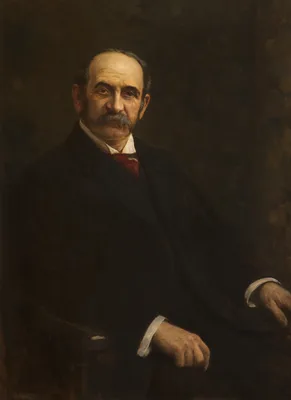
Dreschfeld preceded Kundrat in differentiating Hodgkin’s disease and lymphosarcoma.
1893
#2623
Ueber Lympho-Sarkomatosis.
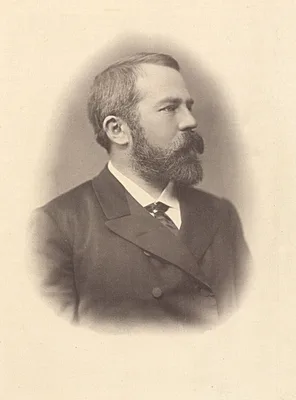
Kundrat separated lymphosarcoma (“Kundrat’s disease”) from other malignant tumors involving the lymphatic system.
1897
#3775
Lymphosarkom (Lymphosarkomatose, Pseudoleukämie, Myelom, Chlorom).
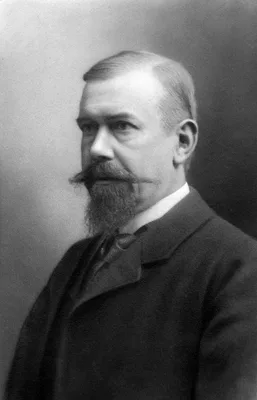
“Paltauf-Sternberg disease” (see also No. 3776). On the European Continent the name “Hodgkin-Paltauf-Sternberg disease” is in use.
1898
#2003
Sur une substance nouvelle radio-active, contenue dans la pechblende.
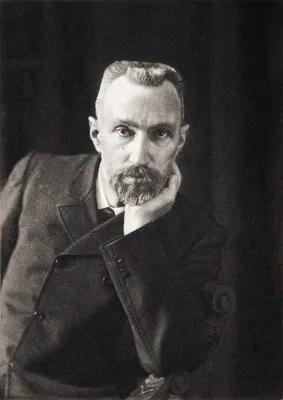
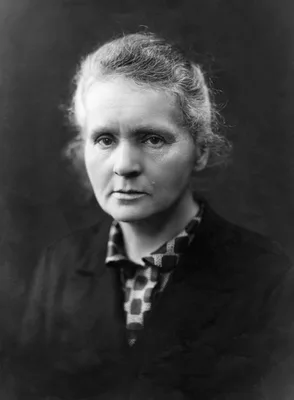
The Curies, studying the radioactivity of minerals containing uranium and thorium, isolated from pitchblend a substance which they called radium and which they showed to possess an astonishing degree of radioactivity.…
1898
#3776
Ueber eine eigenartige, unter dem Bilde der Pseudoleukämie verlaufende Tuberkulose des lymphatischen Apparates.
In his classic description of lymphadenoma, Sternberg separated it from aleukemic leukemia, with which it had hitherto been included.
1939
#3787.2
Radiotherapy in Hodgkin’s disease (malignant granulomatosis). Anatomic and clinical foundations; governing principles; results.
Gilbert was among the first to achieve durable responses to radiotherapy in Hodgkin’s disease.
1945
#2659.4
The synchrotron: a proposed high energy particle accelerator.
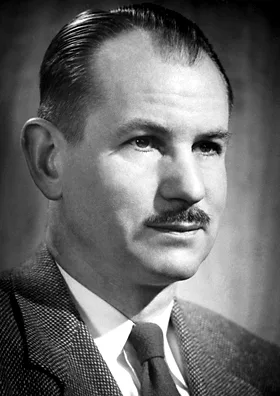
In 1951 McMillan shared the Nobel Prize in Chemistry with Glenn Theodore Seaborg "for their discoveries in the chemistry of the transuranium elements."
1946
#3788
The biological actions and therapeutic applications of the ß-chloroethyl amines and sulfides.
Introduction of nitrogen mustard in treatment of Hodgkin’s disease
1950
#3788.1
Triethylene melamine in the treatment of Hodgkin’s disease and allied neoplasms
With D. A. Karnofsky, J. H. Burchenal, and L. F. Craver.
1963
#2660.16
The Vinca alkaloids: a new class of oncolytic agents.
Clinical use of vinblastine (for Hodgkin’s disease and other lymphomas) and vincristine (for acute leukemias of childhood). With J. G. Armstrong, M. Gorman, and J. P. Burnett. Preliminary communication in J. Lab. clin…