
Facets
Browse across eight MeSH (opens in new tab) facets — era, geography, science, specialty, technology, history, culture, and reference. Select one tag per group; counts update across the others. What’s new in facet browse how facets relate to subjects and MeSH.
Clear filtersFacet filters
Geography
Specialties & Disease
- Alternative & Fringe Medicine 383
- Anatomy & Pathology 765
- Cardiology & Blood 914
- Dentistry 259
- ENT & Hearing 293
- Epidemiology & Demography 397
- Gastroenterology & Hepatology 316
- General Clinical Medicine 487
- Immunology & Dermatology 1,075
- Infectious Disease (General) 147
- Internal, Emergency & Geriatric 123
- Microbiology & Virology 1,080
- Military Medicine 436
- Neurology & Psychiatry 1,258
- Obstetrics & Reproductive 551
- Oncology & Cancer 377
- Ophthalmology & Vision 412
- Pediatrics 247
- Physiology & Embryology 924
- Plagues & Epidemics 1,279
- Psychology 202
- Public Health 1,129
- Pulmonary & Respiratory 233
- Rheumatology, Rehab & Pain 189
- Surgery & Anesthesia 1,553
- Urology & Nephrology 309
- Veterinary Medicine 165
Social & Historical Studies
Institutions & Culture
Reference & Scholarly Works
377 entries match Oncology & Cancer [C04]
1963
#2660.14
Evidence that the L-asparaginase of guinea pig serum is responsible for its antilymphoma effects.
1963
#2660.15
Pre-therapeutic experiments with the fast neutron beam from the Medical Research Council cyclotron. A symposium.
1963
#2660.16
The Vinca alkaloids: a new class of oncolytic agents.
Clinical use of vinblastine (for Hodgkin’s disease and other lymphomas) and vincristine (for acute leukemias of childhood). With J. G. Armstrong, M. Gorman, and J. P. Burnett. Preliminary communication in J. Lab. clin…
1964
#2660.17
Cultivation in vitro of human lymphoblasts from Burkitt’s malignant lymphoma.
Order of authorship in the original publication: Epstein, Barr. Discovery of the Epstein-Barr virus, a human herpes virus causing infectious mononucleosis, and implicated in Burkitt’s lymphoma and other forms of cance…
1964
#2660.18
Virus particles in cultured lymphoblasts from Burkitt’s lymphoma.
Order of authorship in the original publication: Epstein, Achong, Barr. Presence of herpes-like virus particles in Burkitt’s tumor cells reported. The Epstein-Barr virus was the first human cancer-causing virus to be …
1964
#2660.19
Cytology of Burkitt’s tumour (African lymphoma).
1964
#7385
Smoking and health: report of the Advisory Committee to the Surgeon General of the Public Health Service.
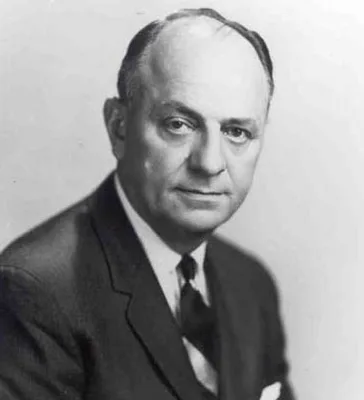
Definitive 386-page throughly documented study of the carcinogenic and pulmonologic effects of smoking, and the addictive aspects of nicotine. It was published under the supervision of Surgeon-General Luther Terry. Di…
1965 –1977
#2660.21
Statistical studies in the aetiology of malignant neoplasms. 5 vols.
Acta path. microbiol. scand., Suppl. 174 (Pts. 1-2), 209, 247, 261.
1965
#7790
Mortality from cancer and other causes after radiotherapy for ankylosing spondylitis.
1967
#12662
Herpes-type virus and chromosome marker in normal leukocytes after growth with irradiated Burkitt cells.
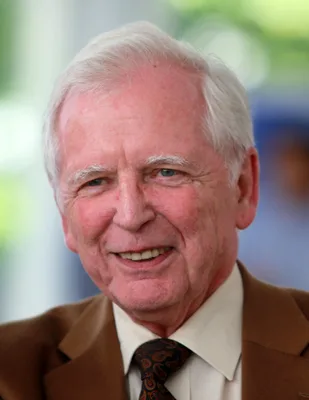
Hausen and colleagues showed for the first time that a cancer virus (Epstein-Barr virus) can transform healthy cells (lymphocytes) into cancer cells. This showed that viruses can cause cancer cell formation. (Order of…
1968
#3108.9
Arabinosyl cytosine: A useful agent in the treatment of acute leukemia in adults.
Cytosine arabinoside. With J. P. Holland, M. Weil, et al.
1968
#6840
Particles associated with Australia antigen in the sera of patients with leukemia, Down's syndrome and hepatitis.
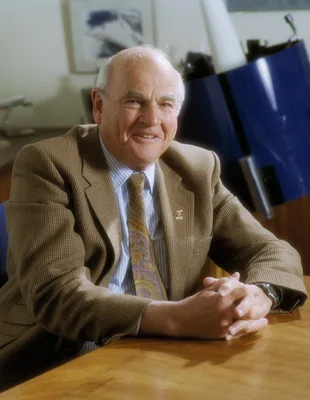
Particles with the appearance of a virus were detected by electron microscopy in the serum of individuals with Au. These were subsequently shown to be the surface antigen particles, different from the whole virus part…
1969
#2662.2
Bibliographic control of the literature of oncology 1800-1960.
Includes a short, well-documented history.
1970
#2660.22
Viral RNA-dependent DNA polymerase: RNA-dependent DNA polymerase in virions of RNA tumour viruses.
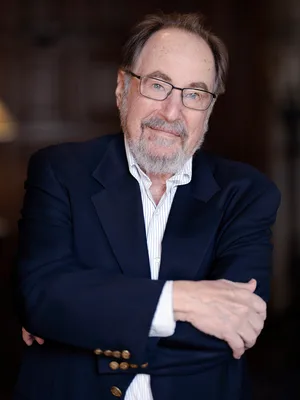
In 1970 Baltimore and Temin discovered that certain viruses that have their genes in the form of RNA can copy the RNA "backward" into DNA in infected cells. The enyzme, reverse transcriptase, enables the manufacture o…
1970
#2660.23
RNA-dependent DNA polymerase in virions of Rous sarcoma virus.
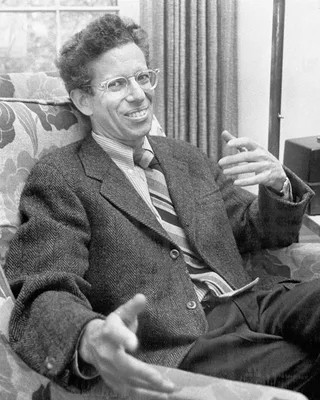
Discovery of reverse transcriptase. "In 1969, Temin and a postdoctoral fellow, Satoshi Mizutani, began searching for the enzyme that was responsible for the phenomenon of viral RNA being transferred into proviral DNA.…
1970
#2660.24
Combination chemotherapy in the treatment of advanced Hodgkin’s disease.
Combination chemotherapy with nitrogen mustard (mustine hydrochloride), vincristine sulphate, procarbazine hydrochloride and prednisone, introduced in 1964 for the treatment of advanced Hodgkin’s disease. With A. A. S…
1970
#2660.26
Field trials with an attentuated cell associated vaccine for Marek's disease.
In 1959 Biggs moved to the Houghton Poultry Research Station (HPRS) to form and head a unit to study lymphoid tumor conditions of the domestic fowl. He gave the name Marek’s disease to one of the tumor conditions, aft…
1970
#7325
Thickness, cross-sectional areas and depth of invasion in the prognosis of cutaneous melanoma.
Classic paper on the prognosis of melanoma. Digital facsimile available from PubMedCentral at this link.
1970
#7761
Low dose radiation and cancer.
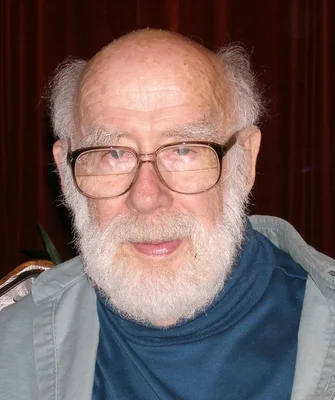
This paper, delivered at the 1969 Nuclear Science Symposium and Nuclear Power Systems Engineering Symposium, October, 1969, provided powerful scientific evidence that the then currently allowable radiation dose (Feder…
1970
#7783
Radiation dose effects in relation to obstetric X-rays and childhood cancers.
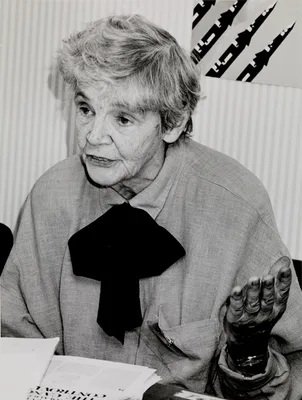
In this study of ten million children Stewart and Kneale showed that obstetric X-rays significantly increased the rate of childhood leukemia and cancer.
1970
#12306
Chronic liver disease and primary liver-cell cancer with hepatitis-associated (Australia) antigen in serum.
(Order of authorship in the original publication: Sherlock, Niazi, Fox...). The authors demonstrated that the hepatitis B virus can cause cancer. (Thanks to Juan Weiss for this reference and its interpretation.)
1971
#13397
Tumor angiogenesis: Therapeutic implications.
Folkman reported that solid tumors are angiogenesis-dependent. He hypothesized that there was an unknown "factor" that tumors secreted to help increase their blood supply, and that if that factor could be blocked, tum…
1971
#13398
Isolation of a tumor fraction responsible for angiogenesis.
Isolation of the first angiogenic tumor factor. Digital text from PubMedCentral at this link.
1971
#13964
Mutation and cancer: Statistical study of retinoblastoma.
In this paper Knudson first described his "two-hit hypothesis," also known as the "Knudson hypothesis," which explains the incidence of hereditary cancers, such as retinoblastoma. "Humans inherit two copies of every g…
1973
#2660.25
Malignant lymphoma in cottontop marmosets after inoculation with Epstein–Barr virus.
Epstein-Barr virus as a cause of Burkitt’s lymphoma. With D. DeChairo and G. Miller.
1975
#2660.27
From the molecular biology of oncogenic DNA viruses to cancer. Les Prix Nobel en 1975, pp. 172-80.
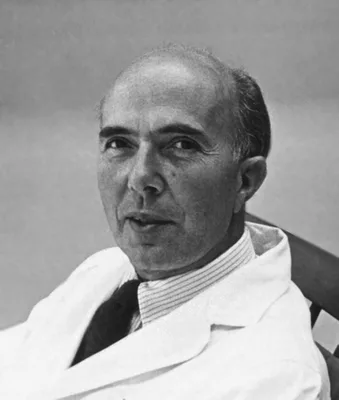
In 1975 Dulbecco shared the Nobel Prize in Physiology or Medicine with David Baltimore and Howard Martin Temin "for their discoveries concerning the interaction between tumour viruses and the genetic material of the c…
1976
#2660.28
DNA related to the transforming gene(s) of avian sarcoma viruses is present in normal avian DNA.
Discovery of the first “oncogene. In 1989 Varmus and Bishop shared the Nobel Prize for in Physiology or Medicine "for their discovery of the cellular origin of retroviral oncogenes."
1977
#2662.3
Contrary to nature. Being an illustrated commentary on some persons and events of historical importance in the development of knowledge concerning cancer.
1978
#2662.4
The genesis of cancer. A study in the history of ideas.
1978
#11440
Chemosurgery: Microscopically controlled surgery for skin cancer.
Mohs surgery for common types of skin cancer.
1979
#14007
Characterization of a 54K Dalton cellular SV40 tumor antigen present in SV40 transformed cells and uninfected embryonal carcinoma cells.
Levine discovered the tumor suppressor protein p53, also known as Tumor protein P53. Because it prevents cancer formation TP 53 is classified as a tumor suppressor gene. The discovery was completed in 1989 and recorde…
1980
#11057
Detection and isolation of type C retrovirus particles from fresh and cultured lymphocytes of a patient with cutaneous T-cell lymphoma.
Order of authorship in the original publication: Poiesz, Ruscetti,... Gallo. Gallo and associates announced the discovery of a human retrovirus with type C morphology causing a cutaneous T-cell lymphoma. Gallo named t…
1980
#13985
Transforming gene product of Rous sarcoma virus phosphorylates tyrosine.
Tony Hunter discovered that tyrosine phosphorylation is a fundamental mechanism for transmembrane-signal transduction in response to growth factor stimulation, and that disregulation of such tyrosine phosphorylation, …
1981
#6995
Kaposi's sarcoma and pneumocystis pneumonia among homosexual men--New York City and California.
The second published report on what later became the AIDS epidemic. The report described 26 homosexual men in New York and California with Kaposi's sarcoma, and 10 more Pneumocystis carinii pneumonia (PCP) cases in ho…
1981
#7760
Radiation and human health.
The first comprehensive book summarizing the evidence relating low-level ionizing radiation to cancer and other diseases.
1982
#11058
A new subtype of human T-cell leukemia virus (HTLV-II) associated with a T-cell variant of hairy cell leukemia.
Order of authorship in the original publication: Kalyanaraman, Sarngadharan,... Gallo. Discovery by Gallo of HTLV-II, which like HTLV-I, is carcinogenic. (Thanks to Juan Weiss for this entry and its interpretation.)
1983
#7871
A short history of breast cancer.
1983
#11814
U.S. cancer mortality rates and trends, 1950-1979. 4 vols.
Riggan supervised this long-term project of calculating and publishing cancer mortality rates and trends for every county in the United States over several decades. The last 30 of the 40 years of the underlying data b…
1983
#12663
A papillomavirus DNA from a cervical carcinoma and its prevalence in cancer biopsy samples from different geographic regions,
Zur Hausen and colleageus identified HPV 16 DNA in cervical cancer tumors by Southern blot hybridization. Digital facsimile from PubMedCentral at this link.
1984
#12664
A new type of papillomavirus DNA, its presence in genital cancer biopsies and in cell lines derived from cervical cancer.
Zur Hausen and colleagues discovered HPV18 as a cause of cervical cancer. With the discovery of HPV18, and HPV16, which zur Hausen and team discovered in 1983, zur Hausen discovered the viruses causing about 75% of hu…
1986
#13974
A human DNA segment with properties of the gene that predisposes to retinoblastoma and osteosarcoma.

Isolation of the first human tumor suppressor gene. Order of authorship in the original publication: Friend, Bernards, Rogeli, Weinberg, Rapaport, Albert, Dryja.
1988
#10452
A history of the Imperial Cancer Research Fund 1902-1986.
"The author takes a broad perspective and provides a comparative framework by discussing the changing relationship between the ICRF and the medical profession, government, and other charities, notably the Cancer Resea…
1989
#8735
The history of cancer: An annotated bibliography.
1989
#10340
Cancer mapping, edited by Peter Boyle, Calum S. Muir, and Ekkehard Grundmann.
The first chapter, by G. M. Howe is "Historical evolution of disease mapping in general and specifically of cancer mapping." The book as a whole discusses the wide range of cancer maps and atlases in U.S., Europe and …
1990
#2662.5
The theory and practice on oncology. Historical evolution and present principles.
1990
#13966
Linkage of early-onset familial breast cancer to Chromosome 17q21.
King showed that breast cancer can be inherited due to mutations in the Breast cancer type 1 susceptibility protein, a protein that in humans is encoded by the BRAC1 gene. BRCA1 is a human tumor suppressor gene (also …
1991
#8650
Milestones in leukemia research and therapy.
Freireich was part of the team that first introduced combined-drug cancer chemotherapy in 1965.
1992
#11354
Naissance d'un fléau: Histoire de la lutte contre le cancer en France (1890-1940).
Translated in English by David Madell (excluding the notes) as The fight against cancer France 1890-1940. London & New York: Routledge, 2002.
1993
#7182
Radiological oncologists: The unfolding of a medical specialty.
1994
#10880
Identification of herpesvirus-like DNA sequences in AIDS-associated Kaposi's sarcoma.
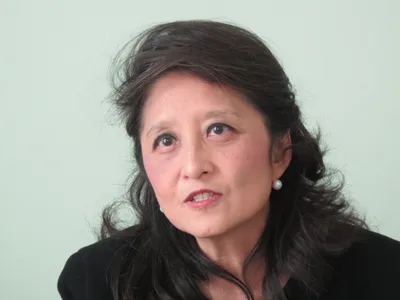
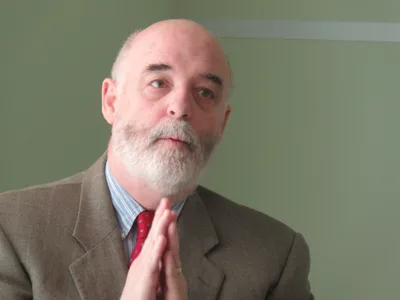
Dated December 16, 1994. Order of authorship in the original paper was Chang, Cesarman, Pessin,...Moore. The authors reported a new human herpesvirus associated with Kaposi's sarcoma, and gave it the descriptive name …