
Facets
Browse across eight MeSH (opens in new tab) facets — era, geography, science, specialty, technology, history, culture, and reference. Select one tag per group; counts update across the others. What’s new in facet browse how facets relate to subjects and MeSH.
Clear filtersFacet filters
Geography
Specialties & Disease
- Anatomy & Pathology 765
- Cardiology & Blood 914
- Neurology & Psychiatry 1,258
- Obstetrics & Reproductive 551
- Infectious Disease (General) 147
- Surgery & Anesthesia 1,553
- Public Health 1,129
- Immunology & Dermatology 1,405
- General Clinical Medicine 487
- Military Medicine 436
- Psychology 202
- Alternative & Fringe Medicine 383
- Pediatrics 247
- Ophthalmology & Vision 412
- ENT & Hearing 293
- Urology & Nephrology 309
- Gastroenterology & Hepatology 316
- Pulmonary & Respiratory 233
- Rheumatology, Rehab & Pain 189
- Internal, Emergency & Geriatric 123
- Veterinary Medicine 165
- Epidemiology & Demography 397
- Physiology & Embryology 924
- Dentistry 259
- Plagues & Epidemics 1,279
- Microbiology & Virology 1,080
Social & Historical Studies
Institutions & Culture
Reference & Scholarly Works
1,080 entries match Microbiology & Virology [C01.748]
1886
#5427
The life-history of the micro-organisms associated with variola and vaccinia. An abstract of results obtained from a study of smallpox and vaccination in the surgical laboratory of the University of Edinburgh.
The “Paschen elementary bodies” (No. 5430) were first recognized and demonstrated by Buist. Republished as an appendix to his Vaccinia and variola, London, 1887.
1886
#5239
Sull infezione malarica.
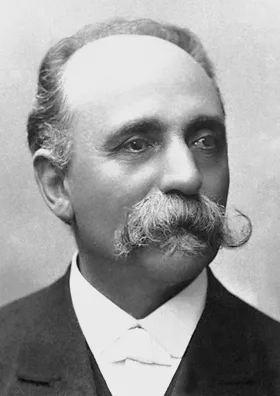
Description of the development of the parasite of quartan malaria. Golgi differentiated the tertian and quartan parasites by the periods of their respective developments.
1887
#4678
Ueber die Aetiologie der akuten Meningitis cerebro-spinalis.
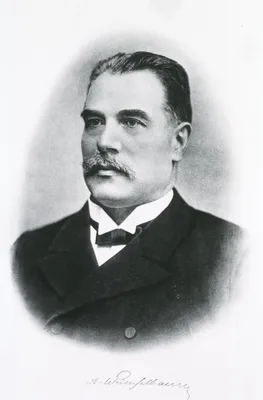
Weichselbaum discovered the meningococcus, Neisseria meningitidis, causative agent of cerebrospinal meningitis.
1887
#2505.1
Eine kleine Modification des Koch’schen Plattenverfahrens.
Petri dish. A similar dish was described by Cornil and Babès (see No. 2501) and by Nicati and Rietsch, Arch. Physiol. norm. path., 1885, 6, 72. Petri was an assistant of Koch.
1887
#2579
Vorlesungen über die geschichtliche Entwickelung der Lehre von den Bacterien. Teil l.[All published].
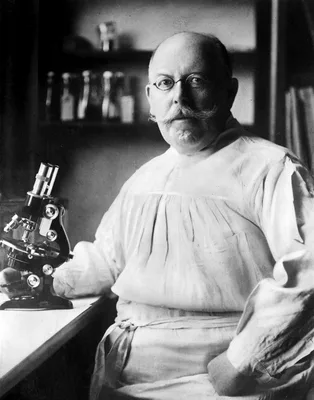
Loeffler, Professor of Hygiene at Greifswald, made many discoveries in bacteriology. His history of the subject was the first and only history of bacteriology prior to the publication of Bulloch's History of bacteriol…
1887
#5098
Note on the discovery of a micro-organism in Malta fever.
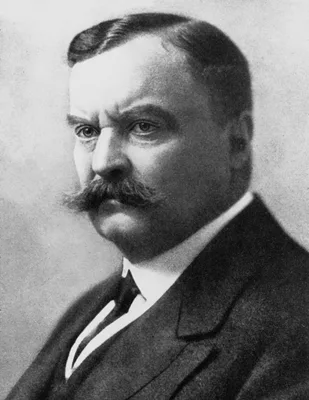
Malta fever was shown by Bruce to be due to Micrococcus (Brucella) melitensis. The disease was later named Brucellosis.
1887
#5186.1
O úplavici. Předběžné sđělení.
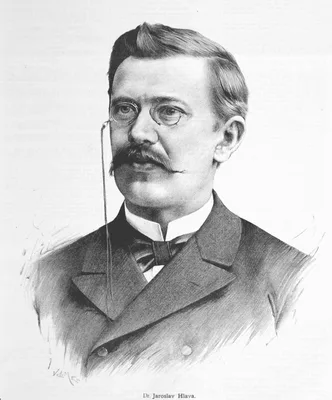
Hlava induced experimental amoebiasis in cats by intrarectal inoculation of stools. In an abstract of this paper Kartulis confused the author’s name with that of the title, a mistake copied by writers for many years; …
1887
#10596
Photography of bacteria. Illustrated with eight-six photographs reproduced in autotype.
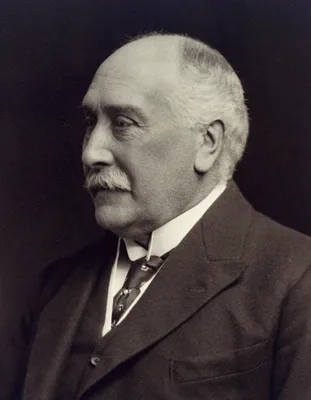
The first book entirely devoted to the photography of bacteria. Digital facsimile from Google Books at this link.
1887
#12039
Hydrophobia: An account of M. Pasteur's system containing a translation of all his communications on the subject, the technique of his method, and the latest statistical results
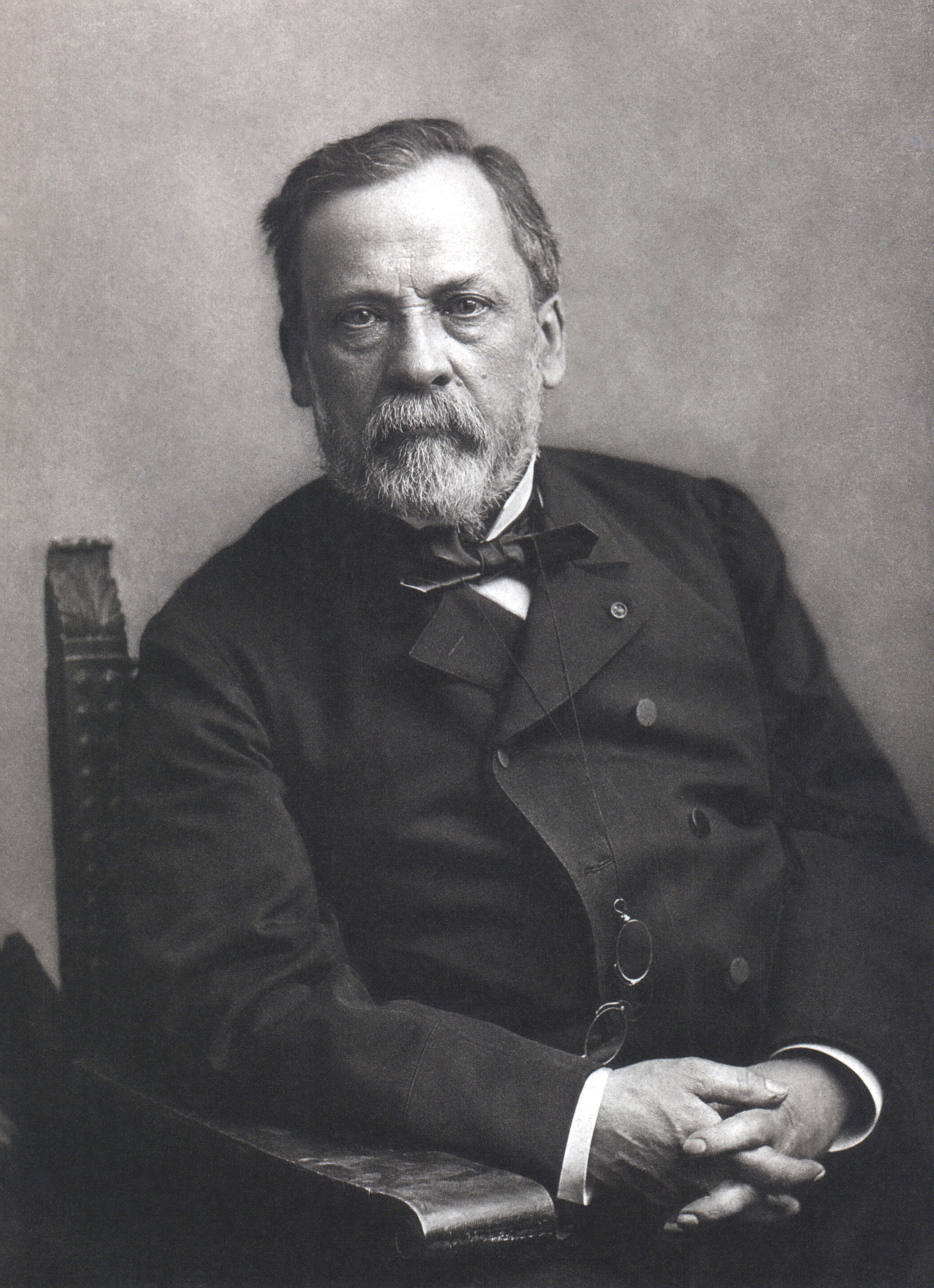
The author, qualified M.D. in both Edinburgh and Paris, characterized himself on the title page of this work as "Commissioned by the Government of the Colony of Mauritius to study M. Pasteur's new treatment in Paris."…
1888
#2506
Ueber die Fleischvergiftung in Frankenhausen. a.K. und den Erreger derselben.
Discovery of Salmonella enteritidis, a cause of food poisoning.
1888
#2542
Experimente über die bacterienfeindlichen Einflüsse des thierischen Körpers.
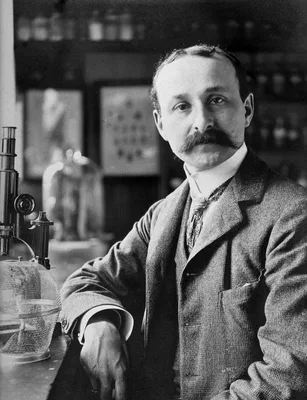
Working with the defibrinated blood of certain animals, Nuttall was the first to describe the bactericidal action of blood. Abridged English translation in Bibel, Milestones in immunology (1988).
1888
#5033
Untersuchungen über Typhus abdominalis.
Salmonella typhi first demonstrated in the gall-bladder in cases of typhoid.
1888
#5034
De l’immunité contre le virus de la fièvre typhoöde conférée par des substances solubles.
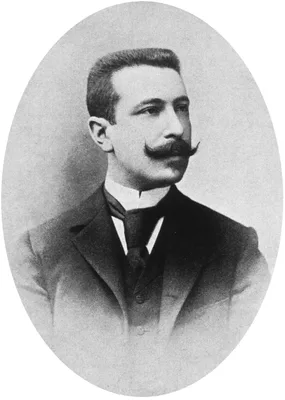
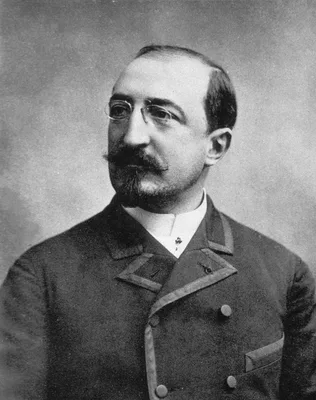
Experimental antityphoid inoculation.
1888
#5090.1
Sur les microbes de la dysentérie épidémique.
The dysentery bacillus was isolated by Chantemesse and Widal, although they failed to establish its etiological relationship to the disease.
1888
#5512.1
Note sur la maladie des boeufs de la Guadeloupe, connue sous le nom de farcin.
The first pathogenic aerobic actinomycete to be described. It was later named Nocardia farcinica and is probably identical with N. asteroides.
1888
#5323
Note on the occurrence of a minute blood-spirillum in an Indian rat.
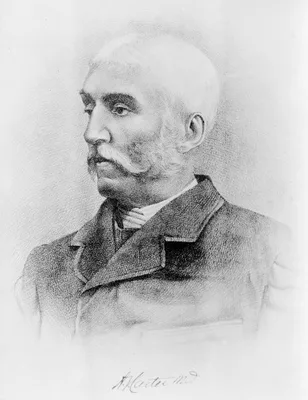
Demonstration of Spirillum minus, later shown to be a cause of rat-bite fever. (See also No. 5327).
1889
#1932.2
Bakteriolytische Enzyme als Ursache der erworbenen Immunität und die Heilung von Infectionskrankheiten durch dieselben.
Emmerich and Löw prepared a water-soluble antibiotic substance, pyocyanase, from Pseudomonas pyocanea. It inhibited pathogenic cocci and the organisms responsible for diphtheria, plague, cholera, and typhoid.
1889
#2543
Ueber die bakterientödtende Wirkung des zellenfreien Blutserums.
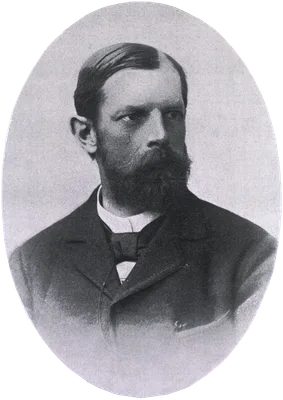
Following Nuttall’s work, Buchner discovered a substance in blood serum that was capable of destroying bacteria. He called the substance "alexin". He demonstrated that the bactericidal power of defibrinated blood was …
1889
#5149
Ueber den Tetanusbacillus.
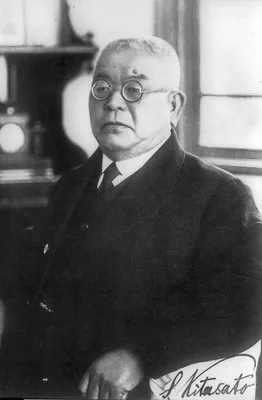
Kitasato obtained a pure culture of the tetanus bacillus, Cl. tetani.
1889
#5157
Sur un moyen de diagnostic rapide de la morve.
Straus reaction for the diagnosis of glanders.
1889
#5486
Drüsenfieber.
“Pfeiffer’s disease”. He is sometimes credited with the original description of infectious mononucleosis, ascribed to Filatov. Pfeiffer’s paper is a most comprehensive discussion of the clinical aspects of the disease.
1889
#5205
Il virus dell’ ulcera venerea.
Announcement of the discovery of Haemophilus ducreyi (Ducrey’s bacillus), causal organism in chancroid.
1889
#5240
Sul ciclo evolutivo dei parassiti malarica nella febbre terzana.
Golgi showed that the parasite of quartan differs from that of tertian malarial fever. English translation in Kean (No. 2268.1).
1889
#10786
Antibiose et symbiose.
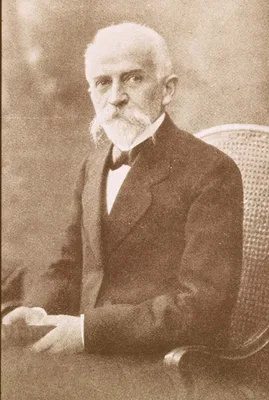
Villemin coined the term antibiosis and advanced the term from an evolutionary viewpoint. Though he presented the concept Villemin did not apply this concept to fight disease. (Thanks to Juan Weiss for this reference.)
1889
#10885
Preliminary observations on the microorganism of Texas fever.
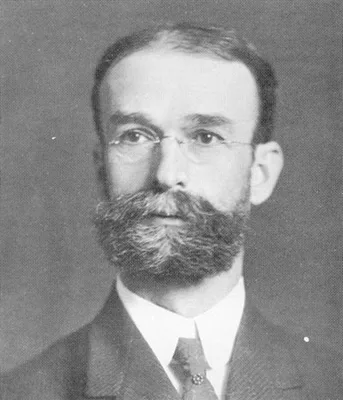
First report on the discovery of a Babesia, cause of Babesiosis. Smith first observed the microscopic organism in the summer of 1886, but mentioned Babes's work in this paper, perhaps resulting in Babes being credited…
1890
#2332
Weitere Mittheilungen über ein Heilmittel gegen Tuberkulose.
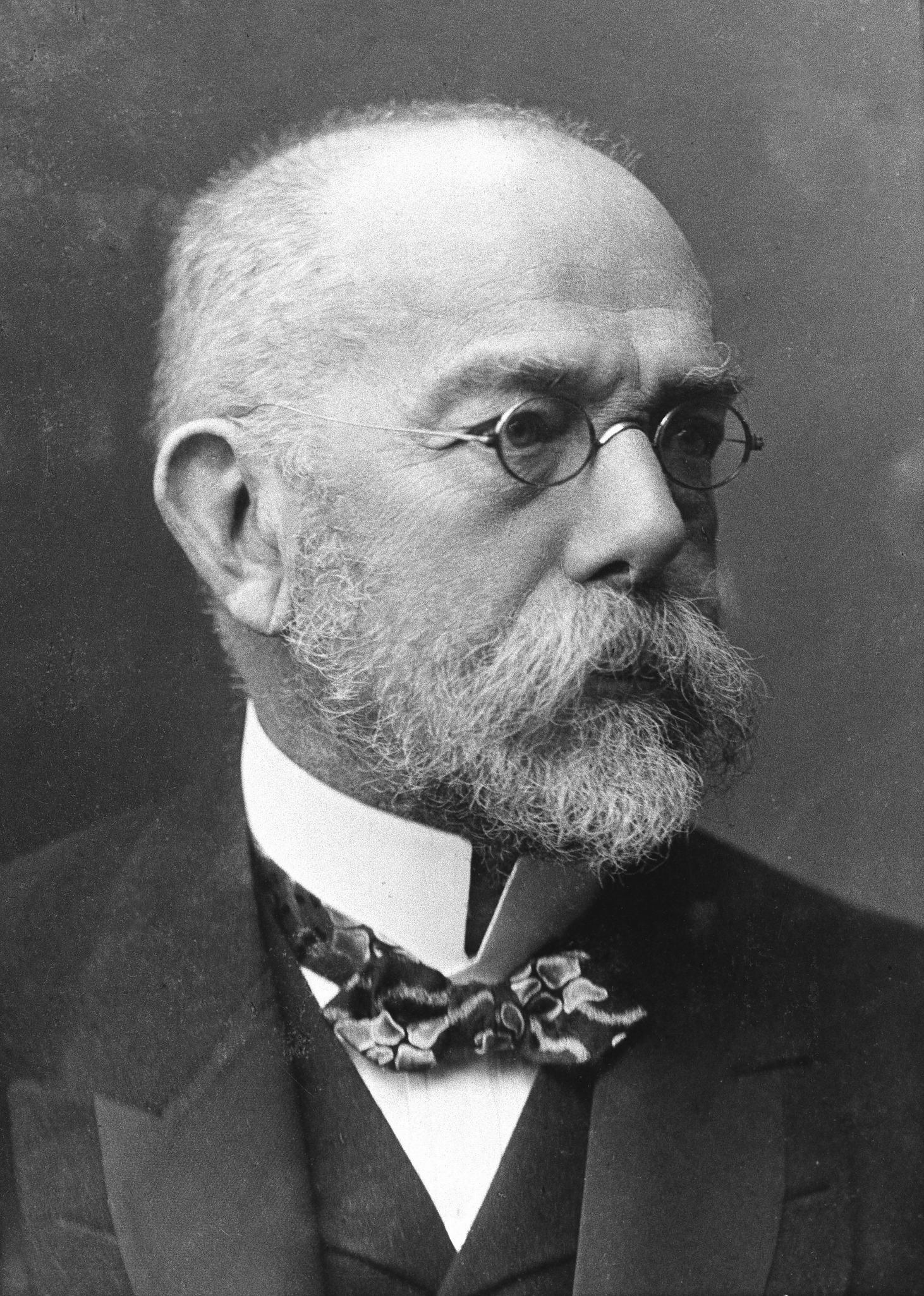
In 1890, Koch announced the discovery of tuberculin, a substance derived from tubercle bacilli, which he thought was capable of arresting bacterial development in-vitro and in animals. This news gave rise to tremendou…
1890
#3687
The micro-organisms of the human mouth.
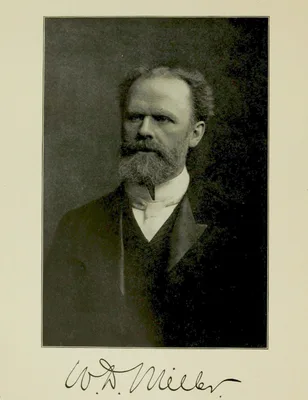
In 1884 Miller became professor of dentistry at the University of Berlin, the first foreigner ever to receive a professorial appointment at a German University. Inspired by study of bacteriology under Robert Koch, Mil…
1890 –1891
#5187
Amoebic dysentery.
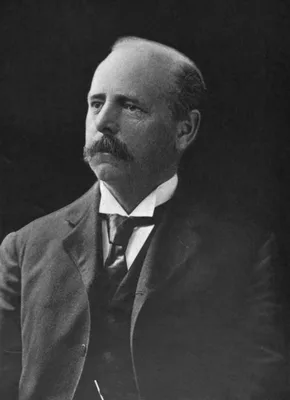
These workers introduced the term “amoebic dysentery” in their important investigation of the condition.
1890
#5513
Untersuchungen über die Aktinomykose des Menschen.
Isolation of Actinomyces graminis from human actinomycosis, and staining method for Actinomyces.
1890
#5240.1
Études sur l’infection malarique. Sur la variété parasitaire des corps en croissant de Laveran et sur les fièvres palustres qui en dérivent.
Canalis demonstrated and clearly differentiated Plasmodium falciparum from the species vivax and malariae.
1890
#12303
Sur les organisms de la nitrification.
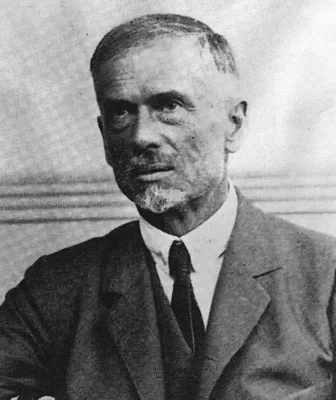
In his research on nitrifying bacteria Winogradsky discovered the first known form of chemoautotrophy in which organisms obtain energy by oxidation of electron donors in their environments without the intervention of …
1891
#2506.1
Ueber Wasserfiltration durch Filter aus gebrannter Infusorienerde.
Berkefeld kieselguhr filter.
1891
#5158
Observations sur la morve.
Mallein reaction for the diagnosis of glanders.
1891
#5513.1
Ueber eine neue, pathogene Cladothrix und eine durch sie hervorgerufene Pseudotuberculosis (cladothrichica).
Eppinger isolated Cladothrix (Nocardia) asteroides in a patient suffering from pseudotuberculosis with brain abscesses and meningitis.
1891
#5514
Ueber Reincultur des Actinomyces und seine Uebertragbarkeit auf Thiere.
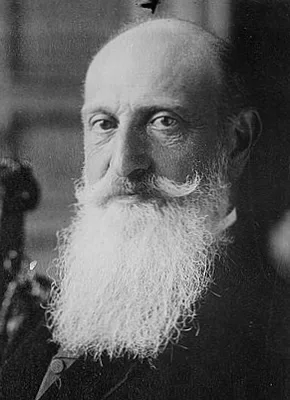
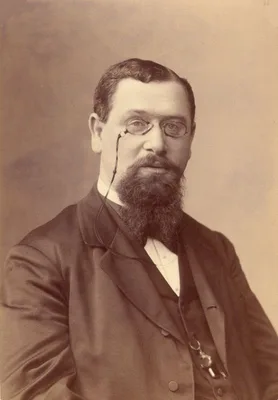
Isolation of Actinomyces bovis, later called Actinomyces israelii.
1891
#5241
Malariaparasiten in den Vögeln.
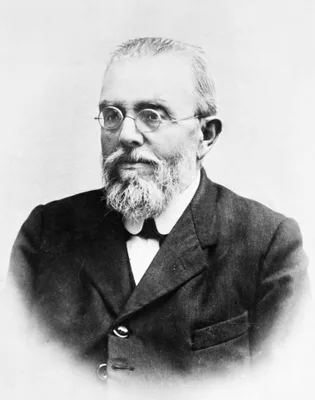
Confirmation of the work of Laveran.
1891
#5241.1
Ueber die Wirkung des Methylenblau bei Malaria.
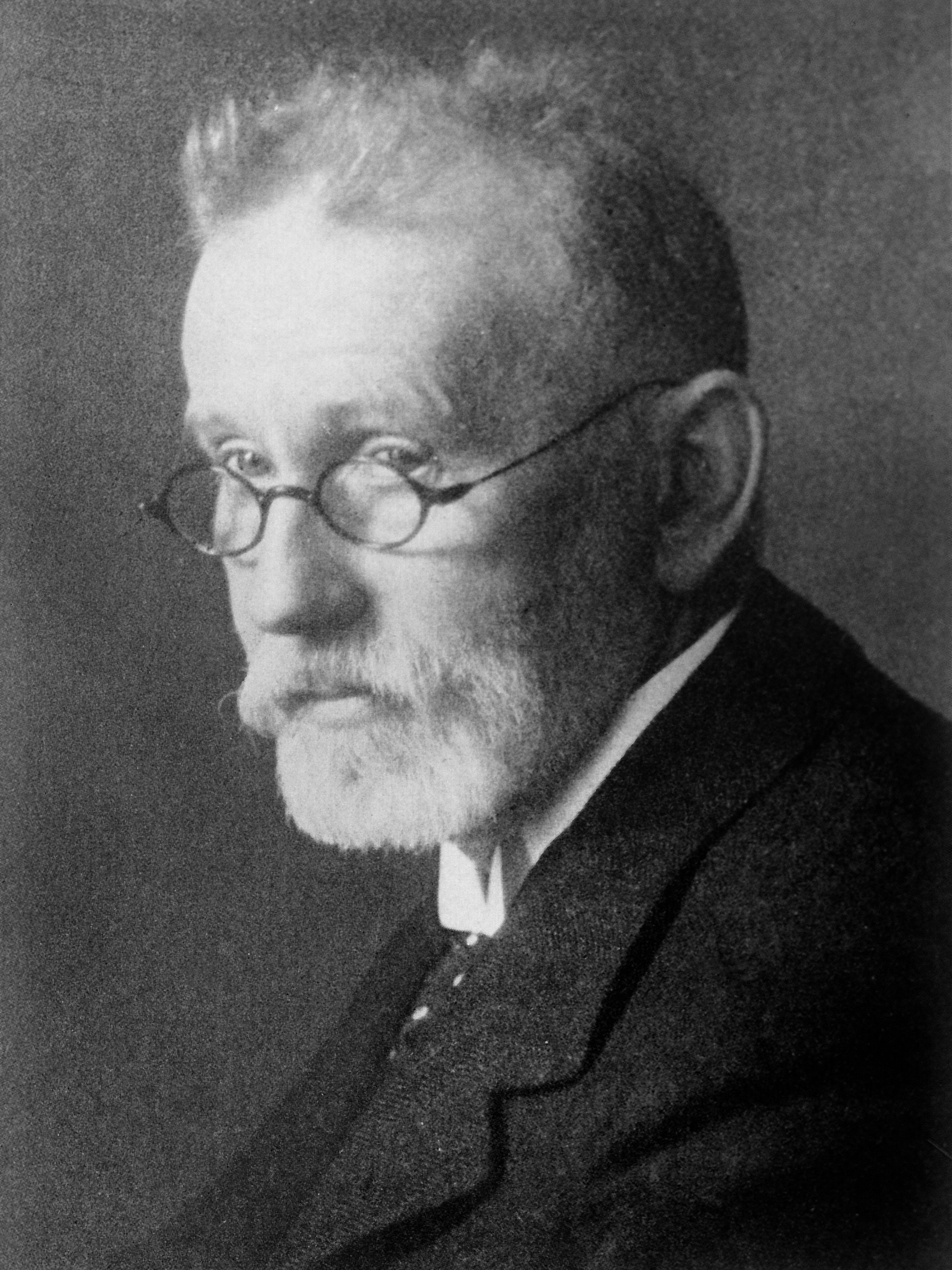
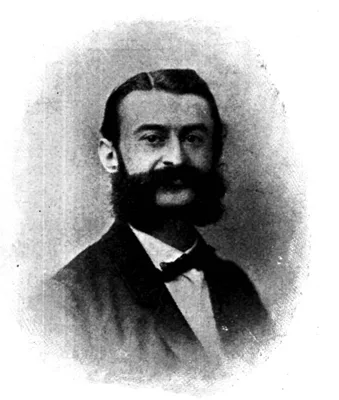
Guttmann and Ehrlich demonstrated methylene blue to be lethal in vitro for the malaria parasite – the beginning of Ehrlich’s work on chemotherapy.
1891
#5242
K voprosu o parazitologii i terapii bolotnoi likhoradki. [Parasitology and treatment of malarial fever.]
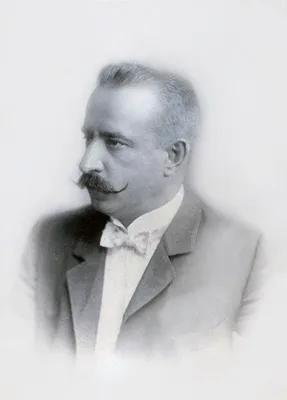
Romanovsky made important studies of the malaria parasite and introduced a special stain for its demonstration. German version in St. Petersburger med. Wschr., 1891, 8, 297-302, 306-15. English translation in Kean (No…
1891
#5272
Étude sur les parasites du sang chez les paludiques.
Nepveu, whilst in Algeria, was the first to see trypanosomes in human blood.
1892 –1982
#355
Index-catalogue of medical and veterinary zoology.
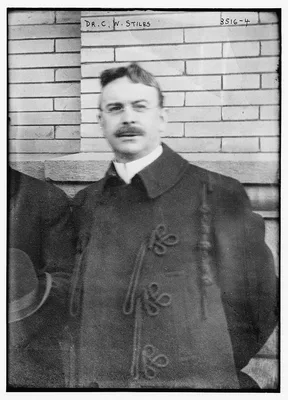
An index to the world's literature on parasites and parasitisms of man, of domestic animals, and of wild animals whose parasites may be transmitted to man and domestic animals. It also contains references to fur-beari…
1892
#2506.2
Ueber die Mosaikkrankheit der Tabakspflanze.
The Russian botanist Ivanovski demonstrated that the agent responsible for tobacco mosaic disease could pass through the finest filter then available. This was the starting point of research into the etiology of virus…
1892
#2507
Ueber Epidemieen unter den im hygienischen Institute zu Greifswald gehaltenen Mäusen und über die Bekämpfung der Feldmausplage.
Isolation of Salm. typhi-murium.
1892
#2508
A gas-producing bacillus (Bacillus aërogenes capsulatus nov. spec.) capable of rapid development in the blood-vessels after death.
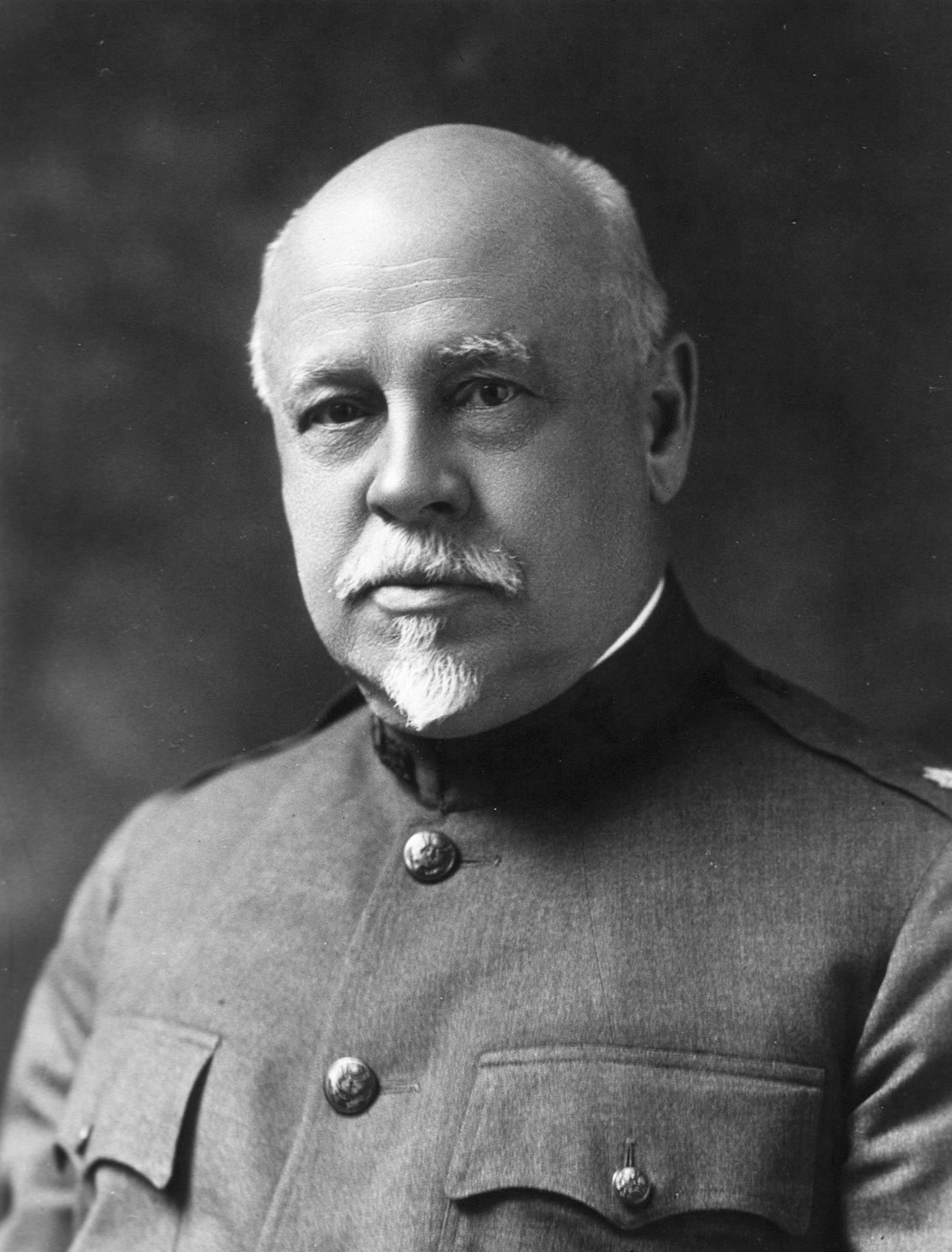
Discovery of the gas gangrene bacillus (Welch bacillus) Cl. perfringens. Reprinted in Medical Classics, 1941, 5, 852-85.
1892
#2509
A manual of bacteriology.
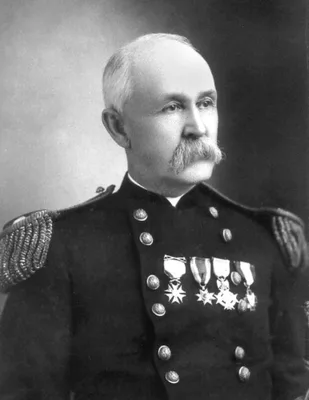
Sternberg, U. S. Surgeon General 1893-1902, was a pioneer bacteriologist. Independently of Pasteur he discovered the pneumococcus and was first in America to photograph the tubercle bacillus. He sent Walter Reed off t…
1892
#2545.1
Practical results of bacteriological researches.
Sternberg demonstrated that the serum of an animal recovered from vaccinia possesses the property of neutralizing the activity of the causative virus. His test was readily adaptable for use in various host-systems.
1892
#5490
Vorläufige Mittheilungen über die Erregerder Influenza.
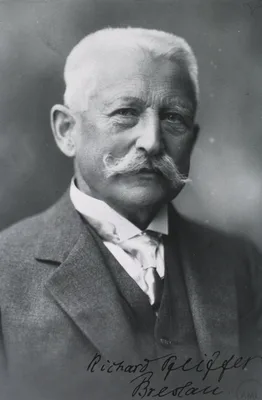
Pfeiffer discovered a bacillus, Haemophilus influenzae, “Pfeiffer’s bacillus”, which he believed to be the causal organism of influenza.
1892
#5528.1
Un nuovo caso de micosis fungoides con psorospermias.
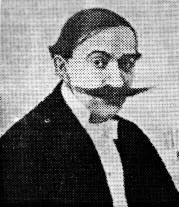
As an intern in Buenos Aires, Posadas described an Argentine soldier who had a dermatological problem since 1889. Posadas had seen the patient while a medical student in 1891, and skin biopsies revealed organisms rese…
1892
#5528.2
Pentastomas.
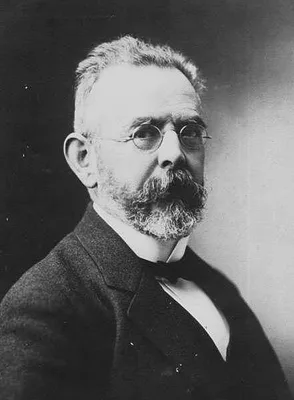
Posadas (No. 5528.1) and Wernicke, a professor pathology in Buenos Aires, were the first to report cases of coccidioidomycosis. German translation of Wernicke’s paper in Zbl. Bakt., 1892, 12, 859-61.
1892
#5621
Conditions underlying the infection of wounds.
Discovery of Staph. epidermidis (albus) and its relation to the infection of wounds.
1892
#5439.1
Das Auftreten von Varizellen unter eigentümlichen Verhältnissen.
Bokay was the first to suggest an etiological relationship between varicella and herpes zoster. See also his paper in Wien. klin. Wschr., 1909, 22, 1323-26.