
Facets
Browse across eight MeSH (opens in new tab) facets — era, geography, science, specialty, technology, history, culture, and reference. Select one tag per group; counts update across the others. What’s new in facet browse how facets relate to subjects and MeSH.
Clear filtersFacet filters
Geography
Specialties & Disease
- Anatomy & Pathology 765
- Cardiology & Blood 914
- Neurology & Psychiatry 1,258
- Obstetrics & Reproductive 551
- Infectious Disease (General) 147
- Surgery & Anesthesia 1,553
- Public Health 1,129
- Immunology & Dermatology 1,405
- General Clinical Medicine 487
- Military Medicine 436
- Psychology 202
- Alternative & Fringe Medicine 383
- Pediatrics 247
- Ophthalmology & Vision 412
- ENT & Hearing 293
- Urology & Nephrology 309
- Gastroenterology & Hepatology 316
- Pulmonary & Respiratory 233
- Rheumatology, Rehab & Pain 189
- Internal, Emergency & Geriatric 123
- Veterinary Medicine 165
- Epidemiology & Demography 397
- Physiology & Embryology 924
- Dentistry 259
- Plagues & Epidemics 1,279
- Microbiology & Virology 1,080
Social & Historical Studies
Institutions & Culture
Reference & Scholarly Works
1,080 entries match Microbiology & Virology [C01.748]
1882
#2331
Die Aetiologie der Tuberkulose.
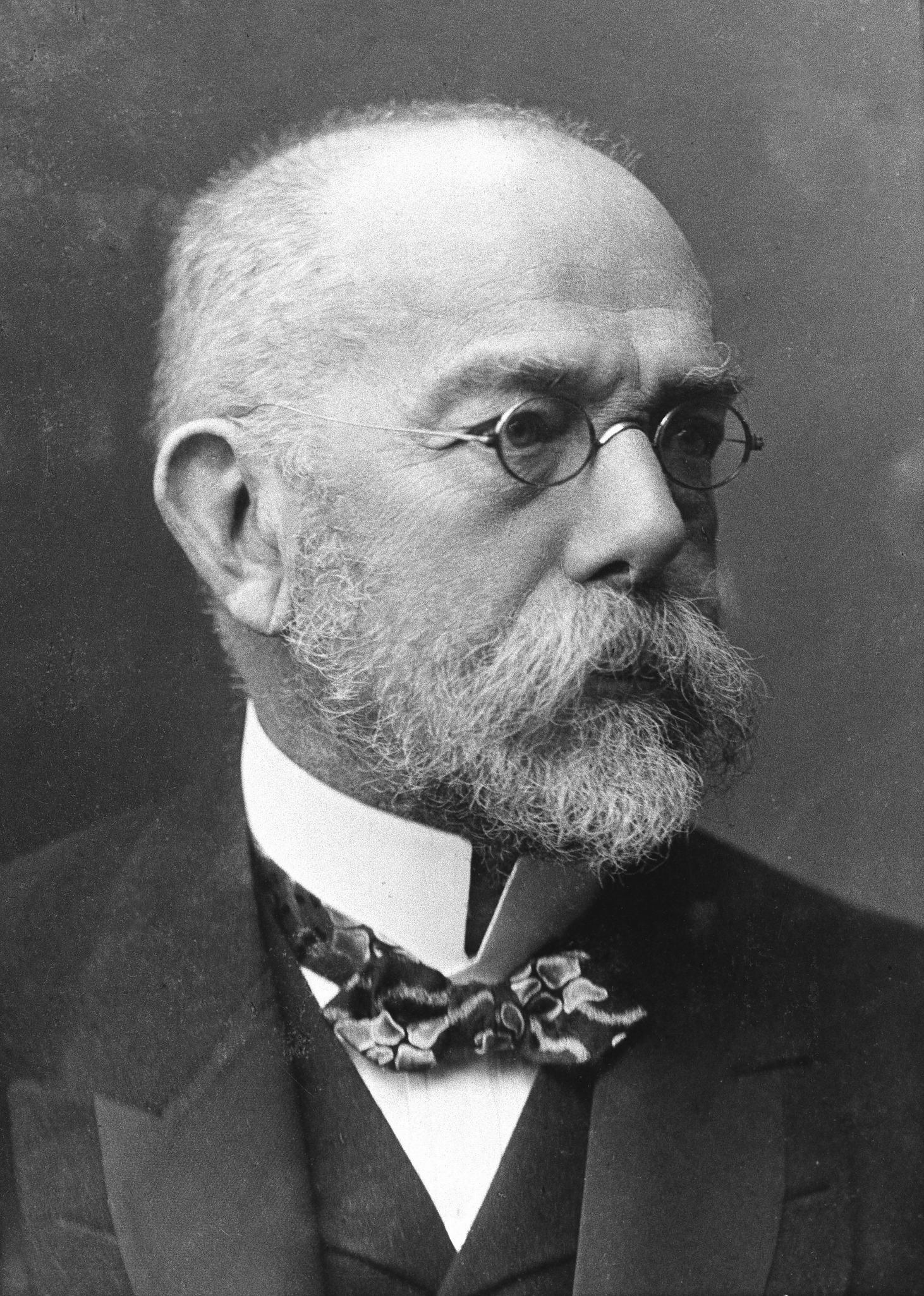
Discovery of the tubercle bacillus announced March 24, 1882. This paper also contains a statement of “Koch’s postulates”. See also Nos. 2536 and 5167. Koch published a fuller account as "Die Aetiologie der Tuberkulose…
1882
#2496
Ueber Erysipel.
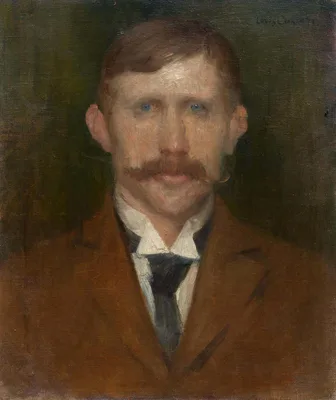
Discovery of Strep pyogenes, infectious agent of scarlet fever and other streptococcal illnesses. Fehleisen cultured it from perierysipelas lesions on humans. English translation, 1886.
1882
#2497
Sur les colorations bleue et verte des linges à pansements.
Isolation of Pseudomonas aeruginosa (Ps. pyocyanea).
1882
#3174
Ueber die Schizomyceten bei der acuten fibrösen Pneumonie.
Isolation of Klebsiella pneumoniae (“Friedländer bacillus”), which Friedländer regarded as the causal organism in all cases of lobar pneumonia.
1883
#502.1
Récherches sur la maturation de l’oeuf, la fécondation et la division cellulaire.
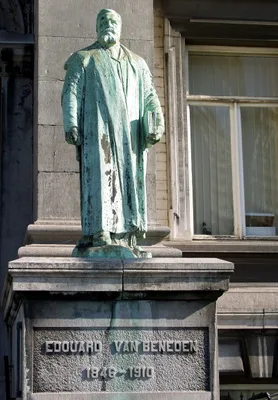
This work extended Hertwig’s work on fertilization (No. 495) down to the level of chromosomes, which were clearly visible in Ascaris after the sperm and egg united.
1883
#2454
Die thierischen Parasiten des Menschen.
1883
#2455
The Filaria sanguinis hominis and certain new form of parasitic disease in India, China and warm countries.
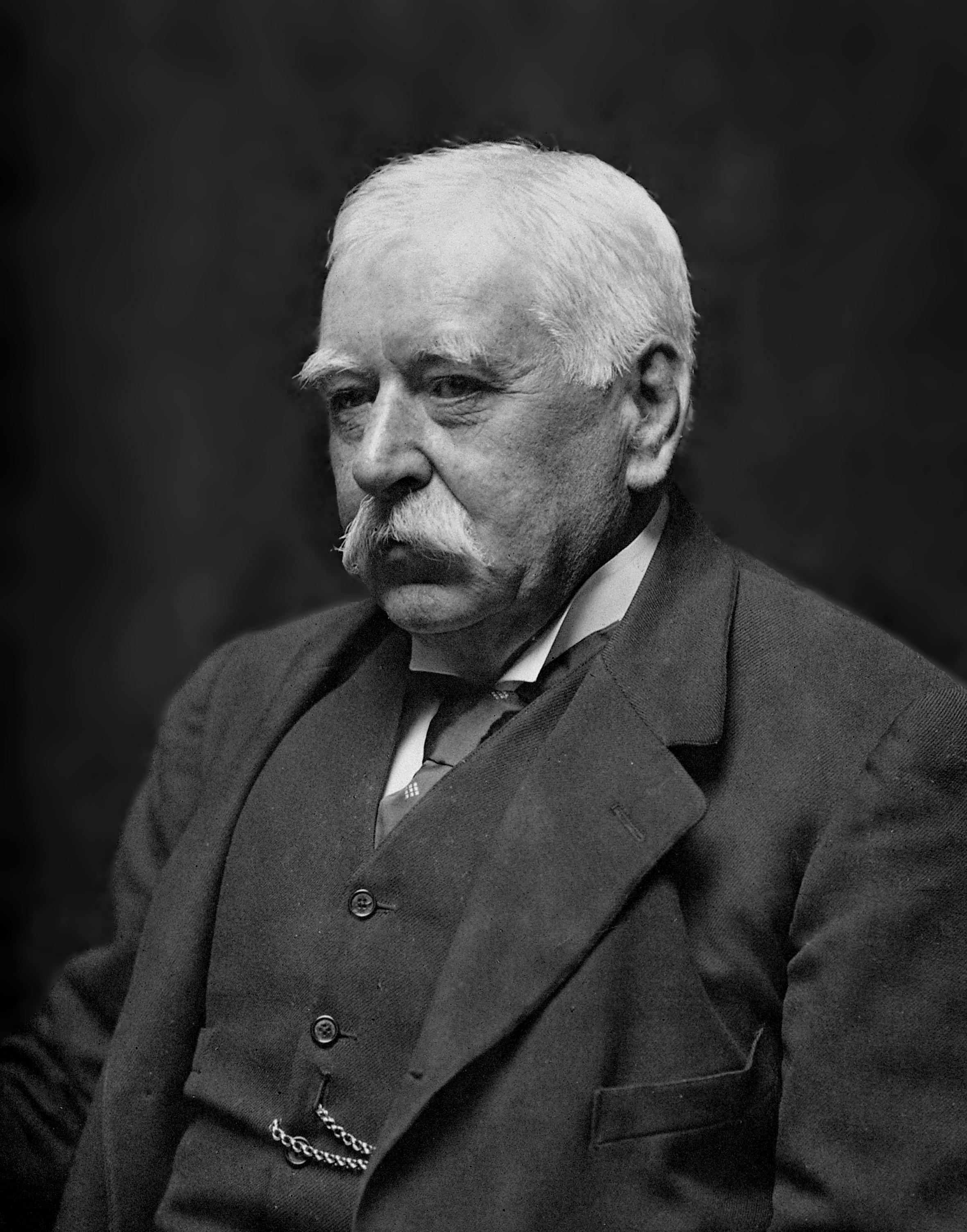
A collection of several papers written by Manson.
1883
#2498
Sur une forme de tuberculose sans bacilles.
Isolation of Pasteurella pseudotuberculosis.
1883
#5055
Ueber Diphtherie.
First account of Corynebacterium diphtheriae (Klebs–Loeffler bacillus), causal organism in diphtheria, discovered by Klebs.
1883
#5331
Fièvre bilieuse ou hépatique.
An early account of “Weil’s disease”, Leptospirosis icterohaemorrhagica.
1883
#5923
Bericht über die Thätigkeit der deutschen Cholerakommission in Aegypten und Ostindien.
Koch–Weeks bacillus, Hemophilus conjunctivitidis, or Hemophilus aegyptius. Koch discovered the bacilli of two varieties of Egyptian conjunctivitis. See also No. 5930.
1883 –1886
#8378
Handbook of geographical and historical pathology. Translated from the second German edition by Charles Creighton. Vol. 1.-Acute infective diseases. Vol. 2.-Chronic infective, toxic, parasitic, septic and constitutional diseases. Vol. 3.-Diseases of organs and parts.
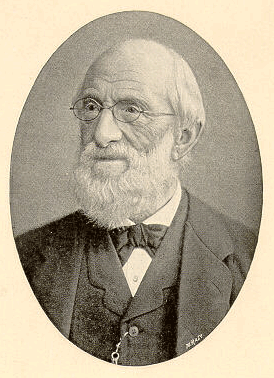
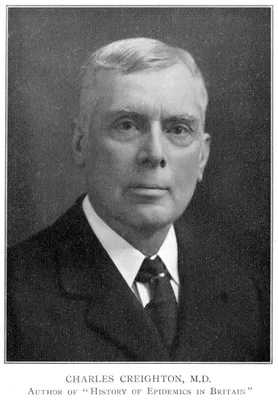
This is the best edition of Hirsch's Handbuch. Digital facsimiles of all 3 vols. from the Internet Archive at this link.
1883
#14211
De l'Atténuation des virus, avec la collaboration de MM. Chamberland, Roux et Thuillier. Quatrième Congrès international d'hygiène et de démographie. Séance du 5 Septembre 1882.
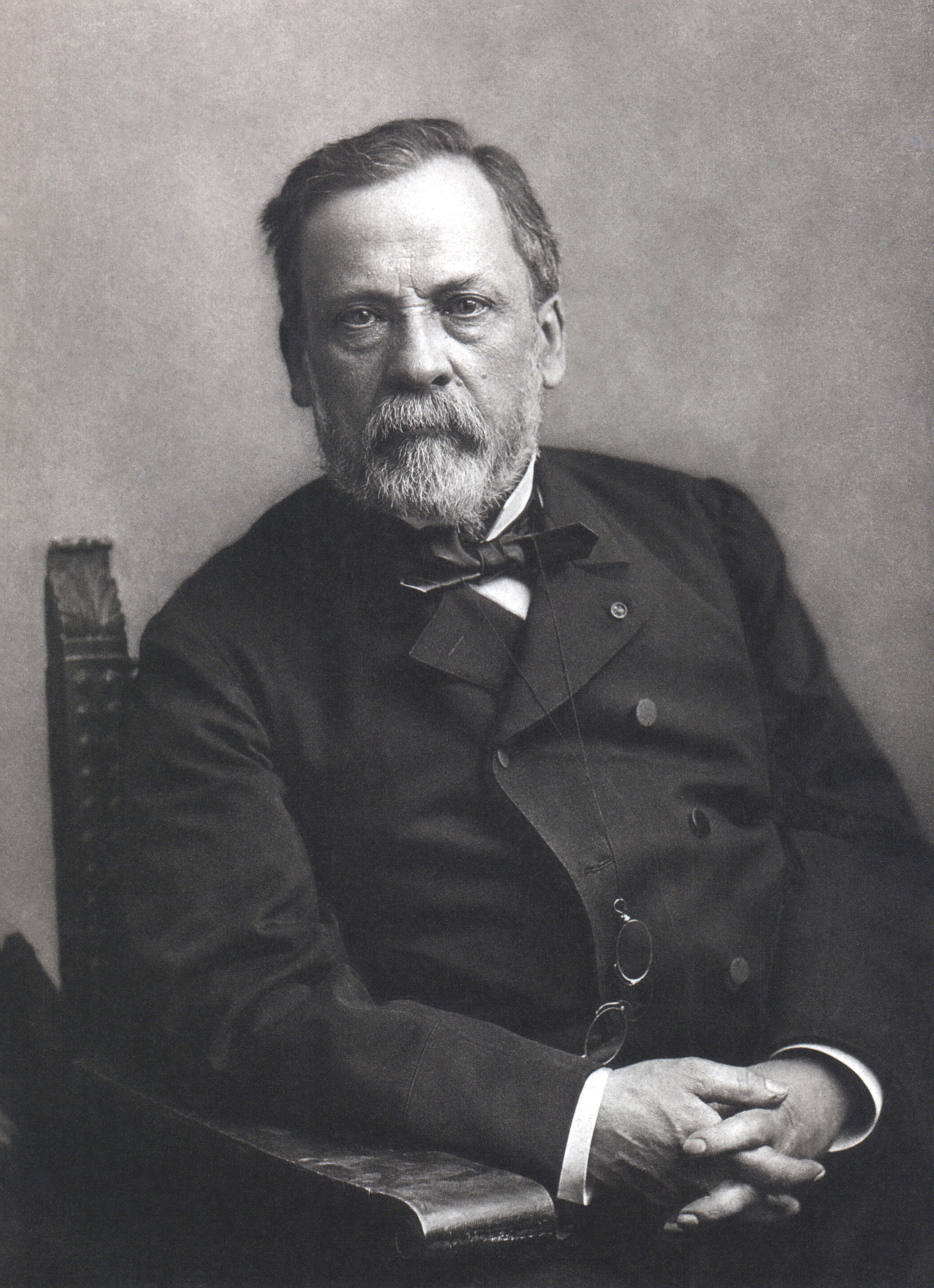
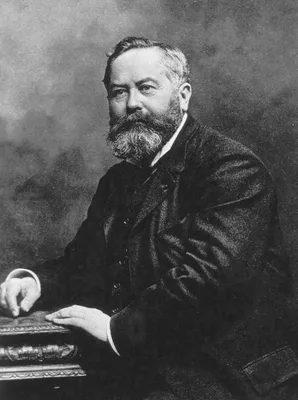
In his seminal 1880 paper, Sur les maladies virulentes, et en particulier sur la maladie appelée vulgairement choléra des poules, GM-2537, Pasteur developed the idea of a protective inoculation by attenuated living cu…
1884
#4642
Fièvre zoster etexanthèmes zosteriformes.
Landouzy first suggested the infective nature of herpes.
1884
#2498.1
Sur un filtre donnant de l’eau physiologiquement pure.
Chamberland filter, an unglazed porcelain bar with pores smaller than bacteria, enabled the earliest distinction between viruses and bacteria and led in 1898 to the re-introduction of the Latin word "virus" with the i…
1884
#2499
Ueber die isolirte Färbung der Schizomyceten in Schnitt- und Trocken-präparaten.
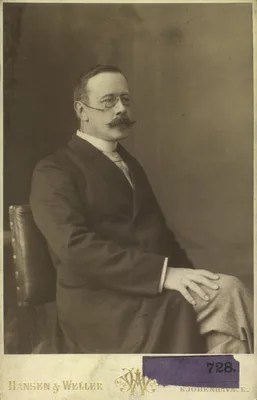
Gram’s method of staining bacteria (Gram stain). While not all bacteria may be definitively classified in this way, it is almost always the first step in the preliminary identification of a bacterial organism.
1884
#3481
Untersuchungen über Cholera nostras.
Finkler and Prior isolated Vibrio proteus from stools in a case of acute gastro-enteritis.
1884
#5032
Zur Aetiologie des Abdominaltyphus.
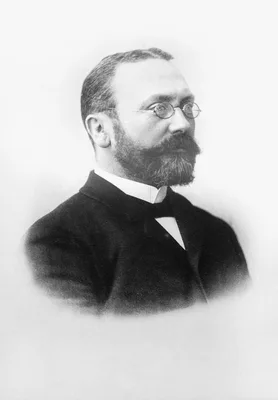
Gaffky was the first to grow pure cultures of Salmonella typhi; he showed it to be the true activator of the disease. English translation, New Sydenham Society, 1886. Digital facsimile of the 1884 printing from Google…
1884
#5056
Untersuchungen über die Bedeutung der Mikroorganismen für die Entstehung der Diphtherie beim Menschen, bei der Taube und beim Kalbe.
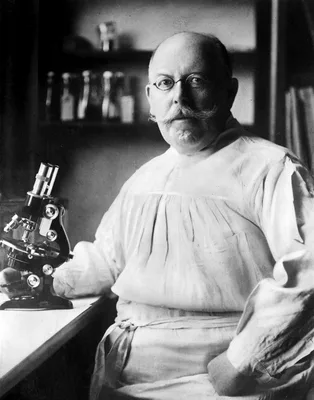
Loeffler succeeded in cultivating C. diphtheriae, the diphtheria bacillus. He reproduced the characteristic membrane by swabbing the mucous membranes of various animals with pure cultures of the bacillus. In this pape…
1884
#5108
Sechster Bericht der deutschen wissenschaftlichen Commission zur Ehrforschung der Cholera.
In this paper, dated 2 February 1884, written while Koch and his team were in Calcutta, Koch first published his discovery of the cholera bacillus and the main route of its transmission. He based his discovery on the …
1884
#5148
Ueber infectiösen Tetanus.
The discovery of the tetanus bacillus, Clostridum tetani, is attributed to Nicolaier; he was, however, unable to isolate the organism in pure culture.
1884
#5482
Nouvelle communication sur la rage.
Demonstration in the blood of the rabies virus. English translation in R. Suzor, Hydrophobia: An account of M. Pasteur’s system…London, 1887.
1884
#5346.3
The metamorphosis of Filaria sanguinis hominis in the mosquito.
Manson reported that the changes he had observed in ingested filariae took place in the mosquito thorax, not in the stomach as previously thought.
1884
#5619
Mikro-Organismen bei den Wund-Infections-Krankheiten des Menschen.
Rosenbach proved that streptococci and staphylococci are distinct and differentiated two strains of staphylococci (“aureus” and “albus”). He cultured cocci from a considerable range of septic conditions, thus more acc…
1885
#2500
Vorlesungen über Bacterien.
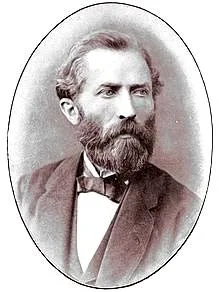
1885
#2501
Les bactéries et leur rôle dans l’anatomie et l’histologie pathologiques des maladies infectieuses. 1 vol. and atlas.
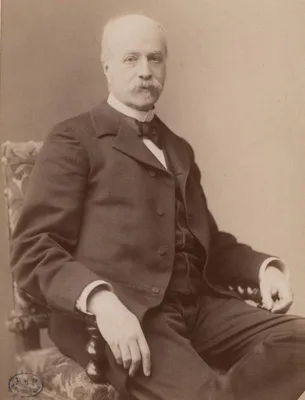
Considered the first treatise on bacteriology.
1885
#2502
Ueber Fäulnissbacterien.
Isolation of Proteus vulgaris.
1885
#2503
Die Methoden der Bakterienforschung.
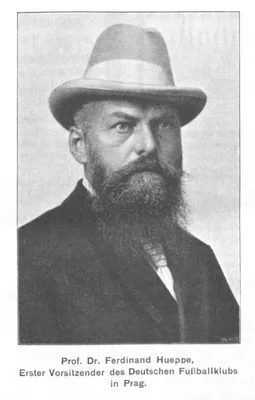
Hueppe, a colleague of Koch, wrote an admirable manual on bacteriological methods, a subject to which he gave several original contributions. English translation, New York, 1886.
1885
#2541
Méthode pour prévenir la rage après morsure.
Pasteur’s papers describing his rabies vaccine, and the results he attained with it gave further proof of the value of attenuated virus as a protective inoculum against infective diseases in man and animals. This is c…
1885
#3294
Die Natur und die Behandlung der Ozaena.
Loewenberg described a bacillus found in the secretions of ozena (see No. 3307). He made the first attempt at the treatment of this condition.
1885 –1887
#5485
Lektsii ob ostrikh infektsionnîkh bolierznyakh u dietei. [Lectures on acute infectious diseases of children.] 2 vols.
Glandular fever (infectious mononucleosis) was first described by Filatov under the name of idiopathic adenitis (“Filatov’s disease”). A German translation of his book appeared in 1895-97.
1885
#5528
Mycosis mucorina.
First authentic case reported in man.
1885
#5347
Notes upon the experimental breeding of Taenia echinococcus in the dog from the echinococci of man.
Thomas succeeded in transmitting Taenia echinococcus to the dog from human sources.
1885
#5209
Der Mikro-Organismus der gonorrhöischen Schleimhaut-Erkrankungen, Gonococcus-Neisser.
Bumm cultured the gonococcus. By human inoculations he demonstrated its pathogenicity in pure culture.
1885
#5238
Weitere Untersuchungen über die Malariainfection.
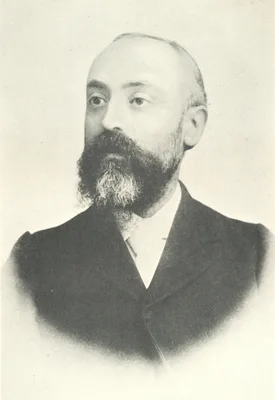
First accurate description of the malaria Plasmodium, discovered by Laveran in 1880. These writers were the first to adopt the name P. malariae.
1885
#5238.1
Zur Parasitologie des Blutes.
Discovery of malaria parasites in birds. See also Ann. Inst. Pasteur, 1890, 4, 427-31.
1886
#1017
Die Darmbakterien des Säuglings und ihre Beziehungen zur Physiologie der Verdauung.
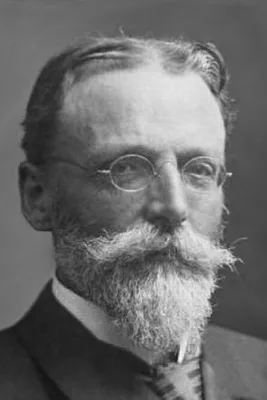
Includes the first account of Bact. coli infection. The organism was later renamed Escherichia coli (E.coli).
1886 –1890
#2456
Traité de zoologie médicale. 2 vols.
Digital facsimile from the Internet Archive at this link.
1886
#2503.1
Ueber die Mosaikkrankheit des Tabaks.
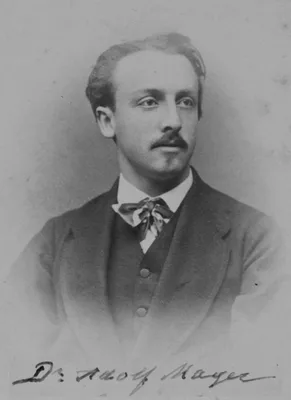
Mayer was first to describe and name tobacco mosaic disease and to demonstrate its infectious nature, that it could be transferred between plants, similar to bacterial infections. Translation in Phytopathological Clas…
1886
#2504
An introduction to practical bacteriology based upon the methods of Koch.
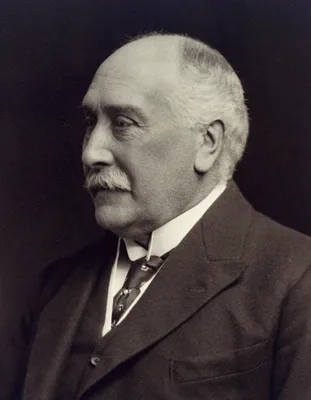
Crookshank studied under Koch, and later became Professor of Bacteriology at King’s College, London.
1886
#2505
The bacterium of swine-plague.
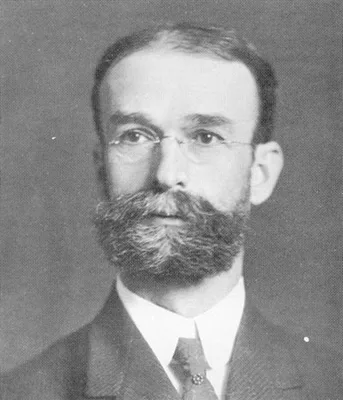
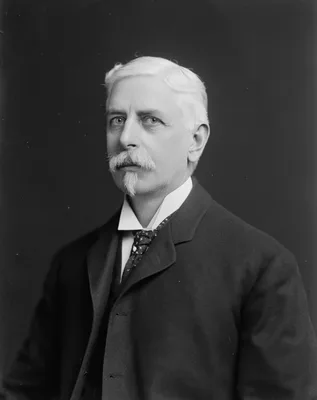
Discovery of Salmonella choleraesuis. The Salmonellae tribe was named after Salmon, even though the discovery was made by Smith. See Bibel, Milestones in immunology (1988) 31-32.
1886
#3175
Die Mikrococcen der Pneumonie.
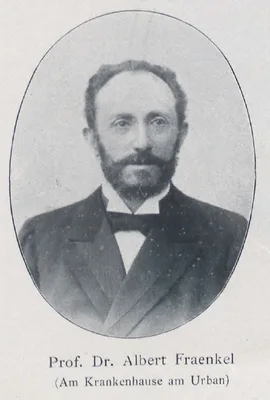
Fraenkel showed definitely that the organism found by Pasteur (No. 3172) and Sternberg (No. 3173) was a cause of pneumonia.
1886
#3176
Ueber die Aetiologie der acuten Lungen- und Rippenfellentzündungen.
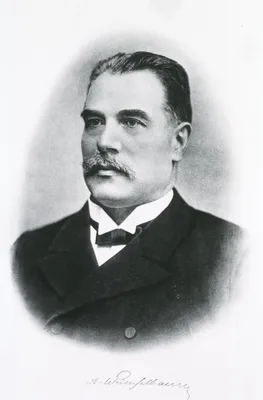
Weichselbaum definitely established that Friedländer’s bacillus was responsible for pneumonia in a small percentage of cases.
1886
#5080
Report on a disease of cows prevailing at a farm from which scarlatina had been distributed along with the milk of cows.
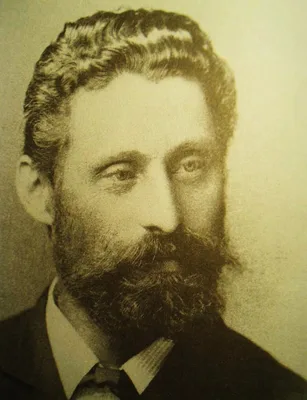
Contains the first suggestion of the streptococcal origin of scarlet fever.
1886
#5156
Die Aetiologie der Rotzkrankheit.
Discovery of Burkholderia mallei, causative organism of glanders. Preliminary notice in Dtsch. med. Wschr., 1882, 8, 707.
1886
#5186
Zur Aetiologie der Dysenterie in Aegypten.
Kartulis discovered amoebae in liver abscess. It was principally through the work of Kartulis that amoebae came to be considered the cause of dysentery in man.
1886
#5332
Ueber eine eigenthümliche, mit Milztumor, Icterus und Nephritis einhergehende, acute Infectionskrankheit.
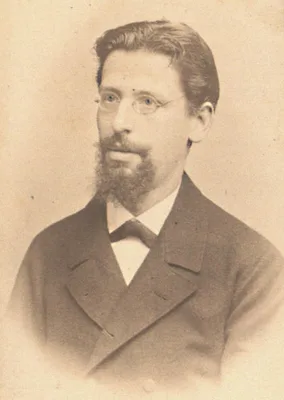
In his classic description of Leptospirosis icterohaemorrhagica Weil differentiated the disease from other types of acute jaundice. It is better known as “Weil’s disease”.
1886
#5930
The bacillus of acute conjunctival catarrh or “pink eye”.
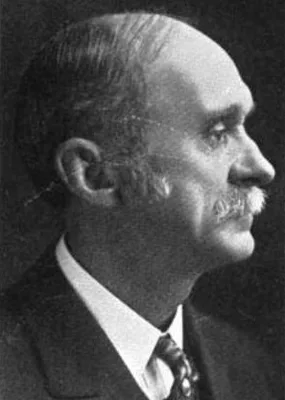
In 1883 Koch discovered the bacilli of two different forms of infectious conjunctivitis (Egyptian ophthalmia); in 1886. Weeks discovered the same organism to be the cause of “pink-eye”. The organism has become known a…
1886
#5356
Sobre a molestia vulgarmente denominada oppilaçao ou cançaço.
Wucherer confirmed Griesinger’s conclusion that the cause of tropical anemia was hookworm infestation. See also the same journal, 1869, 3, 170-72, 183-84, 198-200. English translation in Kean (No. 2268.1).
1886
#5359
Remarks on parasites and scorpions.
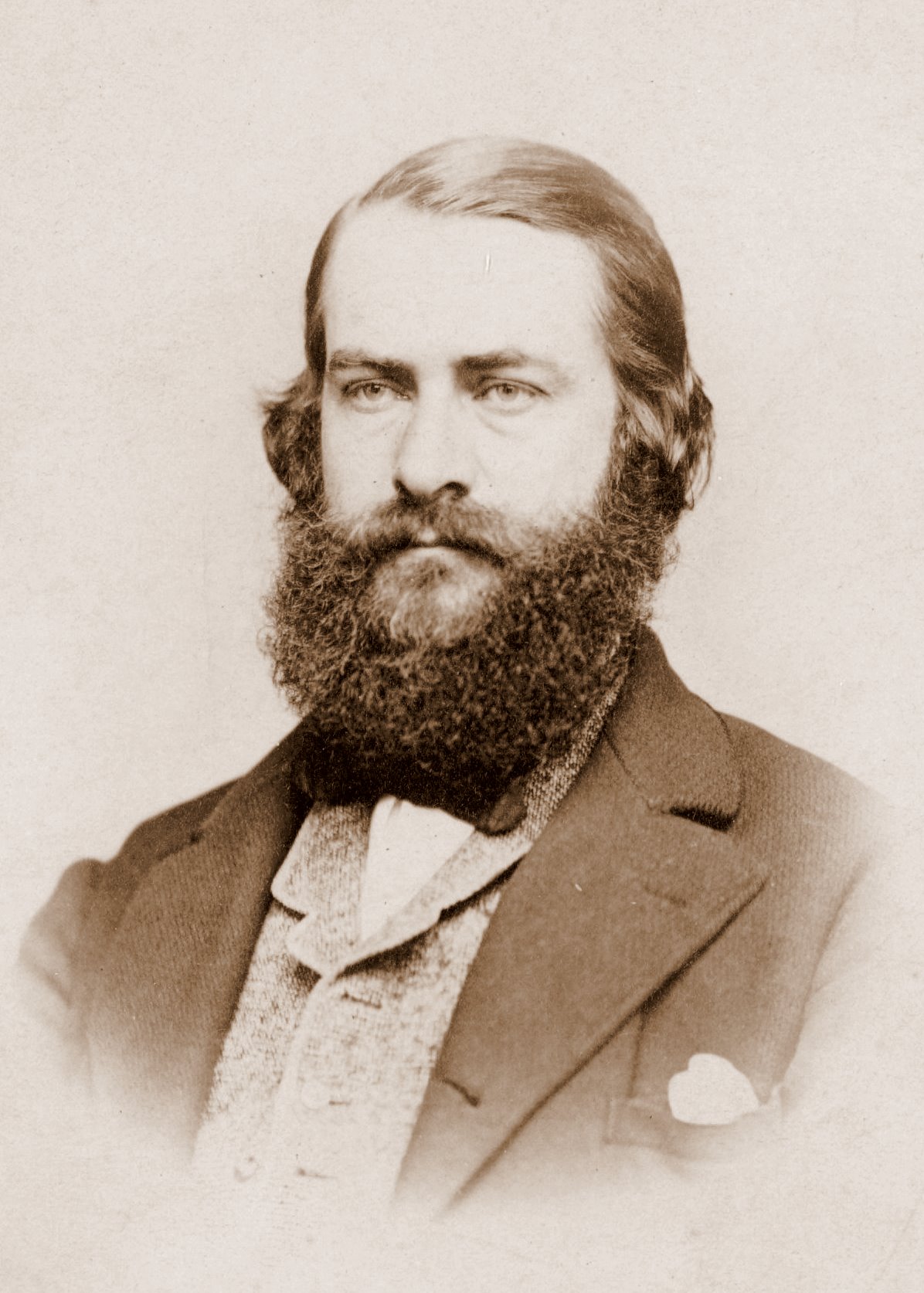
Leidy found the hookworm in the cat and suggested that it might also be found in man as a cause of pernicious anemia.