
Facets
Browse across eight MeSH (opens in new tab) facets — era, geography, science, specialty, technology, history, culture, and reference. Select one tag per group; counts update across the others. What’s new in facet browse how facets relate to subjects and MeSH.
Clear filtersFacet filters
Geography
Specialties & Disease
- Anatomy & Pathology 765
- Cardiology & Blood 914
- Neurology & Psychiatry 1,258
- Obstetrics & Reproductive 551
- Infectious Disease (General) 147
- Surgery & Anesthesia 1,553
- Public Health 1,129
- Immunology & Dermatology 1,405
- General Clinical Medicine 487
- Military Medicine 436
- Psychology 202
- Alternative & Fringe Medicine 383
- Pediatrics 247
- Ophthalmology & Vision 412
- ENT & Hearing 293
- Urology & Nephrology 309
- Gastroenterology & Hepatology 316
- Pulmonary & Respiratory 233
- Rheumatology, Rehab & Pain 189
- Internal, Emergency & Geriatric 123
- Veterinary Medicine 165
- Epidemiology & Demography 397
- Physiology & Embryology 924
- Dentistry 259
- Plagues & Epidemics 1,279
- Microbiology & Virology 1,080
Social & Historical Studies
Institutions & Culture
Reference & Scholarly Works
Drugs & Technology
165 entries match Veterinary Medicine [G03.850]
1880
#2537
Sur les maladies virulentes, et en particulier sur la maladie appelée vulgairement choléra des poules.
This paper marked the beginning of Pasteur’s work on the attenuation of the infective organism. Noting that fowls inoculated with an attenuated form of the chicken cholera bacterium acquired immunity, he developed the…
1880
#5169
Sur l’étiologie du charbon.
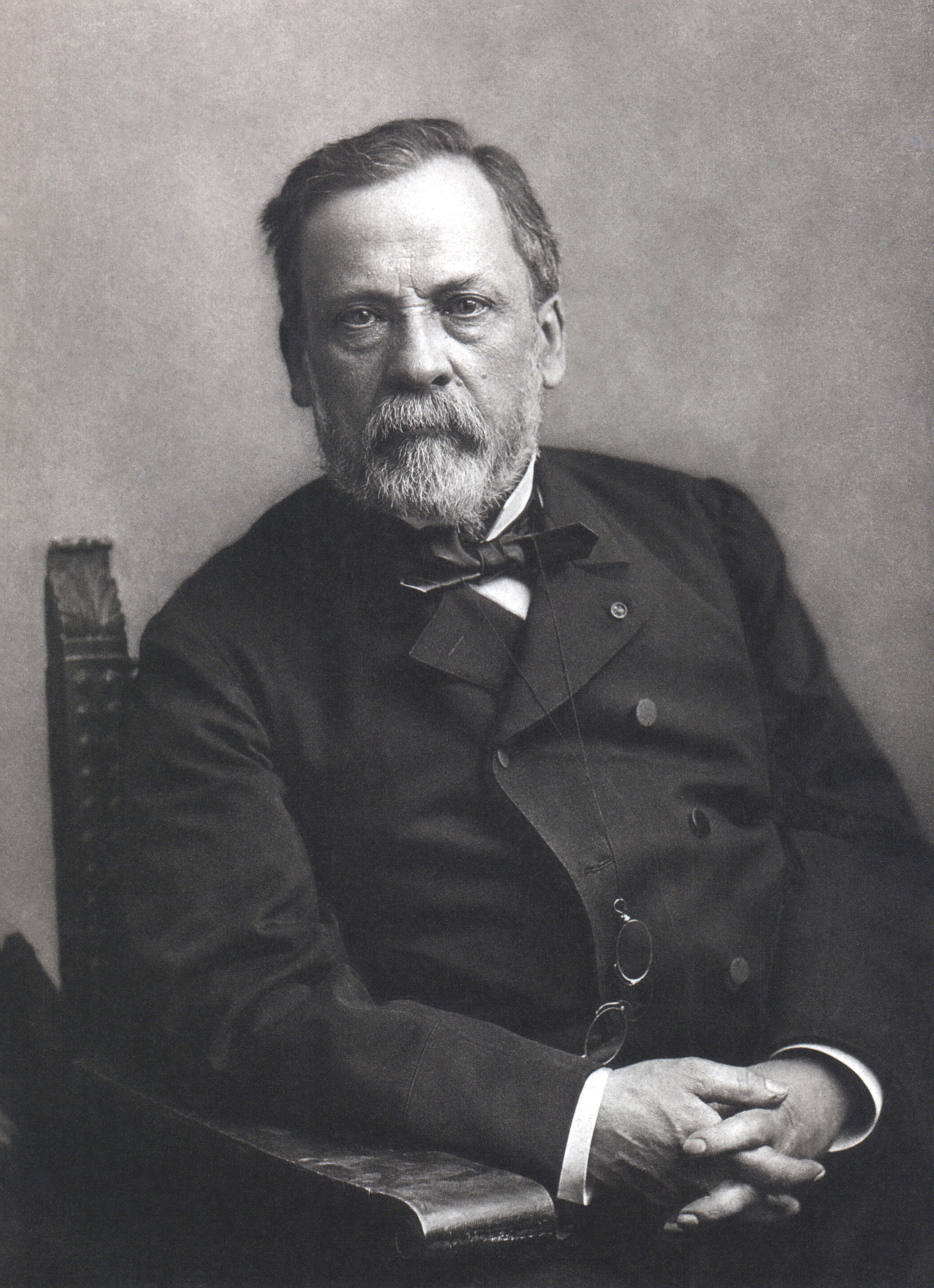
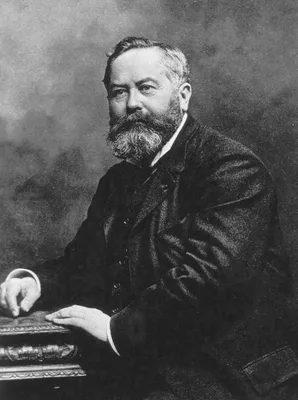
First use of attenuated bacteria for therapeutic purposes. See also the same journal, 1881, 92, 1378-83.
1880
#5512
Ueber Actinomykose.
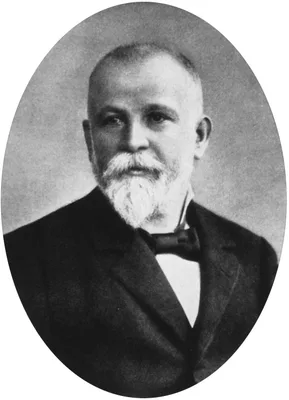
Ponfick recognized the causative role of Actinomyces in human actinomycosis; he established the identity of the human and animal forms of the disease. He published a book on the subject, Die Actinomykose des Menschen,…
1881
#5481.3
Les injections de virus rabique dans le torrent circulatoire ne provoquent pas l’éclosion de la rage et semblant conférer l’immunité. La rage peut être transmise par l’ingestion de la matiére rabique.
Galtier immunized sheep by inoculating rabid saliva in the veins; this did not produce the disease and protected the animals from a further inoculation. His work aroused the interest of Pasteur.
1881
#5271
On a horse disease in India known as “surra”, probably due to a haematozoon.
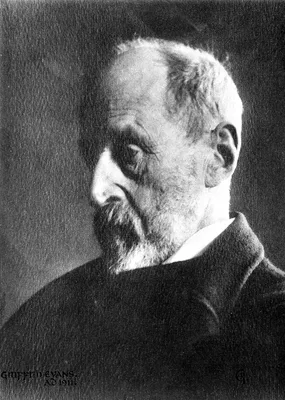
While serving in India as a veterinary surgeon, Evans discovered parasites in the blood of horses suffering from surra; this was the first pathogenic trypanosome to be described.
1883
#2498
Sur une forme de tuberculose sans bacilles.
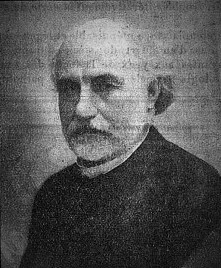
Isolation of Pasteurella pseudotuberculosis.
1884
#9422
An epitome of the reports of the medical officers to the Chinese Imperial Maritime Customs Office from 1871 to 1882. With chapters on the history of medicine in China: Materia medica: Epidemics: Famine: Ethnology: And chronology in relation to medicine and public health.
Apart from studies of common diseases, public health issues, and epizootics, this work contains a chapter on opium smoking and a chapter on the castration of Chinese eunuchs, of which there were around a thousand work…
1885
#5347
Notes upon the experimental breeding of Taenia echinococcus in the dog from the echinococci of man.
Thomas succeeded in transmitting Taenia echinococcus to the dog from human sources.
1885
#5238.1
Zur Parasitologie des Blutes.
Discovery of malaria parasites in birds. See also Ann. Inst. Pasteur, 1890, 4, 427-31.
1886
#2505
The bacterium of swine-plague.
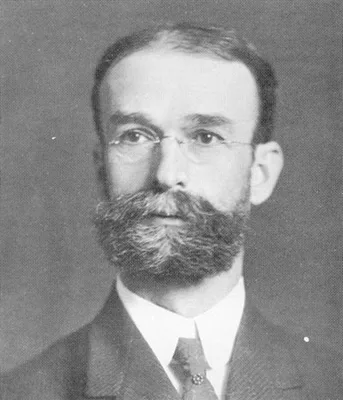
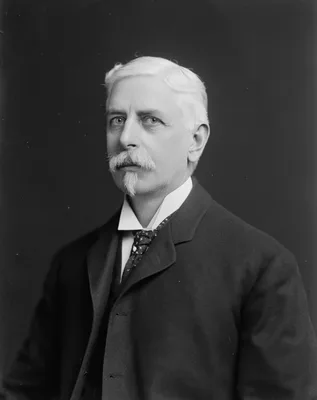
Discovery of Salmonella choleraesuis. The Salmonellae tribe was named after Salmon, even though the discovery was made by Smith. See Bibel, Milestones in immunology (1988) 31-32.
1886
#5080
Report on a disease of cows prevailing at a farm from which scarlatina had been distributed along with the milk of cows.
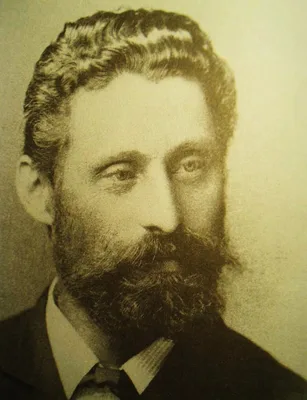
Contains the first suggestion of the streptococcal origin of scarlet fever.
1886
#5156
Die Aetiologie der Rotzkrankheit.
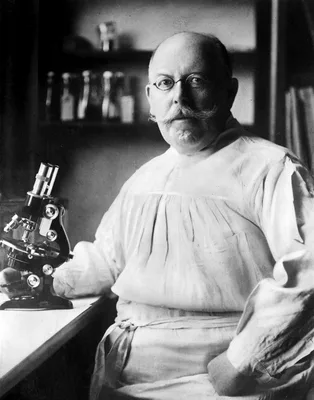
Discovery of Burkholderia mallei, causative organism of glanders. Preliminary notice in Dtsch. med. Wschr., 1882, 8, 707.
1886
#5359
Remarks on parasites and scorpions.
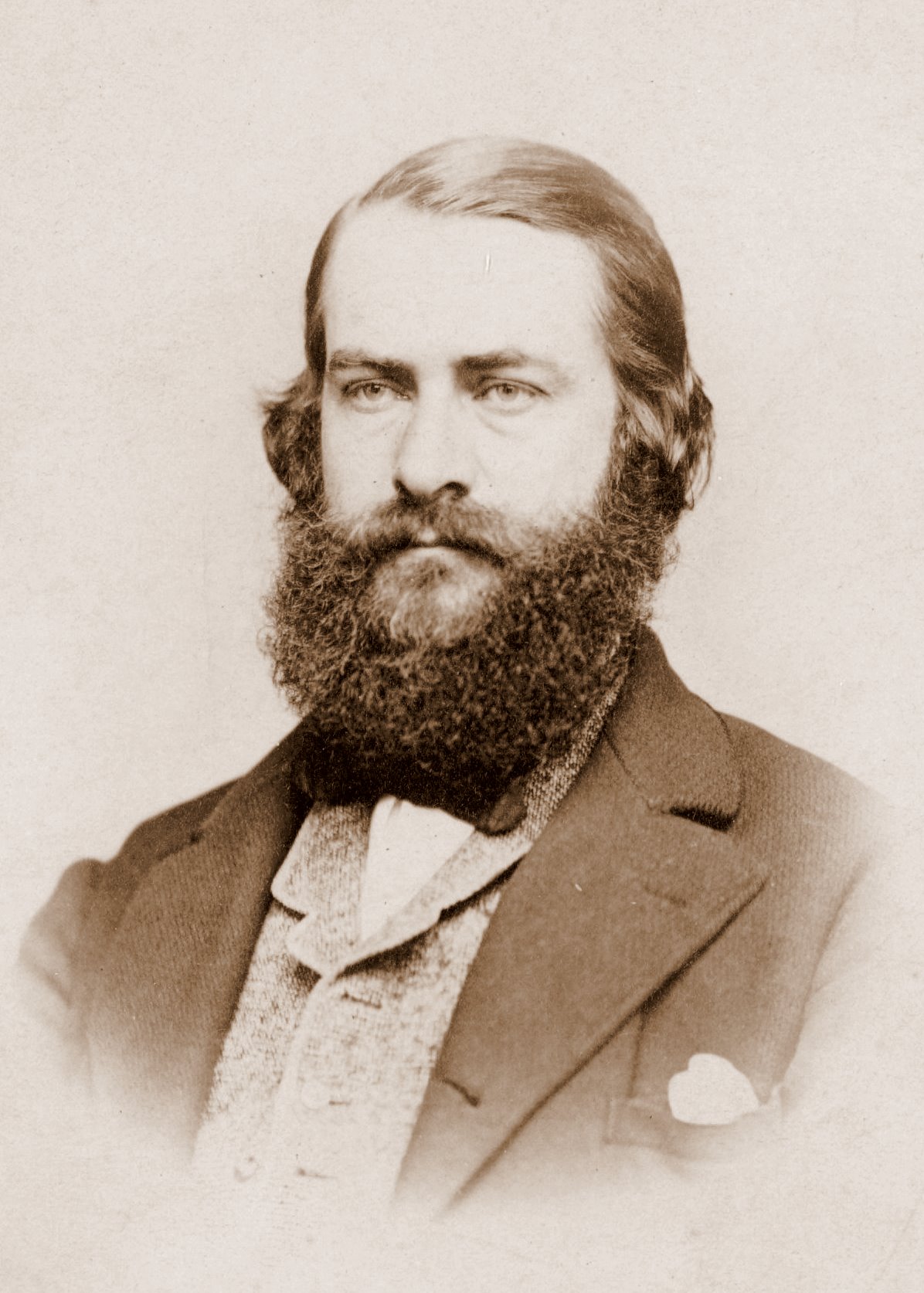
Leidy found the hookworm in the cat and suggested that it might also be found in man as a cause of pernicious anemia.
1888
#5512.1
Note sur la maladie des boeufs de la Guadeloupe, connue sous le nom de farcin.
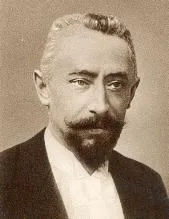
The first pathogenic aerobic actinomycete to be described. It was later named Nocardia farcinica and is probably identical with N. asteroides.
1889
#5157
Sur un moyen de diagnostic rapide de la morve.
Straus reaction for the diagnosis of glanders.
1889
#5936
Conjonctivite infectieuse transmise par les animaux.
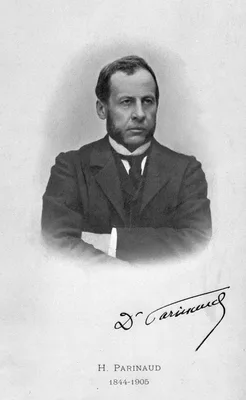
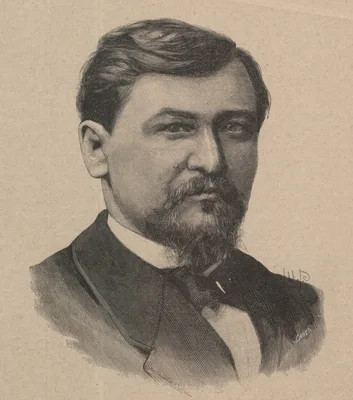
Parinaud described an infectious tuberculous conjunctivitis transmissible from animals to man. In 1924 Gifford suggested the name “Parinaud’s oculo-glandular syndrome” as a more suitable description. See also Rec. Oph…
1891
#5158
Observations sur la morve.
Mallein reaction for the diagnosis of glanders.
1891
#5514
Ueber Reincultur des Actinomyces und seine Uebertragbarkeit auf Thiere.
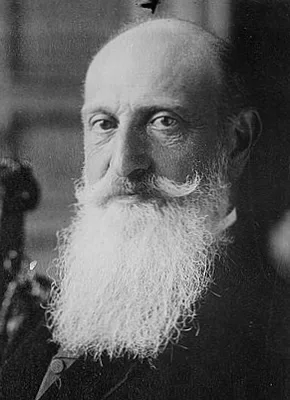
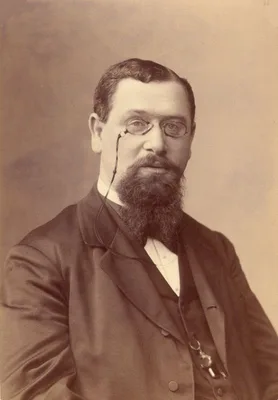
Isolation of Actinomyces bovis, later called Actinomyces israelii.
1891
#10152
A manual of saddles and collars, sore backs and sore shoulders.
"The subject of saddles and sore backs [of horses] is such an important one that I have considered the lectures delivered by me on the subject, in this school, might be of more permanent value if printed. "Every offic…
1892 –1982
#355
Index-catalogue of medical and veterinary zoology.
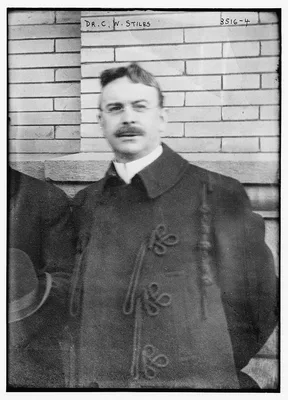
An index to the world's literature on parasites and parasitisms of man, of domestic animals, and of wild animals whose parasites may be transmitted to man and domestic animals. It also contains references to fur-beari…
1893
#5529
Investigations into the nature, causation and prevention of Texas or Southern cattle fever.
U.S. Bureau of Animal Industry, Bulletin No. 1. Discovery of the parasite of Texas cattle fever, Pyrosoma bigeminum, and proof that its transmission is due to the cattle tick, Boöphilus bovis. This was the first demon…
1895
#5170
Sulla preparazione del siero anti-carbonchioso.
Specific anti-anthrax serum. German translation in Zbl. Bakt., 1895, 1 Abt., 18, 744-45.
1898
#2457
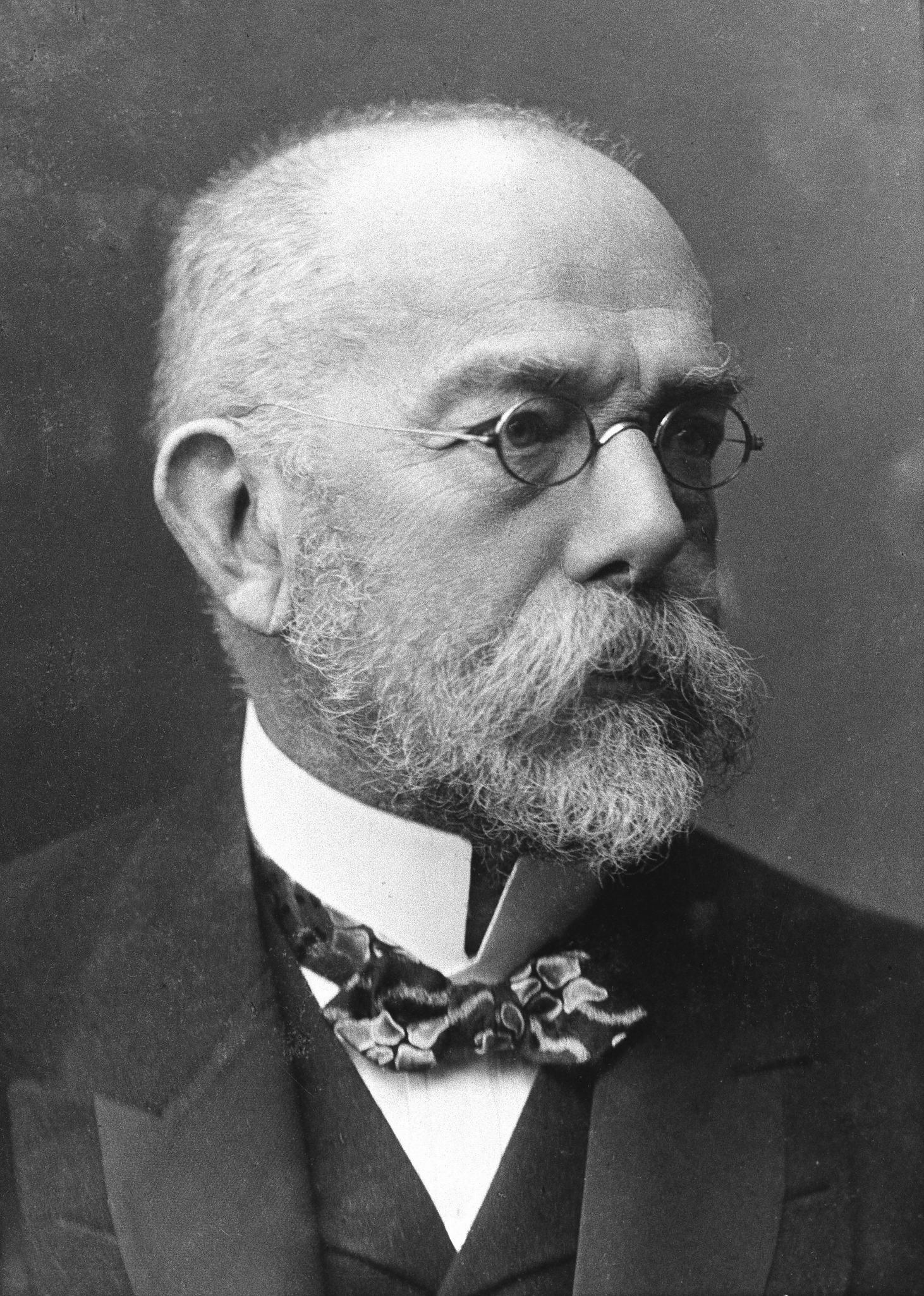
Reise-Bericht über Rinderpest, Bubonenpest in Indien und Afrika, Tsetse-oder Surrakrankheit, Texasfieber, tropische Malaria, Schwarzwasserfieber.
1898
#2335
A comparative study of bovine tubercle bacilli and of human bacilli from sputum.
First clear differentiation between the bovine and human types of tubercle bacillus.
1898
#2511
Bericht der Kommission zur Erforschung der Maul-und Klauenseuche bei dem Institut für Infektionskrankheiten.
Loeffler and Frosch proved that foot-and-mouth disease is caused by a filter-passing virus; this was the first recognition that a virus causes disease.
1898
#3182
Le microbe de la péripneumonie.
Discovery of the causal organism of bovine pleuropneumonia, also known as lung plague. Nocard and Roux considered it a filterable virus but now known to be a mycoplasma.
1898
#5249
On the haemocytozoa of birds.
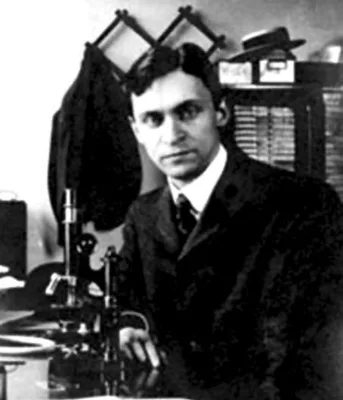
Demonstration of sexual conjugation in the malaria parasite. See also No. 5250.
1898
#5250
Notes on the pathological changes in the organs of birds infected with haemocytozoa.
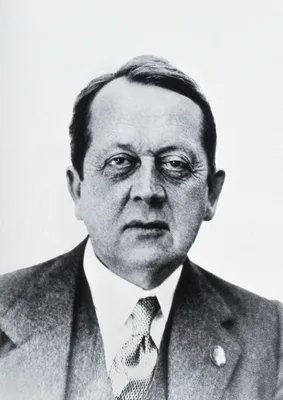
MacCallum and Opie discovered the sexual phase of malaria parasites.
1898
#5251
The rôle of the mosquito in the evolution of the malarial parasite.
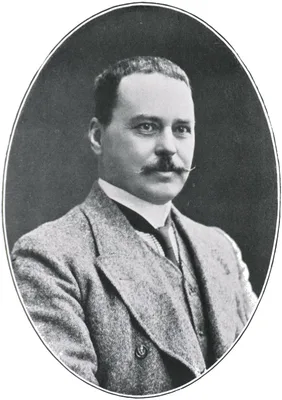
Ross provided the last link in the chain demonstrating the complete life-cycle of the parasite of bird malaria. He found that mosquitoes which had fed on malaria-infected birds, and which had allowed the parasites to …
1901
#10138
Elephants and their diseases: A treatise on elephants.
Digital facsimile of the 1910 edition from Biodiversity Heritage Library at this link.
1901
#10139
Claudii Hermeri. Mulomedicina Chironis editit Eugenius Oder.
Edition of the Mulomedicina in Codex Monacensis Latinus 243 saec. xv, a translation in vulgar Latin (by Claudis Hermeros?) of a Greek treatise. In the subscriptions of books 1 and 2, 9, 10, "Chiron Centaurus", "Chiron…
1902
#5531
Actinobacilosis.
Discovery of the actinobacillus.
1903
#12176
P. Vegeti Renati digestorum artis mulomedicinae libri edidit Ernestus Lommatzsch. Accedit Gargili Martialis de curis boum fragmentum.
Digital facsimile from Google Books at this link. Includes an edition of the Late Antique Latin writer Quintus Gargilius Martialis's fragmentary treatise on the tending of cattle.
1906
#2595
A study of the cause of sudden death following the injection of horse serum.
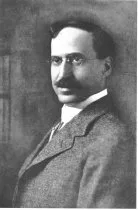

Forms Bulletin No. 29 of the Hygienic Laboratory, U. S. Marine Hospital Service. Rosenau and Anderson drew attention to the fact that animals receiving an injection of a foreign protein became sensitive to a second do…
1907
#13400
Multiple Nervenentzündung (Polyneuritis) bei Hühnern.
Marek's disease (fowl paralysis) later named by Peter Biggs, who determined that the disease was caused by Gallid alphaherpesvirus 2, and developed the first generation Marek's disease vaccine.
1908
#5041
Weitere Mitteilungen über Schweinepest mit besonderer Berücksichtigung der Bakteriologie der Hogcholeragruppe.
First description of Salmonella paratyphi C.
1908
#5282
Further results of the experimental treatment of trypanosomiasis in rats.
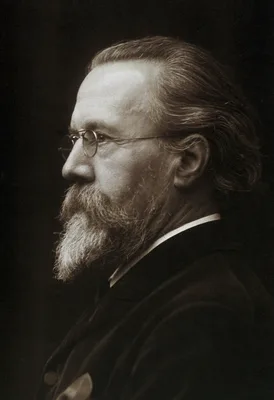

Trial of antimony in the treatment of trypanosomiasis.
1911
#5171
La precipitina nella diagnosi del carbonchio ematico.
Ascoli’s thermoprecipitin reaction for the diagnosis of anthrax. German translation in Zbl. Bakt., 1911, 1 Abt., 58, Orig., 63-70. Preliminary note in Patbologica, 1910, 3, 101.
1912
#5174
Further observations on a plague-like disease of rodents with a preliminary note on the causative agent, Bacterium tularense.
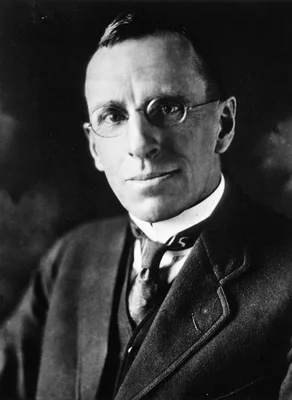
Isolation of Pasteurella tularensis, causal organism in tularemia.
1912 –1914
#10151
A veterinary history of the war in South Africa, 1899-1902. Supplement to: Veterinary record May 25, 1912-Sept. 26, 1914.
Digital facsimile from the Hathi Trust at this link.
1914
#9438
Medicina de quadrupedibus: An early English version with introduction, translation, notes, and glossary.
Digital facsimile from the Internet Archive at this link.
1915 –1921
#10135
Essai de bibliographie hippique donnant la description détaillée des ouvrages publiés ou traduits en Latin et en Français sur le cheval et la cavalerie avec de nombreuses biographies d’auteurs hippiques.... 2 vols. & supplement.
General Mennessier de la Lance was former commander of the 3rd division of cavalry in France. His comprehensive bio-bibliography on all things equestrian includes veterinary medicine. William Osler published a very co…
1917
#5159.1
A form of pseudo-tuberculosis (melioidosis).
Stanton identified the bacillus of melioidosis and reproduced the disease in animals by feeding and inoculation of cultures.
1919 –1933
#10149
The early history of veterinary literature and its British development
Digital facsimile of vol. 1 and limited (search only) of vol. 2-4 from the Hathi Trust at this link.
1921
#11762
On a form of swine fever occurring in British East Africa (Kenya Colony).
First description of African Swine Fever. Montgomery was "Veterinary Adviser to the Government of Uganda, formerly Veterinary Pathologist to the East Africa Protectorate."
1924 –1927
#7156
Corpus hippiatricorum Graecorum. 2 vols. 1. Hippiatrica Berolinensia. 2. Hippiatrica Parisina, Cantabrigiensia, Londinensia, Lugdunensia; Appendix.
1925
#5103
Studies on Brucella (Alkaligenes) melitensis.
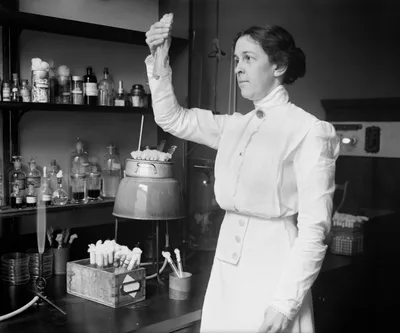
Forms Bulletin No. 143 of the U.S. Public Health Service Hygienic Laboratory. Alice Evans showed that the causal organism of Malta fever was closely related to Brucella abortus, responsible for contagious abortion in …
1926
#2522.1
A disease of rabbits characterised by a large mononuclear leucocytosis, caused by a hitherto undescribed bacillus acterium monocytogenes (n. sp.).
Isolation of Listeria monocytogenes. With R. A. Webb and M. B. R. Swann.
1927
#10150
A history of the Royal Army Veterinary Corps 1796-1919.
Digital facsimile from the Internet Archive at this link.
1928 –1929
#2523
The pathogenic streptococci. An historical survey of their role in human and animal disease.
Documents over 1,600 studies.