
Facets
Browse across eight MeSH (opens in new tab) facets — era, geography, science, specialty, technology, history, culture, and reference. Select one tag per group; counts update across the others. What’s new in facet browse how facets relate to subjects and MeSH.
Clear filtersFacet filters
Geography
Specialties & Disease
- Anatomy & Pathology 765
- Cardiology & Blood 914
- Neurology & Psychiatry 1,258
- Obstetrics & Reproductive 551
- Infectious Disease (General) 147
- Surgery & Anesthesia 1,553
- Public Health 1,129
- Immunology & Dermatology 1,405
- General Clinical Medicine 487
- Military Medicine 436
- Psychology 202
- Alternative & Fringe Medicine 383
- Pediatrics 247
- Ophthalmology & Vision 412
- ENT & Hearing 293
- Urology & Nephrology 309
- Gastroenterology & Hepatology 316
- Pulmonary & Respiratory 233
- Rheumatology, Rehab & Pain 189
- Internal, Emergency & Geriatric 123
- Veterinary Medicine 165
- Epidemiology & Demography 397
- Physiology & Embryology 924
- Dentistry 259
- Plagues & Epidemics 1,279
- Microbiology & Virology 1,080
Social & Historical Studies
Institutions & Culture
Reference & Scholarly Works
1,080 entries match Microbiology & Virology [C01.748]
1947
#5351.3
Experimental chemotherapy of filariasis. III. Effect of 1-diethylcarbamyl-4-methyl-piperazine hydrochloride against naturally acquired filarial infections in cotton rats and dogs.
Proof of antifilarial action of diethylcarbarmazine citrate (hetrazan). With S. Kushner, H. W. Stewart, E. White, W. S. Wallace, and Y. Subbarow.
1947
#5351.4
Sur la chimiothérapie de l’onchocercose. (Note préliminaire).
First effective chemotherapy (suramin) for onchocerciasis. With C. Heurard, E. Peel, and M. Wanson.
1948
#2526
A new mycobacterial infection in man.
Myco. ulcerans first described. With J. C. Tolhurst, G. Buckle, and H. A. Sissons.
1948
#5545
An unidentified, filterable agent isolated from the feces of children with paralysis.
Isolation of the Coxsackie virus from the stool of a patient residing in Coxsackie, New York.
1948
#5261.2
Pentaquine (Sn-13,276), a therapeutic agent effective in reducing the relapse rate in vivax malaria.
Clinical trials of pentaquine. With B. Craige, R. Jones, C. M. Whorton, T. N. Pullman, and L. Eichelberger.
1948
#5262
The pre-erythrocytic stage of mammalian malaria.
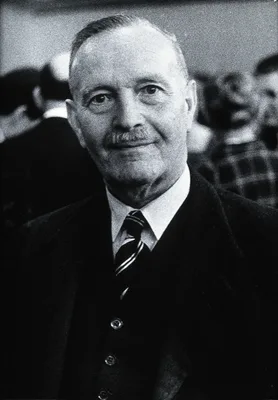
Demonstration of the pre-erythrocytic stage of P. cynomolgi in the monkey. With P. C. C. Garnham and B. Malamos. Preliminary communication in Nature (Lond.), 1948, 161, 126.
1948
#5262.1
The pre-erythrocytic stage of human malaria Plasmodium vivax.
With P. C. C. Garnham, G. Covell, and P. G. Shute.
1949
#4671.1
Cultivation of the Lansing strain of poliomyelitis virus in cultures of various human embryonic tissues.
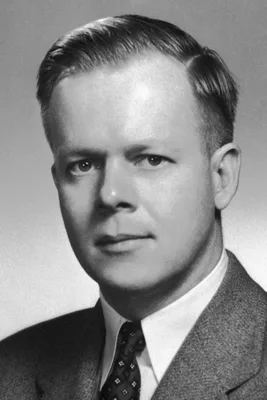
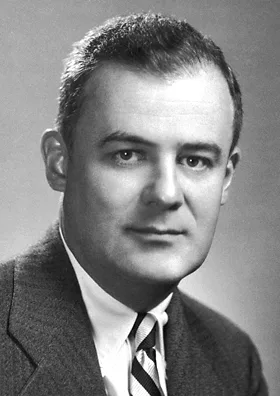
Enders, Weller, and Robbins grew the poliomyelitis virus in cultures of different tissues. Their method proved of great value in virus research, and removed the final obstacles to vaccine production. In 1974 Enders, W…
1949
#2526.1
Genetic recombinations leading to production of active bacteriophage from ultraviolet inactivated bacteriophage particles.
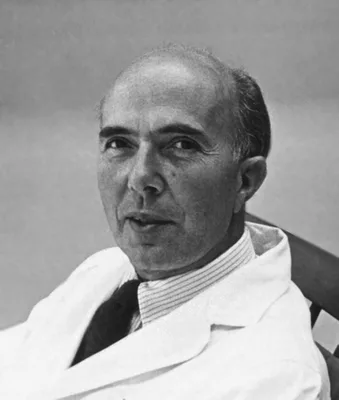
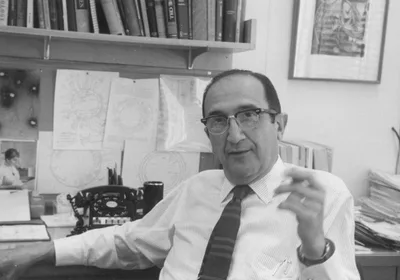
In 1969 Luria shared the Nobel Prize in Physiology or Medicine in with Delbrück (No. 2578.5) and A. D. Hershey (No. 256) "for their discoveries concerning the replication mechanism and the genetic structure of viruses."
1949
#5500
Studies on survival of influenza-virus between epidemics and antigenic variants of the virus.
Recovery of influenza C virus.
1949
#5515
Pure granulomatous nocardiosis: a new fungus disease distinguished by intracellular parasitism. A description of a new disease in man due to a hitherto undescribed organism, Nocardia intracellularis, n.sp., including a study of the biological and pathogenic properties of this species.
Nocardiosis described.
1949
#5546
Disease resembling nonparalytic poliomyelitis associated with a virus pathogenic for infant mice.
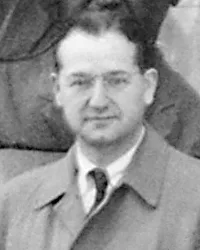
Isolation of the Coxsackie virus from patients with poliomyelitis. With E. W. Shaw.
1949
#5352.1
Bibliographie des schistosome et des schistosomiases (bilharzioses) humaines et animales de 1931 á 1948.
Continues and supplements No. 5352.
1949
#5402.1
Serological evidence of Q fever in Great Britain.
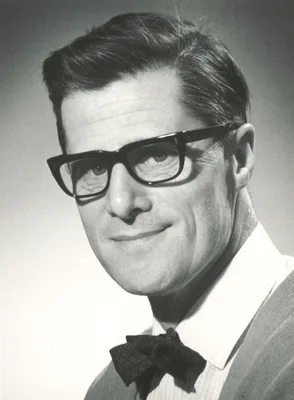
Relationship of primary atypical pneumonia and Q fever.
1949
#5262.2
The pre-erythrocytic stage of Plasmodium falciparum. A preliminary note.
With N. H. Fairley, G. Covell, P. G. Shute, and P. C. C. Garnham. See also Trans. roy. Soc. trop. Med. Hyg., 1951, 44, 405-19.
1949
#11102
Mushrooms in their natural habitats.
A distinctively published work illustrated stereoscopically with color View-Master slides, and incorporating the View-Master "reels" and a View-Master viewer in a box along with the conventional bound text.
1950
#5546.1
Colorado tick fever. Isolation of the virus from Dermacentor andersoni in nature and a laboratory study of the transmission of the virus in the tick.
Isolation of the virus of Colorado tick fever. With M. S. Miller and E. R. Mugrage.
1950
#5352.2
Bibliography of onchocerciasis.
Publication No. 242.
1950
#13473
Experimental congenital toxoplasmosis. 1. The vagina as a portral of entry of toxoplasma in the mouse. Experimental congenital toxomplasmosis II. Transmission of toxomplasmosis to the placenta and fetus following vaginal infection the the pregnant mouse. Experimental congenital toxoplasmosis III. Toxomplasmosis in the offspring of mice infected by the vaginal route. Incidence and manifestations of the disease.
"In 1950 and 1951, Drs. Cowen and Wolf published a series of 5 papers, super-titled, “Experimental Congenital Toxoplasmosis,” in which they demonstrated the intrauterine infection of placenta, fetus, and offspring wit…
1951
#5546.2
Cat-scratch fever. A disease entity.
First description.
1951
#13937
Conditions de l'efficacité inductice du rayonnement ultra-violet chez une bactérie lysogène.
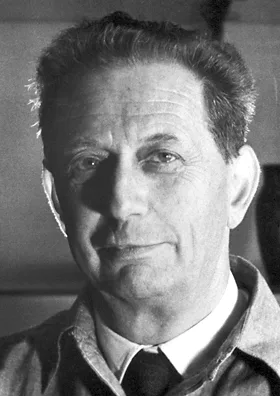
Lwoff successfully explained how the process of lysogeny works. The bacteriophage’s genes are incorporated into the bacteria’s genetic material, but remain latent until a trigger factor causes a new phage to be formed…
1952
#4672.1
Immune responses in human volunteers upon oral administration of a rodent-adapted strain of poliomyelitis virus.
Successful immunization against poliomyelitis with a living attenuated virus vaccine. With G. A. Jervis and T. W. Norton.
1952
#256
Independent functions of viral protein and nucleic acid in growth of bacteriophage.
DNA shown to be the carrier of genetic information in virus reproduction. In 1969 Hershey shared the Nobel Prize in Physiology or Medicine with S. E. Luria and M. Delbrück for "for their discoveries concerning the rep…
1952
#256.1
Genetic exchange in Salmonella.
Description of a new mechanism (“transduction”) for the transfer of genetic characters from one bacterial strain to another.
1952
#7864
Zika virus (I). Isolations and serological specificity.
First description of Zika virus, an arbovirus native to Africa. The authors named the virus after the Zika forest in Uganda, where they were searching for Yellow Fever. Instead they isolated a new virus in samples tak…
1952
#9719
Replica plating and indirect selection of bacterial mutants.
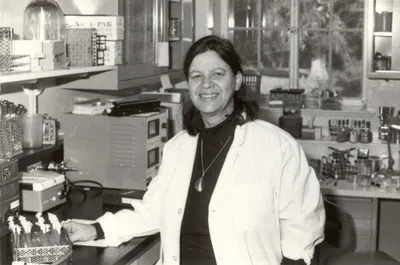
Demonstration of the mutational basis of antibiotic resistance. Digital facsimile from PubMedCentral at this link.
1952
#10939
Zika virus. (II). Pathogenicity and physical properties.
Dick's second paper on the Zika virus, immediately following his first paper in the same volume of the same journal (see no. 7864). First statement that the Aedes aegypti mosquito is the vector of transmission of the …
1952
#10940
Neutralizing antibodies against certain recently isolated viruses in the sera of human beings residing in East Africa.
First report of human illness caused by Zika virus, detected in Uganda and Tanzania. 38 patients had neutralizing antibodies to Zika virus in their blood serum, proving that they had been infected by the virus. (Thank…
1952
#11103
Studies on the cultivation of poliomyelitis viruses in tissue culture.
Order of authorship in the original publication: Weller, Enders, Robbins. In this paper the authors describe their improved method for culturing poliomyelitis viruses in "normal kidney tissue." Followed by Robbins, We…
1952
#12032
A nonhereditary, host-induced variation of bacterial viruses.
Order of authorship in the original publication: Luria, Human. Luria and Human discovered the restriction modification system found in bacteria and other prokaryotic organisms. This system provides a defense against f…
1952
#13938
Rôle des cations bivalents dans l'induction du développement du prophage par les agents reducteurs.
Lwoff gave the name "prophage" to the form in which the genome of the bacteriophage is perpetuated in lysogenic bacteria. The bacteriophages produced by these bacteria, known as temperate bacteriophages, can therefore…
1952
#13999
Production of plaques in monolayer tissue cultures by single particles of an animal virus.
Following Max Delbruck's advice, Dulbecco visited the major centers of animal virus work in the US in order to discover a way to quantitatively assay animal viruses by a plaque technique, similar to the technique that…
1953
#4672.2
Studies in human subjects on active immunization against poliomyelitis. 1. A preliminary report of experiments in progress.
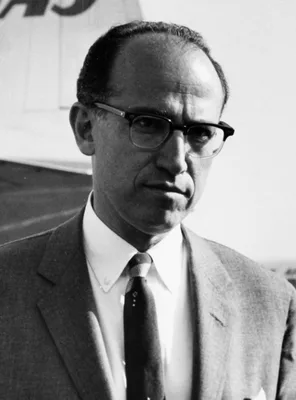
Killed-virus vaccine. With four co-authors.
1953
#2526.2
Isolation of a cytopathogenic agent from human adenoids undergoing spontaneous degeneration in tissue culture.
Discovery of adenoviruses. With R. J. Huebner, L. K. Gilmore, R. H. Parrott, and T. G. Ward.
1953
#3215.3
Newborn virus pneumonitis (type Sendai). II. The isolation of a new virus possessing hemagglutinin activity.
M. Kuroya, N. Ishida, and T. Shiratori isolated the first recognized Sendai (para-influenza) virus.
1953
#5440.1
Serial propagation in vitro of agents producing inclusion bodies derived from varicella and herpes zoster.
Isolation of the varicella-herpes virus.
1954 –1960
#5352.3
Annotated bibliography of filariasis and elephantiasis. 5 parts.
South Pacific Commission Technical Papers, Nos. 65, 88, 109 (and Supplement), 124, and 160.
1954
#5449.2
Propagation in tissue cultures of cytopathogenic agents from patients with measles.
Isolation of measles virus.
1954
#13994
Induction spontanée du développement du bactériophage lambda au cours de la recombinaison génétique, chez Escherichia coli K 12.
Wollman and Jacob discovered zygotic induction. This occurs when a bacterial cell carrying the silenced DNA of a bacteriophage transfers the viral DNA along with its own DNA in its chromosome to another bacterial cell…
1954
#14000
Plaque formation and isolation of pure lines with poliomyelitis viruses.
Dulbecco and Vogt were the first to successfully grow the poliovirus in vitro. They were also able to plaque purify it-- an essential step for subsequent vaccine production.
1955
#4672.3
Immunization of chimpanzees and human beings with avirulent strains of poliomyelitis virus.
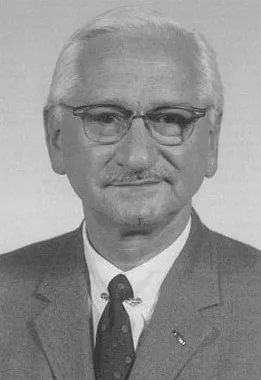
Sabin reported the successful immunization of chimpanzees by oral and I.M. route using the Brunhilde, Mahoney and Leon strains of polio virus. On p. 1055 he reported the experimental results on humans given a "single …
1955
#2527
Reconstitution of active tobacco mosaic virus from its inactive protein and nucleic acid components.
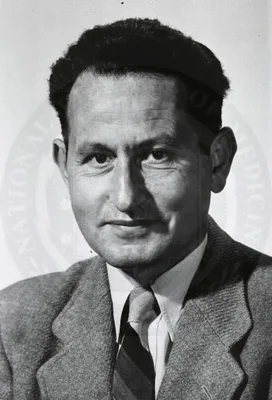
First reconstitution of a virus.
1955
#2527.1
Crystallization of purified MEF-1 poliomyelitis virus particles.
First crystallization of an animal virus.
1955
#5546.3
Propagation and primary isolation of mumps virus in tissue culture.
1955
#13140
Airborne contagion and air hygiene: An ecological study of droplet infections.
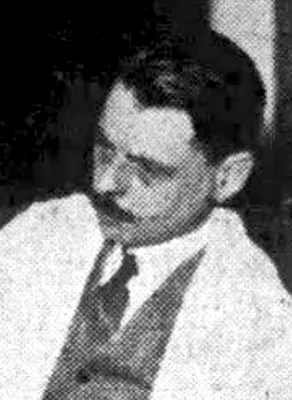
"In 1954, Wells began a long-term experiment to demonstrate that tuberculosis could be transmitted through air. At the VA Hospital in Baltimore, collaborating with Riley, John Barnwell, and Cretyl C. Mills, he built a…
1955
#14001
Structure of tobacco mosaic virus.
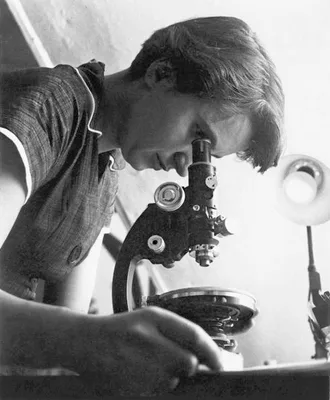
The first discovery of the geometry of a protein structure. Franklin, whose X-ray photographs of DNA were crucial to Watson and Crick's discovery of the molecule's double helix structure in 1953, began researching the…
1956 –1960
#86.4
Collected papers of Paul Ehrlich. Compiled and edited by F. Himmelweit. 3 vols.
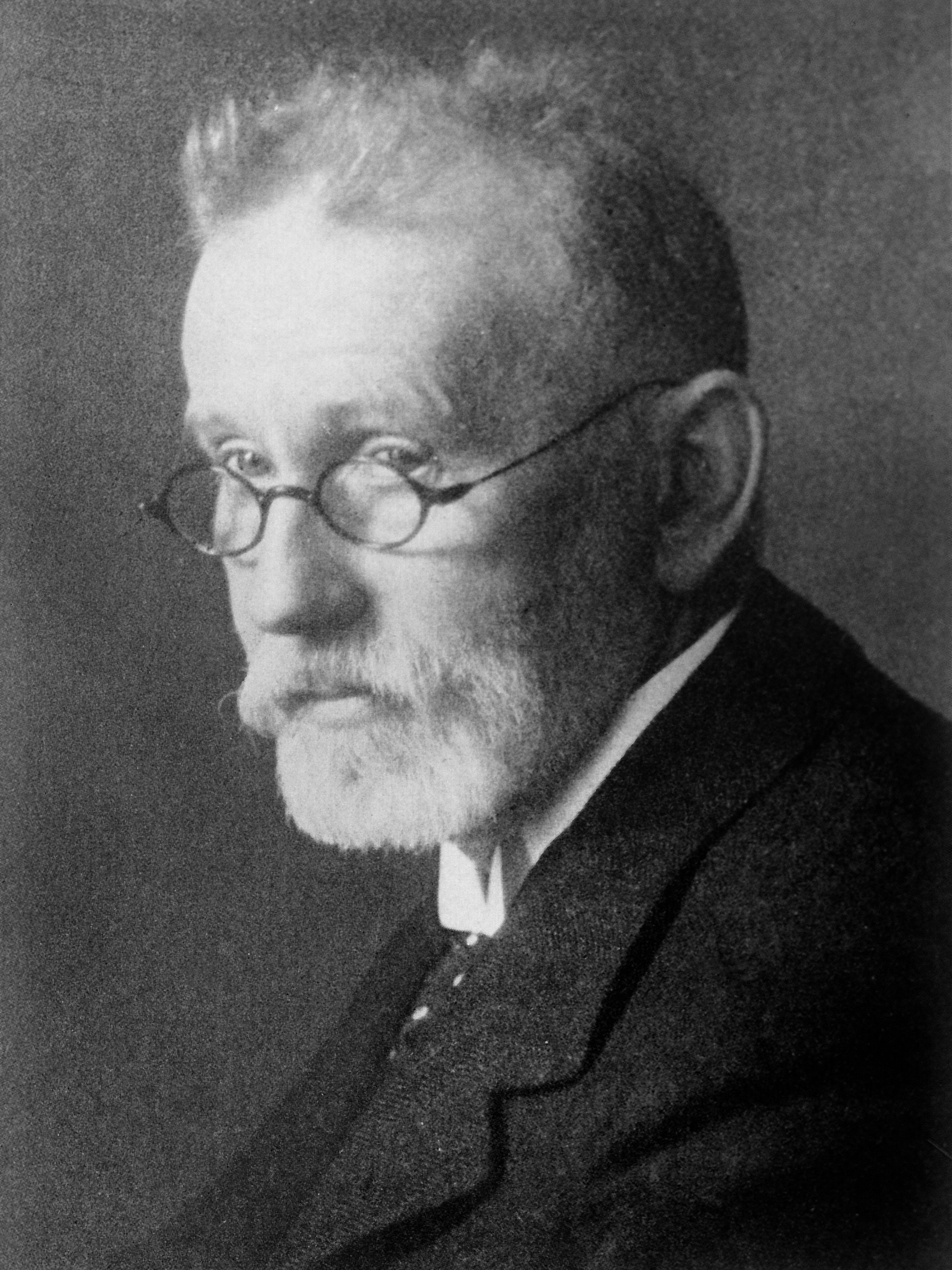
Vol. I: Histology, biochemistry, and pathology, Vol. 2: Immunology and cancer research; Vol. 3: Chemotherapy. Most texts are in German. English translations are also published when available. The set includes new Engl…
1956
#2527.2
Propagation in tissue culture of a cytopathogenic virus from human salivary gland virus (SGV) disease.
Isolation of cytomegalovirus
1956
#2578.17
Infectivity of ribonucleic acid from tobacco mosaic virus.
Proof that nucleic acid produces infectivity. See also Z. Naturf., 1956, 11b, 138-42.
1957
#4729.1
Degenerative disease of the central nervous system in New Guinea. The endemic occurrence of “Kuru” in the native population.
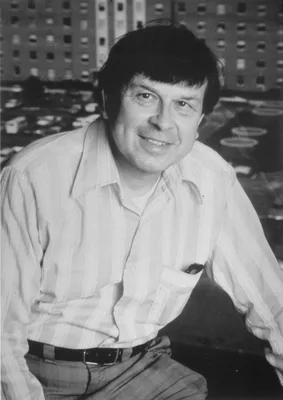
First description of Kuru, a disease occurring in natives of New Guinea. Cause of the disease was unknown. "It is now widely accepted that kuru was transmitted among members of the Fore tribe of Papua New Guinea via f…