
Facets
Browse across eight MeSH (opens in new tab) facets — era, geography, science, specialty, technology, history, culture, and reference. Select one tag per group; counts update across the others. What’s new in facet browse how facets relate to subjects and MeSH.
Clear filtersFacet filters
Geography
Specialties & Disease
- Anatomy & Pathology 765
- Cardiology & Blood 914
- Neurology & Psychiatry 1,258
- Obstetrics & Reproductive 551
- Infectious Disease (General) 147
- Surgery & Anesthesia 1,553
- Public Health 1,129
- Immunology & Dermatology 1,405
- General Clinical Medicine 487
- Military Medicine 436
- Psychology 202
- Alternative & Fringe Medicine 383
- Pediatrics 247
- Ophthalmology & Vision 412
- ENT & Hearing 293
- Urology & Nephrology 309
- Gastroenterology & Hepatology 316
- Pulmonary & Respiratory 233
- Rheumatology, Rehab & Pain 189
- Internal, Emergency & Geriatric 123
- Veterinary Medicine 165
- Epidemiology & Demography 397
- Physiology & Embryology 924
- Dentistry 259
- Plagues & Epidemics 1,279
- Microbiology & Virology 1,080
Social & Historical Studies
Institutions & Culture
Reference & Scholarly Works
1,080 entries match Microbiology & Virology [C01.748]
1915
#5386
Intermittent fever of obscure origin, occurring among British soldiers in France. The so-called “trench-fever”.
In this paper trench fever is so named for the first time.
1915
#5430.1
Pure cultivation in vivo of vaccine virus free from bacteria.
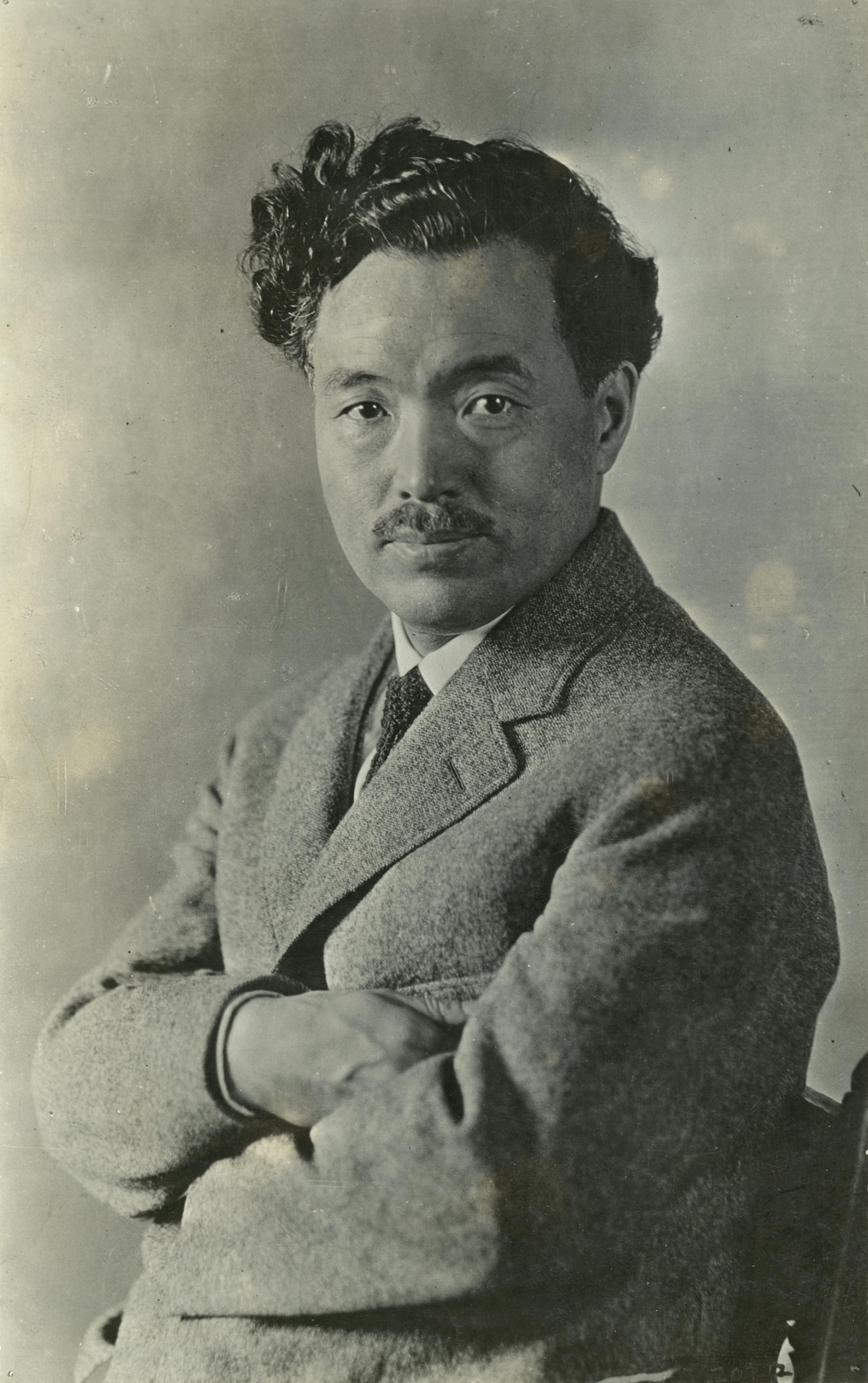
Noguchi obtained a pure culture of vaccinia virus.
1916
#2521
Contribution à l’étiologie de la gangrène gazeuse.
Isolation of Cl. histolyticum.
1916
#5326
The cause of rat-bite fever.
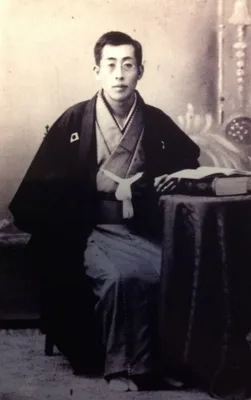
K. Futaki, I. Takaki, T. Taniguchi, and S. Osumi found a spirillum (Sp. morsus muris) in the lymphatic glands and blood stream in cases of rat-bite fever (sodoku).
1916
#5334
The etiology, mode of infection, and specific therapy of Weil’s disease (Spirochaetosis icterohaemorrhagica)
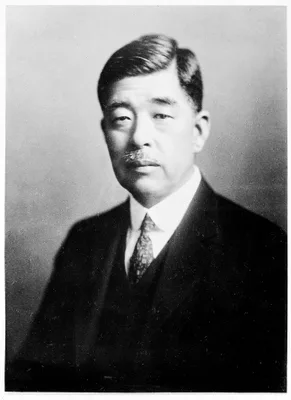
Inada, Y. Ido, R. Hoki, R. Kaneko, and H. Ito proved that Sp. (Leptospira) icterohaemorrhagiae is the causal organism in Weil’s disease (Leptospirosis). Preliminary report (in Japanese) in Tokyo Ijishinshi, 1915, No. …
1916
#5537
Torula infection in man.
Description of Torula histolytica infection in man, later shown to be identical with Cryptococcus neoformans. Digital facsimile from Google Books at this link.
1916
#5387
Ueber eine neue periodische Fiebererkrankung (Febris Wolhynica).
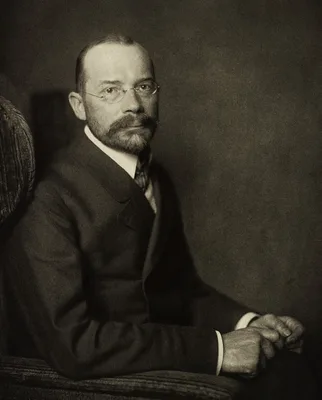
His encountered a form of “trench fever” in Volhynia, Russia, and named it after that district.
1916
#5388
Zur Aetiologie des Fleckfiebers.
Rickettsia prowazeki, cause of epidemic typhus, was first isolated by the Brazilian microbiologist Henrique da Rocha-Lima, who named it after Ricketts and Prowazek, both of whom died of the disease.
1916
#5389
Zur Ursache und Uebertragung des Wolhynischen Fiebers.
Isolation of Rickettsia quintana (now called Bartonella quintana) from lice found on patients suffering from trench fever.
1917
#4648
The Australian epidemics of an acute polio-encephalomyelitis (X disease).
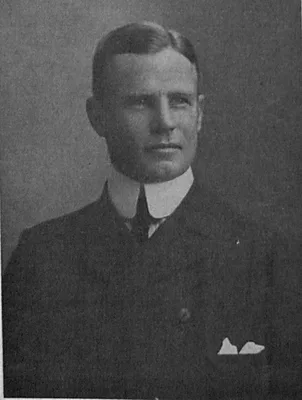
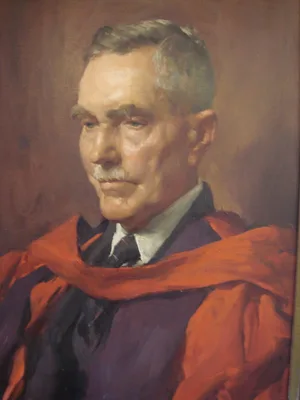
Campbell was Australia's first neurologist. This paper described Murray Valley encephalitis (Australian X disease). Cleland and Campbell isolated a virus from the cerebral tissue of three patients.
1917
#2460
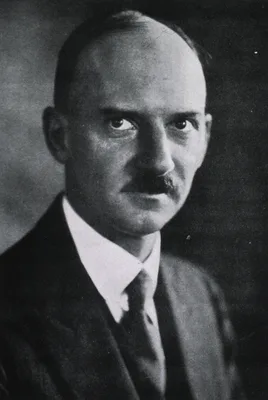
Life history of Ascaris lumbricoides and related forms.
1917
#2572
Sur une microbe invisible antagoniste des bacilles dysentérique.
d'Herrelle discovered a microbe-eating virus that he called "bacteriophage." He made his discovery independently of the work of Frederick Twort, which was published two years earlier. (See No. 2571).
1917
#5095
Eine neuer Typus aus der Gruppe der Ruhrbazillen als Erreger einer grösseren Epidemie.
Schmitz’s bacillus – Bact. ambiguum (Shigella schmitzii),a cause of dysentery.
1917
#5159.1
A form of pseudo-tuberculosis (melioidosis).
Stanton identified the bacillus of melioidosis and reproduced the disease in animals by feeding and inoculation of cultures.
1917
#5334.1
The rat as a carrier of Spirochaeta icterohaemorrhagiae, the causative agent in Weil’s disease (spirochaetosis icterohaemorrhagica)
Rats shown to be the carriers of Leptospira. With R. Hoki, H. Ito, and H. Wani.
1918
#3542
Dysentery bacilli: the differentiation of the true dysentery bacilli from allied species.
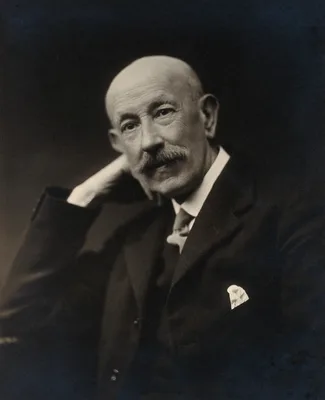
Shigella alkalescens described.
1918
#5334.2
Spirochaeta hebdomadis, the causative agent of seven-day fever (nanukayami)
Discovery of Leptospira hebdomadis, carried by a mouse. With H. Ito and H. Wani.
1918
#5350.6
The successful use of antimony in bilharziosis.
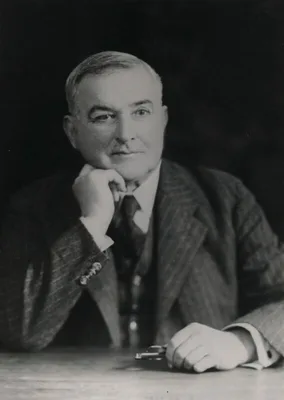
Introduction of tartar emetic (antimony) in the treatment of schistosomiasis.
1918
#8604
Medical diseases of the war. Second edition
Roughly the first half of this work is on "war neuroses." The second half is on "infective and other disorders," including gas poisoning. Hurst greatly expanded the first section after experience as a neurologist in E…
1919
#5044
A new generation of paratyphoid.
Hirszfeld gave an important description of Salmonella paratyphi C. (“Hirszfeld’s bacillus”).
1919
#11486
The amoebae living in man; a zoological monograph.
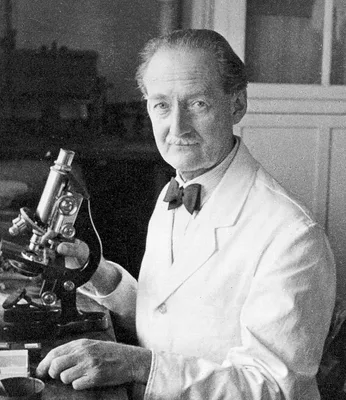
"I have attempted in this monograph to give an accurate and concise account of all the amoebae which live in human beings." Digital facsimile from Biodiversity Heritage Library at this link.
1919
#12006
The use of blood agar for the study of streptococci.
In this monograph with numerous charts and 34 full-page plates Brown classified streptococci into α, β, A prime and γ based on the type and degree of hemolysis produced by the bacteria on a blood agar plate. He also d…
1920
#4719.1
Ueber eine eigenartige herdförmige Erkrankung des Zentralnervensystems.
Creutzfeld-Jakob disease, spatic pseudoschlerosis, independently discovered by Jakob. (see No. 4722). English translation in No. 5019.14, pp. 97-112. Creutzfeld described a single case and later reported that "his cas…
1920
#86.2
Papers and addresses by William Henry Welch. [Edited by Walter C. Burket]. 3 vols.
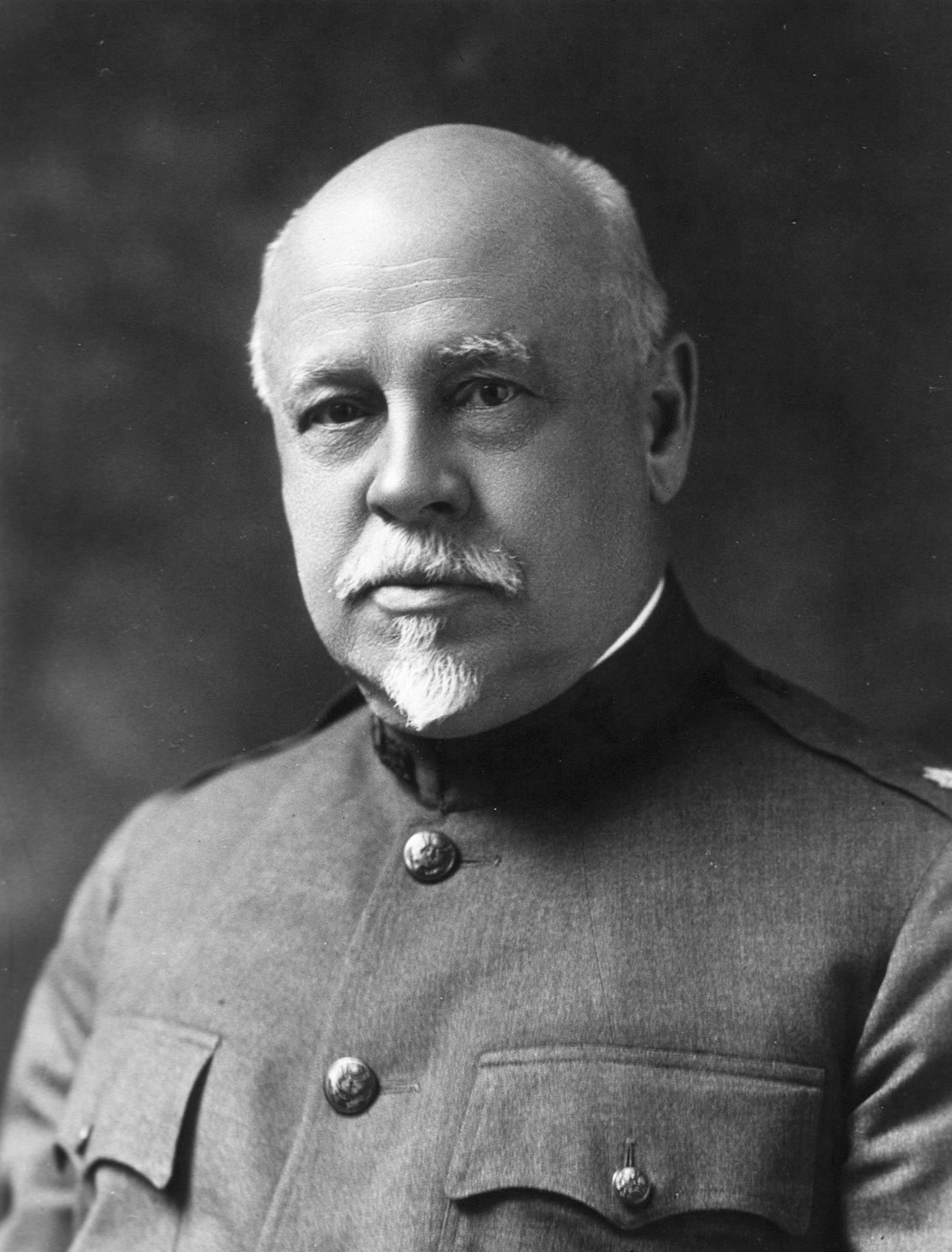
Vol. 1: Pathology and preventive medicine. Vol. 2: Bacteriology. Vol. 3: Medical education, history, miscellaneous subjects, and Welch's bibliography. Introduction by Simon Flexner. Digital facsimile from the Internet…
1920
#2645.1
A preliminary report on the experimental production of sarcoma of the liver of rats.
Proof that cancer can be caused by a parasite, Cysticercus fasciolaris, the larval stage of Taenia crassicolis. With M. R. Curtis and G. L. Rohdenberg. See also Proc. N.Y. path. Soc., 1920, 20, 149-75.
1920
#2572.1
Exsudats leucocytaires et autolyse microbienne transmissible.
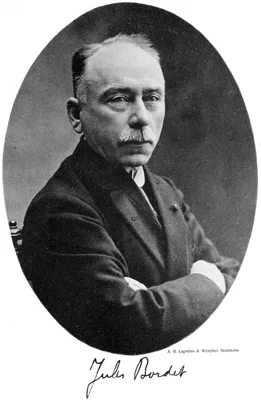
Lysogeny
1920
#5486.1
Mononucleosis leukocytosis in reaction to acute infections (“infectious mononucleosis”).
Classic account, with first use of the term “infectious mononucleosis”.
1920
#5492
Report on the pandemic of influenza 1918-19.
Reports on Public Health and Medical Subjects, No. 4. The most widespread and serious pandemic of influenza occurred in 1918-19. It spread throughout Europe, Russia, Canada, S. America, New Zealand, Australia, Africa,…
1920
#5538
Herpetic sore throat.
First description of herpangina, an acute infection associated with Coxsackie viruses.
1921
#4722
Ueber eigenartige Erkrankungen der Zentralnervensystems mit bemerkenswertem anatomischem Befunde. (Spastische Pseudosklerose — Encephalomyclopathie mit disseminirrten Degenerationsherden.)
“Creutzfeld-Jakob disease”, spastic pseudosclerosis. Traditionally considered to have been independently discovered by Creutzfeld, but in the 21st century recognized as a discovery by Jakob alone. See also No. 4719.1.
1921
#2521.1
Untersuchungen über die Ätiologie der Krankheiten der Herpesgruppe (Herpes zoster, Herpes genitalis, Herpes febrilis).
Lipschütz’s account of herpes virus diseases included identification of the characteristic inclusion bodies (“Zosterkörperchen”).
1921
#2573
Results of experimental studies on focal infection and elective localization.
Rosenow showed that focal infection could by caused by bacteria in teeth, etc.
1921
#5350.7
On the life cycle of Fasciolopsis buski Lankester.
1921
#5368
The use of carbon tetrachloride for the removal of hookworms.
Introduction of the carbon tetrachloride treatment of ankylostomiasis.
1921
#5192
Ueber Behandlungsversuche der chronischen Amoebenruhr mit Yatren.
Introduction of Yatren.
1921
#5392
Cultivation of rickettsia-like bodies in typhus fever.
Isolation of Rickettsia prowazeki from the blood. With S. A. Ritter and G. Baehr.
1921
#10196
Le bactériophage: Son rôle dans l'immunité.
D'Hérrelle cited several actual reports of successful treatment of bacterial infections by the injection of bacteriophages in animals and humans. These may be considered early attempts at direct gene transfer in vivo …
1921
#11010
Diagnosis of protozoa and worms parasitic in man.
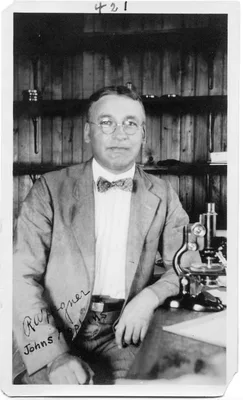
1922 –1939
#83
Œuvres de Pasteur, réunies par Pasteur Vallery-Radot. 7 vols.
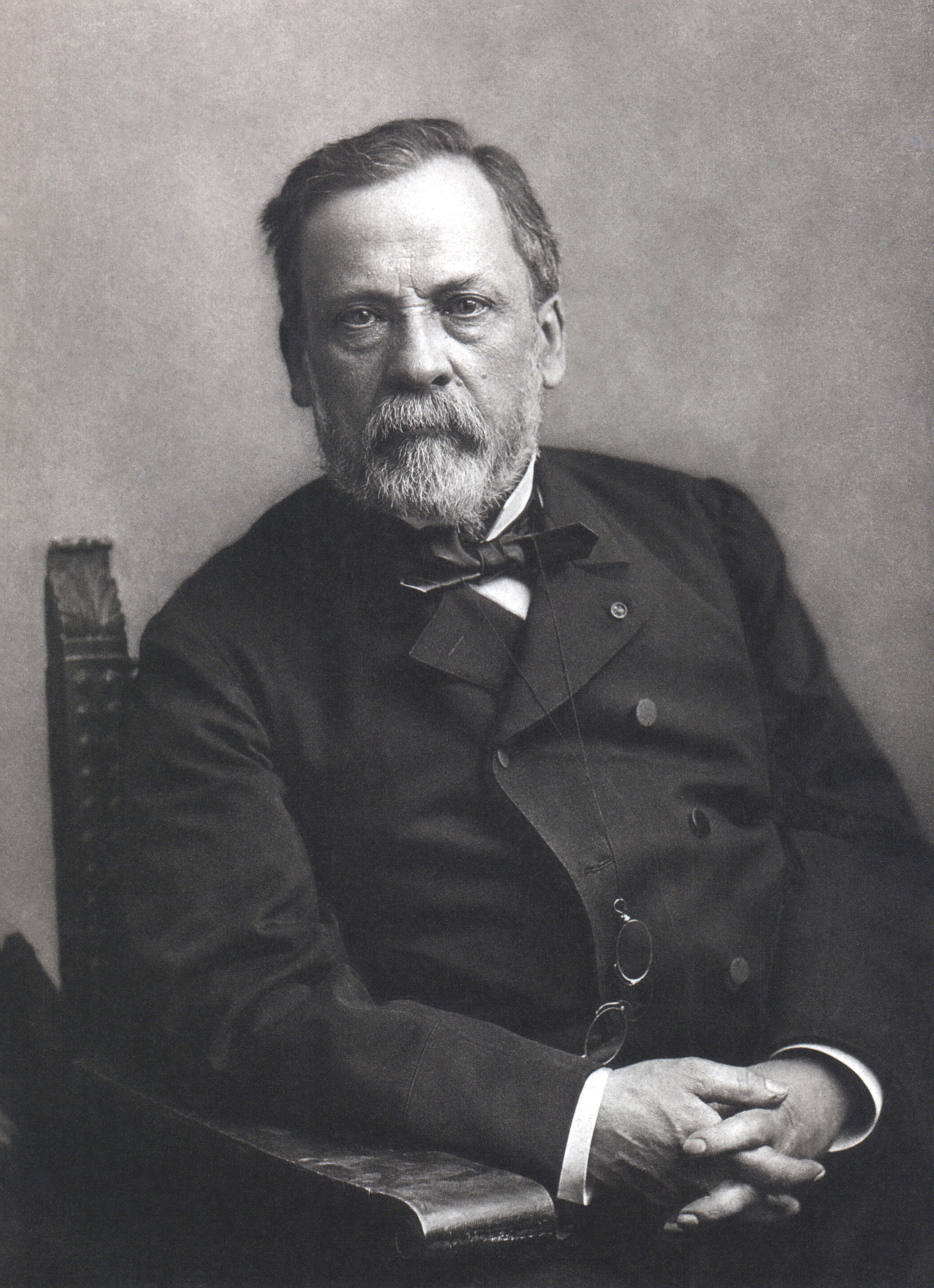
One of the founders of bacteriology, Pasteur's work on fermentation, the doctrine of spontaneous generation (which he exploded), virus diseases and preventive vaccinations, was fundamental. Digital facsimile of the co…
1922
#1910.1
On a remarkable bacteriolytic element found in secretions and tissues.
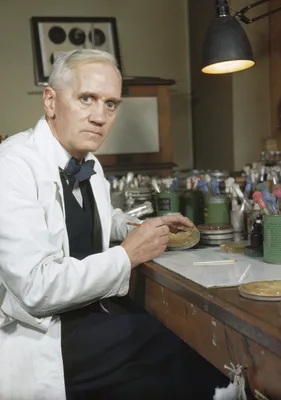
Lysozyme, an antimicrobial enzyme that is a component of secretions such as tears and saliva. Digital facsimile from royalsocietypublishing.org at this link
1922 –1925
#3691
An investigation into the aetiology of dental caries. I: The nature of the destructive agent and the production of artificial caries. II" The biological characteristics and distribution of B. acidolphilus odontolyticus. III: Further experiments on the production of artificial caries. IV: Accessory factors in dental caries. (1) Reaction of the saliva (2) Acid resistance of teeth.(3) Bacteriotropic action of saliva.
Isolation of Lactobacillus odontolyticus I and II from carious teeth. Digital facsimile of part 1 from PubMedCentral at this link. Digital facsimile of part 4 from PubMedCentral at this link.
1922
#5369
Bibliography of hookworm disease.
Contains 5,680 references to all aspects of hookworm disease, prefaced by a short history. Digital facsimile from the Internet Archive at this link.
1922
#5393
The etiology and pathology of typhus. Being the main report of the Typhus Research Commission of the League of Red Cross Societies to Poland.
The carefully controlled experiments of Wolbach, Todd, and Palfrey eliminated all doubt that R. prowazeki was the causal agent in typhus. Digital facsimile from the U.S. National Library of Medicine at this link.
1922
#5255.2
A new malaria parasite of man.
Plasmodium ovale described.
1922
#12656
Studies in the specific study of the bacteriology of dental cavities.
Rodríguez discovered that three types of the Lactobacillus species of bacteria, during the process of fermentation, are the causes of cavities. Digital facsimile from Google Books at this link.
1923
#2522
Manual of determinative bacteriology.
The Society of American Bacteriologists appointed in 1920 a Committee on Characterization and Classification of Bacterial Types. Their reports were incorporated in the above Manual issued under the names of Bergey and…
1923
#3323
On the aetiology of the laryngeal papilloma.
In this classic paper Ullmann reported the transmission of the virus to animals.
1923
#5538.1
On Rhinosporidium seeberi (Wernicke, 1903), with special reference to its sporulation and affinities.
Ashworth was the first to show that Rhinosporidium was a fungus.
1923
#5193
Le stovarsol guérit rapidement la dysenterie amibienne.
Introduction of stovarsol (oxyaminophenylarsenic acid) in the treatment of amoebiasis.
1923
#12109
A treatise on influenza, with special reference to the pandemic of 1918.
Sen, company doctor on the Hurmutty Tea Estate in Assam, estimated that the pandemic killed about 15,000,000 people in India.