
Facets
Browse across eight MeSH (opens in new tab) facets — era, geography, science, specialty, technology, history, culture, and reference. Select one tag per group; counts update across the others. What’s new in facet browse how facets relate to subjects and MeSH.
Clear filtersFacet filters
Geography
Specialties & Disease
- Anatomy & Pathology 0
- Cardiology & Blood 0
- Neurology & Psychiatry 4
- Obstetrics & Reproductive 0
- Infectious Disease (General) 0
- Surgery & Anesthesia 0
- Public Health 4
- Immunology & Dermatology 0
- General Clinical Medicine 0
- Military Medicine 0
- Psychology 1
- Alternative & Fringe Medicine 13
- Pediatrics 0
- Ophthalmology & Vision 0
- ENT & Hearing 0
- Urology & Nephrology 0
- Gastroenterology & Hepatology 0
- Pulmonary & Respiratory 0
- Rheumatology, Rehab & Pain 0
- Internal, Emergency & Geriatric 0
- Veterinary Medicine 0
- Epidemiology & Demography 0
- Physiology & Embryology 0
- Dentistry 0
- Plagues & Epidemics 0
- Microbiology & Virology 0
Social & Historical Studies
Institutions & Culture
Reference & Scholarly Works
Drugs & Technology
21 entries match Traditional & Indigenous [G02.403.700] · Pharmacology & Therapeutics [D01 / E02] · Professions & Education [M01 / N02]
1746
#8869
Medicina Britannica; or, a treatise on such physical plants as are generally to be found in the fields or gardens of Great-Britain: Containing a particular account of their nature, virtues, and uses. Together with the observations of the most learned physicians, as well ancient as modern, communicated to the late ingenious Mr. Ray, and the learned Dr. Sim. Pauli. Adapted more especially to the occasions of those, whose condition or situation of life deprives them, in a great measure, of the helps of the learned. To which are added, three indexes: The first containing the England and Latin names of the plants treated of: The second of the diseases, and their remedies: The third to the notes.
Short focused his book on the medical uses of plants readily available in England. Many of the plants recommended in the traditional herbal literature were difficult to find in England. Digital facsimile from the Biod…
1774
#6451.90
An oration…containing an enquiry into the natural history of medicine among the Indians in North-America; and a comparative view of their diseases and remedies, with those of civilized nations.
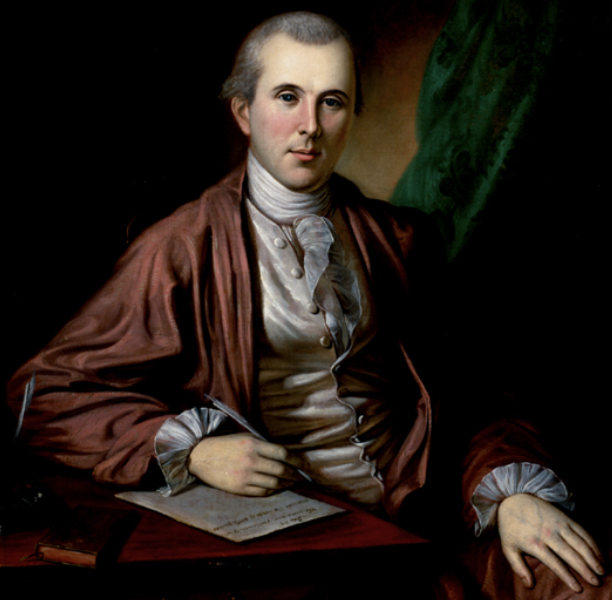
Rush was the first American physician to publish a detailed study of native American medicine. Digital facsimile from the Medical Heritage Library, Internet Archive, at this link.
1822
#6988
New guide to health; or botanic family physician, containing a complete system of practice, upon a plan entirely new; with a description of the vegetables made use of, and directions for preparing and adminstering them to cure disease. To which is prefixed a narrative of the life and medical discoveries of the author.
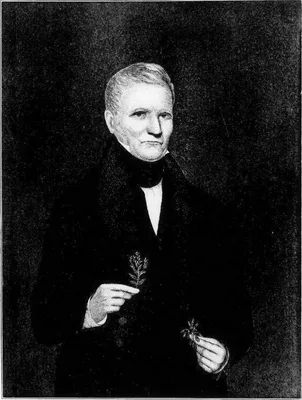
The "Bible" of Thomsonism or "Thomsonian medicine", which employed botanical remedies, often based on native American medicines. Digital facsimile from the Medical Heritage Library, Internet Archive, at this link.
1822
#10751
A narrative of the life and medical discoveries of Samuel Thomson: Containing an account of his system of practice, and the manner of curing disease with vegetable medicine, upon a plan entirely new; to which is added an introduction to his New Guide to Health, or Botanic Family Physician containing the principles upon which the system is founded, with remarks on fevers, steaming, poison &c.
Thomson issued this introductory work shortly before publication of his New Guide. Three issues appeared in 1822: one with 180 pages, another with 182 pages including testimonials, and a 204 page issue with the introd…
1900
#9475
The ethno-botany of the Coahuilla Indians.
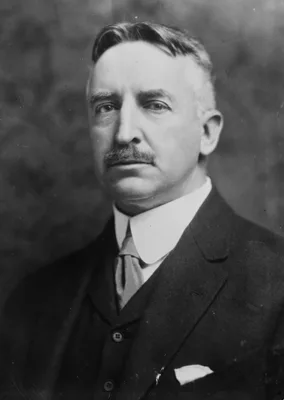
"The ʔívil̃uqaletem (or Ivilyuqaletem) are Native Americans of the inland areas of southern California.[2] Their original territory included an area of about 2,400 square miles (6,200 km2). The traditional Cahuilla te…
1932
#6460
Medicine among the American Indians.
Reprinted, New York, Hafner, 1962.
1932
#7003
The Swimmer manuscript. Cherokee sacred formulas and medicinal prescriptions, by James Mooney, revised, completed and edited by Frans M. Olbrechts. Smithsonian Institution, Bureau of American Ethnology Bulletin 99.
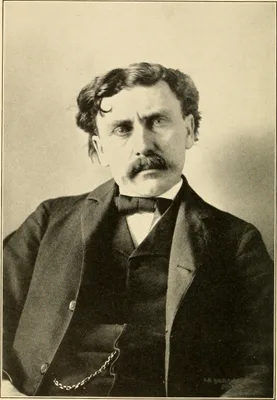
Digital facsimile from the Internet Archive at this link.
1938
#13291
The peyote cult.
The history of the study of the cult, the various botanical questions surrounding peyote, its physiological action and the various ethnological, psychological and historical questions involved in its diffusion.
1971
#10857
Peyote: an account of the origins and growth of the Peyote religion.
"The Peyote religion is a medico-religious cult. In considering native American medicines, one must always bear in mind the difference between the aboriginal concept of a medicinal agent and that of our modern Western…
1972
#9021
A medicine-man's implements and plants in a Tiahuanacoid tomb in highland Bolivia, (Etnologiska studier, 32). Edited by Henry Wassén.
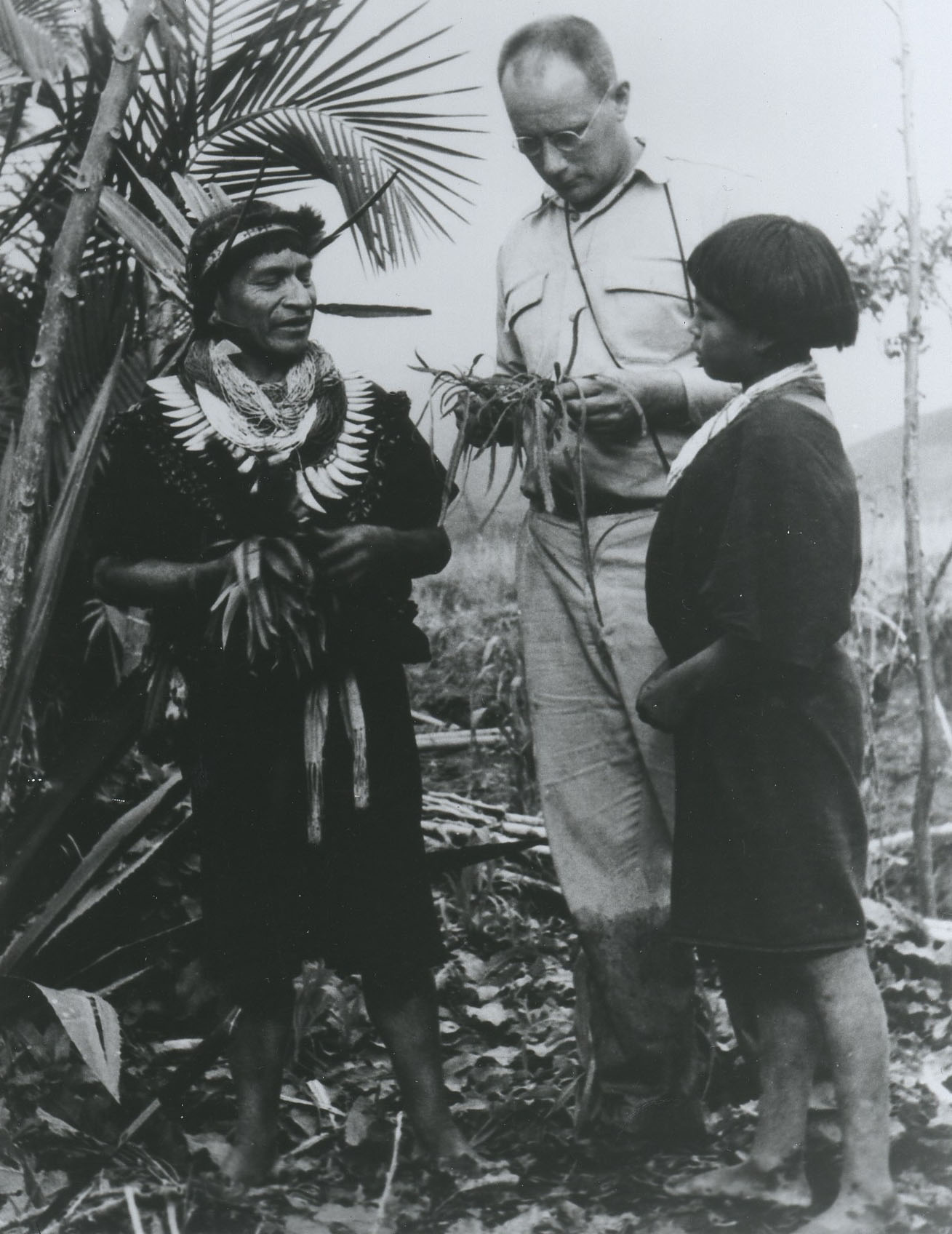
Tiwanaku (Tiahuanaco or Tiahuanacu) is a Pre-Columbian archaeological site in western Bolivia. The first reference to the site in modern history was recorded by Spanish conquistador Pedro Cieza de León, who came upon …
1973
#10735
Hallucinogens and Shamanism edited by Michael Harner.

Includes Harner's "The Role of Hallucinogenic Plants in European Witchcraft".
1980
#10736
The way of the shaman: A guide to power and healing.
1985
#9889
The Traditional medical practitioner in Zimbabwe: His principles of practice and pharmacopoeia.
1988
#8791
Passage of darkness: The Ethnobiology of the Haitian zombie.

1993
#9017
Tobacco and shamanism in South America.
A comprehensive ethnography of magico-religious, medicinal, and recreational tobacco use among native South American societies, based on a survey of nearly three hundred societies.
1996
#7002
Encyclopedia of native American healing.
1997
#9910
Sacred leaves of Candomblé: African magic, medicine, and religion in Brazil.
"Candomblé, an African religious and healing tradition that spread to Brazil during the slave trade, relies heavily on the use of plants in its spiritual and medicinal practices. When its African adherents were forcib…
2004
#9899
Jamaican folk medicine: A source of healing.
2011
#9708
Bedouin ethnobotany: Plant concepts and uses in a desert pastoral world.
2012
#8799
Chocolate as medicine: A quest over the centuries.
2015
#10275
A Cree healer and his medicine bundle: Revelations of indigenous wisdom: Healing plants, practices, and stories.
"With the rise of urban living and the digital age, many North American healers are recognizing that traditional medicinal knowledge must be recorded before being lost with its elders. A Cree Healer and His Medicine B…