
Facets
Browse across eight MeSH (opens in new tab) facets — era, geography, science, specialty, technology, history, culture, and reference. Select one tag per group; counts update across the others. What’s new in facet browse how facets relate to subjects and MeSH.
Clear filtersFacet filters
Geography
Specialties & Disease
- Anatomy & Pathology 1
- Cardiology & Blood 0
- Neurology & Psychiatry 5
- Obstetrics & Reproductive 0
- Infectious Disease (General) 0
- Surgery & Anesthesia 1
- Public Health 9
- Immunology & Dermatology 0
- General Clinical Medicine 4
- Military Medicine 0
- Psychology 2
- Alternative & Fringe Medicine 42
- Pediatrics 0
- Ophthalmology & Vision 0
- ENT & Hearing 0
- Urology & Nephrology 0
- Gastroenterology & Hepatology 0
- Pulmonary & Respiratory 0
- Rheumatology, Rehab & Pain 0
- Internal, Emergency & Geriatric 0
- Veterinary Medicine 0
- Epidemiology & Demography 1
- Physiology & Embryology 0
- Dentistry 1
- Plagues & Epidemics 0
- Microbiology & Virology 0
Social & Historical Studies
Institutions & Culture
Reference & Scholarly Works
Drugs & Technology
64 entries match Traditional & Indigenous [G02.403.700] · Professions & Education [M01 / N02]
1646
#10032
Pseudodoxia epidemica, or, enquiries into very many received tenents and commonly presumed truths.
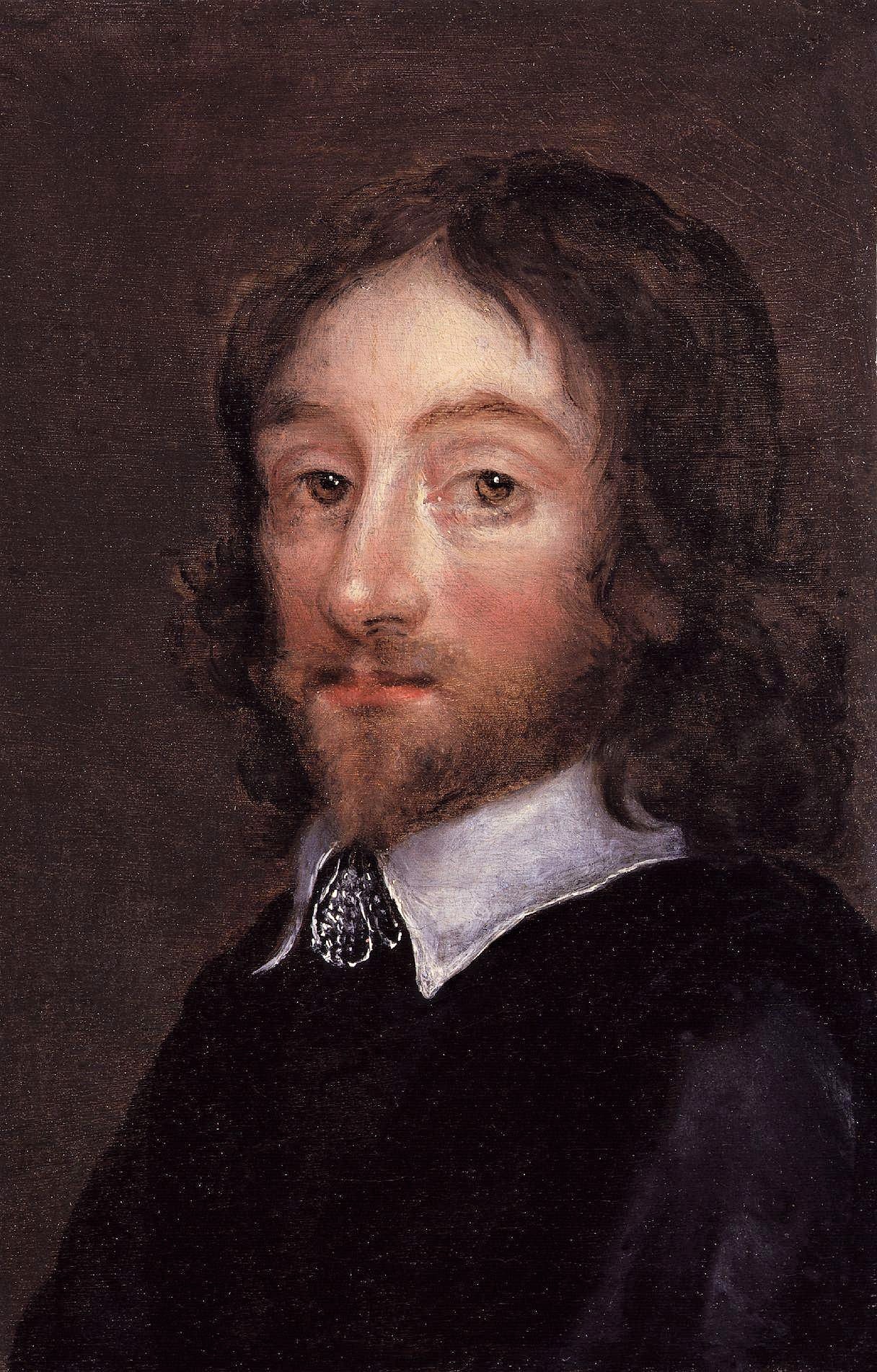
In this widely read work of popular science that underwent six editions in Browne's lifetime Browne debunked numerous quack cures, etc. Full text from quod.lib.umich.edu at this link. Digital facsimile of the 4th edit…
1746
#8869
Medicina Britannica; or, a treatise on such physical plants as are generally to be found in the fields or gardens of Great-Britain: Containing a particular account of their nature, virtues, and uses. Together with the observations of the most learned physicians, as well ancient as modern, communicated to the late ingenious Mr. Ray, and the learned Dr. Sim. Pauli. Adapted more especially to the occasions of those, whose condition or situation of life deprives them, in a great measure, of the helps of the learned. To which are added, three indexes: The first containing the England and Latin names of the plants treated of: The second of the diseases, and their remedies: The third to the notes.
Short focused his book on the medical uses of plants readily available in England. Many of the plants recommended in the traditional herbal literature were difficult to find in England. Digital facsimile from the Biod…
1774
#6451.90
An oration…containing an enquiry into the natural history of medicine among the Indians in North-America; and a comparative view of their diseases and remedies, with those of civilized nations.
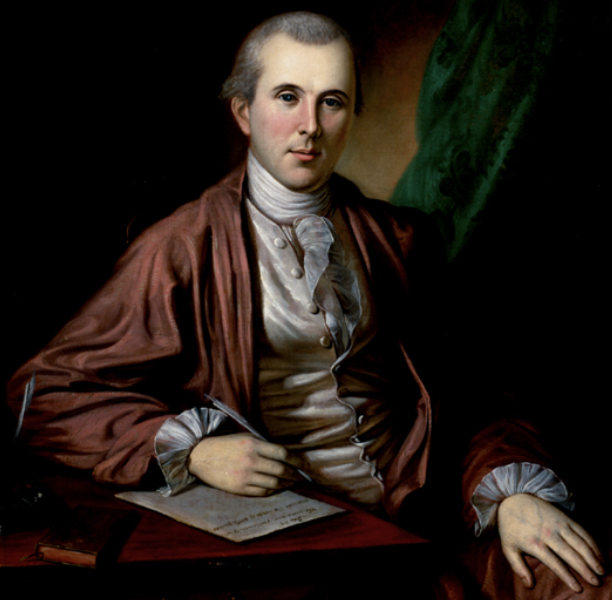
Rush was the first American physician to publish a detailed study of native American medicine. Digital facsimile from the Medical Heritage Library, Internet Archive, at this link.
1775
#7505
The history of the American Indians; particularly those nations adjoining to the Missisippi [sic] East and West Florida, Georgia, South and North Carolina, and Virginia: containing an account of their origin, language, manners, religious and civil customs, laws, form of government, punishments, conduct in war and domestic life, their habits, diet, agriculture, manufactures, diseases and method of cure... With observations on former historians, the conduct of our colony governors, superintendents, missionaries, & c. Also an appendix, containing a description of the Floridas, and the Missisippi [sic] lands, with their productions--the benefits of colonizing Georgiana, and civilizing the Indians--and the way to make all the colonies more valuable to the mother country....
The author characterized himself on the title page as "a Trader with the Indians and a Resident in their Country for Forty Years." Digital facsimile from the Internet Archive at this link.
1822
#6988
New guide to health; or botanic family physician, containing a complete system of practice, upon a plan entirely new; with a description of the vegetables made use of, and directions for preparing and adminstering them to cure disease. To which is prefixed a narrative of the life and medical discoveries of the author.
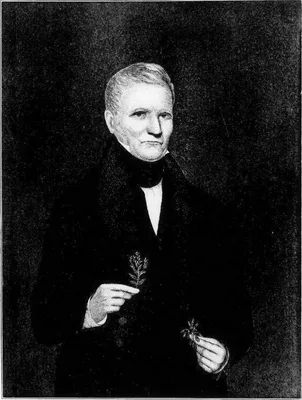
The "Bible" of Thomsonism or "Thomsonian medicine", which employed botanical remedies, often based on native American medicines. Digital facsimile from the Medical Heritage Library, Internet Archive, at this link.
1822
#10751
A narrative of the life and medical discoveries of Samuel Thomson: Containing an account of his system of practice, and the manner of curing disease with vegetable medicine, upon a plan entirely new; to which is added an introduction to his New Guide to Health, or Botanic Family Physician containing the principles upon which the system is founded, with remarks on fevers, steaming, poison &c.
Thomson issued this introductory work shortly before publication of his New Guide. Three issues appeared in 1822: one with 180 pages, another with 182 pages including testimonials, and a 204 page issue with the introd…
1823
#8798
Manners and customs of several Indian tribes located west of the Mississippi; including some account of the soil, climate, and vegetable productions, and the Indian materia medica: to which is prefixed the history of the author's life during a residence of several years among them.
Hunter claimed that as a child he had been captured by the Cherokee before they came to Texas. He adopted the name of an English benefactor, John Dunn, and later added the name "Hunter" given by the Indians because of…
1871
#172
Primitive culture: Researches into the development of mythology, philosophy, religion, art, and custom. 2 vols.
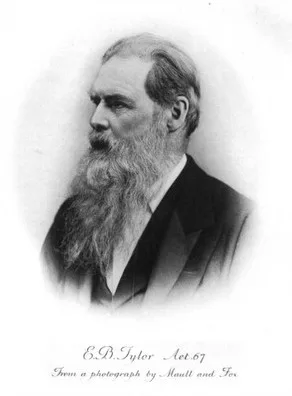
The standard work on primitive religion for many years. Tylor approached his subject from the point of view of psychology, exploring the nature of belief in spirits, omens, magic, etc. His work has important ties with…
1886
#7708
Notes on the anomalies, injuries and diseases of the bones of the native races of North America.
The first American contribution to paleopathology. Digital facsimile from Google Books at this link.
1891
#9888
Scatologic rites of all nations. A dissertation upon the employment of excrementitious remedial agents in religion, therapeutics, divination, witchcraft, love-philters, etc., in all parts of the globe. Based upon original notes and person observation, and upon compilation from over one thousand authorities. Not for general perusal.
Digital facsimile of the 1891 edition from the Internet Archive at this link. Translated in to German as: Der Unrat in Sitte, Brauch, Glauben und Gewohnheitrecht der Völker, von John Gregory Bourke. Verdeutscht und ne…
1892
#6452.1
The medicine-men of the Apache.
Bourke, a U.S. Army officer with experience on the American Indian frontier, was a pioneer student of native American medicine and anthropology. Digital facsimile from the Internet Archive at this link.
1900
#9475
The ethno-botany of the Coahuilla Indians.
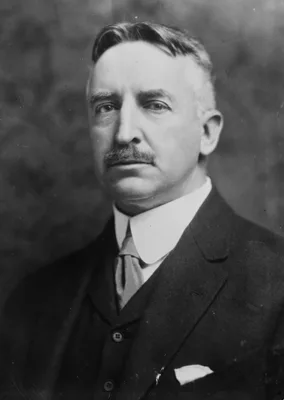
"The ʔívil̃uqaletem (or Ivilyuqaletem) are Native Americans of the inland areas of southern California.[2] Their original territory included an area of about 2,400 square miles (6,200 km2). The traditional Cahuilla te…
1908
#6455.1
Physiological and medical observations among the Indians of Southwestern United States and Northern Mexico.
Digital facsimile from the Internet Archive at this link.
1923
#6456
The medicine man: A sociological study of the character and evolution of shamanism.
Digital facsimile from the Internet Archive at this link.
1924
#13374
Medicine, magic and religion. [Edited] with a preface by G. Elliot Smith.
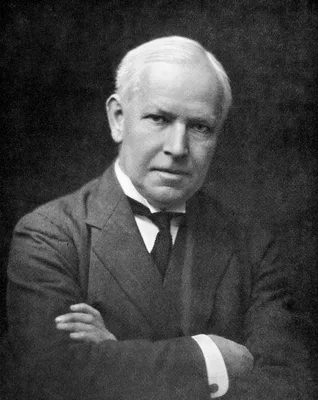
Fitzpatrick Lectures 1915-16. Originally published in Lancet , 94, 59–65, 117–23.
1928
#10639
Folklore of the teeth.
1930
#9846
Erwin Bälz: Das Leben eines deutschen Arztes im erwachenden Japan. Tagebücher, Briefe, Berichte hrsg. von Toku Bälz.
Bälz was personal physician to the Japanese Imperial Family and cofounder of modern western medicine in Japan. "Bälz taught more than 800 students in Western medicine during his tenure at the Tokyo Imperial University…
1932
#6460
Medicine among the American Indians.
Reprinted, New York, Hafner, 1962.
1932
#7003
The Swimmer manuscript. Cherokee sacred formulas and medicinal prescriptions, by James Mooney, revised, completed and edited by Frans M. Olbrechts. Smithsonian Institution, Bureau of American Ethnology Bulletin 99.
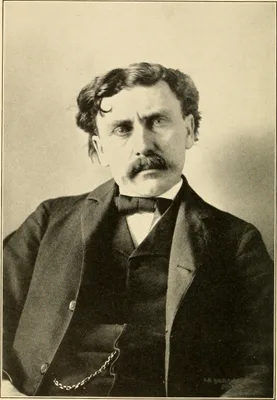
Digital facsimile from the Internet Archive at this link.
1935
#6461
The medicine-man of the American Indian and his cultural background.
Digital facsimile from the Hathi Trust at this link.
1935
#8616
Folk medicine of the Pennsylvania Germans: The non-occult cases.
1937
#10672
Religion and medicine of the Ga people.
1938
#13291
The peyote cult.
The history of the study of the cult, the various botanical questions surrounding peyote, its physiological action and the various ethnological, psychological and historical questions involved in its diffusion.
1939
#6465.1
Navajo medicine man. Sandpaintings and legends of Miguelito from the John Frederick Huckel Collection
Navajo sandpaintings are traditionally made only for the healing ceremony in which they are used, and then destroyed. This book contains superb reproductions on sand-colored paper of watercolor versions of the sandpai…
1946
#8634
Ancient anodynes: Primitive anaesthesia and allied conditions.
1956
#8651
Medicine and magic of the Mashona.
1958
#10853
Medicine-men on the North Pacific Coast.
1961
#10855
Mohave ethnopsychiatry and suicide: The psychiatric knowledge and the psychic disturbances of an Indian tribe.
1964
#8652
Medicine and custom in Africa.
1971
#6467.2
Medicine and ethnology. Selected essays by Erwin Ackerknecht. Edited by H. M. Koelbing and H. H. Walser.
See also No. 6448
1971
#10857
Peyote: an account of the origins and growth of the Peyote religion.
"The Peyote religion is a medico-religious cult. In considering native American medicines, one must always bear in mind the difference between the aboriginal concept of a medicinal agent and that of our modern Western…
1972
#9021
A medicine-man's implements and plants in a Tiahuanacoid tomb in highland Bolivia, (Etnologiska studier, 32). Edited by Henry Wassén.
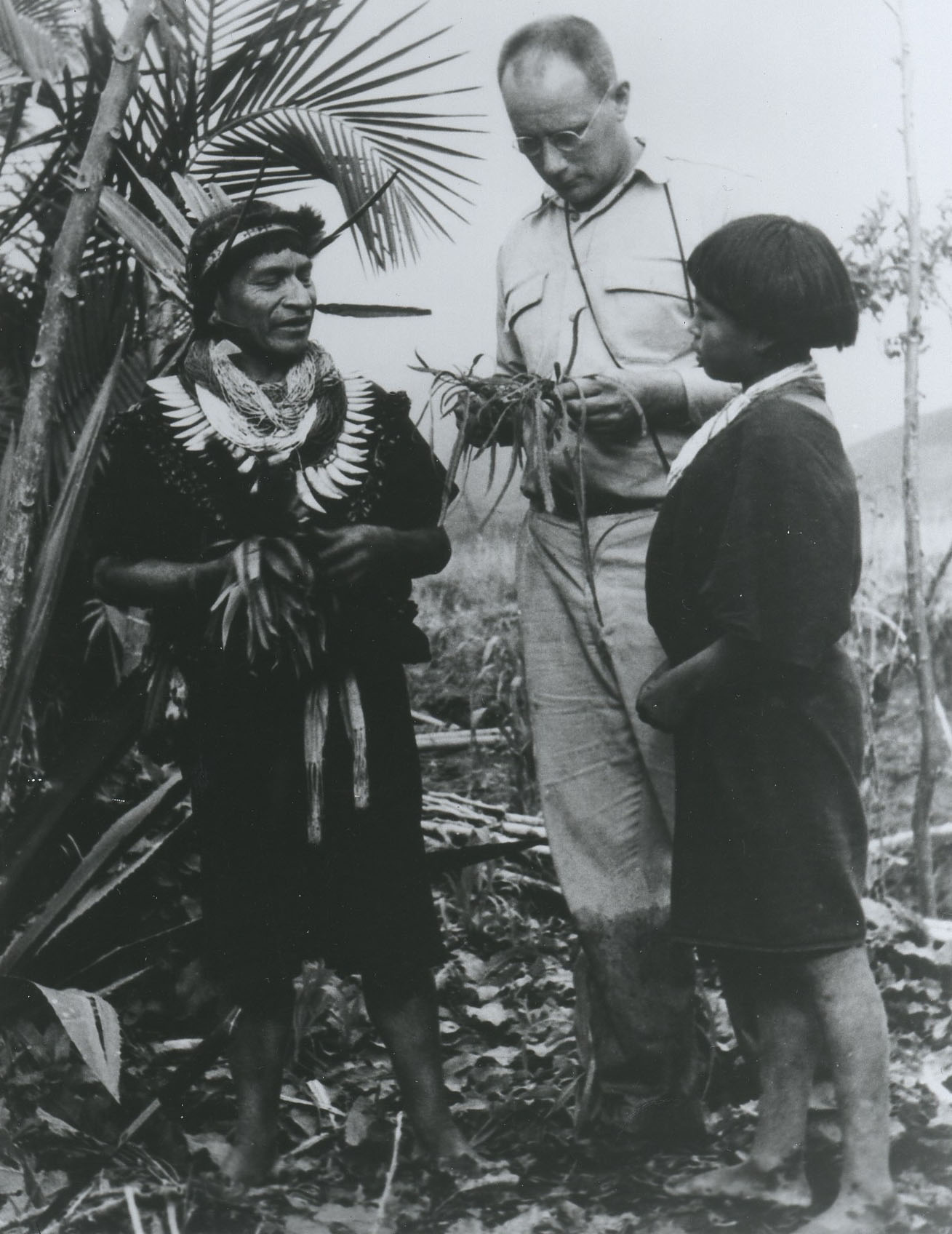
Tiwanaku (Tiahuanaco or Tiahuanacu) is a Pre-Columbian archaeological site in western Bolivia. The first reference to the site in modern history was recorded by Spanish conquistador Pedro Cieza de León, who came upon …
1973
#10735
Hallucinogens and Shamanism edited by Michael Harner.
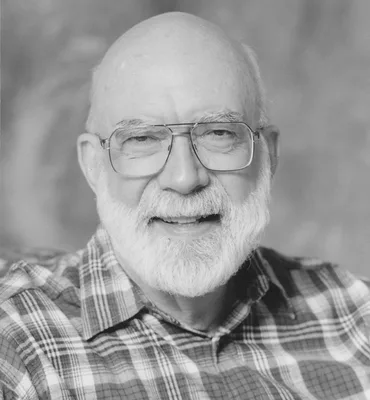
Includes Harner's "The Role of Hallucinogenic Plants in European Witchcraft".
1977
#7921
Body and mind in Zulu medicine: An ethnography of health and disease in Nyuswa-Zulu thought and practice.
1977
#13369
African folk medicine: Practices and beliefs of the Bambara and other peoples.
1979
#8128
Medical ethics in imperial China: A study in historical anthropology.
The first comprehensive history of explicity medical ethics in pre-modern China, spans the period from 500 BCE through the 19th century and provides literal translations of all accessible codes of ethics in the known …
1980
#10736
The way of the shaman: A guide to power and healing.
1983
#10217
Disease change and the role of medicine: The Navajo experience.
1985
#9889
The Traditional medical practitioner in Zimbabwe: His principles of practice and pharmacopoeia.
1988
#8791
Passage of darkness: The Ethnobiology of the Haitian zombie.

1988
#10674
Hausa medicine: Illness and well-being in a West African culture.
1991
#9673
Enter the physician: The transformation of domestic medicine, 1760-1860.
1993
#9017
Tobacco and shamanism in South America.
A comprehensive ethnography of magico-religious, medicinal, and recreational tobacco use among native South American societies, based on a survey of nearly three hundred societies.
1994
#8864
Home medicine: The Newfoundland experience.
"Based on material from the Folklore Archives at Memorial University as well as other sources, Crellin's catalogue includes such topics as abortion, baldness and hair preparations, blood-letting, cancer, drunkenness, …
1994
#10084
The health of Native Americans: Towards a biocultural epidemiology.
1994
#10090
Secret doctors: Ethnomedicine of African Americans.
"Based on an ethnographic study of the traditional medicine of African Americans in the rural southern United States, this work concentrates on the original Louisiana Territory, with its Native and African American in…
1996
#7002
Encyclopedia of native American healing.
1997
#9910
Sacred leaves of Candomblé: African magic, medicine, and religion in Brazil.
"Candomblé, an African religious and healing tradition that spread to Brazil during the slave trade, relies heavily on the use of plants in its spiritual and medicinal practices. When its African adherents were forcib…
1998
#9642
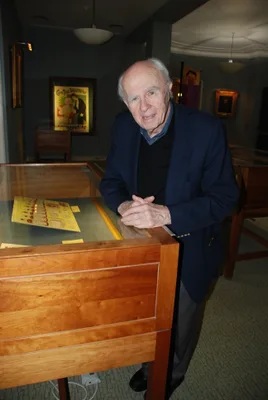
"Every man his own doctor." Popular medicine in early America: An exhibition drawn from the collections of Charles E. Rosenberg, William H. Helfand and the Library Company of Philadelphia.
1998
#12779
Healers and healing in early modern Europe.
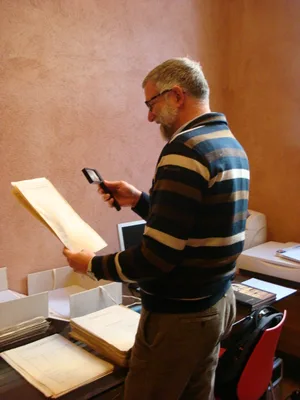
"...explores the wide range of healers and forms of healing in the southern half of the Italian peninsula that was the kingdom of Naples between 1600 and 1800. By adopting the point of view of the sick people themselv…