
Facets
Browse across eight MeSH (opens in new tab) facets — era, geography, science, specialty, technology, history, culture, and reference. Select one tag per group; counts update across the others. What’s new in facet browse how facets relate to subjects and MeSH.
Clear filtersFacet filters
Geography
Specialties & Disease
- Anatomy & Pathology 765
- Cardiology & Blood 914
- Neurology & Psychiatry 1,258
- Obstetrics & Reproductive 551
- Infectious Disease (General) 147
- Surgery & Anesthesia 1,553
- Public Health 1,129
- Immunology & Dermatology 1,405
- General Clinical Medicine 487
- Military Medicine 436
- Psychology 202
- Alternative & Fringe Medicine 383
- Pediatrics 247
- Ophthalmology & Vision 412
- ENT & Hearing 293
- Urology & Nephrology 309
- Gastroenterology & Hepatology 316
- Pulmonary & Respiratory 233
- Rheumatology, Rehab & Pain 189
- Internal, Emergency & Geriatric 123
- Veterinary Medicine 165
- Epidemiology & Demography 397
- Physiology & Embryology 924
- Dentistry 259
- Plagues & Epidemics 1,279
- Microbiology & Virology 1,080
Social & Historical Studies
Institutions & Culture
Reference & Scholarly Works
1,080 entries match Microbiology & Virology [C01.748]
1923
#12594
Die Extrapyramidalen Erkrankungen: Mit Besonderer Berücksichtigung der pathologischen Anatomie und Histologie und der Pathophysiologie der Bewegungsstörungen.
Pages 218-245 represent Jakob's full clinical-pathologic description of the fifth patient that he first described in this work.The symptoms of this patient and the histopathopathologic illustrations correspond fully w…
1924
#2343
Essai d’immunisation contre l’infection tuberculeuse.
B.C.G. (Bacille Calmette–Guérin) vaccine was first produced in 1906 and subcultured for 13 years. It was first used as a prophylactic against tuberculosis in children in 1921. It remains in use. See also No. 2346.
1924
#5082
A skin test for susceptibility to scarlet fever.
The “Dick test” for the determination of individual susceptibility to scarlet fever.
1924
#5082.1
The etiology of scarlet fever.
Proof that streptococcus is the cause of scarlet fever.
1924
#5301.1
On a Herpetomonas found in the gut of the sandfly, Phlebotomus argentipes, fed on kala-azar patients.
Demonstration that L. donovani is capable of reproduction in Phlebotomus. With R. O. Smith.
1924
#5327
Observations on the causal organism of rat-bite fever in man.
Robertson proved one of the causal organisms of rat-bite fever to be Sp. morsus muris. He re-named it Spirillum minus Carter, 1887, identifying it as the first spiral micro-organism to be described from a rodent.
1924
#10943
Studies on Rickettsia-like micro-organisms in insects.
Hertig and Wolbach first described the parasitic microbe Wolbachia in the common house mosquito in 1924. In 1936 Hertig formally described the species as Wolbachia pipientis. Since then the genus Wolbachia has become …
1924
#11226
Catalogue of the mycological library of Howard A. Kelly. Compiled by Louis C. C. Krieger.
The catalogue was prepared for Kelly by Louis Krieger, an eminent mycologist and botanical illustrator. Entries for this library were not numbered; however in his introduction Kelly stated that the library "herewith c…
1925
#4652
Experimentelle Übertragung von Herpes zoster auf den Menschen und die Beziehungen von Herpes zoster zu Varicellen.
First demonstration of the infectivity of herpes.
1925
#1911
Intravenous use of dyes.
Churchman demonstrated the selective bactericidal action of gentian violet against staphylococci. See also J. exp. Med., 1912, 16, 221-47; J. Urol., 1924, 11, 1-18.
1925
#2461
Key-catalogue of the protozoa reported for man.
1925
#2647
The aetiology of malignant new growths.
Gye advanced the theory that an ultramicroscopic virus combined with an intrinsic chemical factor were concerned in the production of the Rous sarcoma.
1925
#2648
The microscopical examination of filterable viruses associated with malignant new growths.
Barnard supported, with photomicrographs, Gye’s theory concerning the origin of cancer.
1925
#5103
Studies on Brucella (Alkaligenes) melitensis.
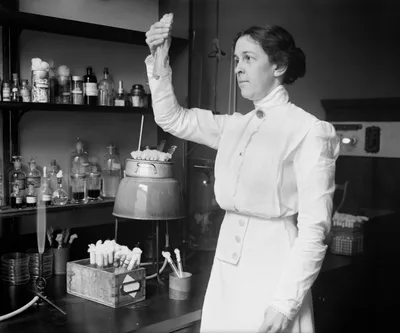
Forms Bulletin No. 143 of the U.S. Public Health Service Hygienic Laboratory. Alice Evans showed that the causal organism of Malta fever was closely related to Brucella abortus, responsible for contagious abortion in …
1925
#5194
The cultivation of Endamoeba histolytica.
Pure cultivation of Entamoeba histolytica was first accomplished by D. W. Cutler (J. Path. Bact., 1918, 22, 22), but Boeck and Drbohlav evolved the first media upon which amoebae could be cultivated for indefinite per…
1925
#5394
Tropical typhus in the Federated Malay States, with a compilation on epidemic typhus.
Bull. Inst. med. Res., F. M. S., No. 2. Drew attention to scrub typhus in Malaya.
1925
#5432
Studies of the viruses of vaccinia and variola.
Medical Research Council Special Report No. 98; a summary of the more important additions to the knowledge of the subject.
1925
#10197
Arrowsmith.
"This novel has been inspirational for several generations of pre-medical and medical students. There is much agonizing along the way concerning career and life decisions. While detailing Arrowsmith's pursuit of the n…
1925
#11108
Opere di Agostino Bassi n. a Mairago 1778-m. a Lodi 1856- scelte e pubblicate a cura del comitato nazionale per la ristampa auspice la Società medico-chirurgica di Pavia.
1925
#11479
Sur un remarquable example d'antogonisme entre deux souches de colibacille.
Discovery of bacteriocins. Gratia called his discovery a colicine because bacteriocins killed E. coli.
1925
#12035
Pansporella perplexa. Réflexions sur la biologie et la phylogénie des protozoaires.
Chatton was the first to characterize the distinction between the eukaryotic and prokaryotic systems of cellular organization. See Jan Sapp, "The prokaryote-Eukaryote dichtomy: meanings and mythology," Microbiol. Mol.…
1926
#1915
On the chemotherapy of neurosyphilis and trypanosomiasis.
Study of the effect of twelve different substances in neurosyphilis and trypanosomiasis.
1926
#2462
Protozoology. 2 vols.
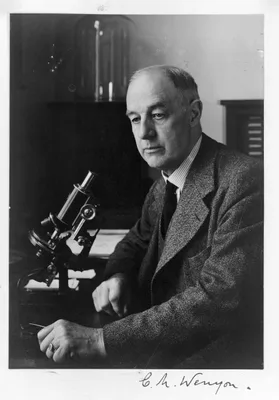
Wenyon was one of the world’s foremost authorities on medical protozoology.
1926
#2522.1
A disease of rabbits characterised by a large mononuclear leucocytosis, caused by a hitherto undescribed bacillus acterium monocytogenes (n. sp.).
Isolation of Listeria monocytogenes. With R. A. Webb and M. B. R. Swann.
1926
#5328
Erythema arthriticum epidemicum; preliminary report.
“Haverhill fever” first reported. The writers isolated an organism, later found to be identical with Streptothrix muris ratti and Streptobacillus moniliformis. With L. E. Sutton and O. Willner.
1926
#5396
Clinical observations on endemic typhus (Brill’s disease) in Southern United States.
Maxcy described murine (flea-borne) typhus (“Maxcy’s disease”).
1926
#5433
Studies on variola, vaccinia, and avian molluscum.
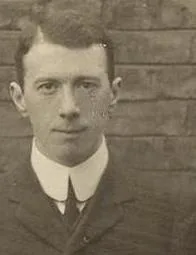
Ledingham’s diagnostic test.
1926
#12386
Isolation of a crystalline protein with tuberculin activity.
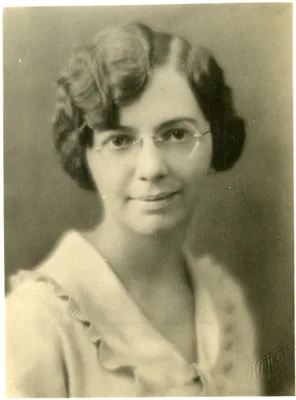
Siebert identified the active agent in tuberculin as a protein.
1926
#14003
Le bactériophage et son comportement.
In this book d'Hérelle reported on the results of quantitative work based on the plaque-count, and dilution methods of assay that he invented. He described a three-step process for the life history of the bacteriophag…
1927
#2346
Sur la vaccination préventive des enfants nouveau-nés contre la tuberculose par le B.C.G.
1927
#5350.8
The insect transmission of Onchocerca volvulus (Leuckart, 1893), the cause of worm nodules in man in Africa.
The fly Simulium damnosum shown to be the vector of onchocerciasis.
1927
#5973
Experimental production of a trachoma-like condition in monkeys by means of a micro-organism isolated from American Indian trachoma.
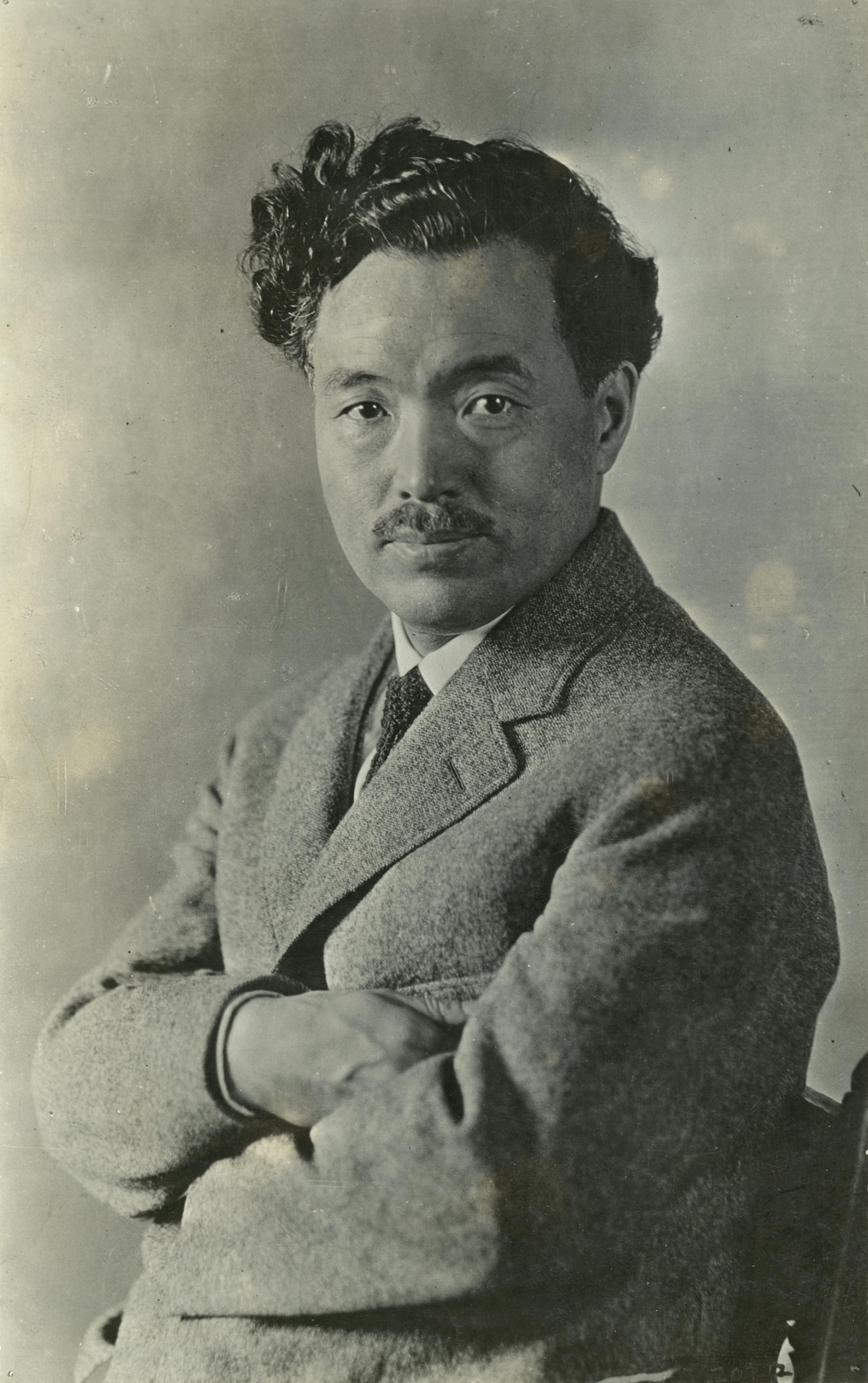
Isolation of Bact. granulosis, believed by Noguchi to be the causal organism in trachoma. See also his monograph in J. exp. Med., 1928, 48, Suppl. 2.
1927
#11994
La vaccination préventive contre la tuberculose par le "BGG". Par Albert Calmette avec la collaboration de C. Guérin, A. Boquet et L. Nègre.
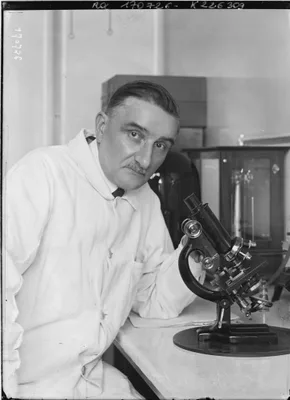
A 250-page monograph, with bibliographical references, on the development of the BCG vaccine from M. bovis, from 1909 to 1927 by the scientists involved. (Thanks to Ron Cox for this reference.)
1928 –1929
#2523
The pathogenic streptococci. An historical survey of their role in human and animal disease.
Documents over 1,600 studies.
1928
#2576
Studies on Bacillus typhosus toxic substances. I. Phenomenon of local skin reactivity to B. typhosus culture filtrate.
“Shwartzman phenomenon.”
1928
#5351
Hydatid disease. Its pathology, diagnosis and treatment.
Dew’s book remains the authoritative source. His many contributions to the knowledge of hydatid disease are summarized in it.
1928
#5194.1
Researches on the intestinal protozoa of monkeys and man.
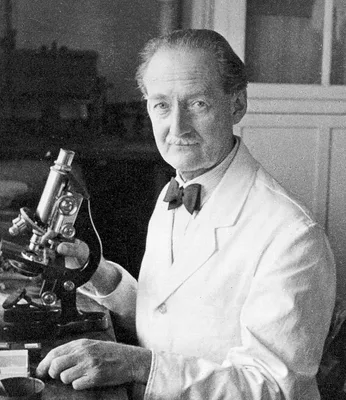
Classic account of the life-cycle of Entamoeba histolytica.
1928
#5396.1
Experiments relating to the pathology and the etiology of Mexican typhus (tabardillo).
Mooser differentiated murine from epidemic typhus. The causative organism was later named Rickettsia mooseri.
1928
#5434.1
Cultivation of vaccinia virus without tissue culture.
Introduction of “Maitland’s medium”.
1928
#5462
Experimental transmission of yellow-fever to laboratory animals.
Experimental infection of the monkey, Macacus rhesus, with the yellow fever virus. Stokes succumbed to yellow fever while investigating the disease. With J. H. Bauer and N. P. Hudson.
1928
#251.2
The significance of pneumococcal types.
Griffith’s experiments on transforming type II pneumococci into type III were repeated by Avery who was able sixteen years later (No. 255.3) to demonstrate that DNA was the transforming material.
1929
#1933
On the antibacterial action of cultures of a penicillium, with special reference to their use in the isolation of B. influenzae.
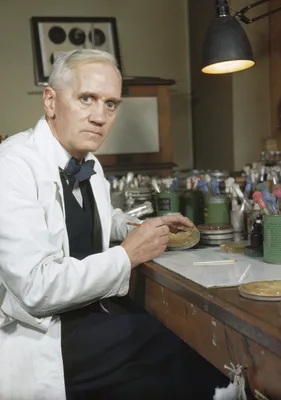
Discovery of the growth-inhibiting action of Penicillium on certain bacteria. In 1945 Fleming shared the Nobel Prize in Physiology or Medicine with Ernst Boris Chain and Sir Howard Walter Florey "for the discovery of …
1929
#2463
Landmarks in medical helminthology.
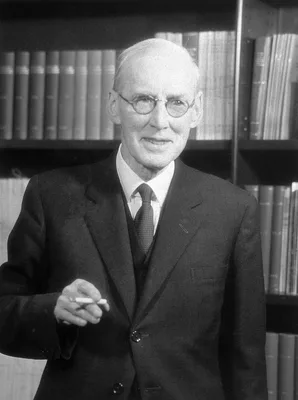
1930
#5539
Die Ätiologie der Psittakosis.
Discovery of the causal agent of psittacosis, Chlamydia psittaci. Simultaneously A. C. Coles (Lancet, 1930, 1, 1011-12) and R. D. Lillie (Publ. Hlth. Rep., Wash., 1930, 45, 773-78) made the same discovery, and the ele…
1930
#5540
En Bornholmsk epidemi-myositis epidemica.
First full description of epidemic myositis, “Bornholm disease”. See also Sylvest’s monograph on the subject, London, 1934.
1930
#5463
Studies on the action of yellow fever virus in mice.
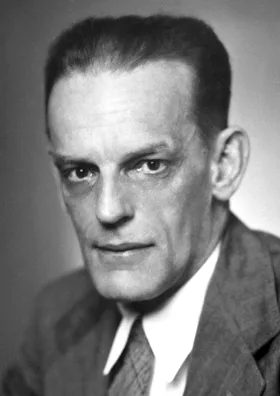
The intracerebral protection test in mice, a test for the diagnosis of yellow fever and for the determination of its past existence in a community, was made possible by Theiler’s discovery that white mice are suscepti…
1931
#4670.5
Immunological differences between strains of poliomyelitis virus.
1931
#2524
A new series of graded collodion membranes suitable for general bacteriological use, especially in filterable virus studies.
In his important studies on the filtration of virus preparations, Elford showed that different viruses possessed different and characteristic sizes.
1931
#2524.1
The susceptibility of the chorio-allantoic membrane of chick embryos to infection with the fowl-pox virus.
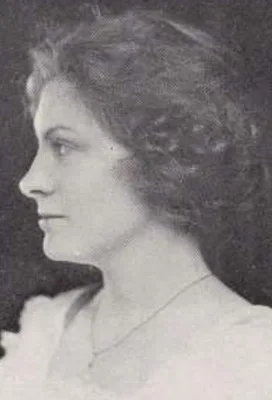
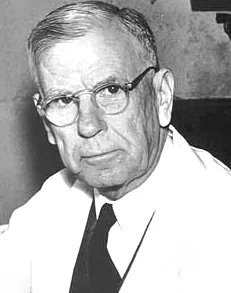
By their demonstration of the infection of the chorio-allantoic membrane with the virus of fowl pox, Woodruff and Goodpasture initiated wide-spread adoption of this host for the study of viruses.
1931
#5044.1
Der heutige Stand der Paratyphusforschung.
Kauffmann–White classification of Salmonella based on antigenic structure. For historical note, including the part played by P. B. White, see J. Hyg. (camb), 1934, 34, 335.