
Facets
Browse across eight MeSH (opens in new tab) facets — era, geography, science, specialty, technology, history, culture, and reference. Select one tag per group; counts update across the others. What’s new in facet browse how facets relate to subjects and MeSH.
Clear filtersFacet filters
Geography
Specialties & Disease
- Anatomy & Pathology 765
- Cardiology & Blood 914
- Neurology & Psychiatry 1,258
- Obstetrics & Reproductive 551
- Infectious Disease (General) 147
- Surgery & Anesthesia 1,553
- Public Health 1,129
- Immunology & Dermatology 1,405
- General Clinical Medicine 487
- Military Medicine 436
- Psychology 202
- Alternative & Fringe Medicine 383
- Pediatrics 247
- Ophthalmology & Vision 412
- ENT & Hearing 293
- Urology & Nephrology 309
- Gastroenterology & Hepatology 316
- Pulmonary & Respiratory 233
- Rheumatology, Rehab & Pain 189
- Internal, Emergency & Geriatric 123
- Veterinary Medicine 165
- Epidemiology & Demography 397
- Physiology & Embryology 924
- Dentistry 259
- Plagues & Epidemics 1,279
- Microbiology & Virology 1,080
Social & Historical Studies
Institutions & Culture
Reference & Scholarly Works
1,080 entries match Microbiology & Virology [C01.748]
1909
#5535
Mycose nouvelle: l’hémisporose. Ostéite humaine primitive du tibia due à l’Hemispora Stellata.
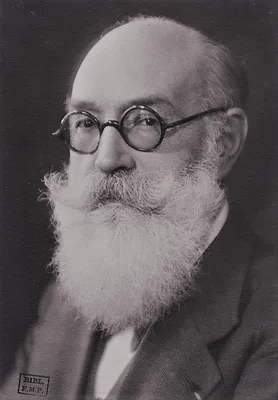
Hemisporosis described.
1909
#5379
A micro-organism which apparently has a specific relationship to Rocky Mountain spotted fever. A preliminary report.
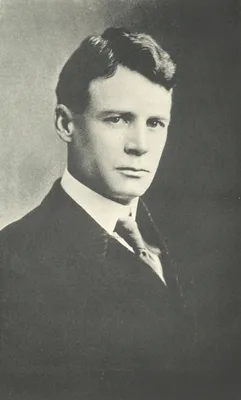
Description of the causal organism, in blood smears.
1910
#4670.3
La poliomyélite experimental.
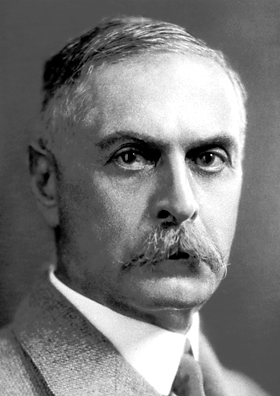
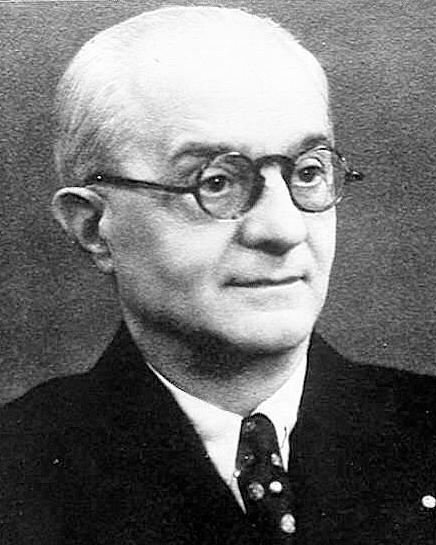
Serum from a monkey that had recovered from experimental poliomyelitis was mixed with an emulsion containing active polio virus; it failed to produce paralytic disease when injected into fresh monkeys.
1910
#2636
Cultures de sarcome en dehors de l’organisme.
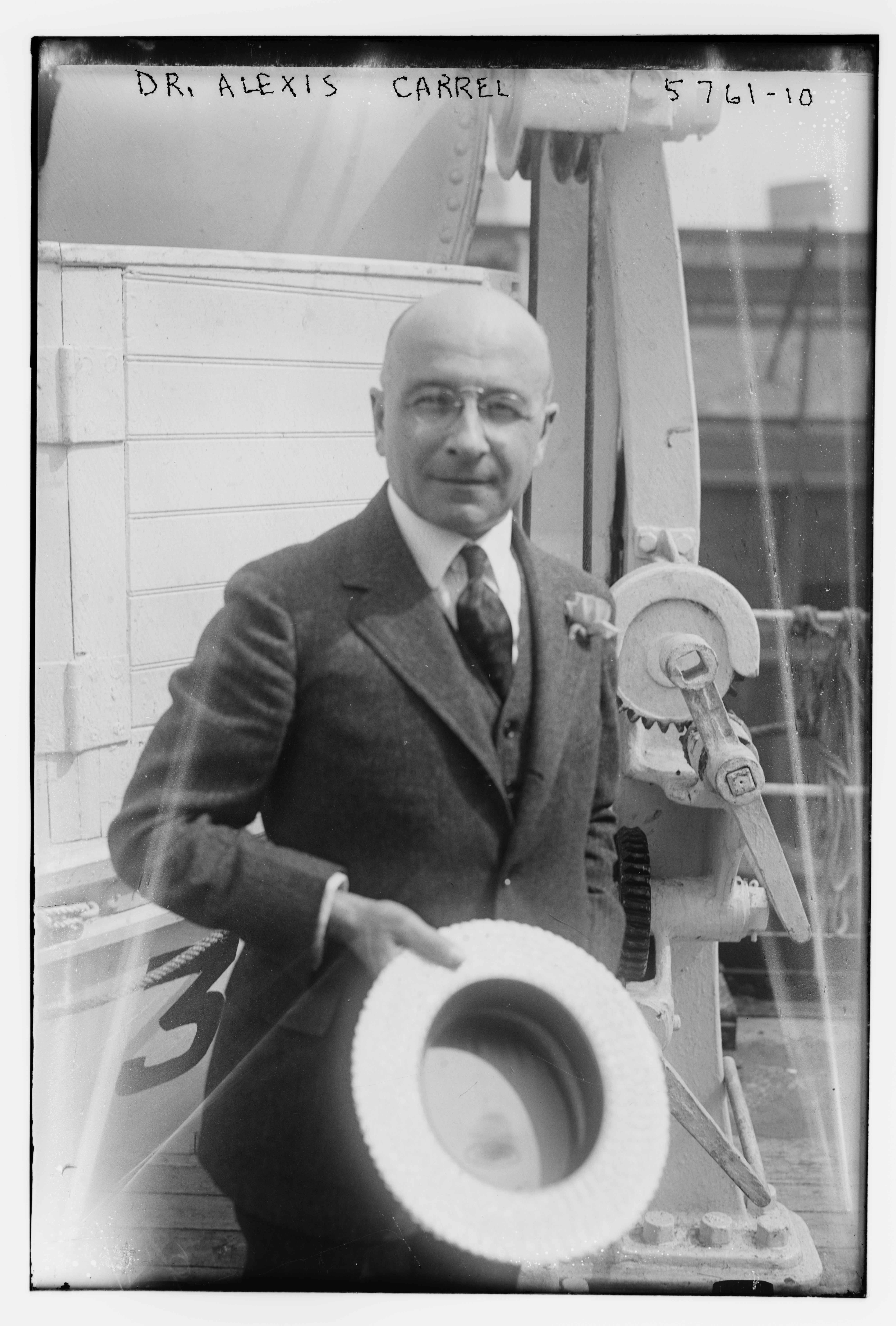
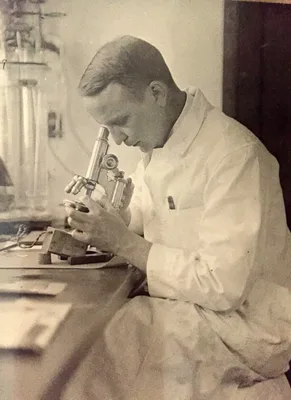
Using the Rous chicken sarcoma, Carrel and Burrows were the first to grow tumor tissue in vitro.
1910
#2637
A transmissible avian neoplasm (sarcoma of the common fowl).
Original description of the chicken sarcoma (Rous sarcoma). Rous demonstrated that sarcomatous tumors in hens could be transmitted to normal hens by the injection of cell-free filtrates (virus) of the original tumor. …
1910
#2403
Die experimentelle Chemotherapie der Spirillosen (Syphilis, Rückfallfieber, Hühnerspirillose, Frambösie).
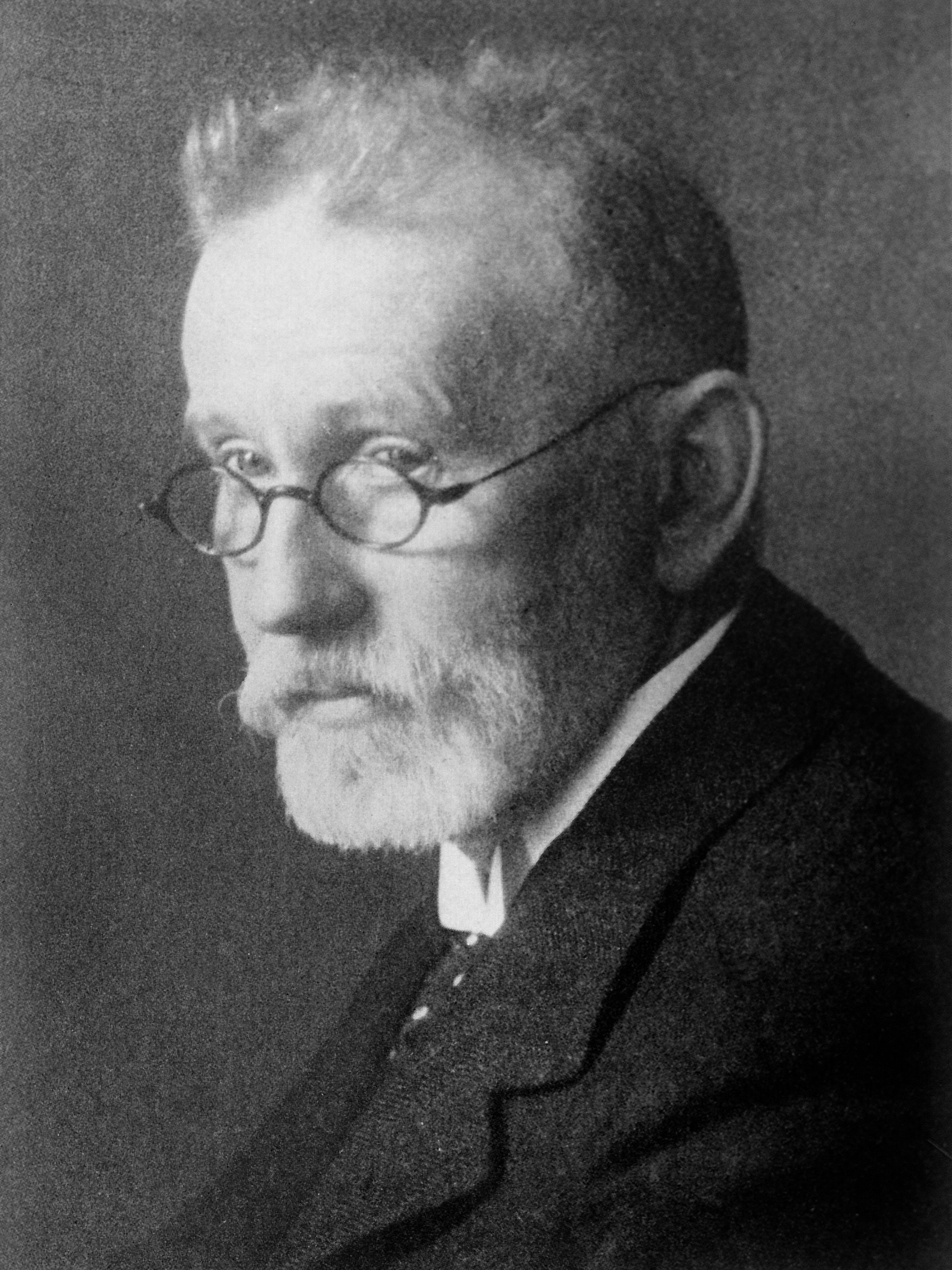
After many experiments on the action of synthetic drugs upon spirochetal diseases, Ehrlich and Hata in 1909 discovered Arsphenamine (Salvarsan, "the arsenic that saves", also known as “606”), an effective treatment fo…
1910
#5042
The control of typhoid in the Army by vaccination.
Russell carried out important and long-continued investigations on anti-typhoid vaccination in the U.S. Army, demonstrating beyond question its value in selected groups. The war of 1914-18 confirmed the value of the w…
1910
#5285
On the peculiar morphology of a trypanosome from a case of sleeping sickness and the possibility of its being a new species.
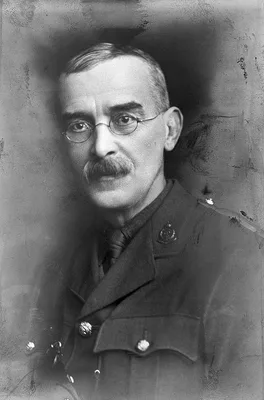
T. rhodesiense discovered.
1910
#5308
Experimental yaws in the monkey and rabbit.
A monkey was first infected and from it the infection was transmitted to a rabbit.
1910
#5366
La malattia dei minatory dal S. Gottardo al Sempione.
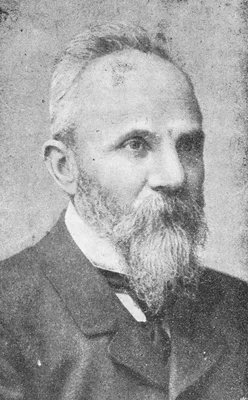
Includes reprints of Perroncito’s earlier papers. He insisted on the parasitic origin of the disease as it occurred among the St. Gotthard tunnellers in 1880, and he introduced Felix mas as a vermifuge against hookworm.
1910
#5380.1
The etiology of the typhus fever (tabardillo) of Mexico City. A further preliminary report.
Demonstration of the causal organism of typhus.
1910 –1911
#5384
Recherches experimentales sur le typhus exanthématique.
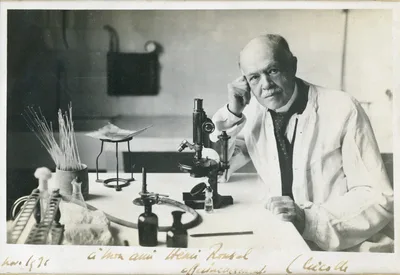
Nicolle demonstrated the transmission of typhus by the body louse Pediculus corporis. He also produced the disease in monkeys and guinea-pigs by the injection of infected blood. Preliminary communication in C. R. Acad…
1910
#11616
Hookworm disease; Etiology, pathology, diagnosis, prognosis, prophylaxis, and treatment
When the authors published this book hookworm disease was endemic in the American south, partly because so many people walked in the soil without wearing shoes, so the hookworms entered their body through the soles of…
1911
#2404
A method for the pure cultivation of pathogenic Treponema pallidum (Spirochaeta pallida).
Pure culture of T. pallidum first obtained. Digital facsimile from digitalcommon.oshu.edu at this link.
1911
#5171
La precipitina nella diagnosi del carbonchio ematico.
Ascoli’s thermoprecipitin reaction for the diagnosis of anthrax. German translation in Zbl. Bakt., 1911, 1 Abt., 58, Orig., 63-70. Preliminary note in Patbologica, 1910, 3, 101.
1911
#5172
Die bakteriologische Blutuntersuchung beim Milzbrand des Menschen.
Salvarsan first used in the treatment of anthrax.
1911
#5189
Experiments undertaken to test the efficacy of the ipecac treatment of dysentery.
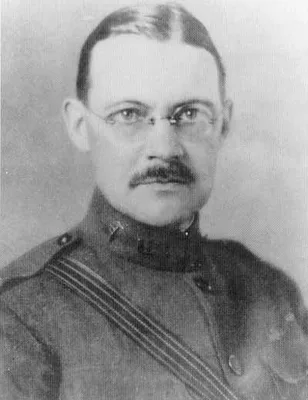
Vedder demonstrated the amoebicidal action of emetine; his work led to the general adoption of emetine in the treatment of amoebic dysentery.
1911
#6646
The king’s evil.
A classic account of the history of touching for the “king’s evil” or scrofula— a practice of kings from ancient times until the 18th century.
1911
#9373
Yellow fever: A compilation of various publications. Results of the work of Maj. Walter Reed, Medical Corps, United States Army, and the Yellow Fever Commission. Presented by Mr. Owen.
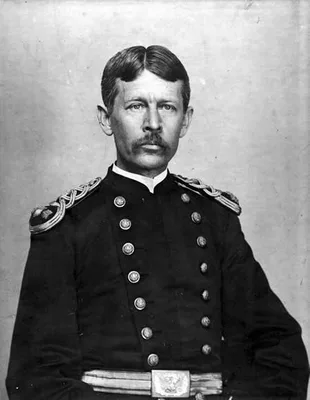
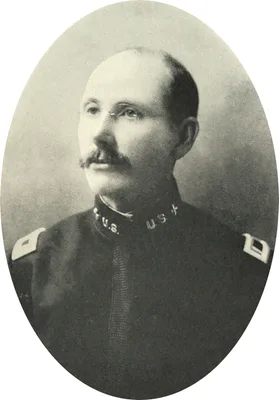
A convenient compilation of the work of Reed and his associates, including the work of James Carroll published after the death of Walter Reed. Digital facsimile from the Internet Archive at this link.
1912
#4670.4
Experimental and pathological investigation. In: Investigations on epidemic infantile paralysis, report from the State Medical Institute of Sweden to the XVth International Congress on Hygiene and Demography.
Kling, A. Pettersson, and W. Wernstedt recovered the poliomyelitis virus from the intestinal wall and contents, disproving the contention of Flexner that it was exclusively neurotropic.
1912
#86
Gesammelte Werke von Robert Koch. Unter Mitwirkung von G. Gaffky and E. Pfuhl. Herausgegeben von J. Schwalbe. 2 vols. [in 3).
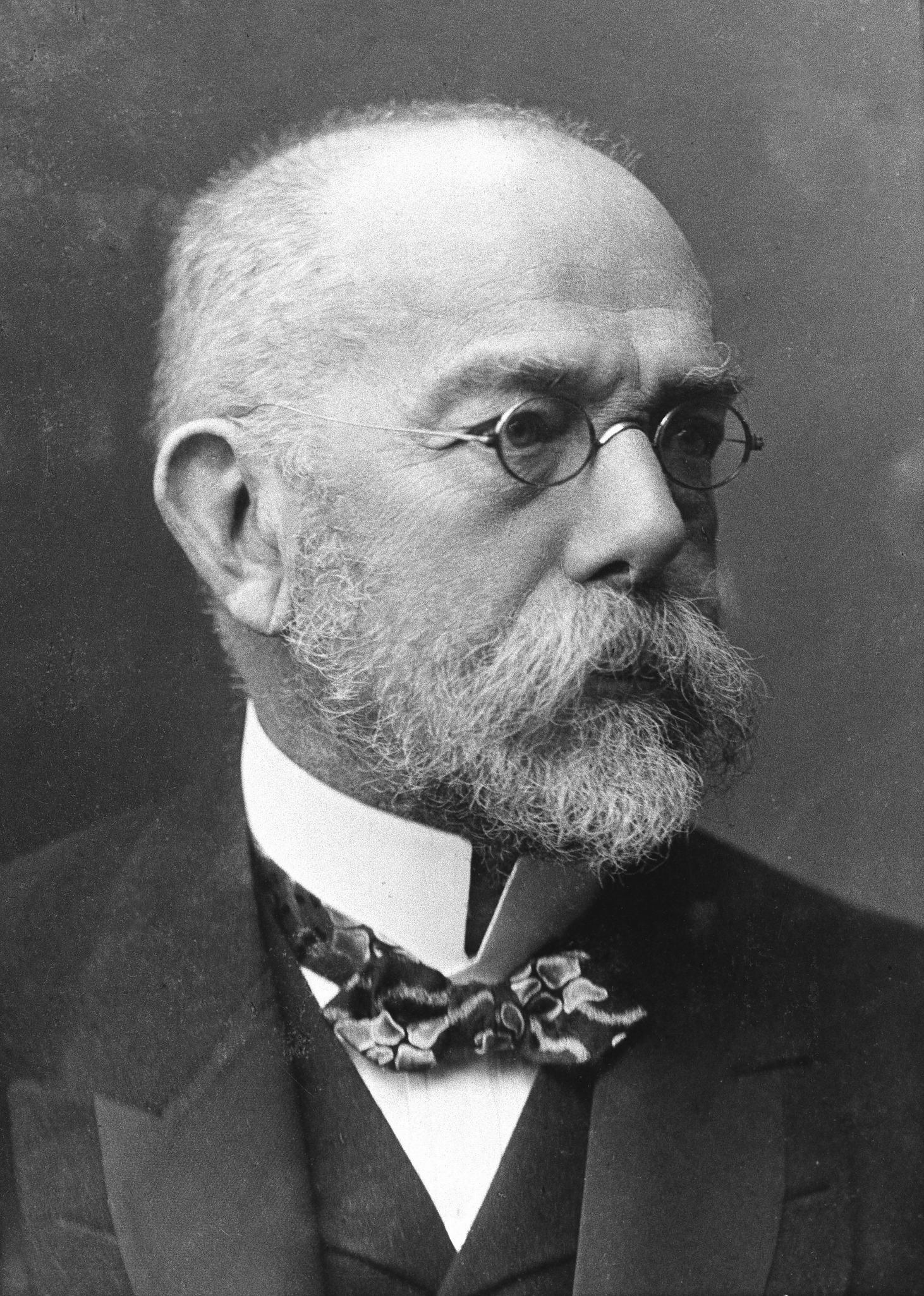
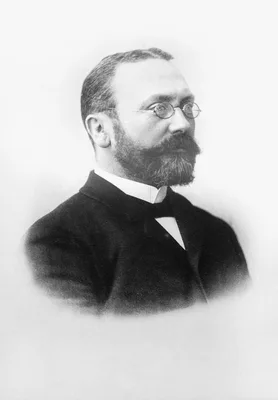
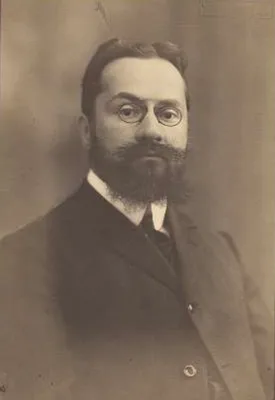
For his work on tuberculosis Koch received the Nobel Prize in 1905. Digital facsimile from the Internet Archive at this link. See T.D. Brock, Robert Koch: A life in medicine and bacteriology, Madison, WS: Science-Tech…
1912
#2519
Pure cultivation of Spirochaeta refringens.
Noguchi obtained pure cultures of spirochaetae. See also his later papers in the same journal, 1912, 16, 199-210, 620-28.
1912
#5159
An account of the discovery of a hitherto undescribed infective disease occurring among the population of Rangoon.
First description of melioidosis. Together with C.S. Krishnaswami, Whitmore identified Burkholderia pseudomallei, the causative agent of melioidosis (also known as "Whitmore's disease") in opium addicts in Rangoon in …
1912
#5174
Further observations on a plague-like disease of rodents with a preliminary note on the causative agent, Bacterium tularense.
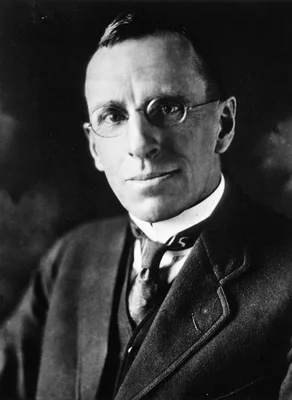
Isolation of Pasteurella tularensis, causal organism in tularemia.
1912
#5285.3
Le trypanosoma cruzi évolue chez Conorhinus megistus, Cimex lectularius, Cimex Boueti et Ornithodorus moubata. Cycle évolutif de ce parasite.
Life cycle of T. cruzi described. English translation in Kean (No. 2268.1).
1912
#5324
Salvarsantherapie der Rattenbisskrankheit in Japan.
Salvarsan first used in the treatment of rat-bite fever.
1912
#5960
Klinische, experimentelle und mikroskopische Studien über Trachom, Einschlussblenorrhöe und Frühjahrskatarrh.
Filtration of the virus of inclusion conjunctivitis.
1912
#5961
Le magot animal réactif du trachôme. Filtrabilité du virus. Pouvoir infectant des larmes.
Filtration of the trachoma agent, Chlamydia trachomatis. With L. Blaisot and A. Cuénod.
1912
#5367
Das Oleum chenopodii anthelmintici gegen Ankylostomiasis im Vergleich zu anderen Wurmmitteln.
Schüffner and Vervoort introduced oil of chenopodium for the treatment of ankylostomiasis as early as 1900.
1912
#5190
The rapid cure of amoebic dysentery and hepatitis by hypodermic injections of soluble salts of emetine.
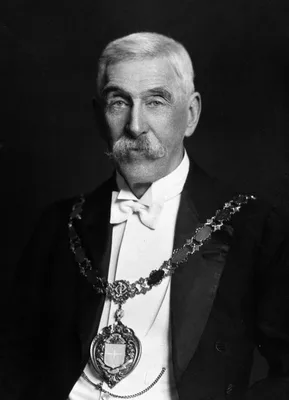
Following up the work of Vedder, Rogers showed that the soluble salts of emetine could be safely injected subcutaneously. The general use of emetine, introduced by Rogers, diminished the incidence of liver abscess – a…
1912
#5255.1
The cultivation of malaria plasmodia (Plasmodium vivax and Plasmodium falciparum) in vitro.
Cultivation of the malaria parasite.
1912
#12433
Cryptosporidium parvum (sp. nov.) a coccidium found in the small intestine of the common mouse.
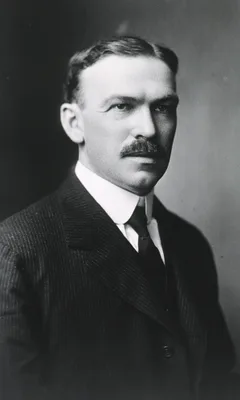
Tyzzer described an even smaller species of cryptosporidium, Cryptosporidium parvum (sp. nov.), later recognized as the chief species infecting humans. His paper reproduced color lithographs of all the different life …
1913
#4805
A demonstration of Treponema pallidum in the brain in cases of general paralysis.
A pure culture of Trep. pallidum was obtained from a case of dementia paralytica.
1913
#3192.1
A biological classification of pneumococci by means of immunity reactions.
Dochez and Gillespie differentiated four types of pneumococci.
1913
#5191
Experimental entamoebic dysentery.
Walker and Sellards made important additions to our knowledge of amoebiasis, including the determination of the incubation period and the demonstration that E. tetragena and E. minuta are identical with E. histolytica.
1913
#11249
Important discovery in tropical medicine: Metamorphosis of Filaria Loa.
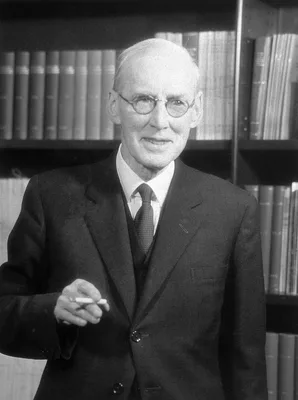
Leiper discovered diurnal periodicity in Filaria Loa, as the worm embryos are found in the blood only during day, as an adaptation to the day-biting habits of their insect vector, a biting fly of the genus Chrysopa. T…
1914
#5175
Infection of man with Bacterium tularense
Wherry and Lamb were first to isolate P. tularensis from lesions in man.
1914
#5506.1
German measles (rubella): an experimental study.
Experimental proof that rubella is caused by a virus.
1914
#5325
Zurt Aetiologie und Klinik der Bisskrankheit.
Isolation of Streptothrix (Actinomyces) muris ratti from human patients bitten by rats.
1914
#5535.1
Note on certain protozoa-like bodies in a case of protracted fever with splenomegaly.
Castellani was first to suspect that toxoplasmosis could affect humans.
1914
#5536
Les grains botryomycotiques. Leur signification en pathologie et en biologie générales.
Thèse de Paris, No. 267, 1914. Magrou showed botriomycosis (granuloma pyogenicum) to be due to a staphylococcus.
1914
#5350.2
Der Zwischenwirt des Schistosomum japonicum Katsurada.
Miyairi and Suzuki confirmed that snails are the intermediate hosts of S. japonicum, and their paper completed the description of the life cycle from ova to snail intermediate host. Translation in Kean (No. 2268.1), p…
1914
#5350.3
Report of the Bombay Bacteriological laboratory for the year 1913.
Experimental demonstration, on pp. 14-16, of the complete life cycle of Dracunculus medinensis, the parasite causing Dracunculiasis, popularly known as Guinea-worm disease.
1915
#2520
Notes bactériologiques sur les infections gazeuses.
Isolation of Cl. oedematiens.
1915
#2571
An investigation on the nature of ultra-microscopic viruses.
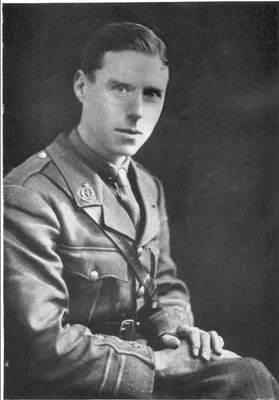
Twort discovered discovered bacteriophages, a type of virus that attacks bacteria (the term bacteriophage was coined by Félix d’Herelle, who in 1917 independently confirmed Twort’s discovery). The discovery of bacteri…
1915
#5094
Ueber die Bakteriologie der giftarmen Dysenteriebacillen (Para-dysenteriebacillen).
Sonne’s bacillus (Shigella sonnei) was probably described earlier by others, but it was Sonne who first drew serious attention to it. First published as inaugural dissertation, 1914.
1915 –1916
#5350.4
Reports of the results of the bilharzia mission in Egypt, 1915.
Leiper identified the snail responsible for the transmission of Schistosoma mansoni and S. haematobium.
1915
#5350.5
Observations on the spread of Asiatic schistosomiasis.
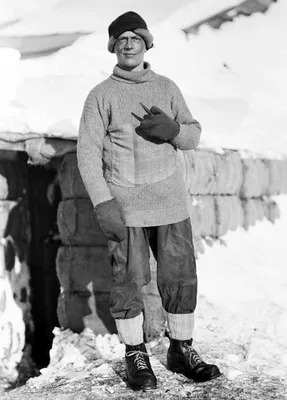
First paper in English giving a detailed account of the development of S. japonicum in the snail and its subsequent development in man. Atkinson, a surgeon in the Royal Navy, was a member of Scott’s Antarctic expediti…
1915
#5384.1
Ätiologische Untersuchungen über den Flecktyphus in Serbien 1913 und in Hamburg 1914.
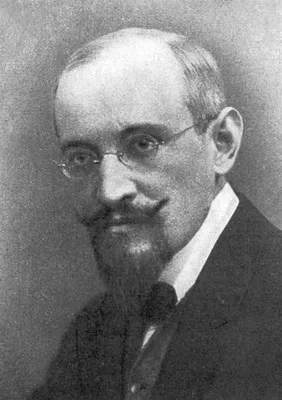
Prowazek, like Ricketts and Wilder, demonstrated the specific causal agent in typhus. Like Ricketts he died of the disease.
1915
#5385
A note on a relapsing febrile illness of unknown origin.
First reported case of “trench fever”.