
Facets
Browse across eight MeSH (opens in new tab) facets — era, geography, science, specialty, technology, history, culture, and reference. Select one tag per group; counts update across the others. What’s new in facet browse how facets relate to subjects and MeSH.
Clear filtersFacet filters
Geography
Specialties & Disease
- Anatomy & Pathology 765
- Cardiology & Blood 914
- Neurology & Psychiatry 1,258
- Obstetrics & Reproductive 551
- Infectious Disease (General) 147
- Surgery & Anesthesia 1,553
- Public Health 1,129
- Immunology & Dermatology 1,405
- General Clinical Medicine 487
- Military Medicine 436
- Psychology 202
- Alternative & Fringe Medicine 383
- Pediatrics 247
- Ophthalmology & Vision 412
- ENT & Hearing 293
- Urology & Nephrology 309
- Gastroenterology & Hepatology 316
- Pulmonary & Respiratory 233
- Rheumatology, Rehab & Pain 189
- Internal, Emergency & Geriatric 123
- Veterinary Medicine 165
- Epidemiology & Demography 397
- Physiology & Embryology 924
- Dentistry 259
- Plagues & Epidemics 1,279
- Microbiology & Virology 1,080
Social & Historical Studies
Institutions & Culture
Reference & Scholarly Works
1,080 entries match Microbiology & Virology [C01.748]
1898
#5249
On the haemocytozoa of birds.
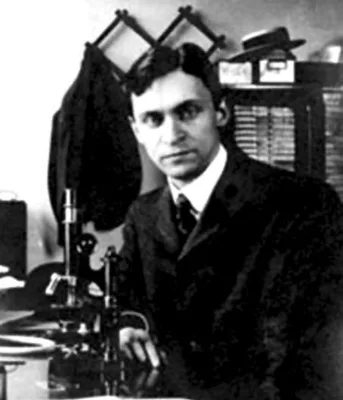
Demonstration of sexual conjugation in the malaria parasite. See also No. 5250.
1898
#5250
Notes on the pathological changes in the organs of birds infected with haemocytozoa.
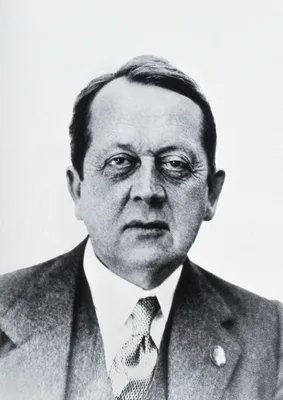
MacCallum and Opie discovered the sexual phase of malaria parasites.
1898
#5251
The rôle of the mosquito in the evolution of the malarial parasite.
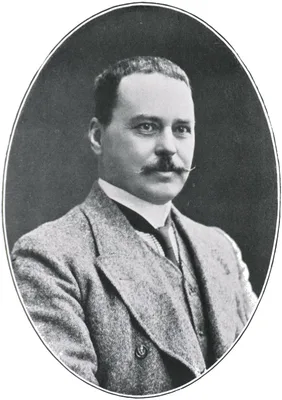
Ross provided the last link in the chain demonstrating the complete life-cycle of the parasite of bird malaria. He found that mosquitoes which had fed on malaria-infected birds, and which had allowed the parasites to …
1899
#2554
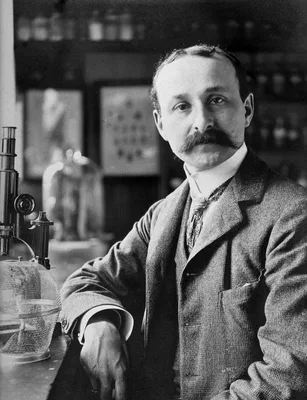
On the rôle of insects, arachnids and myriapods, as carriers in the spread of bacterial and parasitic diseases of man and animals. A critical and historical study.
1899
#3312
Recherches sur la bactériologie de l’ozène.
Perez isolated an organism from the nose of patients suffering from ozena. He named it Coccobacillus foetidus ozaenae and considered it to be causally related to the disease.
1899
#5377
Some observations on the so-called spotted fever of Idaho.
Rocky Mountain spotted fever first described.
1899
#5252
Ciclo evolutivo della semilune nell’ Anopheles claviger.
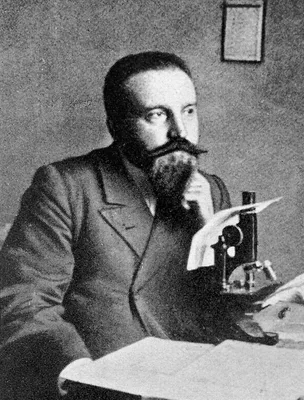
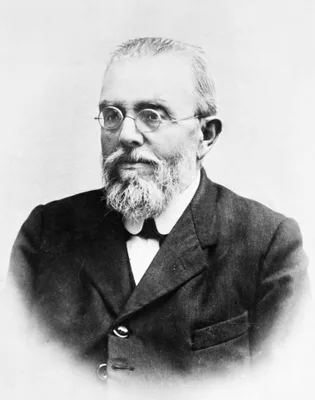
Grassi and Bignami showed that the Plasmodium undergoes its sexual phase only in the Anopheles mosquito.
1900
#4644
The pathology of herpes zoster and its bearing on sensory localisation.
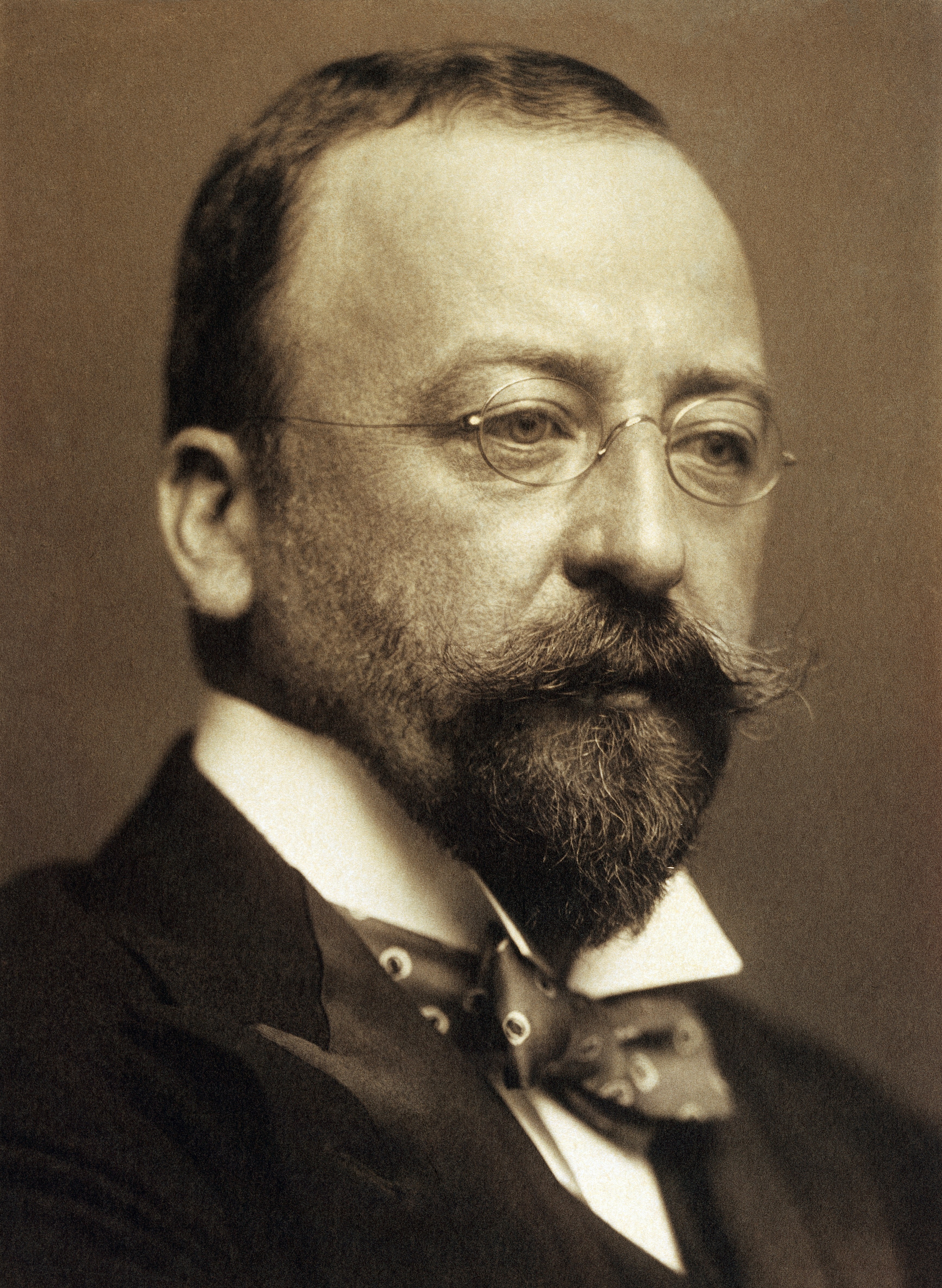
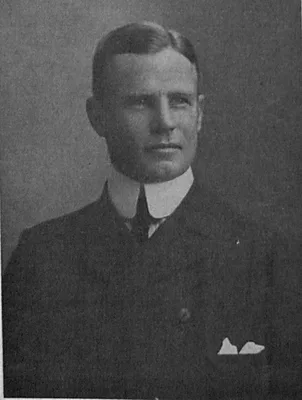
Head and Campbell showed herpes zoster to be a hemorrhagic inflammation of the posterior nerve roots and the homologous spinal ganglia.
1900
#2515
Ueber die nach Gram färbbaren Bacillen des Säuglingsstuhles.
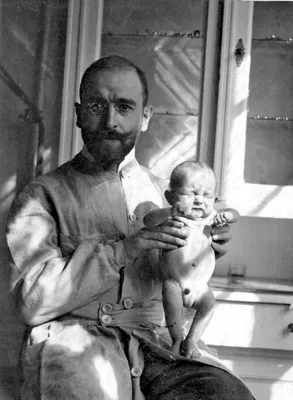
Isolation of Lactobacillus acidophilus.
1900
#2516
Morbid conditions caused by Bacillus aërogenes capsulatus.
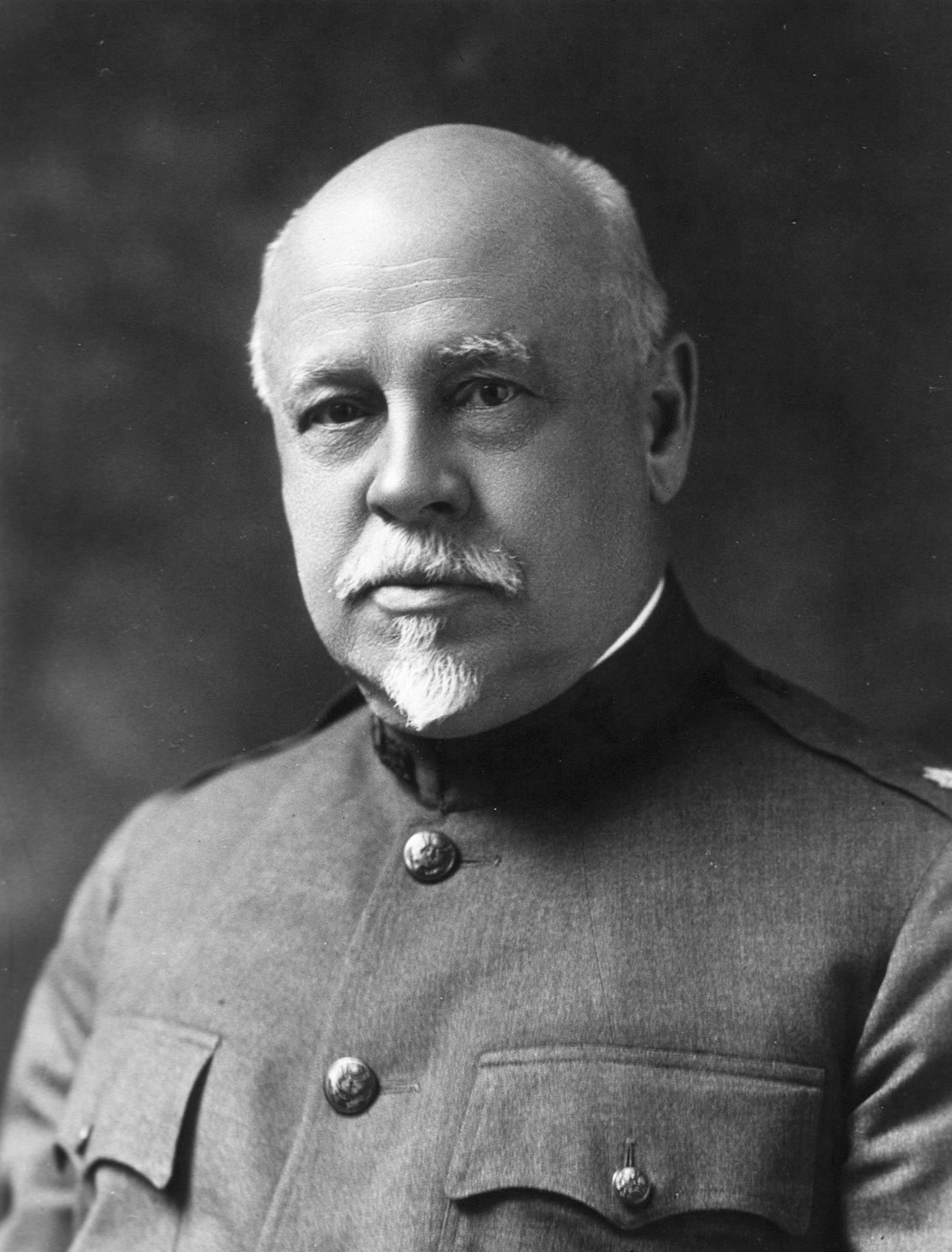
Welch grouped together the diseases caused by Cl. perfringens, earlier discovered by him in association with Nuttall (see No. 2508).
1900
#5039
Remarks on the results which have been obtained by the antityphoid inoculations.
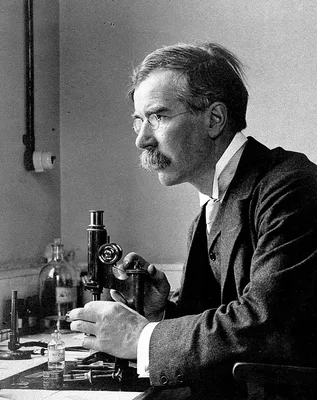
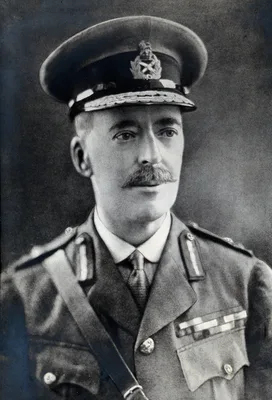
The active inoculation of man against typhoid was first performed by Wright in 1896. For a preliminary note see Lancet, 1896, 2, 807.
1900
#5092
Ueber die Ruhr als Volkskrankheit und ihren Erreger.
Further work on dysentery by Kruse led to the coupling of his name with Shiga to designate both the “Shiga–Kruse bacillus” and “Shiga–Kruse disease”.
1900
#5093
On the etiology of tropical dysentery.
The organism isolated by Flexner was at first thought to be identical with Shiga’s bacillus. Later Martini and Lentz, Z. Hyg., 1902, 41, 540, showed it to be different; it was named Bact. flexneri, and later Shigella …
1900
#5530.2
Au sujet de l’hématozoaire endoglobulaire de Padda oryzivora.
Toxoplasma described.
1900
#5530.3
A new pathogenic mould (formerly described as a protozoon: Coccidioides immitis pyogenes). Preliminary report.
Recognition that the protozoan was the pathogenic phase of a mycelial fungus.
1900
#5349
A recent observation on Filaria nocturna in Culex. probable mode of infection of man.
Demonstration of the complete chain of filarial infection from man-to-mosquito-to-man.
1900
#5456
A note on the interval between infecting and secondary cases of yellow fever from the records of yellow fever at Orwood and Taylor, Mississippi, in 1898.
Carter's determination of the incubation period yellow fever influenced the direction of Reed’s researches, and was instrumental in the discovery of the mode of transmission of the yellow fever virus.
1900
#5252.1
Studi di uno zoologo sulla malaria.
Includes the best illustrations of the various stages of the malaria parasite published up to that time.
1900
#5252.2
Experimental proof of the mosquito-malaria theory.
In a classic demonstration Manson allowed infected mosquitoes from Rome to bite a volunteer (his son) in London, who developed malaria 15 days later with tertian parasites in the blood, and who was cured by quinine.
1900
#4131.1
Un nuevo esporozoario parásito del hombre. Dos casos encontrados en pólipos nasales: Tesis presentada para optar al grado de doctor en medicina.
Rhinosporidiosis first described. Digital facsimile from bibliomedicinadigital.fmed.uba.ar at this link.
1900
#4505
The etiology of rheumatic fever.
After extensive bacteriological researches, Poynton and Paine considered that a diplococcus was the cause of rheumatic fever.
1901
#5362
Ueber das Eindringen der Ankylostomalarven in die menschliche Haut.
Looss discovered that hookworms can penetrate the skin; he himself became infected when hookworm culture accidentally spilled on his hands. English translation in Kean (No. 2268.1).
1901
#9372
The etiology of yellow fever: An additional note.
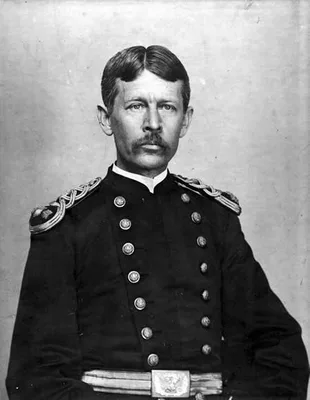
"The article describes a series of experiments conducted to explore how yellow fever is propagated from individual to individual and how the contagium is spread within households. The study was conducted in an experim…
1901
#12789
Über oligonitrophile Mikroben.
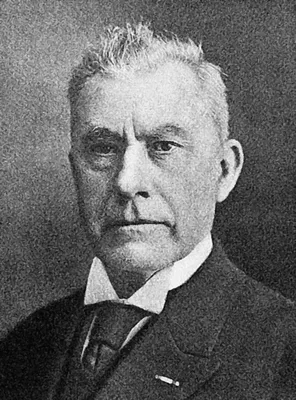
Discovery of nitrogen fixation, the process by which diatomic nitrogen gas is converted to ammonium ions and becomes available to plants. Bacteria perform nitrogen fixation, dwelling inside root nodules of certain pla…
1902
#2110
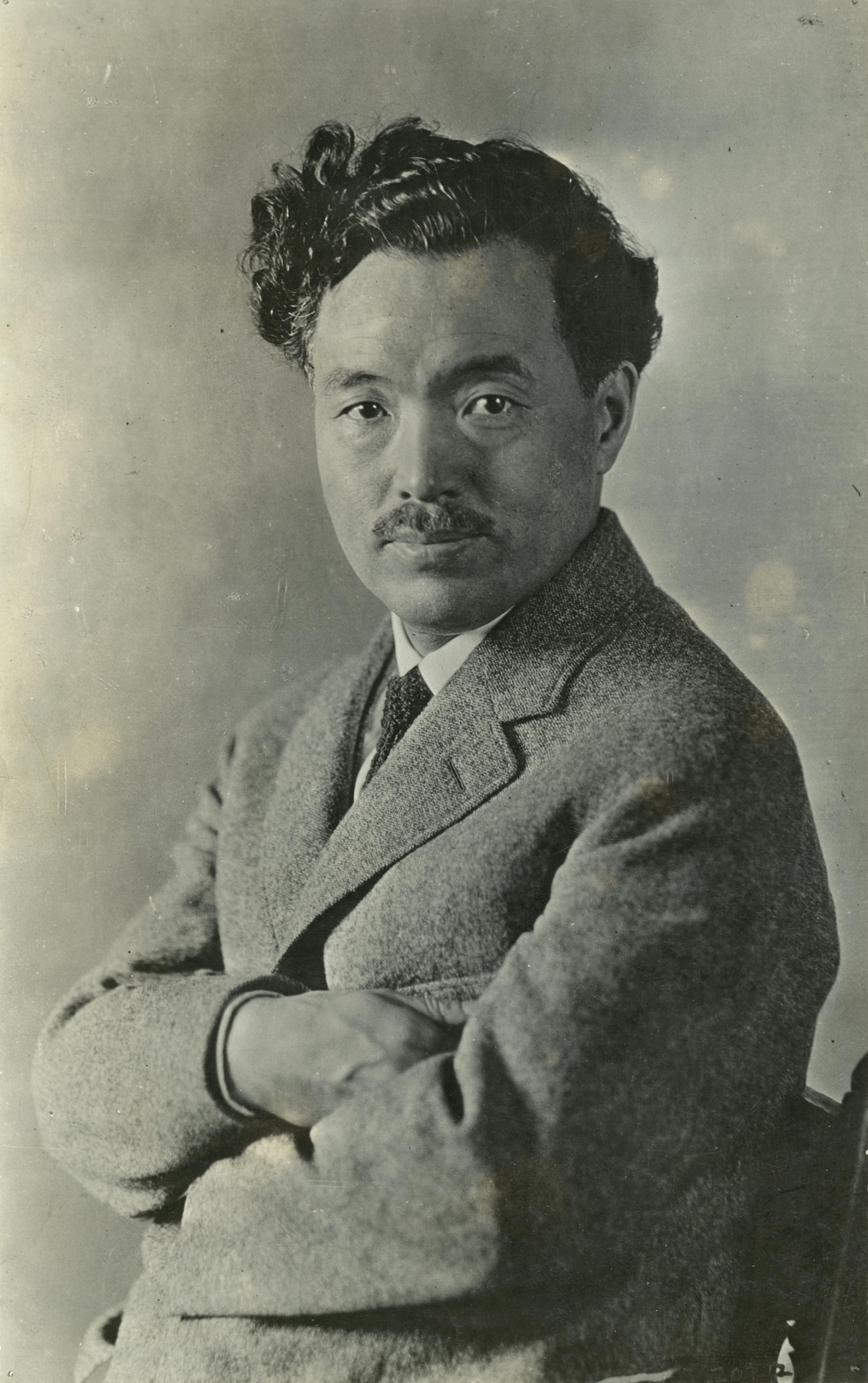
Snake venom in relation to haemolysis, bacteriolysis, and toxicity.
1902
#5531
Actinobacilosis.
Discovery of the actinobacillus.
1902
#5362.1
On the causal relationship between “ground itch”, or “pani-ghao”, and the presence of the larvae of the Ankylostoma duodenale in the soil.
While a medical officer in the tea plantations in Assam, India, Bentley demonstrated the mode of entry of Ankylostoma into the body.
1902
#5363
A new species of hookworm (Uncinaria americana) parasitic in man.
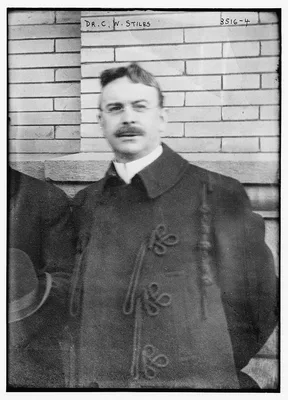
Discovery of the American species of hookworm, afterward re-named Necator americanus. It was later believed to have originated in Africa, being brought over by slaves.
1902
#5274
Some clinical notes on a European patient in whose blood a trypanosoma was observed.
In 1901 Forde saw (but did not at first recognize as such) trypanosomes in the blood of a patient in Gambia. (See No. 5275.)
1902
#5275
Preliminary note upon a trypanosome occurring in the blood of man.
Dutton was the first to recognize human trypanosomiasis. He saw Forde’s patient (see No. 5274) and named the trypanosome T. gambiense. Sleeping sickness itself has been referred to as “Dutton’s disease”. The first ann…
1902
#11860
Recent researches concerning the etiology, propagation, and prevention of yellow fever, by the United States Army Commission.
By 1902 Reed knew that the infectious agent of yellow fever was smaller than bacteria, though he did not specifically call it a virus. "In 1898, the passage of an animal pathogen through a Chamberland filter was repor…
1902
#12114
The significance of recent American cases of hookworm disease (Uncinariasis or Anchylostomiasis) in man.
In this paper Stiles fully characterized and extensively illustrated the American hookworm parasite that he first described in No. 5363. This species and the Schistosoma are the pathogenic organisms that can penetrate…
1903 –1915
#2458
Protozoa and disease. 4 vols.
1903 –1909
#2517
Handbuch der pathogenen Mikroorganismen. 6 vols.
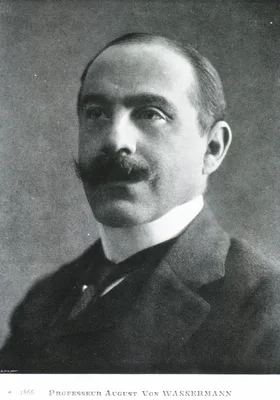
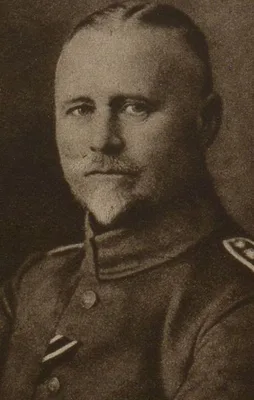
Third edition, 10 vols. [in 19], 1929-31.
1903
#5484
Contributo alio studio dell’ eziologia della rabia.
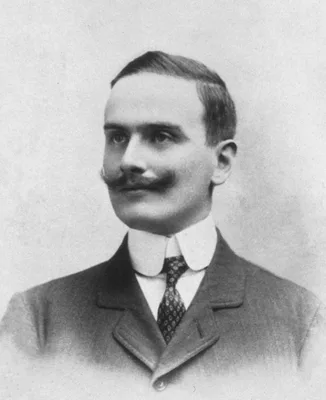
Discovery of the “Negri bodies” in rabies, the size of which makes viewing possible with a light microscope, and allows prompt microscopic diagnosis. German translation in Z. Hyg. InfektKr., 1903, 43, 507-28. Even tho…
1903
#5295
On the possibility of the occurrence of trypanosomiasis in India.
An organism found by Leishman in 1900 was later described by him as possibly a trypanosome. C. Donovan found the same organism in blood in July 1903. The name Leishmania donovani (Leishman-Donovan bodies) was later at…
1903
#5254
Studien über krankheitserregende Protozoen. II. Plasmodium vivax (Grassi & Feletti), der Erreger des Tertianfiebers beim Menschen.
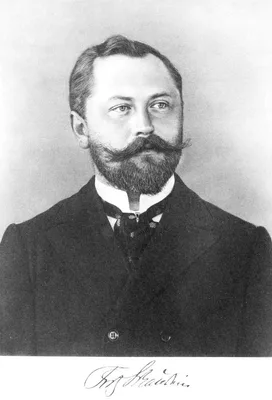
Confirmation of the work of Ross and of Grassi.
1903
#5276
On the discovery of a species of trypanosoma in the cerebrospinal fluid of cases of sleeping sickness.
While in Uganda, Castellani discovered T. gambiense in human cerebrospinal fluid. A paper in Notes Rec. roy. Soc., 1973, 23, 93-110, discounts Castellani’s claim that although he first discovered trypanosomes in the c…
1903 –1929
#7338
Opera Omnia. Volume I: Istologia normale—1870-1883 (Con 21 Tavole e ritratto); Volume II: Istologia normale—1883-1902 (Con 21 tavole); Volume III: Patologia generale e isto-patologia—1868-1894 (Con 9 Tavole). Volume IV: Scritti su argomenti varii.
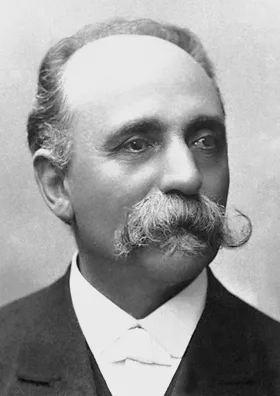
Limited to 325 copies, including material not previously published.
1903
#14034
Le passage du virus rabique à travers les filtres.
By demonstrating that the rabies organism is filterable Remlinger proved that rabies is a virus. The rabies virus was the second virus causing disease in humans to be identified. Remlinger made his discovery by follow…
1904
#2438
The cultivation of the Bacillus leprae.
Rost cultivated the leprosy bacillus, and he prepared leprolin, formerly used in treating leprosy.
1904
#2459
Researches in helminthology and parasitology. With a bibliography of his contributions to science.
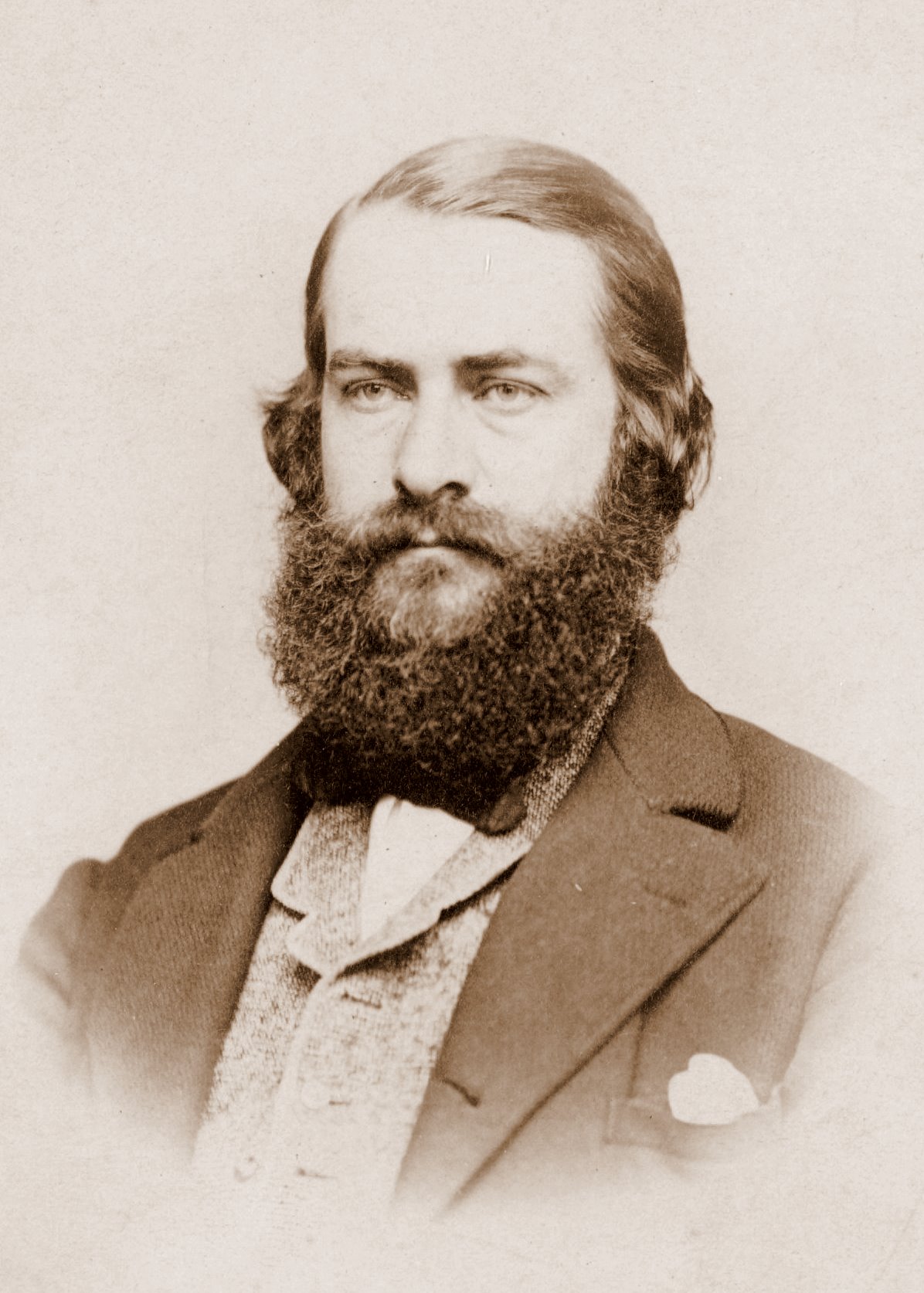
In vol. 46 of Smithsonian Miscellaneous Collections. Leidy was called the greatest descriptive naturalist in mid-19th century America.
1904
#2560
Ueber die Antikörper des Streptokokken- und Pneumokokken-Immunserums.
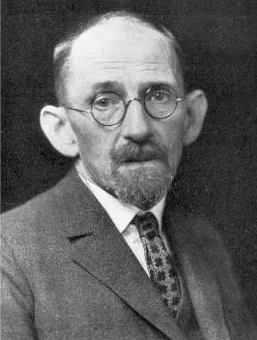
Bacteriotropins named and described.
1904
#4004
Surla radiothérapie des teignes.
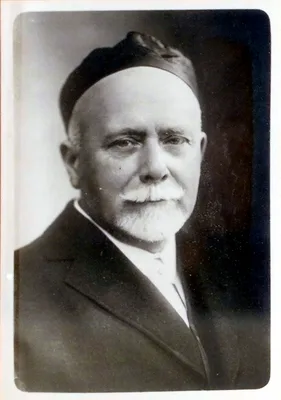
Sabouraud’s method of radiological treatment of ringworm.
1904
#5298
Note on the nature of the parasitic bodies found in tropical splenomegaly.
1904
#5299
Note on the occurrence of Leishman–Donovan bodies in “cachexial fevers” including kala-azar.
Rogers demonstrated the Leishman–Donovan bodies in kala-azar. See also the same journal, 1904, 2, 645-50. At about the same time Bentley reported similar findings in India.
1904
#5349.1
The aetiology of a parasitic disease (in Japanese)
First description of Schistosoma japonicum. Translation in Kean (No. 2368.1), p. 518.
1904
#5349.2
Note on a new form of liver cirrhosis due to the presence of the ova of Bilharzia haematobia.
“Symmers’s fibrosis”, pipe stem fibrosis of the liver, occurring in cases of certain forms of schistosomiasis.
1904
#5278
Trypanosomes et trypanosomiases.
Laveran and Mesnil discovered that trypanosomes could be maintained indefinitely in rats and mice by serial passage.
1905 –1914
#2518
Bacteria in relation to plant diseases. 3 vols.
One of the most careful investigations of the bacterial diseases in plants was made by Smith, who conclusively demonstrated the existence of such diseases and proposed a scheme of classification for the bacteria conce…