
Facets
Browse across eight MeSH (opens in new tab) facets — era, geography, science, specialty, technology, history, culture, and reference. Select one tag per group; counts update across the others. What’s new in facet browse how facets relate to subjects and MeSH.
Clear filtersFacet filters
Geography
Specialties & Disease
- Alternative & Fringe Medicine 0
- Anatomy & Pathology 1
- Cardiology & Blood 9
- Dentistry 0
- ENT & Hearing 2
- Epidemiology & Demography 2
- Gastroenterology & Hepatology 6
- General Clinical Medicine 4
- Immunology & Dermatology 39
- Infectious Disease (General) 1
- Internal, Emergency & Geriatric 2
- Microbiology & Virology 33
- Military Medicine 1
- Neurology & Psychiatry 23
- Obstetrics & Reproductive 1
- Oncology & Cancer 13
- Ophthalmology & Vision 4
- Pediatrics 0
- Physiology & Embryology 195
- Plagues & Epidemics 11
- Psychology 2
- Public Health 12
- Pulmonary & Respiratory 2
- Rheumatology, Rehab & Pain 1
- Surgery & Anesthesia 7
- Urology & Nephrology 3
- Veterinary Medicine 2
Social & Historical Studies
Institutions & Culture
Reference & Scholarly Works
Drugs & Technology
11 entries match Plagues & Epidemics [C01.252] · Nobel Prizes [K01.150.567]
1881
#5236
Un nouveau parasite trouvé dans le sang plusieurs malades atteints de fièvre palustre.
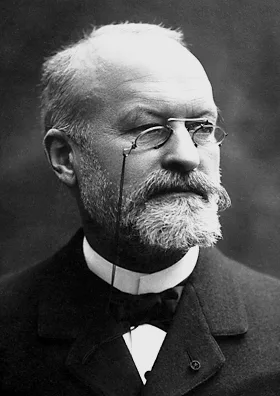
Laveran first saw the malaria parasite on 20 October 1880; he at once recognized its significance. He named it Oscillaria malariae. English translation in Kean (No. 2268.1). Laveran also published a monograph on the d…
1882
#2331
Die Aetiologie der Tuberkulose.
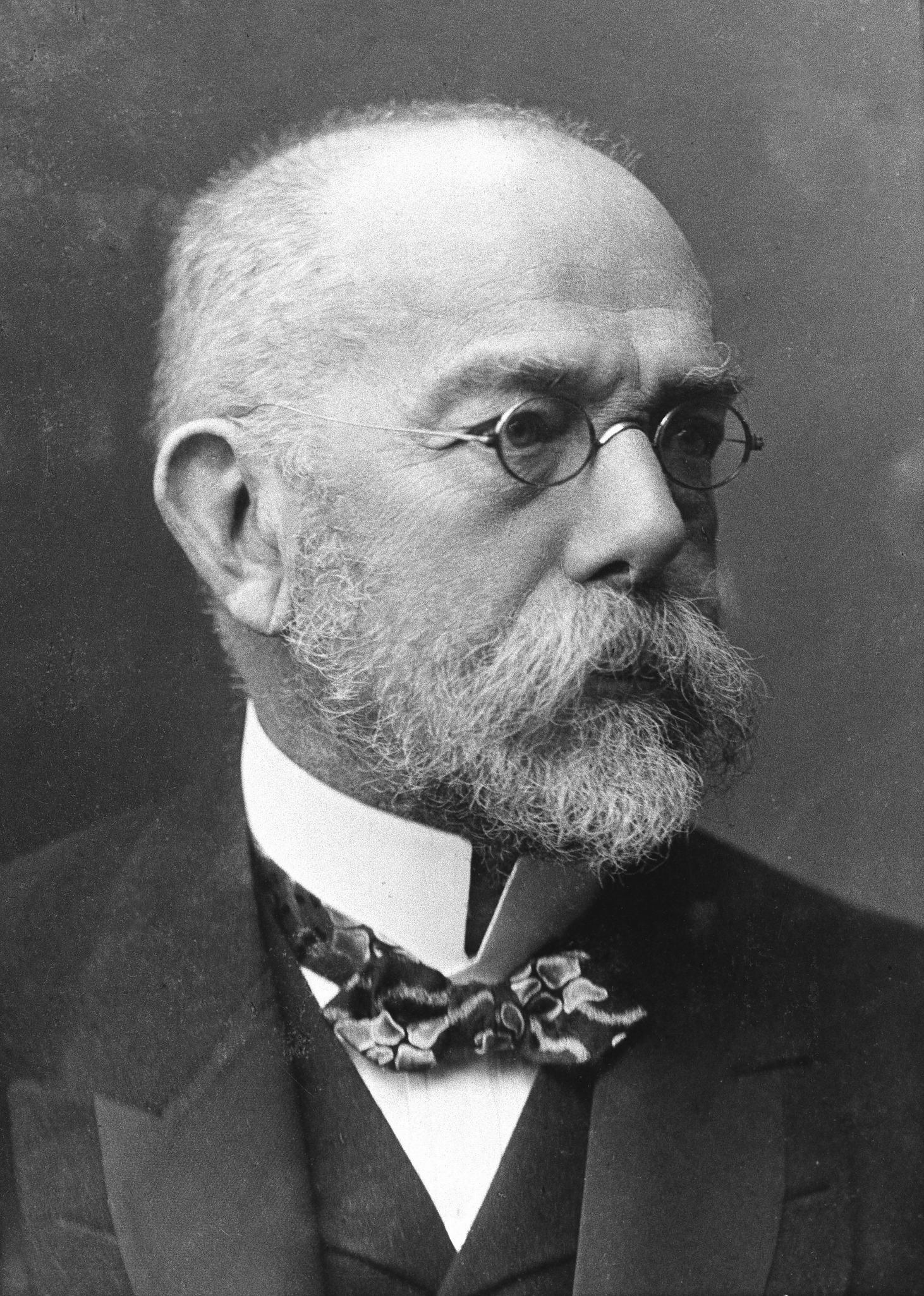
Discovery of the tubercle bacillus announced March 24, 1882. This paper also contains a statement of “Koch’s postulates”. See also Nos. 2536 and 5167. Koch published a fuller account as "Die Aetiologie der Tuberkulose…
1890
#2544
Ueber das Zustandekommen der Diphtherie-Immunität und der Tetanus-Immunität bei Thieren.
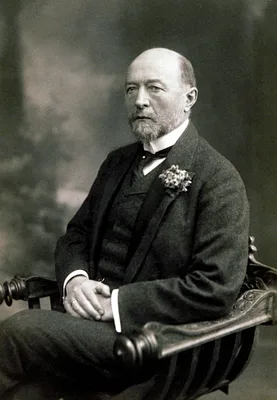
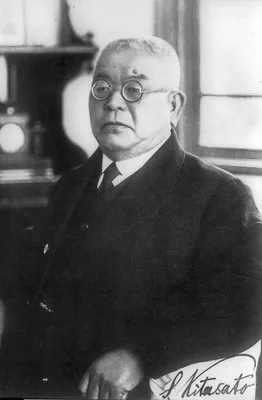
Antitoxins and their immunizing powers were discovered when Behring and Kitasato published their paper dealing with immunity to tetanus and diphtheria. This work laid the foundation of all future treatment with antito…
1897
#5064
Die Wertbestimmung des Diphtherieheilserums.
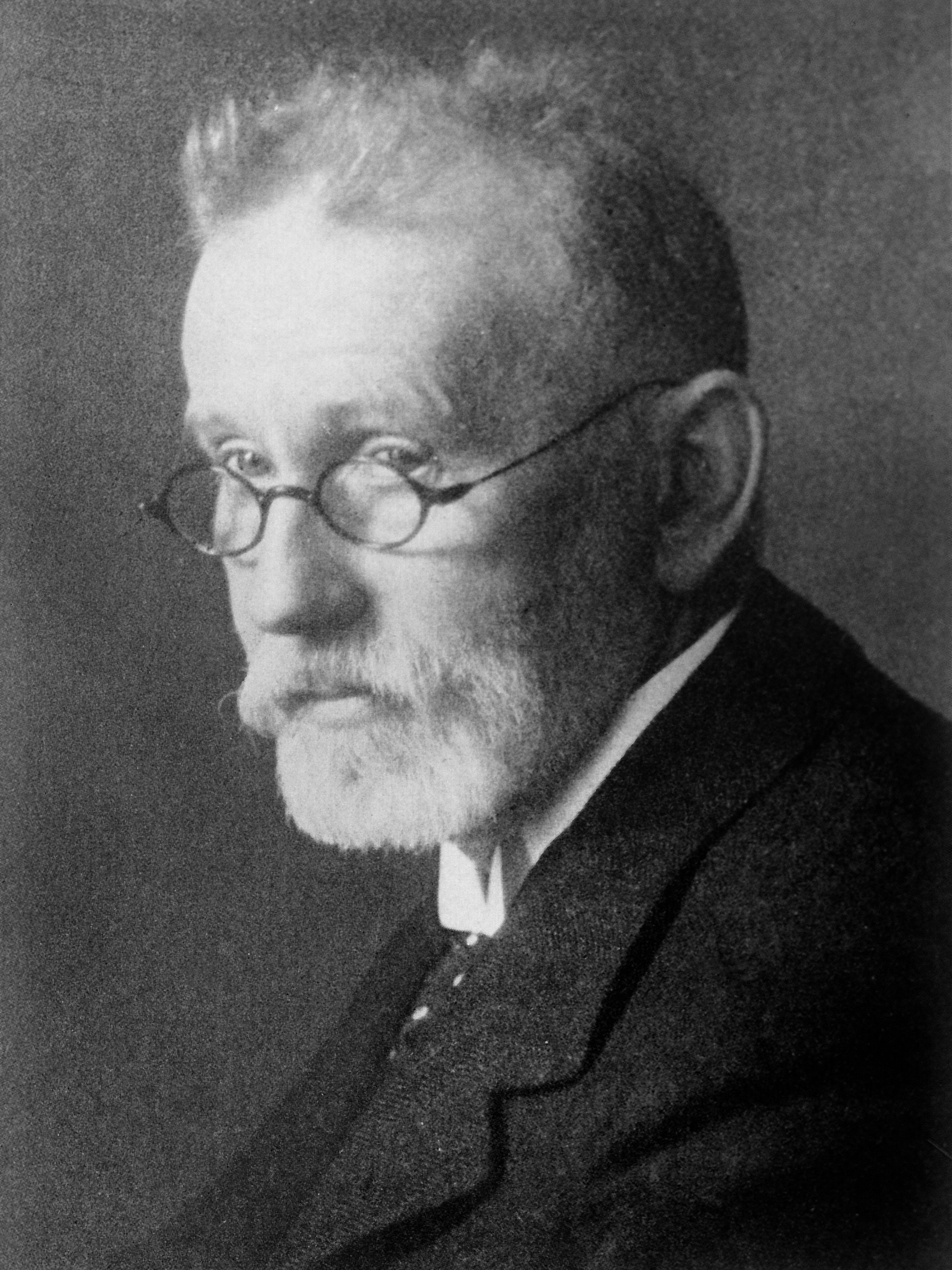
Ehrlich improved Behring’s diphtheria antitoxin through quantitative titration and established an international standard for this and other antitoxins. This was the beginning of the concept of biological standardizati…
1897
#5247
On some peculiar pigmented cells found in two mosquitoes fed on malarial blood.
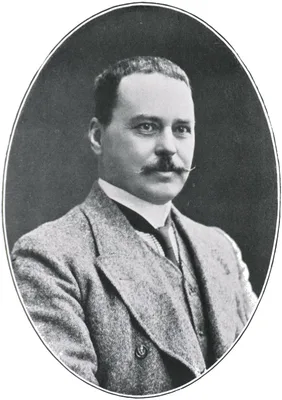
Ross proved that the mosquito was responsible for the transmission of malaria. On 20 August 1897, he found Laveran’s Plasmodium in the stomach of the Anopheles mosquito after it had fed on the blood of malaria patient…
1910 –1911
#5384
Recherches experimentales sur le typhus exanthématique.
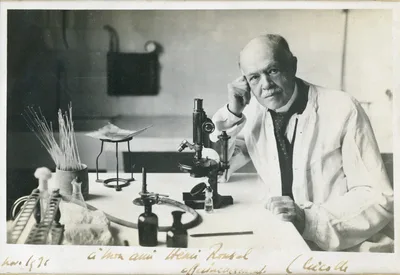
Nicolle demonstrated the transmission of typhus by the body louse Pediculus corporis. He also produced the disease in monkeys and guinea-pigs by the injection of infected blood. Preliminary communication in C. R. Acad…
1918 –1919
#4806
Ueber die Einwirkung der Malaria auf die progressive Paralyse.
In 1917 Wagner von Jauregg returned to the idea of the inoculation of paretics with malaria to induce pyrexia, first proposed by him in 1887 (Ueber die Einwirkung fieberhafter Erkrankungen auf Psychosen, Jb. Psychiat.…
1937
#5467
The use of yellow fever virus modified by in vitro cultivation for human immunization.
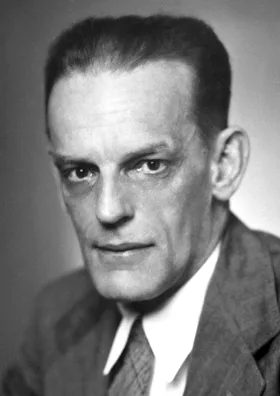
Immunization without the use of immune serum. In 1951 Theiler was awared the Nobel Prize in Physiology or Medicine "for his discovery of an effective vaccine against yellow fever." This was the first Nobel Prize award…
1949
#4671.1
Cultivation of the Lansing strain of poliomyelitis virus in cultures of various human embryonic tissues.
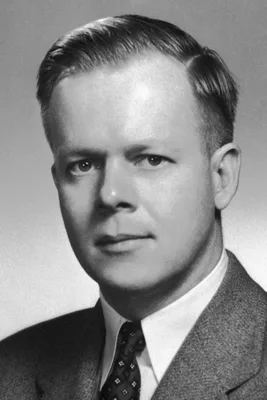
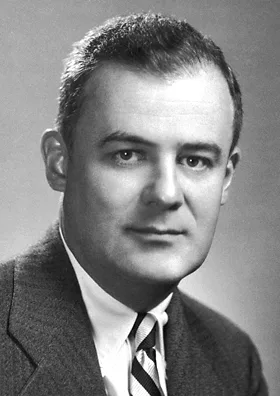
Enders, Weller, and Robbins grew the poliomyelitis virus in cultures of different tissues. Their method proved of great value in virus research, and removed the final obstacles to vaccine production. In 1974 Enders, W…
1983
#6996
Isolation of a T-lymphotropic retrovirus from a patient at risk for acquired immune deficiency syndrome (AIDS).

Isolation of the human immunodeficiency virus (HIV-1). In 2008 Barré-Sinoussi and Montagnier shared half of the Nobel Prize in Physiology and Medicine "for their discovery of human immunodeficiency virus." The other h…
2005
#13622
Suppression of RNA recognition by toll-like receptors: The impact of nucleoside modification and the evolutionary origin of RNA.

Karikó and Weissman discovered the nucleoside modifications that suppress the immungenicity of RNA, leading to their patents for the application of non-immunogenic, nucleoside-modified RNA (modRNA). This technology wa…