
Facets
Browse across eight MeSH (opens in new tab) facets — era, geography, science, specialty, technology, history, culture, and reference. Select one tag per group; counts update across the others. What’s new in facet browse how facets relate to subjects and MeSH.
Clear filtersFacet filters
Geography
Specialties & Disease
- Alternative & Fringe Medicine 0
- Anatomy & Pathology 7
- Cardiology & Blood 94
- Dentistry 3
- ENT & Hearing 5
- Epidemiology & Demography 4
- Gastroenterology & Hepatology 9
- General Clinical Medicine 1
- Immunology & Dermatology 37
- Infectious Disease (General) 1
- Internal, Emergency & Geriatric 0
- Microbiology & Virology 22
- Military Medicine 0
- Neurology & Psychiatry 27
- Obstetrics & Reproductive 5
- Oncology & Cancer 14
- Ophthalmology & Vision 12
- Pediatrics 44
- Physiology & Embryology 23
- Plagues & Epidemics 27
- Psychology 3
- Public Health 8
- Pulmonary & Respiratory 5
- Rheumatology, Rehab & Pain 4
- Surgery & Anesthesia 76
- Urology & Nephrology 0
- Veterinary Medicine 2
Social & Historical Studies
Institutions & Culture
Reference & Scholarly Works
Drugs & Technology
14 entries match Oncology & Cancer [C04] · Genetics & Heredity [K01.900.300]
1901
#3866
A study of congenital sarcoma of the liver and suprarenal. With report of a case.
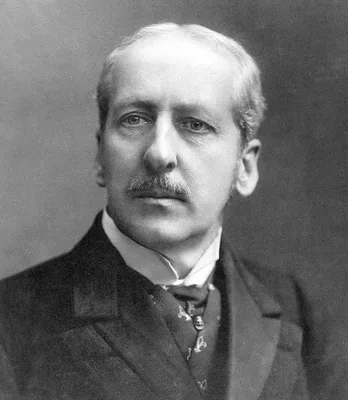
Pepper’s type of adrenal medullary tumor.
1907 –1908
#2633
A study of heredity in relation to the development of tumours in mice.
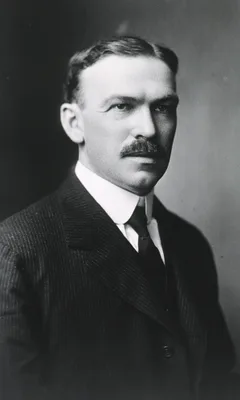
First experimental study of the heredity of mouse cancer.
1913
#9443
Heredity with reference to carcinoma: As shown by the study of the cases examined in the pathological laboratory of the University of Michigan, 1895-1913.
"In 1895, a young seamstress of his [Warthin's] acquaintance told him about her family's long history of cancer deaths.[6] Intrigued, he researched her family's history, searching death records and administering quest…
1914
#7759
Zur Frage der Entstehung maligner Tumoren.
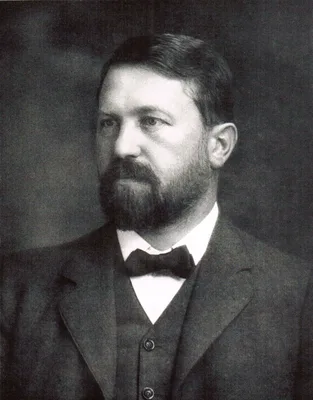
Boveri argued that malignancy arises as a consequence of chromosomal abnormalities, and that multiplication is an inherent property of cells. He predicted the existence of tumor suppressor mechanisms and was perhaps t…
1928
#2652
Cancer and heredity.
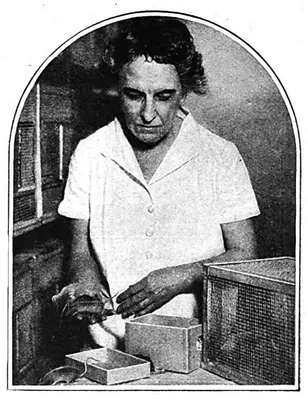
By selective breeding over a period of 15 years, Slye produced generations of mice absolutely resistant to, or particularly susceptible to, cancer. She demonstrated that resistance is a Mendelian dominant and suscepti…
1971
#13964
Mutation and cancer: Statistical study of retinoblastoma.
In this paper Knudson first described his "two-hit hypothesis," also known as the "Knudson hypothesis," which explains the incidence of hereditary cancers, such as retinoblastoma. "Humans inherit two copies of every g…
1976
#2660.28
DNA related to the transforming gene(s) of avian sarcoma viruses is present in normal avian DNA.
Discovery of the first “oncogene. In 1989 Varmus and Bishop shared the Nobel Prize for in Physiology or Medicine "for their discovery of the cellular origin of retroviral oncogenes."
1979
#14007
Characterization of a 54K Dalton cellular SV40 tumor antigen present in SV40 transformed cells and uninfected embryonal carcinoma cells.
Levine discovered the tumor suppressor protein p53, also known as Tumor protein P53. Because it prevents cancer formation TP 53 is classified as a tumor suppressor gene. The discovery was completed in 1989 and recorde…
1986
#13974
A human DNA segment with properties of the gene that predisposes to retinoblastoma and osteosarcoma.


Isolation of the first human tumor suppressor gene. Order of authorship in the original publication: Friend, Bernards, Rogeli, Weinberg, Rapaport, Albert, Dryja.
1990
#13966
Linkage of early-onset familial breast cancer to Chromosome 17q21.
King showed that breast cancer can be inherited due to mutations in the Breast cancer type 1 susceptibility protein, a protein that in humans is encoded by the BRAC1 gene. BRCA1 is a human tumor suppressor gene (also …
1994
#14015
A strong candidate for the breast and ovarian cancer susceptibility gene BRCA1.
Discovery of the BRCA1 gene using the technique of restriction fragment length polymorphism (RFLP). (Thanks to Juan Weiss for this reference and its interpretation.)
1994
#14016
Location of a breast cancer susceptibility gene, BRACA2, to chromosome 13q12-13.
Stratton and colleagues discovered the BRCA2 gene. Oder of authorship in the original publication: Wooster, Neuhausen, Mangion....Stratton. (Thanks to Juan Weiss for this reference and its interpretation.)
2008
#13058
DNA sequencing of a cytogenetically normal acute myeloid leukaemia genome.
Ley and collaborators decoded all the genes of a person with cancer (acute myeloid leukemia (AML)) and found a set of mutations that might have caused the disease or aided its progression.
2013
#14101
The haplotype-resolved genome and epigenome of the aneuploidy HeLa cancer cell line.
Adey and colleagues sequenced the haplotype-resolved whole genome of the HeLa cancer cell line. This showed a highly rearranged region at chromosome 8q24.21, where an integration locus of the HPV (human papillomavirus…